Are you wondering if you need a special detergent to clean your microfiber cloths? You’re not alone.
These cloths are designed to trap dirt and dust, but using the wrong detergent can ruin their effectiveness. Imagine spending money on microfiber cloths only to wash them in a way that makes them less useful. You’ll discover simple tips that protect your cloths and keep them working like new.
Keep reading to learn exactly what kind of detergent is best—and why it matters for your cleaning routine.

Credit: www.amazon.com
Why Microfiber Needs Special Care
Microfiber cleaning cloths are popular for their incredible ability to pick up dirt, dust, and even bacteria. But their special qualities mean they need care that differs from your usual laundry routine. If you want your microfiber cloths to last and perform well, understanding why they need special care is key.
Microfiber Fabric Characteristics
Microfiber is made of extremely fine synthetic fibers, usually polyester and nylon. These fibers are much thinner than a human hair, which gives microfiber its unique texture and high absorbency.
The tiny fibers create a larger surface area that grabs onto dirt and oils better than cotton or other fabrics. Because of this, microfiber cloths can clean surfaces without the need for harsh chemicals.
However, the fine fibers can be easily damaged or clogged if not treated properly during washing. Keeping the fibers intact and free of residues is essential for maintaining the cloth’s cleaning power.
Common Issues With Regular Detergents
Using regular detergents might seem convenient, but they can harm your microfiber cloths. Many standard detergents contain fabric softeners and additives that leave a coating on the fibers.
This coating blocks the tiny fibers from trapping dirt effectively, reducing the cloth’s cleaning ability. You might notice that after washing, your microfiber cloth feels stiff or less absorbent.
Regular detergents can also cause microfiber to become less durable over time. Have you ever washed a microfiber cloth only to find it losing its softness or developing a bad odor? That’s often due to detergent residue.
To protect your microfiber, it’s best to use a detergent specifically designed for these fabrics or a mild, fragrance-free detergent without additives. Avoid bleach and fabric softeners completely, as they can break down the fibers and ruin the cloth’s performance.
Choosing The Right Detergent
Choosing the right detergent for your microfiber cleaning cloths is crucial to keep them effective and long-lasting. Not all detergents are created equal, and some can actually harm the delicate fibers. Knowing what to avoid and what to pick can save you from frustrating results and wasted effort.
Detergent Ingredients To Avoid
Many common detergents contain ingredients that can damage microfiber cloths. Avoid detergents with:
- Fabric softeners:These coat the fibers and reduce their ability to attract dust and dirt.
- Bleach or chlorine:These harsh chemicals can break down the fibers and ruin the cloth’s texture.
- Fragrances and dyes:They may leave residues that affect the cloth’s cleaning power.
Have you ever noticed your microfiber cloth feeling stiff or less absorbent after washing? That’s often due to these harmful additives.
Recommended Detergent Types
Look for detergents that are gentle and free from additives. Here are some good choices:
- Liquid detergents without fabric softeners or bleach.These clean effectively without damaging fibers.
- Mild, fragrance-free detergents.They preserve the cloth’s natural cleaning ability.
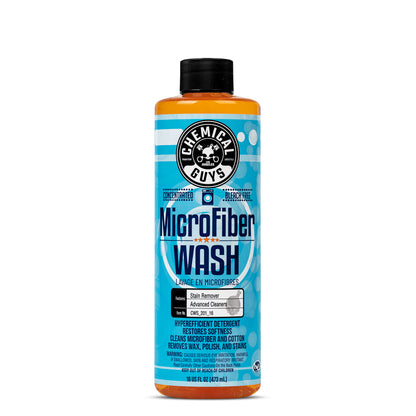
- Special detergents formulated for microfiber.They optimize cleaning and extend the cloth’s life.
Using the right detergent keeps your microfiber cloths soft, absorbent, and ready to tackle dirt. What detergent do you use for your microfiber cloths?
Washing Tips For Microfiber Cloths
Microfiber cleaning cloths are a household staple, prized for their ability to pick up dust and grime without scratching surfaces. However, maintaining their effectiveness requires proper care during washing. Are you treating your microfiber cloths right? Let’s delve into some practical washing tips to ensure your cloths stay in top-notch condition for longer.
Optimal Water Temperature
The temperature of the water you use can make a significant difference. Warm water is ideal, as it helps to loosen dirt and oils embedded in the fibers without causing shrinkage or damage. Cold water, while gentle, might not be as effective in removing all residues. Hot water can break down the delicate fibers, reducing the cloth’s lifespan. What temperature are you using for your microfiber cloths?
Proper Washing Techniques
Consider washing your microfiber cloths separately from other laundry to prevent lint transfer. Use a gentle cycle to protect the fibers and maintain their cleaning power. Hand washing is another option, especially for heavily soiled cloths. Avoid overloading your washing machine; microfiber cloths need space to move freely for a thorough clean. Are you giving your cloths the care they deserve?
Avoiding Fabric Softeners And Bleach
Fabric softeners and bleach are the mortal enemies of microfiber cloths. They leave residues that can clog the fibers, reducing absorbency and effectiveness. Instead, use a mild detergent free of additives. Vinegar can be a great natural alternative to soften and deodorize your cloths without any harmful effects. Have you checked the labels on your detergent lately?
Taking these simple steps can significantly extend the life and utility of your microfiber cleaning cloths. With just a bit of extra attention, your cloths will continue to serve you well, keeping your home spotless and shining.
Drying Microfiber Safely
Drying your microfiber cleaning cloths properly is just as important as washing them correctly. The drying method you choose can affect the cloth’s texture, absorbency, and lifespan. Getting this right ensures your microfiber cloths stay effective for all your cleaning needs.
Air Drying Vs Machine Drying
Air drying is the gentlest way to dry microfiber cloths. Hanging them up or laying them flat lets the fibers retain their softness and absorbency. It also prevents damage from heat and tumbling.
Machine drying can be convenient, but it comes with risks. High heat and rough tumbling can cause microfiber to shrink or become stiff. If you choose this option, use the lowest heat setting to protect the fabric.
Have you noticed your microfiber cloths feeling rough after a few washes? That’s often a sign of heat damage from machine drying. Air drying might take longer, but it helps keep your cloths in top shape.
Temperature Settings To Use
When using a dryer, always select a low or no-heat setting. High temperatures can melt the tiny fibers, reducing the cloth’s effectiveness. This damage is often irreversible, so it’s better to be cautious.
Setting your dryer to “air fluff” or “no heat” is a safe bet. It dries your cloths without exposing them to harmful heat. If you want to speed up drying, combine air drying with occasional low-heat machine drying.
Think about the last time you dried clothes on high heat—did they feel different? Your microfiber cloths need that same gentle treatment to keep working well.
Extending The Life Of Microfiber Cloths
Extending the life of microfiber cloths saves money and reduces waste. Proper care keeps their fibers effective for cleaning. Small habits make a big difference in durability. Follow simple tips to maintain their softness and absorbency.
Storage Recommendations
- Keep cloths dry before storing. Moisture causes mold and bad smells.
- Store in a clean, dust-free place to avoid dirt buildup.
- Fold or hang cloths neatly to prevent wrinkles and fiber damage.
- Avoid placing heavy objects on stored cloths to keep their shape.
- Separate used cloths from clean ones to maintain hygiene.
Signs Your Cloths Need Replacement
- Cloths lose softness and feel rough or stiff.
- Stains and odors remain after washing.
- Fibers start to break or fray, reducing cleaning power.
- Cloths leave streaks or lint on surfaces.
- Cleaning effectiveness noticeably drops despite proper care.

Credit: www.amazon.sg
Expert Myths And Facts
Understanding the truth about microfiber cleaning cloths can save you time, money, and frustration. Many people believe they need special detergents or treatments, but the reality is often simpler. Let’s clear up some common myths and look at what experts really say about caring for your microfiber cloths.
Common Misconceptions About Microfiber Care
One popular myth is that you must use special detergents to clean microfiber cloths. The truth is, regular liquid detergent without fabric softeners works best. Fabric softeners leave a residue that clogs the fibers and reduces their effectiveness.
Another misconception is that you should avoid washing microfiber cloths with other laundry. While it’s true that washing them with lint-producing fabrics like towels can cause pilling, washing them with similar materials is perfectly fine. Just avoid bleach and high heat, which can damage the fibers.
Many people also think drying microfiber cloths requires air drying only. However, using a low heat setting in the dryer can actually help maintain the cloth’s softness and absorbency, as long as you steer clear of dryer sheets.
Professional Cleaning Advice
Professionals recommend washing microfiber cloths in warm water with a mild detergent. This temperature helps break down oils and dirt without harming the fibers. You don’t need any additives or specialty products.
Experts often emphasize the importance of avoiding bleach and fabric softeners. These chemicals can break down the microfiber’s structure, making them less effective over time. Instead, rinse thoroughly to remove detergent residue.
When drying, professionals suggest tumble drying on low or air drying. High heat can melt the tiny fibers, so keep your settings gentle. If you want to keep your microfiber cloths working like new, these simple steps are enough—no special detergent required.

Credit: www.facebook.com
Frequently Asked Questions
Do Microfiber Cloths Need Special Detergent For Washing?
Microfiber cloths benefit from mild detergent without fabric softeners or bleach. Special detergents help maintain fibers’ effectiveness and prolong lifespan.
Can Regular Detergent Damage Microfiber Cloths?
Regular detergents with fabric softeners or bleach can clog microfiber strands. This reduces absorbency and cleaning power, causing damage over time.
How Should I Wash Microfiber Cleaning Cloths Properly?
Wash microfiber cloths in warm water with gentle detergent. Avoid fabric softeners and bleach. Air dry or tumble dry low for best results.
Why Avoid Fabric Softeners On Microfiber Cloths?
Fabric softeners coat microfiber strands, reducing their ability to trap dirt and absorb liquids. This weakens cleaning performance significantly.
Conclusion
Special detergents help keep microfiber cloths clean and effective. Regular soaps can leave residue that harms the fibers. Use gentle, liquid detergents without fabric softeners or bleach. Wash microfiber cloths separately to avoid lint and damage. Dry them on low heat or air dry.
Proper care extends the cloths’ life and performance. Small changes make a big difference. Clean cloths work better and last longer. Choose the right detergent for the best results every time.