
When it comes to storing your food, safety should be your top priority. You might think all plastic containers are the same, but some can actually harm your health or affect the taste of your meals.
Wouldn’t you want to know which plastics keep your food fresh without any risks? You’ll discover which plastics are truly safe for food storage and how to choose the best containers for your kitchen. Keep reading to protect your health and make smarter choices every day.
Common Plastics In Food Storage
Choosing the right plastic for food storage is important for health and safety. Plastics vary in composition and quality. Some are safe for storing food, while others can release harmful chemicals. Understanding common plastics helps make better choices.
Types Of Plastics Used
- Polyethylene Terephthalate (PET or PETE):Clear, strong, used for water bottles and food jars.
- High-Density Polyethylene (HDPE):Durable, resistant to chemicals, common for milk jugs and containers.
- Polyvinyl Chloride (PVC):Flexible, used in cling wraps, but may contain harmful additives.
- Low-Density Polyethylene (LDPE):Soft and flexible, used for bags and squeezable bottles.
- Polypropylene (PP):Heat-resistant, found in yogurt containers and microwave-safe dishes.
- Polystyrene (PS):Lightweight, used in disposable cups and plates, less safe for hot food.
Properties Affecting Safety
Food-safe plastics must not leak chemicals into food. Heat resistance is important for microwaving and dishwashing. Some plastics can break down and release toxins when heated. Look for plastics labeled BPA-free to avoid hormone disruptors.
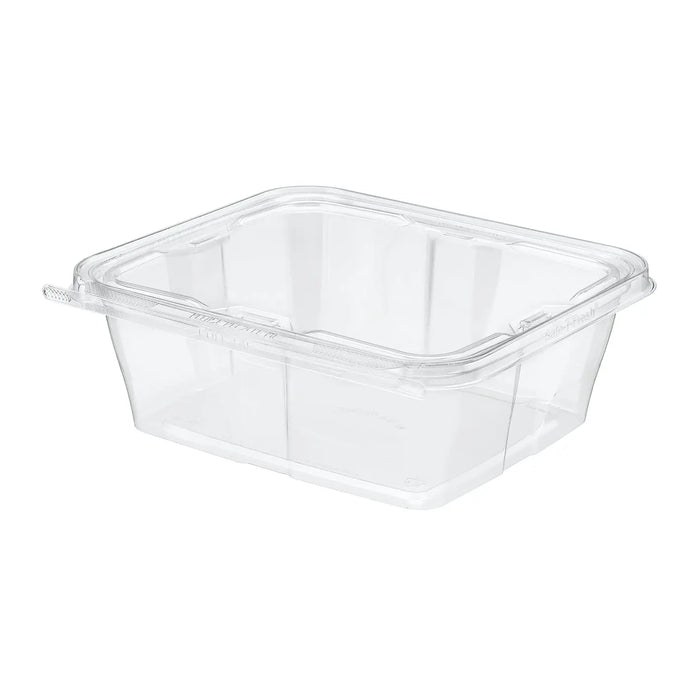
Durability matters to prevent cracks that harbor bacteria. Transparency helps spot food spoilage. Some plastics absorb odors and stains, reducing food quality. Safe plastics are tested and approved by health authorities.
Credit: kitchendance.com
Bpa And Its Impact
BPA, or Bisphenol A, is a chemical used in making some plastics. It often appears in containers used for food storage. Concerns exist about BPA because it can seep into food and drinks. This raises questions about safety and health effects. Understanding BPA’s sources and risks helps choose safer containers.
Sources Of Bpa In Plastics
BPA is commonly found in polycarbonate plastics. These plastics are hard and clear. They often make water bottles, food containers, and can linings. Some plastic wraps and lids also contain BPA. The chemical helps make plastics strong and durable.
BPA can leach out when containers heat up. This happens with hot food or microwaving. Acidic or oily foods increase BPA release. Older or scratched plastics release more BPA. Checking product labels can help avoid BPA plastics.
Health Concerns Linked To Bpa
BPA can act like hormones in the body. It may disrupt normal hormone functions. This disruption can affect brain development and reproductive health. Some studies link BPA to increased risk of heart disease and diabetes. Children and pregnant women face higher risks.
Long-term exposure to BPA can cause health problems. Scientists suggest limiting BPA contact with food. Using BPA-free containers reduces these risks. Choosing safer plastics helps protect your health.
Safe Plastic Types For Food Storage
Choosing the right plastic for food storage is crucial. Not all plastics are safe for storing food. Some can leach harmful chemicals. It’s important to know which plastics are safe. Here are some of the best options for safe food storage.
Polypropylene (pp)
Polypropylene is a popular choice for food storage. It’s durable and heat-resistant. This plastic doesn’t break down easily. It resists chemicals and moisture, keeping food safe. It’s often used in yogurt containers and straws.
High-density Polyethylene (hdpe)
High-Density Polyethylene is another safe plastic. It’s strong and resistant to impact. HDPE is used in milk jugs and juice bottles. It doesn’t leach harmful substances. This plastic is ideal for storing liquids.
Low-density Polyethylene (ldpe)
Low-Density Polyethylene is flexible and lightweight. It’s often used in bread bags and squeeze bottles. LDPE is safe for food storage. It doesn’t release toxins into food. Its flexibility makes it easy to handle.
Tritan Copolyester
Tritan Copolyester is a newer option for food storage. It’s BPA-free and shatter-resistant. Tritan is clear and glass-like in appearance. It’s used in water bottles and food containers. Tritan keeps food fresh without harmful chemicals.
:max_bytes(150000):strip_icc()/faw-rubbermaid-brilliance-bpa-free-22-piece-food-storage-containers-set-livia-hughes-19-e3d3cfffc5e24b3aa9f14421686c10e9-badge-ab5c3c9c16a144d8bc10b7982d78bdf6.jpg)
Credit: www.foodandwine.com
Plastics To Avoid
Choosing the right plastic for food storage is important for your health. Some plastics can release harmful chemicals when they come into contact with food, especially if heated. Knowing which plastics to avoid helps you keep your meals safe and your family healthy.
Polyvinyl Chloride (pvc)
PVC is often used in cling wraps and containers, but it contains dangerous additives like phthalates. These chemicals can leach into your food and disrupt hormones. If you’ve ever noticed a strong chemical smell from plastic wrap, that’s a red flag.
Try to avoid PVC products altogether for storing food. Look for labels that clearly state PVC-free or use safer alternatives. Your health is worth the extra effort.
Polystyrene (ps)
Polystyrene is the plastic behind many disposable food containers and cups. It’s lightweight and cheap but not designed for long-term use. When heated, it can release styrene, a possible carcinogen linked to nervous system issues.
Think twice before reheating food in polystyrene containers. Instead, choose glass or BPA-free plastics for microwaving. Your body will thank you for making this small change.
Polycarbonate (pc)
Polycarbonate plastics are tough and clear, often used in reusable water bottles and food containers. However, they commonly contain BPA, a chemical associated with various health problems, including hormonal imbalances. Many manufacturers now offer BPA-free options, but older containers may still pose risks.
If you find old polycarbonate containers at home, consider replacing them. Opt for safer materials like polypropylene (PP) or glass. Protecting your food from BPA exposure is essential for long-term health.
Identifying Safe Plastics
Knowing which plastics are safe for storing your food is essential for your health and the environment. Not all plastics are created equal, and some can leach harmful chemicals into your meals. Identifying safe plastics helps you make smarter choices when buying containers or reusing packaging.
Recycling Codes Explained
Every plastic container has a recycling code, usually found at the bottom inside a triangle of arrows. These numbers, from 1 to 7, tell you what type of plastic it is and if it’s safe for food.
- 1 (PET or PETE):Commonly used for water bottles and soda containers. Generally safe for single use but avoid reusing.
- 2 (HDPE):High-density polyethylene is sturdy and safe for food storage. Milk jugs and detergent bottles often use this.
- 3 (PVC):Not recommended for food storage due to chemicals that can leach.
- 4 (LDPE):Low-density polyethylene is flexible and considered safe, often used in bags and squeezable bottles.
- 5 (PP):Polypropylene is heat-resistant and safe for microwave use. Yogurt containers and straws often use this plastic.
- 6 (PS):Polystyrene, found in disposable plates and cups, can release toxins. Best to avoid for food storage.
- 7 (Other):A mixed category that can include BPA-containing plastics. Avoid if you want to steer clear of harmful chemicals.
Have you ever checked the bottom of your food containers? That small number can tell you a lot about safety.
Labels And Certifications
Look for labels that guarantee food safety on plastic containers. These certifications mean the product has been tested for harmful substances.
- FDA Approved:Indicates the plastic is safe for food contact according to U.S. standards.
- BPA-Free:Tells you the container does not contain Bisphenol A, a chemical linked to health risks.
- Food Grade:Means the plastic is suitable for storing food without contamination.
- Microwave Safe:Shows the container won’t melt or release toxins when heated.
Next time you buy a container, check for these labels. They help you avoid plastics that could harm your food or your family.
Tips For Using Plastic Containers Safely
Using plastic containers for food storage is common and convenient. Safe use ensures your food stays fresh and free from harmful chemicals. Follow simple tips to protect your health and extend container life.
Avoiding Heat Exposure
Heat can cause plastic to release harmful chemicals. Do not microwave plastic containers unless labeled microwave-safe. Avoid placing plastic containers in the oven or on hot stove surfaces. Let hot food cool before storing it in plastic containers. Use glass or ceramic containers for heating food whenever possible.
Proper Cleaning Methods
Clean plastic containers gently to avoid damage. Use warm, soapy water and a soft sponge. Avoid abrasive scrubbers that can scratch the surface. Scratches can trap bacteria and cause chemical leaching. Rinse containers thoroughly to remove soap residues. Some plastics are dishwasher safe—check the label first.
When To Replace Containers
Plastic containers do not last forever. Replace containers that show cracks, warping, or discoloration. Damaged containers may leak chemicals into food. Also, replace containers that absorb strong food odors or stains. Regular replacement helps maintain food safety and quality.
Alternatives To Plastic Food Storage
Choosing alternatives to plastic for food storage can improve both the safety of your meals and the environment. Many people worry about chemicals leaching from plastic containers into their food, especially when heating or storing acidic items. Switching to other materials can give you peace of mind and even enhance the freshness and taste of your food.
Glass Containers
Glass containers are a fantastic alternative to plastic because they don’t contain harmful chemicals like BPA or phthalates. They are non-porous, which means they won’t absorb odors or stains from your food. You can safely use glass containers in the microwave, oven, and dishwasher without worrying about damage or toxins.
One thing I noticed after switching to glass is how much fresher leftovers taste the next day. The airtight lids keep food sealed without any weird plastic smell. If you’re concerned about breakage, look for tempered or borosilicate glass options—they’re designed to handle temperature changes and are more durable than regular glass.
Stainless Steel Options
Stainless steel containers are another excellent choice for food storage, especially if you want something lightweight and tough. These containers resist rust and corrosion, making them perfect for both dry and wet foods. Plus, they don’t retain flavors or odors, so your meals always taste just right.
One surprising benefit of stainless steel is how easy it is to clean. You can scrub it without worrying about scratches or toxic coatings wearing off. However, unlike glass, stainless steel containers are not microwave-safe, so you’ll need to transfer food to another dish if you want to heat it up.
Have you tried any of these alternatives yet? What has your experience been with keeping food fresh and safe without plastic?

Credit: shopping.yahoo.com
Frequently Asked Questions
Which Plastics Are Safest For Food Storage Containers?
Plastics labeled 1 (PET), 2 (HDPE), 4 (LDPE), and 5 (PP) are safest. They resist chemicals and don’t leach harmful substances into food.
Why Avoid Plastics With Recycling Codes 3, 6, And 7?
Codes 3, 6, and 7 may release harmful chemicals like BPA or phthalates. These can contaminate food and pose health risks.
How To Identify Bpa-free Food Storage Plastics?
Look for labels stating “BPA-free” or use plastics marked with recycling codes 1, 2, 4, or 5. These are usually safe for food storage.
Can Plastic Containers Affect Food Safety?
Yes, some plastics can release toxins, especially when heated. Using BPA-free and FDA-approved plastics reduces this risk and keeps food safe.
Conclusion
Choosing safe plastics helps protect your food and health. Look for containers labeled BPA-free and food-grade. Plastics like polyethylene and polypropylene are usually safe options. Avoid plastics with recycling codes 3, 6, and 7 unless marked safe. Using the right containers keeps your food fresh longer.
It also stops harmful chemicals from seeping into your meals. Simple choices make a big difference every day. Keep your food storage smart and safe. Your health deserves that care.