
Your cast iron skillet is more than just a pan—it’s a kitchen companion that can last a lifetime if you treat it right. But how do you keep it in perfect shape?
If you’ve ever struggled with rust, sticky residue, or uneven cooking, this guide is for you. You’ll learn simple, effective steps to clean, season, and maintain your skillet so it stays non-stick and ready for every meal. Keep reading, and you’ll discover how easy it is to make your cast iron skillet your favorite cooking tool.

Credit: www.goodhousekeeping.com
Seasoning Basics
Seasoning a cast iron skillet is crucial for its longevity and performance. This process creates a non-stick surface, protecting it from rust. A well-seasoned skillet enhances cooking and adds flavor to meals. Let’s explore the basics of seasoning your skillet effectively.
Why Season Cast Iron
Seasoning prevents food from sticking to the skillet. It also protects the iron from moisture, which causes rust. A seasoned skillet distributes heat evenly, improving cooking results. Regular seasoning maintains its non-stick properties over time.
Choosing The Right Oil
Not all oils are suitable for seasoning. Use oils with high smoke points. Flaxseed oil, vegetable oil, and canola oil are popular choices. They polymerize well and create a strong, non-stick surface.
Step-by-step Seasoning Process
- Clean the Skillet:Wash with warm water and soap.
- Dry Thoroughly:Ensure no moisture remains.
- Apply Oil:Rub a thin layer of oil over the entire surface.
- Heat the Skillet:Place it upside down in the oven.
- Bake:Heat at 375°F (190°C) for one hour.
- Cool:Allow it to cool inside the oven.
Repeat this process for a stronger seasoning layer. Regular maintenance keeps your skillet in top condition.
Cleaning Tips
Keeping your cast iron skillet in top shape starts with the right cleaning habits. Proper cleaning not only extends the life of your skillet but also maintains its natural non-stick surface. Let’s look at some practical tips to clean your skillet effectively without causing damage.
Avoiding Soap And Harsh Cleaners
You might think soap is necessary to get your skillet clean, but it can actually strip away the seasoning that makes cast iron special. Instead, rinse your skillet with hot water right after cooking to remove loose food particles.
If you feel the need to use soap, choose a very mild amount and only occasionally. Harsh cleaners can damage the skillet’s surface and lead to rust.
Best Tools For Cleaning
The right tools can make cleaning easier and protect your skillet’s seasoning. Use a stiff brush, non-metallic scrubber, or a chainmail scrubber designed specifically for cast iron.
Avoid steel wool or abrasive pads unless you plan to reseason afterward, as they can scratch the surface. A simple sponge or cloth often works well for light cleaning tasks.
Removing Stubborn Residue
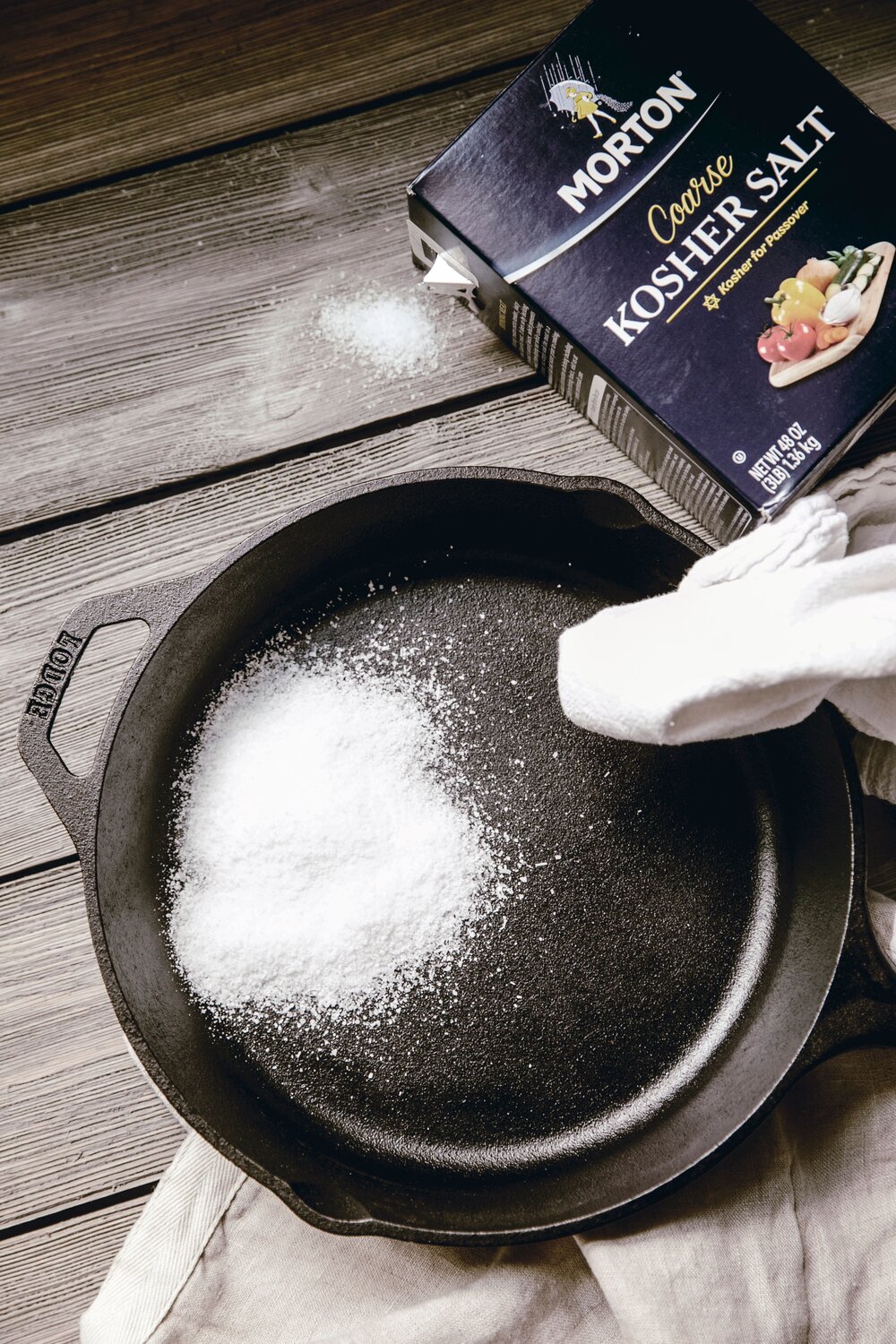
When food sticks stubbornly to the skillet, don’t panic or reach for harsh chemicals. Pour coarse kosher salt into the pan and scrub with a damp cloth or brush—salt acts like a gentle abrasive.
For really tough spots, heat the skillet with a little water to loosen residue, then scrape gently with a wooden or silicone spatula. Have you tried these salt scrubs before? Many find it surprisingly effective without risking damage.
Daily Maintenance
Keeping your cast iron skillet in top shape doesn’t require hours of work. Daily maintenance is all about simple habits that protect the seasoning and prevent rust. These small efforts make a big difference in how your skillet performs and how long it lasts.
Proper Drying Techniques
After washing, water is the enemy. Leaving your skillet wet invites rust to form quickly. Use a clean towel to dry your skillet thoroughly.
For extra safety, place the skillet on low heat for a few minutes until all moisture evaporates. This step ensures your skillet is completely dry and ready for storage. Have you noticed how much easier it is to keep a dry skillet shiny?
Reapplying Oil After Use
Every time you finish cooking, add a thin layer of oil to your skillet. This small step replenishes the seasoning and keeps the surface non-stick.
Use a paper towel to spread a light coat of vegetable oil, flaxseed oil, or shortening over the entire surface, inside and out. Then, heat the skillet on low for a few minutes to help the oil absorb. This simple habit can prevent sticky buildup and maintain a smooth cooking surface.
Storing Your Skillet Correctly
Where you keep your skillet matters. Store it in a dry place with good air circulation to avoid moisture buildup. Avoid stacking your skillet under heavy pots that can scrape the seasoning off.
If space is tight, place a paper towel or cloth between your skillet and other cookware. This prevents scratches and keeps your skillet ready for the next meal. How do you currently store your skillet? Small changes here can save a lot of cleaning time later.
Handling Rust
Rust can damage your cast iron skillet and affect its cooking performance. Handling rust quickly keeps your skillet in good shape. Knowing how to spot rust, remove it, and stop it from coming back helps your skillet last longer.
Identifying Rust Spots
Rust looks like small reddish or orange patches on the skillet’s surface. It can appear as tiny dots or larger areas. The skillet may feel rough or flaky where rust is present. Check the inside, outside, and handle for any signs.
Rust Removal Methods
Use a soft scrub brush or steel wool to scrub the rust gently. Avoid harsh scrubbing that can damage the skillet. Wash the skillet with warm water and mild soap after scrubbing. Dry it completely with a towel.
For tough rust, make a paste from baking soda and water. Apply it on rust spots and let it sit for 15 minutes. Scrub the area again and rinse well. Repeat if needed.
Preventing Future Rust
Keep your skillet dry after washing. Water left on the surface causes rust. Apply a thin layer of cooking oil after drying. Heat the skillet on low heat to seal the oil in. Store in a dry place, not in damp areas.
- Avoid soaking the skillet in water
- Use it regularly to maintain seasoning
- Re-season the skillet if it loses its shine
Restoring Old Skillets
Restoring old cast iron skillets brings them back to life. These pans can last for decades with proper care. Old skillets often have rust or worn seasoning. Restoring them involves cleaning, stripping, and re-seasoning. This process protects the skillet and improves cooking performance.
Assessing Damage
Check the skillet for rust, cracks, or deep pits. Light rust can be cleaned easily. Large cracks may make the skillet unsafe. Note if the seasoning is flaking or uneven. This helps decide the next steps for restoration.
Stripping Old Seasoning
Remove old seasoning to start fresh. Use a strong scrub brush or steel wool. For stubborn residue, soak the skillet in vinegar and water. Avoid soaking too long to protect the metal. Rinse thoroughly and dry the skillet completely after stripping.
Re-seasoning For Longevity
Apply a thin layer of vegetable oil or flaxseed oil. Spread the oil evenly inside and outside the skillet. Bake the skillet upside down in the oven at 450°F (230°C) for one hour. Place foil below to catch drips. Let the skillet cool inside the oven. Repeat this process 2-3 times for a strong, lasting coating.
Credit: heirloomedblog.com
Cooking Tips For Cast Iron
Cooking with a cast iron skillet brings out great flavors and adds a special touch to meals. Using it right keeps the pan in top shape and improves your food. Here are some key tips for cooking with cast iron skillets.
Preheating Techniques
Preheat your cast iron skillet slowly for even heat. Start on low heat and raise it gradually. This prevents food from sticking and cooks it evenly. A well-heated pan gives a nice sear on meats and vegetables.
Avoiding Acidic Foods
Avoid cooking highly acidic foods like tomatoes or vinegar-based sauces often. Acid can break down the skillet’s seasoning layer. Use other pans for acidic dishes or cook them only briefly in cast iron. This keeps the skillet’s surface smooth and non-stick.
Enhancing Flavors
Cast iron skillets improve flavors over time as seasoning builds. Use a little oil or butter while cooking to boost taste. The skillet holds heat well, helping spices and herbs release their aroma. Try searing, frying, or slow cooking to enjoy richer meals.
Common Mistakes To Avoid
Treating a cast iron skillet requires care and attention. Many people make simple mistakes that harm the skillet’s surface or reduce its lifespan. Avoiding these errors helps keep the skillet in great shape.
Using Soap Incorrectly
Many believe soap ruins a cast iron skillet. But gentle soap use is okay. Avoid harsh detergents or scrubbing pads that strip the seasoning. Use mild soap and warm water only when needed. Rinse thoroughly and dry the skillet immediately. This prevents rust and keeps the seasoning intact.
Overheating The Skillet
Cast iron holds heat very well. Overheating can damage the seasoning or warp the pan. Avoid heating an empty skillet on high heat for a long time. Use medium or low heat for cooking. Let the skillet heat slowly. This protects the skillet and maintains its non-stick surface.
Ignoring Regular Maintenance
Regular care extends the skillet’s life. After each use, clean and dry it properly. Apply a thin layer of oil to protect the surface from rust. Store the skillet in a dry place. Skip these steps, and the skillet may develop rust or lose its non-stick quality.

Credit: homeessentials.in
Frequently Asked Questions
How Do I Season A Cast Iron Skillet Properly?
To season, clean the skillet, dry it, and apply a thin layer of oil. Bake at 375°F for one hour. This process creates a non-stick surface and prevents rust.
How Often Should I Treat My Cast Iron Skillet?
Treat your skillet after every few uses or when it looks dull. Regular seasoning maintains its non-stick surface and protects against rust.
Can I Use Soap To Clean A Cast Iron Skillet?
Avoid soap for regular cleaning as it can strip seasoning. Use hot water and a brush instead. For stubborn residue, use coarse salt as a scrub.
How Do I Remove Rust From A Cast Iron Skillet?
Scrub rust off with steel wool or a scrubber. Rinse, dry thoroughly, and re-season the skillet immediately to restore protection.
Conclusion
Treating a cast iron skillet is simple and worth the effort. Clean it gently after each use. Dry it fully to stop rust. Apply a thin layer of oil to keep it smooth. Store it in a dry place. Regular care helps your skillet last many years.
Enjoy cooking with a pan that improves over time. Small steps make a big difference. Your cast iron will reward you with great meals. Keep it cared for, and it will stay your kitchen friend.