
If you want to cook a perfect steak at home, a cast iron skillet is your best friend. It locks in flavor and gives your steak that beautiful, crispy crust you crave.
But how do you get it just right every time? This guide will show you simple steps to cook a juicy, mouth-watering steak using your cast iron skillet. Whether you’re a beginner or just want to improve your skills, you’ll learn tips that make a big difference.
Ready to impress yourself and anyone you share your steak with? Keep reading and master the art of cooking steak on a cast iron skillet.
Choosing The Right Steak
Selecting a tender, well-marbled steak helps achieve the best flavor and texture. Thicker cuts hold up well on a hot cast iron skillet, ensuring even cooking.
Choosing the right steak is crucial for a delicious meal. A cast iron skillet can enhance the flavor of your steak. The right cut, thickness, and freshness can make all the difference. Let’s explore how to select the perfect steak for your skillet.
Best Cuts For Cast Iron
Ribeye offers rich marbling and tenderness. It’s a top choice for skillet cooking. New York Strip is also a great option. It has a balance of flavor and texture. Filet Mignon is another popular choice. It’s known for its tenderness and buttery taste.
Thickness And Marbling
Thickness affects cooking time and juiciness. Aim for steaks at least one inch thick. Thicker steaks retain moisture better. Marbling refers to fat within the meat. More marbling means more flavor. Look for fine, even lines of fat.
Fresh Vs. Frozen
Fresh steaks often have better texture. They cook more evenly in a skillet. Frozen steaks can be convenient, though. Thaw them properly for best results. Always use steaks with bright color and fresh smell. Avoid steaks with discoloration or freezer burn.
Preparing The Steak
Preparing your steak properly sets the stage for a perfectly cooked meal. Taking a few extra minutes before cooking can make a huge difference in taste and texture. How you handle the steak before it hits the hot cast iron skillet can elevate your cooking from good to great.
Bringing To Room Temperature
Start by letting your steak sit out for about 30 to 45 minutes until it reaches room temperature. This step helps the steak cook evenly throughout instead of having a cold center.
If you cook it straight from the fridge, the outside might overcook while the inside stays underdone. Have you noticed uneven cooking before? This simple tip can fix that.
Seasoning Tips
Generously season your steak with salt and freshly ground black pepper just before cooking. Salt draws out moisture but also enhances the natural flavors.
Try seasoning both sides evenly and don’t be shy with the pepper—it adds a nice kick. For extra flavor, you can add garlic powder, smoked paprika, or fresh herbs like rosemary.
Remember, seasoning early can dry out the meat, so it’s best to season right before it hits the pan.
Using Oil And Butter
Choose an oil with a high smoke point like canola, avocado, or grapeseed oil to coat your skillet before heating. This prevents the oil from burning and gives you a nice sear.
Once the steak starts cooking, add a tablespoon of butter and spoon it over the meat. This adds richness and helps develop a beautiful crust.
Have you tried basting your steak with butter during cooking? It’s a game changer for flavor and moisture.
Setting Up The Cast Iron Skillet
Preparing your cast iron skillet properly is key for cooking a perfect steak. A well-heated skillet creates a great sear and locks in flavor. Setting up the skillet correctly ensures even cooking and a delicious crust.
Heating The Skillet
Place the cast iron skillet on the stove over medium-high heat. Allow it to warm slowly for about 5 minutes. The skillet should feel hot but not smoking at this stage. Heating evenly helps prevent hot spots that burn the steak.
Checking For Proper Temperature
Test the skillet’s heat by flicking a few drops of water onto the surface. If the water sizzles and evaporates immediately, the skillet is ready. Another way is to hold your hand a few inches above the pan; you should feel strong heat. Proper temperature ensures the steak sears well and cooks evenly.
Using High Smoke Point Oils
Choose oils that handle high heat without burning. Good options include avocado oil, grapeseed oil, or refined canola oil. Pour a small amount into the hot skillet and swirl it around. This creates a non-stick surface and helps develop a crispy crust on the steak.

Credit: www.kitchenparade.com
Cooking Techniques
Mastering the cooking techniques for steak on a cast iron skillet transforms your meal from ordinary to extraordinary. Each step shapes the flavor and texture, so attention to detail matters. Let’s look at key techniques that bring out the best in your steak.
Searing The Steak
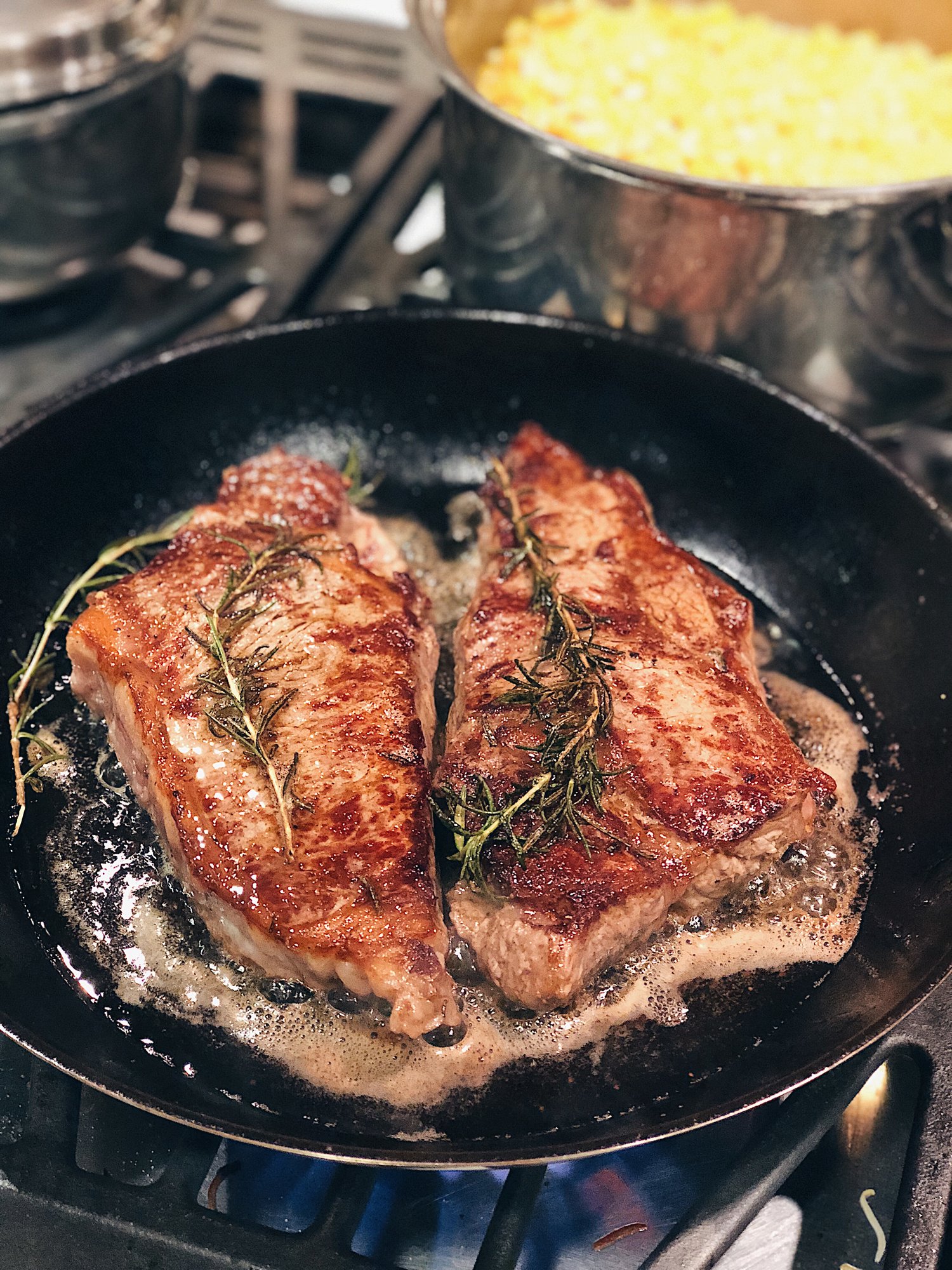
Searing locks in juices and creates a delicious crust. Heat your cast iron skillet until it’s smoking hot before adding the steak. This intense heat caramelizes the meat’s surface quickly, giving you that rich, brown color you want.
Don’t overcrowd the pan; cook one or two steaks at a time. Otherwise, the temperature drops, and you get steaming instead of searing. Have you noticed how a properly seared steak smells? That’s the Maillard reaction working its magic.
Flipping At The Right Time
Flipping your steak too often prevents a good crust from forming. Let it cook undisturbed on one side until you see a dark, golden-brown edge. This usually takes about 3-4 minutes, but it depends on thickness.
Use tongs to flip gently—piercing the meat with a fork lets precious juices escape. Ask yourself: does your steak release easily from the pan? If not, it’s not ready to flip.
Basting For Flavor
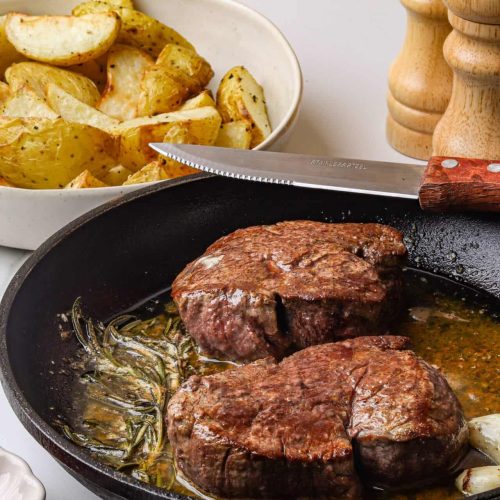
Basting adds moisture and enhances flavor. Once flipped, add a couple of tablespoons of butter, crushed garlic, and fresh herbs like thyme or rosemary to the skillet. Tilt the pan and use a spoon to pour the melted butter over the steak repeatedly.
This technique infuses the meat with rich, aromatic flavors and keeps it juicy. Next time you cook, try basting and notice how much more succulent your steak tastes. Isn’t it surprising how such a simple step can make a huge difference?
Achieving Desired Doneness
Achieving the perfect doneness in your steak is the key to a satisfying meal. It’s about matching the internal temperature and texture to your personal taste. Understanding how to gauge doneness helps you avoid overcooking or undercooking your steak, making every bite just right.
Using A Meat Thermometer
A meat thermometer is your most reliable tool for checking doneness. Insert it into the thickest part of the steak to get an accurate reading. Aim for these temperatures based on preference:
- Rare:120-125°F (49-52°C)
- Medium Rare:130-135°F (54-57°C)
- Medium:140-145°F (60-63°C)
- Medium Well:150-155°F (65-68°C)
- Well Done:160°F+ (71°C+)
Using a thermometer takes the guesswork out of the process. Have you ever cut into a steak only to find it’s not quite how you wanted? This tool helps you avoid that.
Visual And Touch Cues
If you don’t have a thermometer handy, visual and touch cues can guide you. A rare steak looks bright red in the center and feels very soft. Medium rare is pink and warm, with some resistance when pressed.
Use the finger test to check firmness: touch your thumb to your index finger and feel the base of your thumb for rare. Touch your thumb to your middle finger for medium, and to your ring finger for well done. It takes some practice but becomes intuitive with time.
Resting The Steak
After cooking, resting your steak is essential. Let it sit for 5 to 10 minutes on a plate, loosely covered with foil. This allows the juices to redistribute, keeping the meat moist and flavorful.
Cutting into the steak too soon lets juices escape, leaving it dry. Have you noticed how much juicier a rested steak tastes compared to one sliced immediately? Resting is a small step with a big impact.
Serving And Enhancements
Serving your perfectly cooked steak is just as important as cooking it well. How you slice and enhance the steak can elevate the whole dining experience. Little touches and thoughtful pairings can make your meal memorable and satisfying.
Slicing Against The Grain
Cutting your steak against the grain is key to making it tender and easy to chew. Look closely at the meat fibers and slice perpendicular to them. This breaks up the muscle strands, so each bite feels softer and more enjoyable.
If you slice with the grain, the steak can feel tough and stringy. Try this next time you serve steak and notice how much smoother it feels in your mouth.
Adding Finishing Touches
A sprinkle of flaky sea salt or a pat of herb butter can add a burst of flavor right before serving. Fresh herbs like rosemary or thyme also boost aroma and taste. You can even drizzle a bit of balsamic glaze or a squeeze of lemon juice for an unexpected zing.
Think about your personal taste—do you prefer something rich and creamy or bright and fresh? Small additions like these can turn a simple steak into a gourmet experience without extra cooking time.
Side Dishes To Pair
Choosing the right side dishes can balance your steak and complete the meal. Classic options include garlic mashed potatoes, roasted vegetables, or a crisp green salad. For a twist, try grilled asparagus with lemon or a creamy mushroom sauce.
- Roasted garlic mashed potatoes provide comfort and richness
- Steamed broccoli or green beans add freshness and crunch
- A fresh tomato and basil salad brightens the plate
What sides do you usually enjoy with steak? Experimenting with different combinations might surprise you and refresh your steak dinners.
Common Mistakes To Avoid
Cooking steak on a cast iron skillet can deliver incredible flavor and texture, but even small mistakes can ruin the experience. Knowing what to avoid helps you get the perfect sear and juicy interior every time. Let’s look at some common pitfalls that often trip up home cooks and how you can steer clear of them.
Overcrowding The Skillet
It’s tempting to cook multiple steaks at once to save time. However, placing too many pieces in the skillet lowers the pan’s temperature quickly. This causes the steaks to steam instead of sear, leaving you with less flavorful, soggy meat.
Give each steak enough space so the hot surface can do its job properly. If you have several steaks, cook them in batches. This small adjustment can dramatically improve your crust and overall steak quality.
Skipping The Rest Period
After cooking, many rush to cut into their steak immediately, but this is a big mistake. Resting allows the juices to redistribute throughout the meat, making it tender and juicy.
Try letting your steak rest on a plate for at least 5 to 10 minutes, tented loosely with foil. Have you noticed how a rested steak tastes more flavorful and less dry? This simple step can transform your meal.
Using The Wrong Oil
Choosing the right oil impacts both the flavor and cooking temperature. Oils with low smoke points, like extra virgin olive oil, can burn quickly and impart a bitter taste.
Use oils with high smoke points such as avocado oil, grapeseed oil, or refined canola oil. These handle the high heat of cast iron better and help you get that perfect golden crust without unpleasant flavors.
Credit: bakedbree.com
Credit: www.sweetandsavorhie.com
Frequently Asked Questions
How Do You Prepare Steak For Cast Iron Skillet?
Start by bringing the steak to room temperature. Pat it dry with paper towels. Season generously with salt and pepper. This ensures a good sear and enhances flavor.
What Temperature Should Cast Iron Skillet Be?
Preheat the skillet over medium-high heat until it’s very hot. This allows for a perfect crust without overcooking the steak.
How Long To Cook Steak On Cast Iron Skillet?
Cook 3-5 minutes per side for medium-rare, depending on thickness. Adjust time for desired doneness and always rest the steak before serving.
Should You Use Oil Or Butter When Cooking Steak?
Use a high smoke point oil like canola or avocado to sear. Add butter toward the end for flavor and basting.
Conclusion
Cooking steak on a cast iron skillet is simple and rewarding. Heat the pan well for a good sear. Use oil and season your steak before cooking. Cook each side to your preferred doneness. Let the steak rest to keep juices inside.
This method gives a tasty, juicy steak every time. Try it yourself and enjoy a great meal at home. Practice makes perfect, so don’t be afraid to try again. Your cast iron skillet is ready for many delicious steaks.