
You’ve just enjoyed a delicious grilled chicken meal, but now you’re wondering—how long is grilled chicken good for? Knowing the answer can save you from wasting food or risking your health.
If you’ve ever hesitated before digging into leftovers or tossing out perfectly good chicken, this guide is for you. Keep reading to discover simple tips that help you store and enjoy your grilled chicken safely, so you never have to guess again.

Credit: www.platingpixels.com
Shelf Life Of Grilled Chicken
Understanding the shelf life of grilled chicken is essential for maintaining both taste and safety. Proper storage ensures that your deliciously grilled chicken remains a treat rather than a source of worry. From room temperature to freezing, let’s explore how long your chicken can stay fresh and safe.
Room Temperature Duration
Leaving grilled chicken at room temperature is risky. Bacteria thrive between 40°F and 140°F. If left out for more than two hours, your grilled chicken might not be safe to eat.
Picture this: You’ve just finished a BBQ party and there’s leftover chicken. Don’t let it sit on the kitchen counter. Immediately refrigerate or freeze to keep it fresh.
Refrigerated Storage Time
Refrigerating your grilled chicken extends its life significantly. In the fridge, grilled chicken remains good for up to 3-4 days. Ensure it’s stored in an airtight container to prevent drying out and absorbing other odors.
Next time you pop that chicken in the fridge, set a reminder for its consumption timeline. It’s always disappointing to find expired food, especially when it could have been enjoyed sooner.
Freezing Guidelines
Freezing is a fantastic way to stretch the shelf life of grilled chicken. When frozen, it can last up to 4 months without losing quality. Wrap it tightly in plastic wrap or aluminum foil, or use a freezer bag for best results.
Think about this: Your future self will thank you when you defrost that perfectly preserved chicken. Planning meals with frozen portions can be a lifesaver on busy days.
How often do you find yourself questioning the freshness of your leftovers? By knowing and applying these simple storage techniques, you ensure your grilled chicken remains both delicious and safe for future meals.
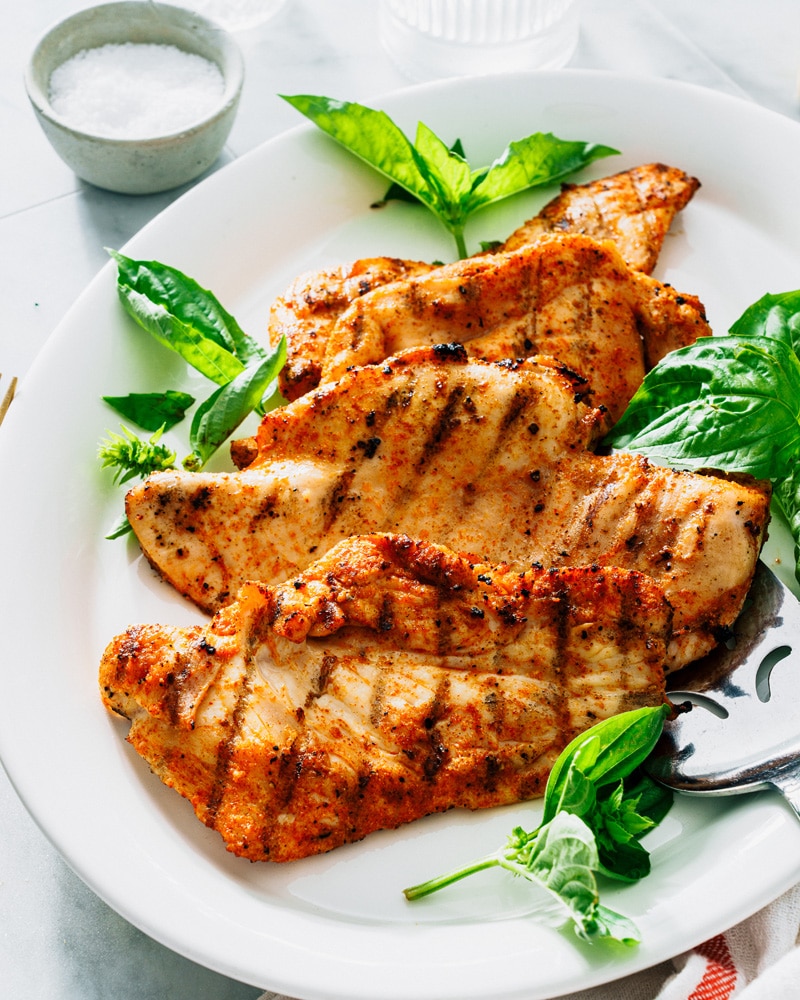
Credit: www.acouplecooks.com
Signs Of Spoiled Grilled Chicken
Knowing the signs of spoiled grilled chicken helps keep you safe. Food that has gone bad can cause illness. Detecting spoilage early avoids eating harmful bacteria. Pay attention to changes in appearance, smell, and feel. These clues signal that the chicken is no longer good.
Visual Indicators
- Chicken turns gray or greenish in color
- Presence of mold or unusual spots
- Surface looks slimy or sticky
- Dry or shriveled edges
Odor Changes
- Strong sour or rotten smell
- Unpleasant, sharp odor unlike fresh chicken
- Foul or ammonia-like scent
Texture Differences
- Chicken feels slimy or tacky to touch
- Meat becomes unusually soft or mushy
- Sticky or slippery surface texture
Safe Storage Practices
Safe storage practices keep grilled chicken fresh and prevent foodborne illnesses. Proper cooling and packaging slow bacterial growth. Storing chicken at the right temperature extends its shelf life. Using the freezer can preserve grilled chicken for longer periods. Follow these tips to store grilled chicken safely and enjoy it later without worries.
Cooling And Packaging Tips
Cool grilled chicken quickly to avoid bacteria growth. Do not leave it out more than two hours. Cut large pieces into smaller parts to cool faster. Use shallow containers to store chicken. Avoid stacking food too high inside containers.
Wrap chicken tightly with plastic wrap or aluminum foil. Use airtight containers to keep moisture and odors out. Label packages with dates for easy tracking. Keep chicken separate from raw foods to stop cross-contamination.
Optimal Refrigerator Settings
Set refrigerator temperature at or below 40°F (4°C). Use a fridge thermometer to check the temperature regularly. Store grilled chicken on lower shelves to prevent drips on other foods. Keep the fridge door closed as much as possible. Avoid overloading the fridge to allow air circulation.
Freezer Storage Techniques
Freeze grilled chicken if you plan to keep it longer than four days. Use freezer-safe containers or heavy-duty freezer bags. Remove as much air as possible before sealing. Portion chicken into meal-sized packs for easy thawing. Label packages with the freezing date.
Store chicken at 0°F (-18°C) or lower. Avoid refreezing thawed chicken to keep quality high. Thaw frozen chicken in the refrigerator, not on the counter.
Reheating Grilled Chicken
Reheating grilled chicken requires care to keep it tasty and safe. Proper reheating preserves flavor and texture. It also helps avoid foodborne illness by reaching the right temperature. Knowing the best methods and temperature rules makes a big difference.
Safe Temperature Guidelines
Heat grilled chicken to at least 165°F (74°C) before eating. This kills harmful bacteria that may have grown during storage. Use a food thermometer to check the temperature. Reheat leftovers quickly and avoid warming them multiple times. Always store grilled chicken in the fridge within two hours of cooking.
Best Reheating Methods
- Oven:Wrap chicken in foil and heat at 350°F (175°C) for 15-20 minutes.
- Microwave:Cover chicken with a microwave-safe lid or wrap. Heat in short bursts and stir or flip.
- Stovetop:Warm chicken in a pan with a little water or broth. Cover and heat on low.
Choose the method that keeps chicken moist and heats evenly. Avoid drying out the meat.
Avoiding Overcooking
Overcooked chicken becomes dry and tough. Heat only until warm throughout. Remove from heat as soon as it reaches 165°F. Let it rest a few minutes before serving. Resting helps juices redistribute and improves texture.
Health Risks Of Spoiled Chicken
Eating grilled chicken past its prime can be more than just unappetizing—it can pose serious health risks. Spoiled chicken harbors harmful bacteria that can lead to food poisoning and other foodborne illnesses. Understanding these risks helps you protect yourself and your loved ones from potential harm.
Common Foodborne Illnesses
Spoiled chicken often contains bacteria like Salmonella, Clostridium perfringens, and Campylobacter. These pathogens thrive when chicken is left out too long or stored improperly.
- Salmonella: Causes diarrhea, fever, and abdominal cramps.
- Clostridium perfringens: Leads to intense stomach cramps and diarrhea.
- Campylobacter: Results in diarrhea, fever, and sometimes vomiting.
Have you ever noticed a sour smell or slimy texture on your grilled chicken? These signs often mean bacteria have started to multiply, increasing the risk of illness.
Symptoms To Watch For
After eating spoiled chicken, symptoms might appear within hours or a few days. Watch out for:
- Sudden nausea or vomiting
- Diarrhea, sometimes bloody
- Fever and chills
- Stomach cramps and pain
- Headache and muscle pain
It’s important to remember that symptoms can vary based on your health and the bacteria involved. Even mild symptoms can quickly worsen if ignored.
When To Seek Medical Help
If you experience severe or persistent symptoms, don’t wait to get help. Contact a healthcare provider if you have:
- High fever above 101.5°F (38.6°C)
- Blood in vomit or stool
- Severe dehydration signs like dizziness or dry mouth
- Diarrhea lasting more than three days
- Difficulty keeping fluids down
Remember, your body’s warning signals are crucial. Ignoring them could lead to serious complications, especially for young children, elderly adults, or those with weakened immune systems.
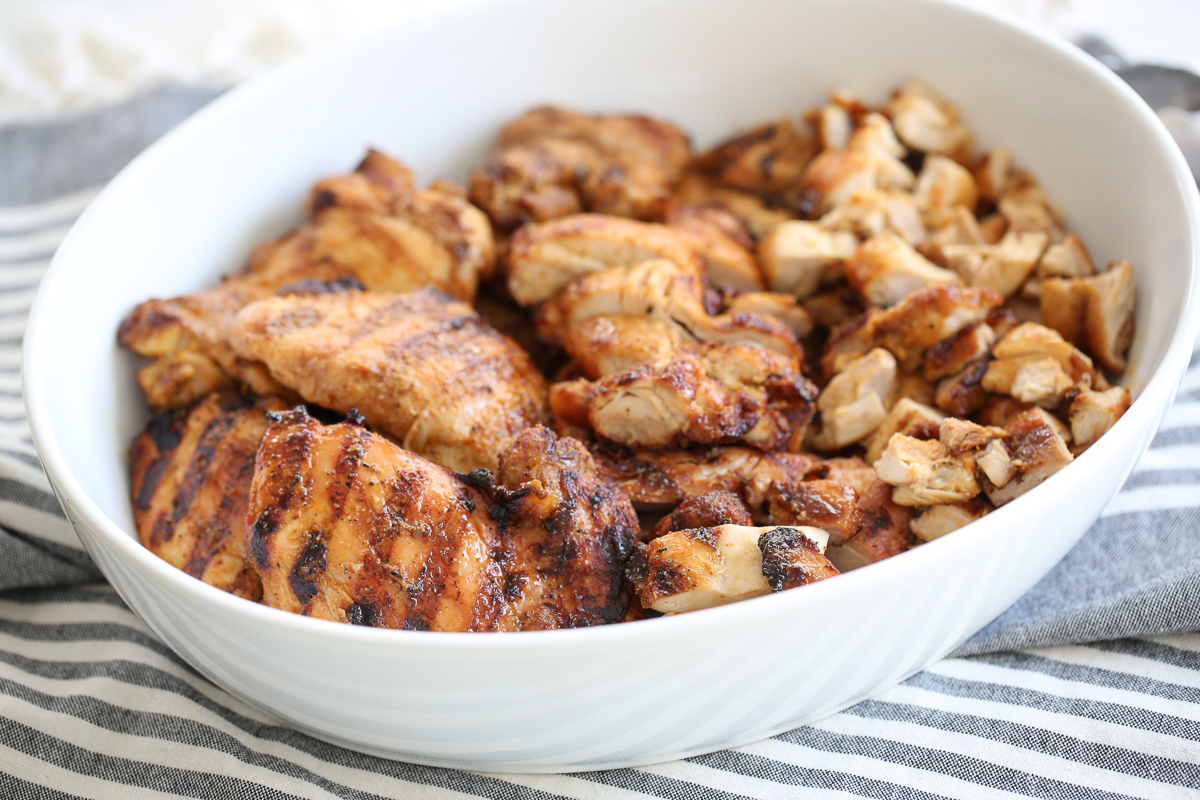
Credit: ourbestbites.com
Preventing Food Waste
Preventing food waste saves money and helps the environment. Proper handling of grilled chicken ensures you use every bite safely. Small habits in the kitchen make a big difference in reducing waste. Focus on smart cooking and storage to enjoy your meals longer.
Portion Control Tips
Cook only what you need for each meal. Use smaller plates to avoid piling up food. Share large servings among family or friends. Freeze extra portions in single servings for later use. This way, you reduce leftovers and waste.
Creative Leftover Recipes
Turn grilled chicken leftovers into new meals. Chop chicken for salads or sandwiches. Add pieces to soups or stir-fries for quick dinners. Use shredded chicken in tacos or wraps for variety. Leftovers can taste fresh with simple changes.
Proper Labeling And Dating
Label containers with the date you cooked the chicken. Use clear, easy-to-read labels to avoid confusion. Store food in airtight containers to keep it fresh. Check dates regularly and eat the oldest food first. This helps keep track and reduces spoilage.
Frequently Asked Questions
How Long Does Grilled Chicken Last In The Fridge?
Grilled chicken lasts 3 to 4 days in the refrigerator. Keep it in an airtight container to maintain freshness and prevent bacteria growth. Always check for off smells or slimy texture before eating.
Can You Freeze Grilled Chicken For Later Use?
Yes, you can freeze grilled chicken for up to 4 months. Wrap it tightly in foil or place it in a freezer-safe container. Thaw it in the fridge before reheating to ensure safety and quality.
Is It Safe To Eat Grilled Chicken Left Out Overnight?
No, grilled chicken left out at room temperature for more than 2 hours is unsafe. Bacteria grow rapidly at room temperature, increasing the risk of food poisoning. Always refrigerate leftovers promptly.
How To Tell If Grilled Chicken Has Gone Bad?
Spoiled grilled chicken smells sour or rancid and feels slimy. Its color may change to gray or greenish. If you notice any of these signs, discard the chicken immediately to avoid illness.
Conclusion
Grilled chicken stays fresh for 3 to 4 days in the fridge. Keep it in a sealed container to avoid spoilage. Always check for strange smells or slimy texture before eating. Eating old chicken can cause stomach problems. When frozen, grilled chicken lasts up to 4 months.
Proper storage helps keep your food safe and tasty. Remember, better safe than sorry with leftovers. Enjoy your grilled chicken while it’s still good!