
Are you tired of throwing away food scraps every day? What if you could turn that waste into something valuable for your garden and the environment?
Composting food waste is easier than you think, and it can save you money while reducing your carbon footprint. You’ll discover simple steps to start composting right away. By the end, you’ll feel confident transforming your kitchen scraps into rich, healthy soil.
Ready to make a change that benefits you and the planet? Keep reading!

Credit: berkeleyca.gov
Benefits Of Composting
Composting food waste reduces trash and creates rich soil for gardening. It helps cut pollution and saves money on fertilizers. Small kitchen scraps can turn into valuable nutrients for plants.
Composting food waste is not just a trend; it’s a practical step towards a sustainable lifestyle. By turning your kitchen scraps into nutrient-rich compost, you contribute positively to the environment in multiple ways. Let’s explore some key benefits of composting that can transform your perspective on waste.
Reducing Landfill Waste
Every time you throw away food scraps, they end up in landfills, contributing to mountains of waste. Composting helps you significantly cut down on this waste. Imagine if everyone did this—how much smaller would our landfills be? By composting, you are doing your part to reduce the burden on landfills. It’s a simple action with a massive impact. Plus, you’re making use of waste that would otherwise just sit and rot.
Enriching Soil Naturally
Composting creates a rich, natural fertilizer that enhances soil quality. Have you ever noticed how healthy your garden looks after adding compost? That’s because compost improves soil structure, making it more fertile. Instead of buying chemical fertilizers, you can make your own right at home. This not only saves you money but also promotes a healthier garden ecosystem. Your plants will thank you for the nutrient boost.
Lowering Carbon Footprint
When food waste decomposes in landfills, it produces methane, a potent greenhouse gas. Composting at home reduces methane emissions. This is a simple way you can lower your carbon footprint. Think about it: by composting, you’re turning what could be harmful into something beneficial. You’re actively participating in the fight against climate change. Isn’t it empowering to know that your small actions can make a difference? By embracing composting, you contribute to a healthier planet and a more sustainable future. Have you started your composting journey yet?
Choosing A Composting Method
Choosing the right composting method can make all the difference in how effectively you turn your food waste into nutrient-rich soil. Your choice depends on the space you have, the time you want to spend, and the type of waste you produce. Each method has its own perks and challenges, so understanding them helps you pick what fits your lifestyle best.
Backyard Composting
Backyard composting is perfect if you have some outdoor space and don’t mind a bit of manual work. You create a pile or use a bin to mix food scraps with yard waste like leaves and grass clippings. It’s a natural process but requires you to turn the pile regularly to keep air flowing and speed up decomposition.
One thing I learned is that balancing “greens” (wet, nitrogen-rich scraps) and “browns” (dry, carbon-rich materials) is key. Too many greens and your compost smells; too many browns and it slows down. Have you tried tossing in some shredded newspaper or cardboard to keep that balance?
Vermicomposting With Worms
If you want composting indoors or on a smaller scale, vermicomposting is a neat option. You use special worms that eat your food waste and turn it into rich compost. It’s faster and less smelly than a backyard pile, making it great for apartments or places without a yard.
Worm bins need a bit of care—like keeping the bedding moist and feeding the worms the right scraps (no citrus or onions). I found that adding crushed eggshells helps keep the pH balanced and provides extra nutrients. Could vermicomposting be your way to compost without stepping outside?
Using A Compost Tumbler
A compost tumbler is a drum you can rotate to mix your scraps easily. This method speeds up composting because turning happens with a simple spin instead of shoveling. Tumblers keep critters away and are cleaner, which is ideal if you want convenience without the mess.
They work best if you add a mix of food scraps and dry materials and turn the drum every few days. I noticed that tumblers can dry out quickly, so adding water now and then keeps the process steady. Would a compost tumbler fit your schedule and space constraints?
Community Composting Options
Community composting gives you a way to compost even if you don’t have room or time at home. Many cities and neighborhoods have drop-off points or programs where you can bring your food waste. This builds local connections and supports larger-scale composting efforts.
Some programs also offer workshops or pick-up services, making it easy to get involved. I’ve found that participating in community composting not only reduces my waste but also connects me with like-minded neighbors. Have you checked if your area offers community composting?
Materials To Compost
Knowing what materials to compost is key to turning your food waste into rich, useful soil. Not all scraps are created equal, and choosing the right ones helps speed up decomposition and avoid bad odors. Let’s look at what you should add, what to skip, and how to keep a good balance.
Food Scraps To Include
You can add many common kitchen scraps to your compost pile. Fruit and vegetable peels, cores, and leftovers break down quickly and provide valuable nutrients. Coffee grounds and tea bags are also excellent additions that boost nitrogen content.
- Vegetable peels and trimmings
- Fruit scraps and peels
- Used coffee grounds and tea leaves
- Eggshells, crushed for better breakdown
- Stale bread and grains
- Nut shells (except for walnut shells, which can be toxic to some plants)
Adding these scraps regularly keeps your compost pile active and healthy. Have you noticed how quickly banana peels disappear in your compost?
Materials To Avoid
Not every kitchen scrap belongs in your compost. Some materials attract pests or slow down decomposition. Meat, dairy, and oily foods can cause smells and invite unwanted animals.
- Meat and fish scraps
- Dairy products like cheese and butter
- Oily or greasy leftovers
- Pet waste, which can carry harmful bacteria
- Diseased or chemically treated plants
- Large branches or wood chunks that take too long to break down
Keeping these out prevents problems. Have you ever had a compost pile disturbed by rodents? Avoiding these materials is the simplest way to stop that.
Balancing Greens And Browns
Your compost needs a balance between “greens” (wet, nitrogen-rich materials) and “browns” (dry, carbon-rich materials). Greens include most food scraps and fresh grass clippings. Browns are dry leaves, shredded paper, and cardboard.
| Greens (Nitrogen-rich) | Browns (Carbon-rich) |
|---|---|
| Fruit and vegetable scraps | Dry leaves |
| Coffee grounds | Shredded newspaper |
| Fresh grass clippings | Cardboard pieces |
Too many greens create a smelly, soggy pile. Too many browns slow the process. A good rule is to add roughly three parts browns to one part greens. What mix are you using now, and could adjusting it speed up your compost?
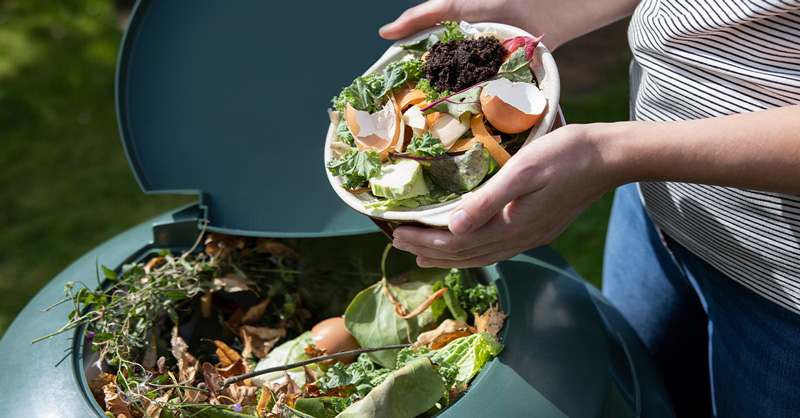
Credit: ospe.on.ca
Setting Up Your Compost Bin
Setting up your compost bin correctly is essential to turn your food waste into rich, usable compost efficiently. A well-prepared bin speeds up decomposition and keeps unpleasant odors away. Let’s walk through the key steps to create a compost bin that works for you and your garden.
Selecting The Right Location
Choose a spot that is easily accessible so you can add scraps regularly without hassle. It should have good drainage to prevent waterlogging, which can slow down the composting process. A shaded area helps maintain a steady temperature, avoiding extreme heat that could kill beneficial microbes.
Think about convenience—how often will you add food waste? Placing the bin near your kitchen or garden saves time and encourages consistent use. Have you noticed how a bin tucked away in a hidden corner often gets ignored?
Preparing The Bin
Start with a bin that allows airflow, such as one with holes or slats. Air circulation is vital to keep the compost healthy and prevent bad smells. You can use a commercial compost bin or build one yourself from wood pallets or wire mesh.
Line the bottom with coarse materials like twigs or straw to improve drainage and airflow. This base layer supports the breakdown process by preventing compaction. Don’t forget to position the bin directly on the soil—this lets worms and microbes enter easily.
Layering Techniques
Build your compost in layers to balance moisture, air, and nutrients. Start with a layer of brown materials like dry leaves or shredded paper. Then add a layer of green materials such as vegetable scraps or coffee grounds.
Repeat this layering, keeping the ratio roughly three parts brown to one part green. This mix provides carbon and nitrogen, which microbes need to thrive. After each addition, turn the pile gently to introduce oxygen, speeding up decomposition.
Have you tried mixing in garden clippings or eggshells for extra nutrients? Small additions like these can make a noticeable difference in compost quality.
Maintaining Your Compost
Maintaining your compost is essential for turning food waste into rich, nutrient-packed soil. It requires regular attention but doesn’t have to be time-consuming. With a few simple habits, you can keep your compost healthy and productive.
Turning And Aeration
Turning your compost introduces oxygen, which is vital for the microbes that break down food scraps. Use a garden fork or compost aerator to mix the pile every week or two. This helps prevent odor and speeds up decomposition.
Have you noticed your compost pile looks compacted or smells bad? That’s often a sign it needs more air. Don’t let your pile become a smelly mess—turning it regularly keeps it fresh and active.
Moisture Control
Your compost should feel like a damp sponge—moist but not soggy. If it’s too dry, decomposition slows down. Spray water or add wet scraps like fruit peels to bring moisture back.
If the pile is too wet, it can turn slimy and smell rotten. Add dry materials such as shredded paper, dry leaves, or cardboard to soak up excess water. Balancing moisture keeps the microbes happy and working efficiently.
Troubleshooting Common Issues
Sometimes, compost piles develop problems, but most can be fixed easily. If your compost smells bad, it usually means it’s too wet or lacks oxygen. Turning the pile and adding dry materials often solves this.
If your compost isn’t heating up, try adding more green materials like vegetable scraps or coffee grounds. A cold pile means the microbes need more food or better aeration. What’s one issue you’ve faced with your compost, and how did you solve it?

Credit: purevergreen.com
Harvesting Finished Compost
Harvesting finished compost is an exciting moment in your composting journey. It means your food waste has transformed into nutrient-rich soil that can boost your garden’s health. Knowing when and how to harvest this black gold ensures you get the most out of your efforts.
Signs Compost Is Ready
How can you tell if your compost is ready to use? Look for these clear signs:
- Dark, crumbly texture:Finished compost resembles rich, dark soil and breaks apart easily in your hands.
- Earthy smell:It should smell fresh and earthy, not sour or rotten.
- No recognizable food scraps:You won’t see bits of fruits or vegetables anymore; everything has broken down.
- Temperature drop:The compost pile cools down, indicating that decomposition has slowed significantly.
If you notice any heat or foul odors, your compost needs more time or better aeration. Patience pays off here.
How To Use Compost In Your Garden
Once your compost is ready, it’s time to give your plants a nutrient boost. Here are practical ways to use it:
- Mix with garden soil:Add a layer of finished compost to your garden beds before planting to improve soil texture and fertility.
- Top dressing for plants:Sprinkle compost around the base of existing plants to provide slow-release nutrients.
- Potting mix enhancer:Blend compost with potting soil for healthier container plants.
- Mulch alternative:Use compost as mulch to retain moisture and suppress weeds.
Think about your garden’s needs—are your plants hungry for nutrients, or does your soil need better water retention? Tailor your compost use accordingly to see real growth.
Tips For Successful Composting
Composting food waste can be a rewarding way to reduce your environmental impact and enrich your garden soil. However, to keep your compost pile healthy and efficient, certain practices are essential. These tips will help you avoid common pitfalls and make your composting experience both pleasant and productive.
Avoiding Odors
Bad smells usually mean your compost pile is too wet or lacks enough air. To prevent odors, make sure to balance your greens (wet food scraps) with enough browns (dry leaves, paper, or cardboard). Turn your compost regularly to let air circulate and speed up decomposition.
If you notice a strong smell, add more dry materials and mix the pile well. Have you tried tossing in some crushed eggshells? They can help absorb excess moisture and reduce smell.
Keeping Pests Away
Food scraps can attract unwanted visitors like rodents and flies. To keep pests away, bury your food waste under a layer of browns every time you add new scraps. Using a sealed compost bin or tumbler can also create a barrier against critters.
Avoid adding meat, dairy, or oily foods as they tend to attract pests more than vegetable scraps. Do you have a pet? Make sure their food doesn’t end up in the compost to prevent inviting pests.
Speeding Up The Process
Want your compost ready faster? Chop or shred food scraps into smaller pieces before adding them. This increases the surface area and helps microbes break down materials quickly.
Keep your compost moist, like a wrung-out sponge, and turn it every few days to provide oxygen. Adding a bit of finished compost or garden soil introduces helpful microbes that boost decomposition.
Frequently Asked Questions
What Food Waste Can I Compost At Home?
You can compost fruit scraps, vegetable peels, coffee grounds, eggshells, and small amounts of bread. Avoid meat, dairy, and oily foods as they attract pests and slow decomposition.
How Long Does Food Waste Take To Compost?
Food waste typically takes 2 to 6 months to fully decompose in a compost bin. Regular turning and proper moisture speed up the process.
Can I Compost Cooked Food Waste Safely?
Composted cooked food waste can be safe if added in small amounts. Avoid greasy or heavily seasoned leftovers to prevent pests and odors.
What Is The Best Way To Start Composting Food Waste?
Start by collecting food scraps in a bin, add brown materials like leaves, and turn regularly. Maintain moisture for faster decomposition.
Conclusion
Composting food waste helps reduce trash and enrich soil. It saves space in landfills and cuts greenhouse gases. Anyone can start with simple kitchen scraps and garden waste. Keep your compost moist and turn it often for best results. Over time, you’ll see rich, dark soil ready for plants.
Small efforts make a big difference for the earth. Try composting today and watch nature work its magic.