
Are you wondering if you can reuse LED light strips and save money on your next lighting project? You’re not alone.
Many people ask this question when they want to brighten up a new space without buying new strips every time. The good news is, reusing LED light strips is often possible—but there are some important things you need to know first.
Keep reading to discover how you can make the most of your LED strips, avoid common mistakes, and get the best results for your home or office. Don’t miss out on these simple tips that could light up your space and your savings!

Credit: www.elstarled.com
Benefits Of Reusing Led Light Strips
Reusing LED light strips saves money and reduces waste. It also helps protect the environment by cutting down on discarded electronics. Using them again keeps your space bright without extra cost.
Reusing LED light strips can be a brilliant move for both your wallet and the planet. These versatile lighting options can easily be repurposed, offering numerous advantages that make them worth holding onto. Whether you’re a DIY enthusiast or simply looking to make a smart choice, exploring the benefits of reusing LED light strips can be a game-changer.
Cost Savings
Reusing LED light strips means you can save money by avoiding the purchase of new lighting solutions. Think about the costs associated with constantly buying new lights for different occasions or home decor updates. By reusing, you cut down on these expenses and can allocate those funds elsewhere. You might already have LED strips from a previous project lying around. Why not give them a second life and keep your budget in check?
Environmental Impact
Every time you reuse an LED light strip, you contribute to reducing electronic waste. This small action can make a difference in lessening the burden on landfills. LED lights are made from materials that can take years to decompose. By reusing them, you’re playing a part in minimizing environmental harm and promoting sustainability.
Customization Opportunities
Reusing LED light strips allows you to get creative and customize your space in unique ways. With various colors and settings, you can tailor the ambiance to fit any mood or theme. Imagine transforming your bedroom into a tranquil retreat or setting the perfect party atmosphere with lights you already own. The possibilities are endless and only limited by your imagination. Have you ever thought about how repurposing items could unleash your creativity while saving money and helping the planet? Reusing LED light strips might be the perfect starting point for you to explore these benefits firsthand.
Credit: www.elstarled.com
Types Of Led Light Strips Suitable For Reuse
Knowing which types of LED light strips can be reused saves you money and reduces waste. Not all LED strips are built the same, so understanding their designs helps you decide if they’re worth taking down and reinstalling somewhere else. Let’s look at the main types that hold up well to reuse and what makes them user-friendly for multiple installations.
Adhesive-backed Strips
These LED strips come with a sticky layer on the back, making them easy to install. However, their adhesive often loses strength when you peel them off, which can make reapplying tricky.
You can still reuse adhesive-backed strips if you replace the adhesive or use mounting clips. If you’ve ever tried re-sticking one, you know the strip might not stay flush, which affects the lighting effect.
Think about whether you’re willing to invest in extra adhesive tapes or mounting tools to keep these strips secure after removal.
Modular Led Strips
Modular LED strips are designed with segments that can be cut and reconnected. This makes them highly flexible for reuse and customization.
Because they often have connectors or solder points, you can remove a section, move it, and reconnect it without damaging the rest of the strip.
If you want to change lighting setups frequently, modular strips offer a practical solution that saves you from buying new ones every time.
Waterproof Vs Non-waterproof
Waterproof LED strips are coated with a protective layer, often silicone or epoxy. This layer makes them tougher but sometimes harder to peel off cleanly.
Non-waterproof strips are easier to handle when removing and reusing, but they’re less durable in outdoor or moist environments.
Consider your environment carefully. Are you planning to reuse strips indoors or outdoors? The extra protection of waterproof strips might be worth the challenge of removal.
How To Remove Led Light Strips Safely
Removing LED light strips without damaging them can be tricky, but it’s essential if you want to reuse them. The key is to be patient and gentle throughout the process. Rushing can tear the strip or ruin the adhesive, making reuse difficult.
Tools Needed
- A plastic scraper or old credit card to gently lift edges
- Isopropyl alcohol or adhesive remover to clean sticky residue
- A soft cloth or microfiber towel for wiping surfaces
- Optional: Hairdryer to warm the adhesive and make removal easier
Step-by-step Removal
Start by unplugging the LED strip and ensuring it’s cool to the touch. Use the plastic scraper or credit card to slowly lift one corner of the strip without bending it sharply.
If the adhesive feels stubborn, warm it gently with a hairdryer from a few inches away. This softens the glue and reduces the risk of damage.
Peel the strip back slowly at a low angle, keeping it as flat as possible. Avoid pulling straight up, which can stretch or break the strip.
Avoiding Damage
Don’t rush the removal; patience protects the LEDs and circuitry. Avoid metal tools that can scratch or cut the strip.
Keep the strip flat during removal to prevent cracking the flexible circuit board. After removal, clean off any leftover adhesive carefully using isopropyl alcohol.
Have you noticed how a slow, steady approach preserves the strip’s functionality far better than quick yanks? This small effort can save you money by extending the life of your LED strips for future projects.

Credit: www.youtube.com
Preparing Led Strips For Reuse
Preparing LED strips for reuse requires careful attention to ensure they work well again. Proper preparation helps extend their life and saves money. This process involves cleaning, inspecting for damage, and testing functionality. Each step ensures the strips remain safe and effective for future use.
Cleaning The Strips
Remove dust and dirt from the LED strips gently. Use a soft, dry cloth or a lightly dampened one with water. Avoid harsh chemicals that can damage the strip’s surface. Clean the adhesive side carefully to keep it sticky for reattachment. Let the strips dry completely before handling further.
Checking For Damage
Inspect the LED strips closely for any visible damage. Look for broken sections, cracks, or missing components. Check the solder joints and connectors for wear or corrosion. Damaged areas can cause malfunction or short circuits. Cut out any bad parts if possible to save the rest of the strip.
Testing Functionality
Plug the LED strips into a power source to test their lights. Watch for uneven brightness or flickering, signs of problems. Test all sections if the strip is cuttable. Use a multimeter to check continuity if you have one. Only reuse strips that light up evenly and steadily.
Best Practices For Reinstalling Led Light Strips
Reinstalling LED light strips properly ensures they stick well and work perfectly. Following best practices helps avoid loose strips or poor lighting. Clean surfaces, strong adhesive, and secure connections keep the setup stable and bright.
Surface Preparation
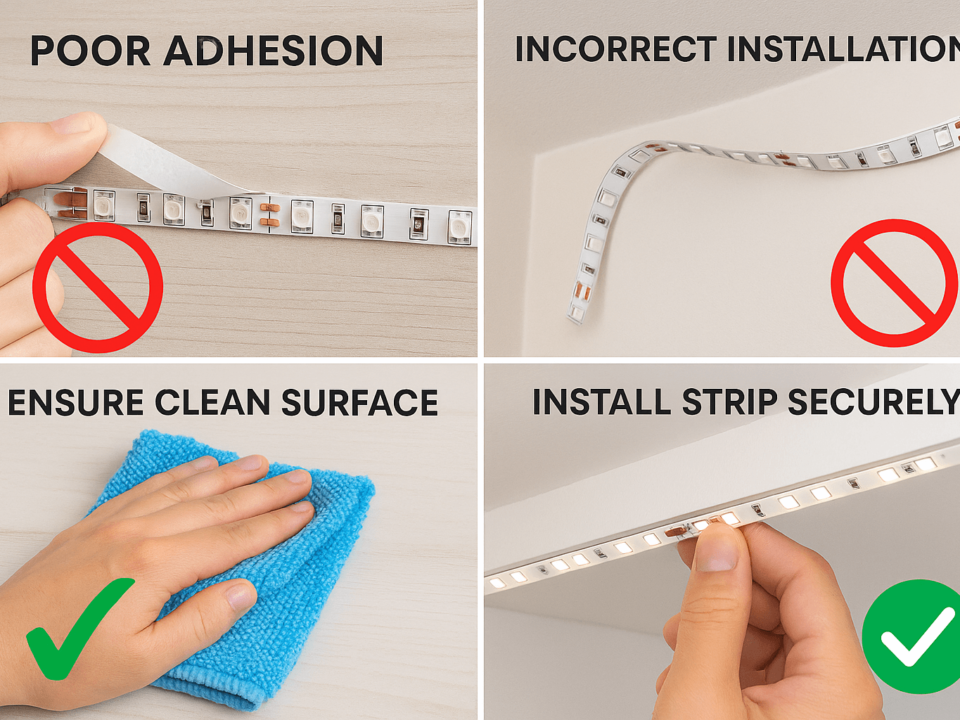
Clean the surface thoroughly before placing LED strips. Remove dust, dirt, and grease with rubbing alcohol. Let the area dry completely to improve adhesion. Smooth surfaces like glass or metal work best. Avoid textured or rough surfaces as they weaken the bond.
Reapplying Adhesive
Old adhesive loses stickiness after removal. Use new double-sided tape or glue designed for LED strips. Cut adhesive strips to fit the LED length. Press firmly to attach the adhesive to the strip. This step prevents the strip from falling off later.
Securing Connections
Check all electrical connections before reinstalling. Use solder or connectors to ensure strong joints. Cover exposed wires with heat shrink tubing or electrical tape. Proper connections prevent flickering or power loss. Secure wires to avoid stress on the strip.
Common Challenges And Solutions
Reusing LED light strips can be a smart and eco-friendly choice, but it often comes with a few hurdles. Understanding the common challenges you might face helps you prepare and fix issues quickly. Let’s look at some typical problems and how you can solve them effectively.
Adhesive Loss
One of the first issues you’ll notice when reusing LED light strips is the loss of adhesive strength. After peeling off the strip, the sticky backing often becomes less effective, making it hard to stick the lights securely.
You can solve this by cleaning the surface where you want to reapply the strip, ensuring it’s dry and free of dust. Try using double-sided tape or mounting clips to provide extra support. Have you ever tried gently heating the adhesive with a hairdryer? It can sometimes reactivate the stickiness.
Electrical Issues
Electrical problems can arise, especially if the strip was cut or handled roughly during removal. Loose connections or damaged circuits can cause parts of the strip not to light up.
Check all connectors carefully and test the strip before installation. If you spot damaged sections, you can usually cut them out and reconnect the strips using solder or special clip connectors. Do you keep spare connectors handy? They can save a lot of frustration.
Compatibility With New Setups
When placing reused LED strips in a new setup, compatibility is a key concern. The voltage, controller type, and connector style of the old strip might not match your new system.
Always verify the specifications of both your old strips and new hardware before connecting them. Adapters or converters might be necessary to ensure everything works smoothly. Have you tested your strip with a multimeter to check voltage and polarity? It’s a simple step that can prevent damage.
Creative Ways To Repurpose Old Led Strips
Old LED light strips don’t have to gather dust once you’ve replaced or upgraded them. They can bring new life to your space in unexpected ways. Repurposing these strips can add both function and style to your home while saving money and reducing waste.
Home Decor Projects
You can easily brighten up shelves, picture frames, or even plant pots with LED strips. Try sticking a strip behind your TV or under kitchen cabinets to create soft, ambient lighting. This subtle glow adds warmth and depth without needing extra lamps.
Have you thought about outlining mirrors or artwork? The LED strips highlight these pieces, turning them into focal points. It’s a simple touch that makes your room feel fresh and inviting.
Diy Lighting Ideas
Old LED strips work great for custom lighting projects. Use them inside clear jars or bottles for unique night lights. You can also weave them into fabric for wearable tech or fun costume lighting.
Why not create a backlight for your computer monitor or gaming setup? This reduces eye strain and adds a cool vibe. The flexibility of the strips means you can fit them into tight spaces or curve them around corners with ease.
Gifts And Crafts
LED strips make creative gifts that stand out. Attach short pieces to handmade cards for a glowing surprise. You can also craft illuminated photo frames or decorative boxes that light up.
Thinking about party favors? Small LED strip sections add excitement to decorations or wearable badges. These ideas show how you can make thoughtful, personalized gifts without spending a lot.
Tips To Extend Led Strip Lifespan
Extending the lifespan of your LED light strips is more than just a cost-saving move; it’s about getting the most out of your investment and maintaining consistent lighting quality. Small habits and careful attention can make a big difference in how long your LED strips shine brightly. Let’s look at some practical tips that can help you keep your LED strips running smoothly for years.
Proper Handling
LED strips are delicate electronic devices, so handling them with care is crucial. Avoid bending the strips sharply or pulling on the wires, as this can damage the internal circuitry. When installing or removing strips, use gentle pressure and support the strip evenly to prevent breaking the adhesive backing or severing the light connections.
Have you noticed how a small tear in the strip can ruin the entire section? That’s why handling them with clean, dry hands and storing them properly when not in use is key. Keeping the strips free from dust and dirt during installation also helps maintain good contact and performance.
Avoiding Overheating
Heat is one of the biggest enemies of LED strips. Too much heat can cause the LEDs to dim or fail prematurely. Ensure your strips have enough ventilation and avoid placing them in enclosed spaces without airflow.
Consider using aluminum channels or heat sinks designed for LED strips to dissipate heat effectively. If your strips are powering many LEDs or running for long hours, you might want to check the temperature regularly. Have you ever felt the strip getting warm to the touch? That’s a sign to take action before damage occurs.
Regular Maintenance
Keeping your LED strips clean and well-maintained prevents performance issues. Dust and grime can block light output and cause overheating. Wipe your strips gently with a dry cloth every few months, especially if they’re in dusty or humid environments.
Check for loose connections or damaged sections regularly. Early detection of wear can save you from costly replacements. Are you scheduling maintenance checks as part of your routine? Making it a habit can ensure your lighting stays bright and reliable without unexpected failures.
Frequently Asked Questions
Can Led Light Strips Be Reused After Removal?
Yes, LED light strips can be reused if removed carefully. Avoid damaging the adhesive backing and connectors for best results.
How Many Times Can You Reuse Led Light Strips?
Typically, LED strips can be reused 2-3 times. However, repeated removal may reduce adhesive strength and lighting efficiency.
Do Reused Led Strips Lose Brightness?
Reused LED strips may show slight brightness loss. This depends on strip quality and handling during removal and reinstallation.
What Is The Best Way To Remove Led Strips Safely?
Peel LED strips slowly and gently at a low angle. Use heat or a plastic tool to prevent damage to the strip.
Conclusion
Reusing LED light strips saves money and reduces waste. They are easy to remove and install again. Make sure the adhesive still sticks well. Cut strips carefully to keep them working. Check for any damage before reuse. Proper handling helps strips last longer.
Reusing LED strips suits many home projects. It offers a smart and eco-friendly lighting option. Try reusing them to brighten your space again.