
Are your laminate kitchen cabinets looking dull or sticky? Choosing the right cleaner can make all the difference in keeping them shiny and fresh without causing damage.
You want a product that works quickly, is safe for your cabinets, and leaves no residue behind. But with so many options out there, how do you pick the best one? You’ll discover the top products that make cleaning your laminate cabinets easy and effective.
Keep reading to find the perfect solution that fits your needs and brings your kitchen back to life.

Credit: www.amazon.com
Types Of Laminate Cabinets
Understanding the types of laminate cabinets in your kitchen can help you choose the best cleaning products. Laminate cabinets vary in materials and surface finishes, both of which affect how you maintain their look and durability. Knowing these differences makes your cleaning routine more effective and keeps your kitchen cabinets looking fresh longer.
Common Materials Used
Laminate cabinets usually have a core made from particleboard, MDF (medium-density fiberboard), or plywood. Each core material responds differently to moisture and cleaning agents. Particleboard is more affordable but can swell if exposed to water, while plywood is stronger and more resistant.
The outer layer is a thin sheet of plastic laminate, which is glued to the core. Some laminates are made from melamine or thermally fused laminate (TFL), both of which provide a hard, durable surface. Knowing your cabinet’s core and laminate type helps you avoid harsh cleaners that might damage the material.
Surface Finishes And Textures
Laminate cabinets come with various surface finishes like glossy, matte, textured, or woodgrain. Glossy finishes reflect light and can show smudges and fingerprints easily, requiring gentle cleaning to avoid scratches. Matte finishes hide marks better but may need special cleaners to avoid streaks.
Textured laminates mimic wood or other natural materials and can trap dirt in grooves. Using a soft brush or cloth can help clean these surfaces without causing damage. Have you noticed how some cleaning products leave a residue on glossy or textured surfaces? Choosing the right product can prevent that buildup and keep your cabinets spotless.
Challenges In Cleaning Laminate
Cleaning laminate kitchen cabinets poses unique challenges. Their smooth surface can hide dirt but also traps stains easily. The delicate finish demands careful cleaning choices. Using the wrong product may cause damage or dullness. Understanding these challenges helps pick the best cleaning approach.
Stain Types And Causes
Laminate cabinets face various stains from daily kitchen use. Grease splatters come from cooking oils and butter. Water spots form from spills or steam exposure. Food stains, like tomato sauce or coffee, leave marks quickly. Dust and dirt build up in corners and edges. Each stain type needs a specific cleaning method to remove it effectively.
Risks Of Harsh Cleaners
Strong chemicals can harm laminate surfaces. Abrasive cleaners cause scratches and dull finish. Bleach and ammonia-based products may discolor the laminate. Harsh scrubbing pads leave permanent marks. Overuse of harsh cleaners breaks down the protective layer. Choosing gentle, safe cleaners prevents damage and keeps cabinets looking new.
Key Features Of Effective Cleaners
Effective cleaners for laminate cabinets remove dirt without damaging the surface. They are gentle, non-abrasive, and leave no sticky residue. Choosing a product with these features keeps cabinets looking fresh and lasting longer.
Cleaning laminate kitchen cabinets requires special care. Effective cleaners must protect and preserve cabinet surfaces. Choosing the right cleaner can make a big difference. Here are key features to consider.
Non-abrasive Formulas
Non-abrasive cleaners are essential for laminate cabinets. These formulas prevent scratches and damage. They maintain the smooth look of your cabinets. Non-abrasive options are gentle yet effective. They remove dirt without harming surfaces.
Safe For Finishes
Cleaners should be safe for cabinet finishes. Some formulas can strip away protective layers. Safe cleaners preserve the original finish. This keeps cabinets looking fresh and new. Always check labels for finish compatibility.
Eco-friendly Options
Eco-friendly cleaners are better for the environment. They contain natural ingredients. These options are free from harsh chemicals. Eco-friendly cleaners are safe for homes with pets and children. They clean effectively without harming the planet.
Top Cleaning Products Reviewed
Choosing the right product to clean your laminate kitchen cabinets can make a big difference in maintaining their shine and durability. The market offers a variety of options, each with unique benefits depending on your cleaning needs. Let’s review some top cleaning products to help you decide what works best for your kitchen.
All-purpose Cleaners
All-purpose cleaners are popular because they handle a range of surfaces, including laminate cabinets. They are convenient and usually affordable, saving you time and effort. Look for products that are gentle and non-abrasive to avoid damaging the laminate finish.
- Mrs. Meyer’s Clean Day Multi-Surface Cleaner:This cleaner uses plant-based ingredients and leaves a fresh scent without harsh chemicals.
- Method All-Purpose Cleaner:Known for its biodegradable formula, it effectively removes grease and grime from cabinets.
- Simple Green All-Purpose Cleaner:A versatile option that works well on laminate without leaving residue.
Have you tried any all-purpose cleaner that surprised you with its effectiveness on your cabinets?
Specialized Laminate Cleaners
Specialized laminate cleaners are formulated specifically for laminate surfaces. They often include ingredients that protect and restore the cabinet’s finish while cleaning. These products can be a bit pricier but might save you money by extending the life of your cabinets.
- Rejuvenate Laminate Floor Cleaner:Although designed for floors, it works wonders on cabinets, removing tough stains without dulling the surface.
- Weiman Laminate Cleaner and Polish:This product cleans, shines, and protects laminate surfaces, leaving a streak-free finish.
- Guardsman Laminate Countertop Cleaner:A trusted brand that provides gentle but effective cleaning for cabinets.
Would you consider spending a little more for a product that specifically targets laminate care?
Diy Cleaning Solutions
Many people prefer making their own cleaning solutions at home. DIY options use simple ingredients like vinegar, baking soda, and mild dish soap. These solutions are budget-friendly and avoid harsh chemicals, but you need to be careful with the mixture to prevent damage.
- Vinegar and Water Mix:Dilute white vinegar with water (usually one part vinegar to three parts water) for a natural cleaner that cuts grease.
- Baking Soda Paste:Combine baking soda with water to form a paste that gently scrubs away stains without scratching.
- Mild Dish Soap Solution:A few drops of dish soap in warm water can effectively clean grime and fingerprints.
Have you experimented with any DIY cleaners on your cabinets, and what results did you notice?
Tips For Maintaining Laminate Cabinets
Maintaining laminate kitchen cabinets is easier than you might think, but it requires consistent care. Keeping them clean and protected extends their life and keeps your kitchen looking fresh. Here are practical tips that help you keep your laminate cabinets in top shape without much hassle.
Regular Cleaning Habits
Start with wiping your cabinets weekly using a soft cloth dampened with warm water. Avoid soaking the surface; excess moisture can seep into the edges and cause swelling. For sticky spots, mild dish soap mixed with water works well to lift dirt without damaging the laminate.
Think about your last kitchen cleaning—did you miss those little spills or fingerprints? Regularly targeting those spots can prevent buildup and stains. Just a quick wipe-down can save you from scrubbing later.
Avoiding Damage
Never use abrasive cleaners or scrubbers on laminate surfaces. They can scratch or dull the finish. Instead, opt for gentle, non-abrasive products designed for laminate or wood surfaces.
Be cautious with heat and moisture near your cabinets. Placing hot pots directly on the cabinet or letting water puddle can cause permanent damage. Have you ever noticed discoloration near your sink or stove? That’s a clear sign of damage from moisture or heat.
Best Tools To Use
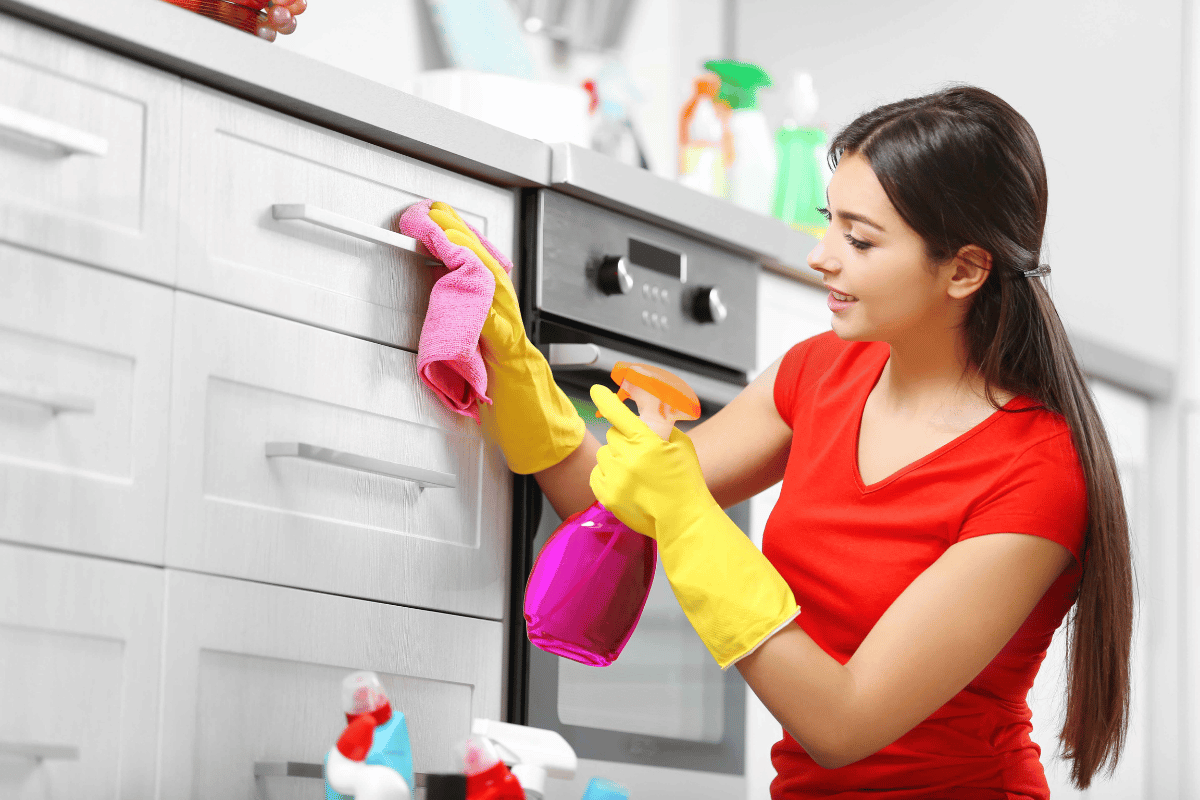
Choose microfiber cloths for cleaning; they trap dirt and dust effectively without scratching. Soft sponges work well for tougher grime but avoid steel wool or rough brushes.
- Spray bottles with mild cleaning solutions help control the amount of liquid applied.
- Use cotton swabs to clean corners and edges where dust accumulates.
- A gentle vacuum with a brush attachment can remove dust before wiping.
What tools do you currently use? Switching to the right ones can make your cleaning routine faster and protect your cabinets better.

Credit: www.amazon.com
Credit: www.cabinetdoors.com
Frequently Asked Questions
What Is The Safest Cleaner For Laminate Cabinets?
The safest cleaner is a mild dish soap mixed with warm water. Avoid abrasive or acidic cleaners to prevent damage. Use a soft cloth for gentle cleaning, preserving the laminate finish and extending cabinet life.
Can Vinegar Clean Laminate Kitchen Cabinets Effectively?
Yes, diluted white vinegar is an effective natural cleaner for laminate cabinets. Mix one part vinegar with three parts water. It removes grease and grime without harsh chemicals, keeping cabinets clean and shiny.
How Often Should Laminate Cabinets Be Cleaned?
Clean laminate cabinets weekly to maintain their appearance. Regular cleaning prevents buildup of dirt and grease. Wipe spills immediately to avoid stains and damage to the laminate surface.
Are Commercial Laminate Cabinet Cleaners Better Than Homemade Solutions?
Commercial cleaners are formulated specifically for laminate and can be more effective on tough stains. However, homemade solutions like soap and vinegar are safe, cost-effective, and eco-friendly for regular cleaning.
Conclusion
Choosing the right cleaner keeps laminate cabinets looking fresh. Gentle, non-abrasive products protect the surface well. Avoid harsh chemicals that can cause damage. Regular cleaning helps maintain the cabinet’s shine and color. A simple mix of mild soap and water often works best.
Remember to dry cabinets after cleaning to prevent moisture harm. Clean cabinets make your kitchen feel bright and tidy. Keep these tips in mind for lasting beauty and easy care.