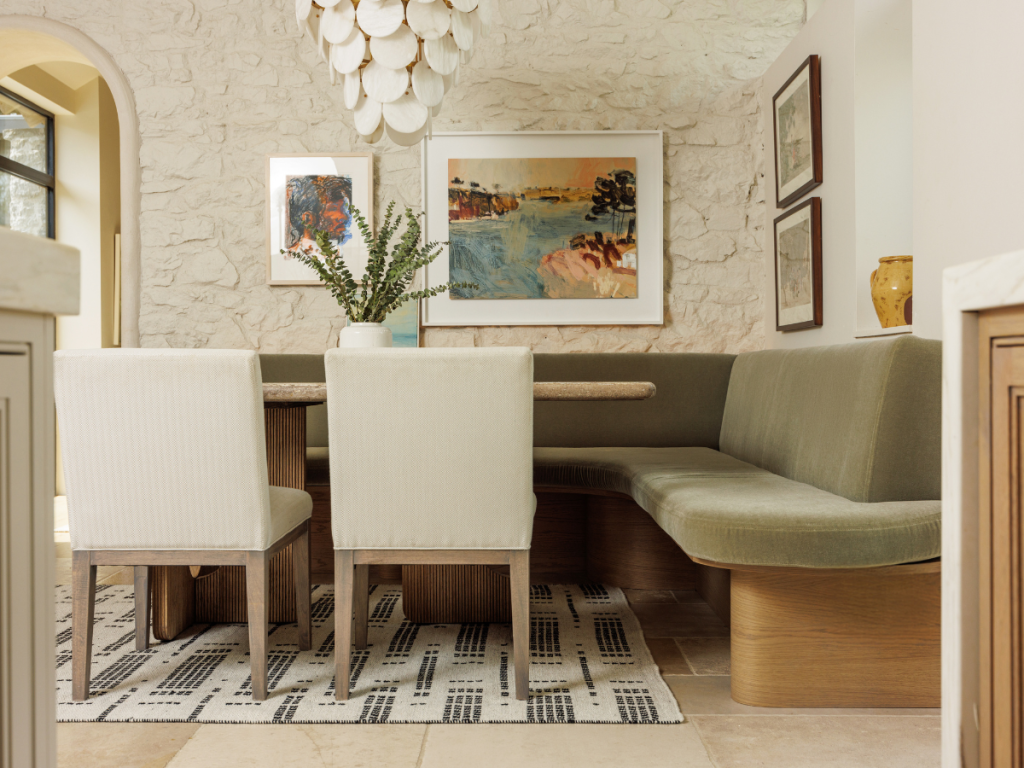
Have you ever wondered if placing a rug under your kitchen table is a good idea? It might seem like a small detail, but the right rug can change the whole look and feel of your kitchen.
Plus, it can add comfort and protect your floor. But is it really worth it? Before you decide, let’s explore the benefits and possible downsides. By the end, you’ll know exactly whether a rug under your kitchen table is the perfect choice for your home.
Keep reading—you might be surprised by what you discover!

Credit: rugs.ie
Benefits Of A Rug Under The Kitchen Table
A rug under the kitchen table adds warmth and comfort to the space. It protects the floor from scratches and spills while defining the dining area. Rugs also reduce noise, making mealtime more pleasant.
A rug under your kitchen table can be a wise choice. It offers several practical benefits that enhance the dining experience. From boosting comfort to protecting your floors, a rug can be an essential addition. Let’s explore these benefits further.
Enhancing Comfort And Warmth
A rug adds a soft layer underfoot. This makes the dining area more inviting. It provides a warm surface, especially in colder months. Standing on a rug is gentler on the feet compared to hard floors. It absorbs noise, reducing echoes in the kitchen.
Adding Style And Color
Rugs come in many styles and colors. They can transform your kitchen’s look effortlessly. A vibrant rug can add a pop of color. Patterns can tie the room’s design elements together. Choose a rug that complements your kitchen decor.
Protecting Your Flooring
A rug guards against scratches and stains. It acts as a barrier between furniture and floors. It prevents chairs from scuffing the surface. Spills are absorbed by the rug, protecting the floor underneath. Regular cleaning keeps the rug and floor in good shape.
Potential Drawbacks To Consider
Adding a rug under your kitchen table can change the room’s look. Still, some drawbacks might affect daily use. These downsides include cleaning, safety, and space issues. Considering these points helps you decide better.
Maintenance And Cleaning Challenges
Rugs in the kitchen catch food crumbs and spills easily. This makes cleaning harder and more frequent. Stains can set in if not cleaned quickly. Rugs may trap odors from cooking. Regular vacuuming and spot cleaning become necessary. Some rugs need professional cleaning, which costs more.
Safety Concerns And Slip Risks
Rugs can shift or bunch up, causing trips or falls. Wet floors under the rug increase slipping chances. Moving chairs might catch on rug edges. Non-slip pads can help but not fully prevent accidents. This risk is higher in homes with kids or elderly.
Space And Size Limitations
Choosing the wrong rug size can crowd the kitchen area. A too-large rug limits chair movement and room flow. Too small, it looks awkward and offers little comfort. Measure space carefully before buying. Rugs should fit well under the table and chairs.
Choosing The Right Rug Material
Choosing the right rug material for your kitchen table area matters. The kitchen sees a lot of foot traffic and spills. Picking a suitable fabric keeps your rug looking fresh and lasting longer. Consider durability, ease of cleaning, and moisture resistance when selecting a rug material.
Durable Options For High Traffic
Rugs in kitchens must handle constant use. Look for materials that resist wear and tear. Wool and synthetic fibers like nylon or polypropylene offer strength and resilience. They hold up against heavy foot traffic and chair movement. These fabrics maintain their shape and color over time.
Easy-to-clean Fabrics
Spills happen often near the kitchen table. Choose rugs that are simple to clean and maintain. Materials like polyester and olefin dry quickly and resist stains. These fabrics allow easy spot cleaning with mild soap and water. Avoid delicate fibers that absorb stains or require special care.
Moisture-resistant Choices
Kitchens can be humid and prone to spills. Rugs made from synthetic fibers repel moisture better than natural ones. Polypropylene and nylon do not absorb water, reducing mold and mildew risk. These rugs dry fast and keep your kitchen fresh and safe.

Credit: rugs.ie
Selecting The Perfect Rug Size
Choosing the right rug size for your kitchen table can change the room’s look. A well-sized rug adds comfort and style while protecting your floor. It also helps define the dining space clearly. This section guides you on picking the perfect rug size for your kitchen table area.
Measuring Your Kitchen Table Area
Start by measuring the length and width of your kitchen table. Use a tape measure for accuracy. Note down the dimensions to compare with rug sizes. Also, measure the floor space around the table. This helps in finding a rug that fits well without crowding the room.
Allowing Space For Chairs
Chairs need space to move back and forth comfortably. Add at least 24 inches of extra rug space beyond the table edges. This keeps chair legs on the rug even when pulled out. It prevents uneven surfaces and protects your floor from scratches.
Balancing Rug And Room Proportions
Choose a rug size that matches the room’s scale. Avoid rugs that are too small or too large. A rug should leave some floor visible around its edges. This balance keeps the room feeling open and neat. Consider the shape of both the rug and table for harmony.
Design Tips For Kitchen Rugs
Choosing the right rug for your kitchen table area can change the whole room’s feel. Rugs add warmth and comfort underfoot. They also protect your floor from spills and scratches. Thoughtful design choices make the rug both beautiful and practical. Here are some tips to help select the best kitchen rug.
Color Coordination With Kitchen Decor
Select colors that blend well with your kitchen’s style. Neutral tones suit modern or minimalist kitchens. Bright colors bring life to simple spaces. Match the rug’s shade to your cabinets, walls, or chairs for harmony. Contrast can work too, highlighting the rug as a focal point. Keep the overall palette balanced to avoid visual clutter.
Patterns That Hide Stains
Busy patterns are excellent at hiding kitchen messes. Small geometric shapes or floral designs mask crumbs and spills. Darker colors show less dirt than light shades. Avoid solid light rugs in high-traffic areas. Patterns also add interest and character to your space. Choose styles that fit your kitchen’s mood and personality.
Layering Rugs For Texture
Layering rugs creates depth and texture under your table. Use a flatweave rug as a base for durability. Add a smaller, softer rug on top for comfort and style. Mix materials like jute and cotton for contrast. Layering breaks the monotony and adds a cozy feel. Keep the layers in proportion to avoid overcrowding the floor.
Maintenance And Care Strategies
Keeping a rug under your kitchen table clean and well-maintained is key to preserving its look and function. Proper care ensures the rug stays fresh, safe, and attractive despite daily use. Understanding simple maintenance steps helps protect your investment and keeps your space inviting.
Regular Cleaning Routines
Vacuum the rug at least twice a week to remove dust and crumbs. Use a vacuum with a brush attachment for deeper cleaning. Shake the rug outside occasionally to dislodge dirt trapped in fibers. Rotate the rug every few months to ensure even wear and fading.
Dealing With Spills And Stains
Blot spills immediately with a clean, dry cloth to prevent stains. Avoid rubbing, which can push the stain deeper into fibers. Use mild soap and water for spot cleaning, testing on a small area first. For tough stains, consider a rug cleaner safe for your rug’s material.
Extending Rug Lifespan
Place a rug pad underneath to reduce slipping and wear. Keep the rug away from direct sunlight to avoid fading. Clean up pet hair regularly to prevent buildup. Address signs of damage early to avoid costly repairs or replacement.
Alternatives To Rugs Under The Kitchen Table
If you’re unsure about placing a rug under your kitchen table, there are several practical alternatives that can protect your floor and enhance your dining area. These options balance style, function, and ease of maintenance. They also give you flexibility depending on your kitchen’s layout and your lifestyle.
Using Mats Or Runners
Mats and runners offer targeted protection without covering the entire floor area under the table. They are easier to clean and move around than large rugs, which is great if you frequently change your kitchen setup or need quick cleanup.
Consider a cushioned mat to add comfort while standing or sitting. Non-slip backing keeps mats in place, reducing the chance of accidents. Would a simple runner along the table’s length fit better in your space than a bulky rug?
Hardwood Or Tile Protection Pads
If you want to keep your bare floor but avoid scratches and dents from chairs, furniture pads are a smart choice. These small, adhesive pads stick under chair legs and table feet to protect hardwood or tile surfaces effectively.
They’re inexpensive and almost invisible, preserving the look of your floor. Have you checked if your current chair pads are worn out? Replacing them might solve floor damage without adding any extra floor covering.
Bare Floor Advantages
Leaving your kitchen floor bare under the table can create a clean and open feel. It also simplifies cleaning, especially if you have a busy household or pets that track in dirt and crumbs.
With bare floors, spills are easier to spot and wipe up immediately, preventing stains. Are you ready to embrace a minimalist look that prioritizes function over decoration in your kitchen?

Credit: anorganizedseason.com
Frequently Asked Questions
Is It Practical To Place A Rug Under A Kitchen Table?
Yes, a rug can add comfort and style under your kitchen table. It also protects your floor from scratches and spills, making cleaning easier.
What Type Of Rug Works Best Under Kitchen Tables?
Choose a durable, stain-resistant rug with a low pile. Materials like polypropylene or indoor-outdoor rugs handle spills and frequent cleaning well.
How To Maintain A Rug Under The Kitchen Table?
Regular vacuuming and quick spot cleaning prevent dirt buildup. Using a rug pad helps keep it in place and protects your floor.
Can A Rug Under The Kitchen Table Improve Room Aesthetics?
Absolutely. A rug adds color, texture, and warmth. It defines the dining area and complements your kitchen décor beautifully.
Conclusion
Choosing to place a rug under your kitchen table depends on your needs. Rugs add warmth and style to the space. They also protect your floor from scratches and spills. Cleaning might take extra effort but can be manageable with the right rug.
Think about your lifestyle, pets, and how often you clean. A rug can make your kitchen feel cozy and inviting. Weigh the pros and cons to find the best fit for your home. Simple steps lead to a more comfortable dining area.