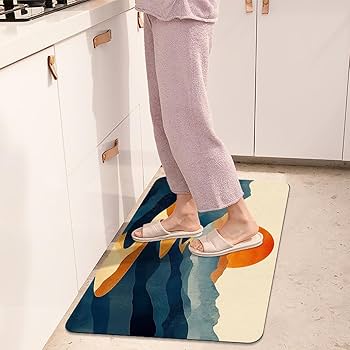
Have you ever wondered if that soft, cozy bath rug in your bathroom could work just as well in your kitchen? You might think it’s a simple swap, but there’s more to consider than just comfort.
Using a bath rug in the kitchen could change how your space feels and functions—sometimes for the better, sometimes not. You’ll discover the surprising benefits and potential drawbacks, so you can decide if your bath rug deserves a spot by the sink.
Keep reading to find out how this small change could make a big difference in your kitchen.

Credit: www.amazon.ca
Bath Rugs Vs Kitchen Rugs
Bath rugs are soft and absorbent, designed to handle moisture after showers. Kitchen rugs focus on durability and stain resistance for heavy foot traffic and spills. Using a bath rug in the kitchen may not hold up well or clean easily.
Bath Rugs vs Kitchen RugsWhen deciding between bath rugs and kitchen rugs, it’s important to consider their intended use and environment. Bath rugs are designed to handle moisture and provide a soft landing for bare feet, while kitchen rugs often prioritize durability and stain resistance. Choosing the right rug can enhance the functionality and aesthetics of your space.
Material Differences
Bath rugs are often crafted from materials like cotton or memory foam, known for their absorbency and softness. This makes them ideal for drying off after a shower but not necessarily for kitchen spills. Kitchen rugs, on the other hand, are typically made from synthetic fibers such as nylon or polypropylene, which resist stains and are easy to clean.
Durability Factors
The durability of a rug depends heavily on its placement. Bath rugs are not subjected to the same wear and tear as kitchen rugs, which endure foot traffic, spills, and heat. Kitchen rugs are often more robust, designed to withstand heavy use without showing signs of wear quickly. If longevity is a priority, a kitchen-specific rug is more likely to stand the test of time.
Design And Style
While bath rugs often feature plush textures and calming colors to promote relaxation, kitchen rugs focus on practicality with non-slip backings and flat weaves. Yet, this doesn’t mean sacrificing style. Kitchen rugs come in a plethora of designs, from vibrant patterns to subtle, earthy tones, allowing you to match your kitchen’s aesthetic effortlessly. Have you ever wondered if a vibrant bath rug could add a splash of color to your kitchen? It’s a creative idea, but consider how the rug’s style complements your kitchen’s decor. Balancing style with functionality can transform any space into a cohesive and welcoming environment.
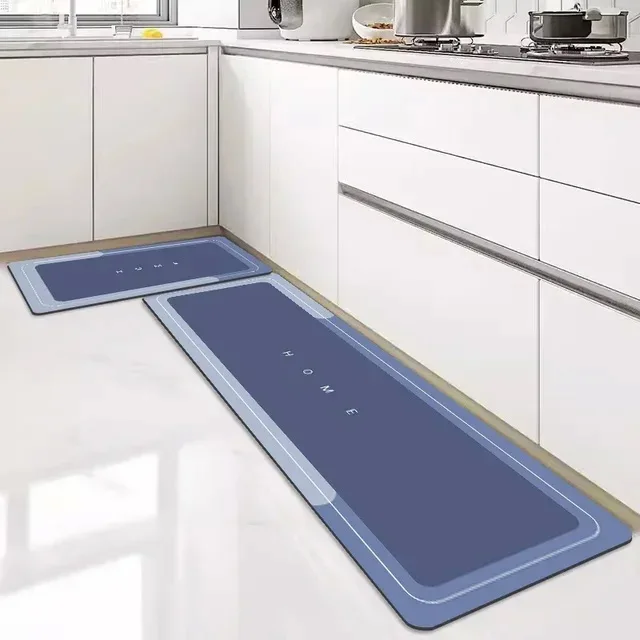
Credit: www.alibaba.com
Pros Of Using Bath Rugs In The Kitchen
Using bath rugs in the kitchen offers several advantages. These rugs bring comfort and practical benefits to a busy cooking space. They help make kitchen floors safer and cozier. Their features also match well with kitchen needs, making them a smart choice.
Comfort And Softness
Bath rugs are soft underfoot, reducing kitchen fatigue. Standing for long periods becomes easier and more pleasant. Their cushioning protects joints from hard floor surfaces. This softness creates a warm and inviting kitchen area.
Absorbency Benefits
Bath rugs absorb spills and splashes quickly. They keep floors dry and reduce slipping risks. Water and food drops are caught before causing messes. This absorbency helps maintain a cleaner kitchen environment.
Easy Maintenance
Bath rugs are simple to clean and care for. Most can be machine washed and dried easily. Quick drying times prevent mold and bad odors. Their durable materials stand up to frequent washing without damage.
Cons Of Using Bath Rugs In The Kitchen
Using a bath rug in your kitchen might seem like a quick fix to add comfort and style. However, there are some important drawbacks you should consider before making this switch. These cons can affect safety, cleanliness, and the overall look of your kitchen space.
Slip Hazards
Bath rugs often lack the non-slip backing needed for kitchen floors. This can cause the rug to slide unexpectedly, especially on smooth tiles or hardwood. Imagine carrying a hot dish and suddenly slipping—that’s a real danger you want to avoid.
Kitchen rugs typically have stronger grips to keep them in place. Without this, your bath rug might move too much, increasing the chance of falls. Would you risk an accident just for a softer rug?
Stain Resistance Issues
Kitchens are prone to spills from sauces, oils, and drinks, which can leave tough stains. Bath rugs are usually designed for water absorption, not for resisting food stains. This means your rug might quickly show marks that are hard to clean.
Think about how often you spill something while cooking or eating. A bath rug may trap these stains, making your kitchen look messy. Choosing a rug designed for kitchens can save you time and frustration.
Odor And Hygiene Concerns
Bath rugs soak up moisture, but kitchen spills often include oils and food particles that can cause odors. Bath rugs may hold onto these smells longer, making your kitchen less fresh. Have you noticed how some rugs start to smell after a few days?
Cleaning bath rugs frequently to remove kitchen odors can be a hassle. Unlike kitchen mats, they might not dry quickly, leading to mold or mildew. Maintaining hygiene is crucial where you prepare food, so consider if a bath rug fits this need.
Smart Tips For Using Bath Rugs In The Kitchen
Using a bath rug in the kitchen might seem unconventional, but it can add comfort and style if done right. To get the most out of your bath rug in a high-traffic, messy area like the kitchen, you need to think about durability, safety, and cleanliness. Here are smart tips to help you make your kitchen both cozy and practical with a bath rug.
Choosing The Right Material
Not all bath rugs are suitable for kitchen use. Look for materials that dry quickly and resist stains, such as microfiber or cotton blends. These materials hold up well against spills and foot traffic, preventing mold and mildew buildup.
Have you noticed how some rugs feel soggy and smell after a day in the kitchen? Picking a material that breathes well helps avoid that problem. Avoid plush or thick bath rugs that trap moisture and get dirty fast.
Adding Non-slip Backing
Safety is key in the kitchen. Bath rugs often lack proper grip, which can cause slipping accidents on tile or hardwood floors. You can add a non-slip pad underneath or buy rugs with a built-in non-slip backing for extra security.
Think about how often you move around while cooking. A stable rug means fewer worries about slips and spills. Have you ever slipped because your rug shifted? Adding a non-slip layer is a simple fix that makes a big difference.
Regular Cleaning Routine
Kitchen rugs get dirty quickly, so a regular cleaning schedule is essential. Wash your bath rug at least once a week to remove food particles, grease, and bacteria. This keeps your kitchen hygienic and your rug fresh.
If you have pets or kids, consider washing even more often. Spot cleaning between washes also helps maintain the rug’s appearance. What’s your current cleaning routine, and could it be improved to keep your kitchen healthier?
Alternative Rug Options For Kitchens
Choosing the right rug for the kitchen helps keep the space safe and stylish. Kitchen rugs need to handle spills and heavy foot traffic. Many rugs made for other rooms may not work well here. Alternative options offer durability and easy cleaning while adding comfort.
These rugs come in different materials and styles. They can protect your floors and improve the kitchen’s look. Here are some good choices for kitchen rugs.
Cotton And Synthetic Rugs
Cotton rugs are soft and easy to clean. They absorb spills quickly but dry fast too. Synthetic rugs, like polyester or nylon, resist stains well. Both types are lightweight and affordable. They often come with patterns that hide dirt. These rugs work well in low-moisture kitchen areas.
Rubber-backed Mats
Rubber-backed mats stay in place on slippery floors. They prevent accidents by stopping rugs from sliding. These mats are water-resistant and easy to wipe clean. Many have cushioned surfaces to reduce standing fatigue. Rubber backing also protects floors from damage and moisture.
Outdoor Rugs Indoors
Outdoor rugs use strong fibers made for weather. They handle water, dirt, and heavy use. Using them indoors adds durability and style. These rugs dry quickly after spills and clean easily. Their tough textures work well near sinks and cooking areas. Plus, they come in many colors and designs.
Styling Your Kitchen With Bath Rugs
Bath rugs can bring warmth and charm to your kitchen. They soften hard floors and add a cozy feel. Styling your kitchen with bath rugs makes the space inviting and fresh. Small changes like these rugs can brighten your kitchen’s look.
Color Coordination
Choose bath rugs that match your kitchen colors. Pick tones that blend with walls, cabinets, or appliances. Neutral shades like beige or gray work well. Bright colors add a pop and make the space lively. Use patterns that echo kitchen accessories for harmony.
Size And Placement
Select bath rugs that fit your kitchen space perfectly. Too big rugs make the area crowded. Small rugs placed near the sink or stove add comfort. Consider runner rugs for narrow kitchens. Place rugs where you stand the most for softness underfoot.
Layering Techniques
Combine bath rugs with other floor mats for style. Layer a small rug over a larger plain mat. Mix textures like cotton with woven rugs for interest. Use layering to define areas, such as cooking or dining spots. This adds depth and a cozy vibe to your kitchen floor.
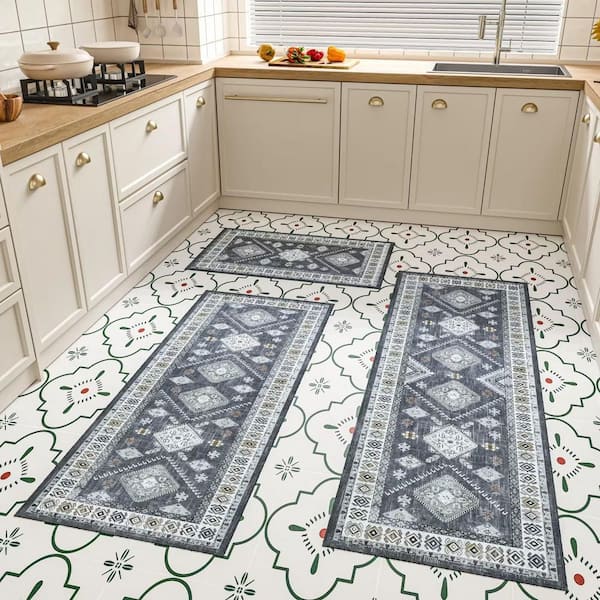
Credit: www.homedepot.com
Frequently Asked Questions
Can You Use A Bath Rug In The Kitchen Safely?
Yes, you can use a bath rug in the kitchen if it is clean and non-slip. Choose a rug that absorbs moisture well and resists stains to maintain kitchen hygiene and safety.
What Are The Benefits Of Bath Rugs In Kitchens?
Bath rugs offer softness and comfort underfoot. They absorb spills quickly, reducing slipping hazards. Plus, they add style and warmth to kitchen floors, making the space cozier and safer.
Are Bath Rugs Suitable For Kitchen Floor Materials?
Bath rugs work well on tile, vinyl, and hardwood floors. Ensure the rug has a non-slip backing to prevent movement. Avoid using rugs that retain moisture on wood, as this can cause damage.
How To Maintain A Bath Rug In The Kitchen?
Regularly wash the bath rug to prevent bacteria buildup. Air dry thoroughly to avoid mold. Spot clean spills immediately and use rugs with easy-care materials for best results.
Conclusion
A bath rug can work in the kitchen, but choose carefully. Look for rugs with good grip to avoid slipping. Make sure the material dries quickly to prevent mold. Soft rugs add comfort while standing for long times. Clean them often to keep your kitchen fresh.
Small rugs fit well near sinks or stove areas. With the right rug, your kitchen feels cozy and safe. Simple steps make a big difference in your kitchen space.