
You want your home and gadgets to look spotless without spending hours cleaning or using harsh chemicals. A microfiber cleaning cloth can be your secret weapon to achieve that effortlessly.
But do you really know how to use it the right way? You’ll discover simple tips and tricks to get the most out of your microfiber cloth. By the end, you’ll be cleaning smarter, not harder—saving time and protecting your surfaces.
Keep reading to unlock the full power of this handy tool!
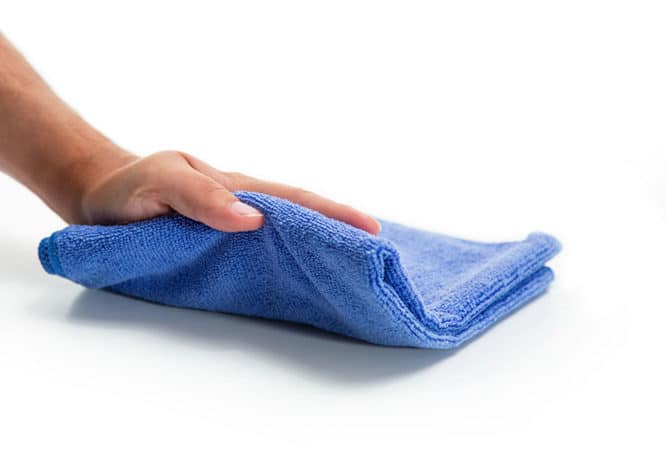
Credit: thesimplescrub.com
Benefits Of Microfiber Cloths
Microfiber cleaning cloths offer several advantages that make them a smart choice for your cleaning routine. Their unique material structure allows them to perform better than traditional cloths in many ways. Understanding these benefits can help you decide why switching to microfiber cloths might improve your cleaning experience.
Superior Cleaning Power
Microfiber cloths have tiny fibers that reach into small crevices to lift dirt, dust, and even bacteria effectively. Unlike regular cloths, they don’t just move dirt around—they trap it, leaving surfaces cleaner. Have you noticed how sometimes after wiping, dust just reappears? Microfiber cloths help avoid that by capturing particles better.
Eco-friendly And Reusable
Using microfiber cloths means less waste because you can wash and reuse them hundreds of times. This reduces the need for disposable wipes or paper towels, which adds up to less trash in your home and the environment. How often do you find yourself throwing away half-used wipes? Microfiber cloths save you money and cut down on unnecessary waste.
Safe For All Surfaces
Microfiber is gentle enough for delicate surfaces like screens, glass, and polished wood but tough enough to clean stubborn grime. You don’t need harsh chemicals when using microfiber, so it’s safer for your items and healthier for you. Ever worried about scratching your phone or TV screen? With microfiber cloths, that risk is minimal.
Choosing The Right Microfiber Cloth
Choosing the right microfiber cloth is key to effective cleaning. Each type suits different tasks and surfaces. Picking the right one helps avoid scratches and improves dirt removal. Understanding the differences helps you select the best cloth for your needs.
Types Of Microfiber Cloths
Microfiber cloths come in various types designed for specific uses. Some are made for dusting, others for scrubbing or polishing. Common types include:
- Standard cloths – good for everyday cleaning
- Glass cloths – lint-free, perfect for windows and mirrors
- Scrubbing cloths – with a rougher texture for tough dirt
- Polishing cloths – soft and smooth for delicate surfaces
Choose based on the surface and cleaning task to get the best results.
Weave And Texture Differences
The weave affects how the cloth cleans and traps dirt. Tighter weaves pick up fine dust better. Looser weaves work well for larger debris and wet cleaning. Texture also matters:
- Smooth textures are gentle on glass and screens
- Rough textures help scrub stubborn stains
- Combination weaves offer both dusting and scrubbing abilities
Select the weave and texture that match your cleaning needs.
Size And Thickness Considerations
Size affects ease of use and cleaning coverage. Small cloths fit tight spaces and detailed work. Larger cloths cover wide surfaces faster. Thickness impacts absorbency and durability. Thicker cloths hold more liquid and last longer. Thin cloths dry faster and feel lighter. Pick a size and thickness that suit your tasks and comfort.
Preparing Your Microfiber Cloth
Begin by washing the microfiber cloth to remove any dust or dirt. Use warm water and mild detergent for best results. Let it air dry before using to keep the fibers effective for cleaning.
Preparing Your Microfiber Cloth Microfiber cloths are a cleaning powerhouse, but their effectiveness hinges on proper preparation. Before your first wipe-down, make sure your cloth is ready to tackle dirt and grime. Setting the stage for optimal performance requires a few simple steps.
Washing Before First Use
Before you dive into cleaning, it’s crucial to give your microfiber cloth a thorough wash. This removes any residue from the manufacturing process. You might wonder why this matters—well, it ensures the cloth is ready to absorb and trap dirt efficiently. Use warm water and a mild detergent. Avoid washing with other fabrics to prevent lint transfer. A quick cycle will suffice, and soon your cloth will be primed for action.
Avoiding Fabric Softeners
Fabric softeners can be tempting, especially if you crave a plush texture. However, these products can coat the fibers and reduce their cleaning power. This might seem counterintuitive, but skipping softeners keeps your cloth in top shape. Consider the long-term effectiveness. Each use without softeners maintains the cloth’s ability to grab and hold dirt. Your cleaning tasks will be smoother and more efficient.
Proper Drying Techniques
Once washed, drying your microfiber cloth correctly is essential. Air drying is the best option to preserve the fibers’ integrity. If time is tight, a low-heat dryer setting will do the trick. Hang them in a well-ventilated area or drape over a towel rack. This keeps them fresh and ready for your next cleaning spree. Proper drying ensures your cloths remain durable and reliable. Do you often overlook these steps when preparing your microfiber cloth? Taking a few moments to prepare can significantly boost your cleaning results. Your microfiber cloth deserves the best care for the best performance.
Techniques For Effective Cleaning
Using a microfiber cleaning cloth properly ensures better results and lasts longer. Different techniques suit different cleaning needs. Choose the right way to clean for the best outcome. Understanding these techniques helps remove dust, dirt, and stains efficiently.
Dry Dusting Methods
Dry dusting with a microfiber cloth captures dust without spreading it. Use a clean, dry cloth and gently wipe surfaces. Move in one direction to avoid scattering dust. For tight spaces, fold the cloth to reach corners. This method works well on electronics, furniture, and shelves.
Damp Wiping Tips
Lightly dampen the cloth with water for better dirt removal. Avoid soaking the cloth to prevent streaks or damage. Wipe surfaces gently in circular motions to lift grime. Rinse and wring the cloth often to keep it clean. Damp wiping suits glass, countertops, and stainless steel.
Using With Cleaning Solutions
Apply a small amount of cleaning solution to the cloth, not directly on surfaces. This prevents damage and controls moisture. Use microfiber cloths with mild, non-abrasive cleaners. Wipe surfaces carefully to remove stains and buildup. Always follow product instructions for safe use with microfiber cloths.
Cleaning Specific Surfaces
Microfiber cleaning cloths work well on many surfaces. They pick up dust, dirt, and oils without scratching. Using the right technique helps protect your items. Each surface needs a slightly different approach. This guide covers cleaning glass, electronics, kitchen areas, and cars.
Glass And Mirrors
Use a dry microfiber cloth for glass and mirrors. Wipe in circular motions to avoid streaks. For tough spots, lightly dampen the cloth with water. Avoid harsh sprays that can leave residue. Microfiber traps dust and leaves a clear shine.
Electronics And Screens
Turn off devices before cleaning screens. Use a dry or slightly damp cloth only. Do not spray liquids directly on screens. Gently wipe without pressing too hard. Microfiber removes fingerprints and dust safely.
Kitchen And Bathroom Surfaces
Microfiber cloths clean sinks, counters, and tiles well. For sticky messes, dampen the cloth with water or mild cleaner. Wipe surfaces in one direction to avoid spreading dirt. Rinse cloth often to keep it clean.
Automotive Detailing
Use a microfiber cloth to clean car interiors and exteriors. For dust, use a dry cloth on dashboards and seats. For washing, dampen the cloth with water or car soap. Dry the car with a clean, dry microfiber to avoid water spots.
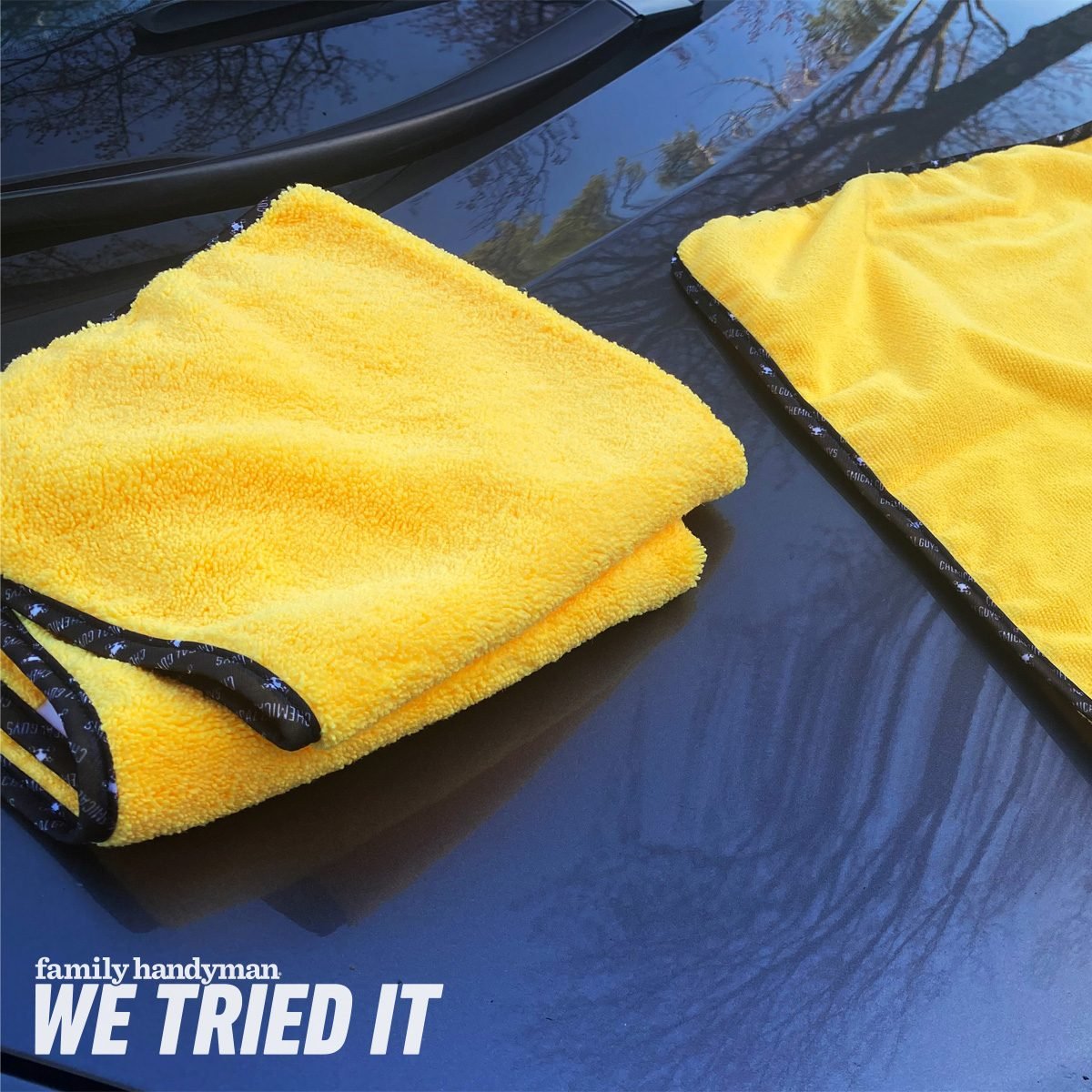
Credit: www.familyhandyman.com
Maintaining Your Microfiber Cloths
Keeping your microfiber cloths in top condition ensures they clean effectively and last longer. Proper maintenance helps avoid damage and keeps fibers soft and absorbent. Let’s look at how to care for your cloths with simple, practical steps.
Regular Washing Guidelines
Wash your microfiber cloths after each use to prevent dirt buildup. Use warm water and a gentle detergent without fabric softeners or bleach, as these can clog fibers and reduce their cleaning power.
Machine wash them separately or with other microfiber items to avoid lint transfer from cotton fabrics. Avoid ironing or drying on high heat—air dry or use a low heat setting to maintain softness.
Stain Removal Tips
Stubborn stains don’t have to ruin your cloth. Soak the cloth in a mixture of warm water and a small amount of white vinegar for 15-30 minutes to break down oils and residues.
For tougher spots, gently rub the stained area with a mild detergent before washing. Avoid harsh scrubbing that can damage the fibers.
Storage Recommendations
Store your microfiber cloths in a clean, dry place to prevent mildew and odor. Keep them folded or rolled loosely to avoid crushing the fibers.
Consider dedicating separate cloths for different tasks and storing them in labeled containers or bags. This helps you maintain hygiene and prolongs their usability.
Common Mistakes To Avoid
Using a microfiber cleaning cloth correctly helps it last longer and clean better. Many people make simple mistakes that reduce the cloth’s effectiveness. Avoiding these errors keeps your cloth soft and strong.
Using Harsh Chemicals
Harsh chemicals can damage microfiber fibers. Bleach and fabric softeners break down the cloth’s structure. This lowers its ability to trap dust and dirt. Use gentle detergents or just water for cleaning.
Mixing With Other Fabrics
Washing microfiber with rough fabrics causes pilling and snags. Cotton or towels shed lint that sticks to microfiber. Always wash microfiber cloths separately or with other microfiber items.
Excessive Heat Exposure
High heat from dryers or irons melts microfiber fibers. This causes shrinkage and hardens the cloth. Use low heat or air dry to keep the cloth soft and flexible.

Credit: www.facebook.com
Frequently Asked Questions
What Surfaces Can I Clean With A Microfiber Cloth?
Microfiber cloths are ideal for cleaning glass, electronics, stainless steel, and painted surfaces. They trap dust and dirt effectively without scratching.
How Do I Properly Wash A Microfiber Cleaning Cloth?
Wash microfiber cloths separately in warm water using mild detergent. Avoid fabric softeners and bleach to preserve their cleaning ability.
Can Microfiber Cloths Be Reused Multiple Times?
Yes, microfiber cloths can be reused many times. Simply wash them after use to maintain their effectiveness and longevity.
Why Is A Microfiber Cloth Better Than Regular Cloth?
Microfiber cloths have finer fibers that pick up dust and particles more efficiently. They clean better without chemicals or streaks.
Conclusion
Using a microfiber cleaning cloth keeps surfaces clean and streak-free. It works well on glass, screens, and furniture. Always wash the cloth gently to keep it soft and effective. Avoid using fabric softeners or bleach. With regular care, your cloth lasts longer and cleans better.
Small effort, big difference. Try it yourself and see how easy cleaning can be. Simple tools, great results.