
Have you ever wondered what happens to the leftovers you toss in the trash? Imagine turning those scraps into something valuable for your garden and the environment.
Composting is your answer! It’s like recycling for your food waste, transforming it into nutrient-rich soil. But what exactly can you compost? And how can you start doing it right away? You’re about to discover the simple steps to reduce your waste and make a positive impact on the planet.
You might be surprised by how easy it is to compost your food scraps and how beneficial it can be. Keep reading to unlock the secrets of composting and find out how you can turn your kitchen waste into garden gold. Your plants and the planet will thank you!
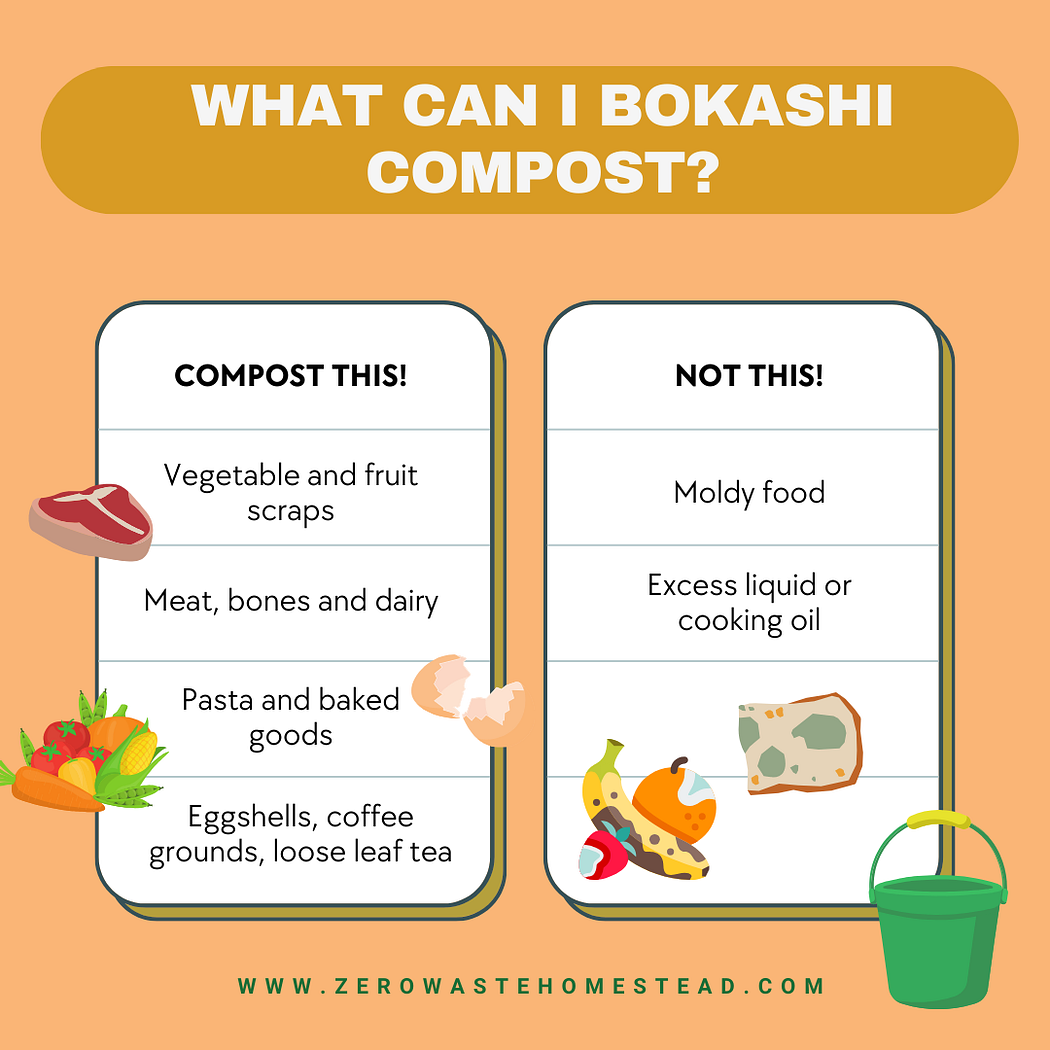
Credit: zerowastehomestead.com
Benefits Of Food Composting
Composting your food scraps offers more than just a way to reduce kitchen waste. It creates a positive impact on the environment and your garden. Understanding the benefits can motivate you to start or improve your composting practice today.
Reducing Landfill Waste
Every year, tons of food waste end up in landfills, taking up space and causing pollution. When food decomposes in landfills, it produces methane, a gas much stronger than carbon dioxide in warming the planet.
By composting your food scraps, you keep them out of landfills and help cut down on harmful emissions. Have you noticed how much organic waste you throw away daily? Composting can turn that waste into something valuable instead of trash.
Enriching Soil Naturally
Compost acts as a natural fertilizer that improves soil quality without chemicals. It adds essential nutrients and helps soil retain moisture, which means healthier plants and less watering.
I once added homemade compost to my garden beds and saw a clear difference—plants grew stronger and resisted pests better. Could your garden or houseplants benefit from this natural boost?
Lowering Carbon Footprint
Food composting reduces the need for synthetic fertilizers, which require fossil fuels to produce. It also decreases the transportation emissions associated with waste collection and landfill operations.
By composting, you contribute to lowering greenhouse gases directly and indirectly. How much could your carbon footprint shrink if everyone in your community composted their food waste?

Credit: www.nekwmd.org
Compostable Food Items
Knowing which food items you can compost makes the process easier and more effective. Compostable food items break down naturally and enrich your soil with nutrients. Let’s look at common kitchen scraps that you might be tossing out but can actually add value to your compost pile.
Fruit And Vegetable Scraps
Peels, cores, and bits of fruits and vegetables are perfect for composting. Apple cores, banana peels, carrot tops, and potato skins break down quickly. These scraps add moisture and essential nutrients like nitrogen to your compost.
Have you ever noticed how quickly your banana peels disappear in your compost? That’s because they’re rich in potassium, which plants love. Just avoid adding citrus peels in large amounts as they can slow down the process.
Coffee Grounds And Tea Bags
Used coffee grounds are a fantastic addition to your compost. They add nitrogen and improve soil texture. Tea bags can also be composted, but check if they contain synthetic fibers first.
I once saved my coffee grounds for a month, and the compost turned out to be especially rich and dark. A little coffee can go a long way in energizing your compost pile. What’s your coffee routine—could those grounds go to better use?
Eggshells And Nut Shells
Crushed eggshells add calcium to your compost, which strengthens plant cell walls. Nut shells, like those from walnuts or almonds, take longer to break down, so crushing them speeds up the process.
Remember to rinse eggshells before composting to avoid attracting pests. I found that grinding them into smaller pieces helps them decompose faster and mix better with other scraps.
Bread And Grains
Stale bread and leftover grains can be composted but in moderation. They add carbon and moisture but can attract unwanted critters if added in large amounts.
Try breaking bread into small pieces to help it decompose faster. Have you ever tried composting old rice or pasta? It works well if you balance it with plenty of green materials like vegetable scraps.
Foods To Avoid In Compost
Knowing which foods to avoid in your compost pile is just as important as knowing what you can add. Some items can attract pests, create unpleasant odors, or even harm your compost’s natural balance. Paying attention to these can save you time and keep your compost healthy and productive.
Meat And Dairy Products
Meat scraps, bones, cheese, and other dairy products should never go into your compost. These items take a long time to break down and often cause strong odors that attract rodents and flies. If you’ve ever had a compost pile invaded by unwanted critters, you know how frustrating it can be.
Oily And Processed Foods
Foods high in oil, grease, or heavily processed ingredients don’t compost well. They can create a slimy texture and slow down the decomposition process. Think about leftover pizza crusts with lots of cheese and oil—these can throw off the balance of your compost pile.
Diseased Or Moldy Items
Adding diseased plants or moldy food can spread harmful pathogens in your compost. This can affect the health of your garden when you use the finished compost. It’s better to dispose of these items separately to protect your plants and soil.
Pet Waste
Waste from cats, dogs, and other pets contains harmful bacteria and parasites that don’t break down safely in home compost. Including pet waste risks contaminating your compost and garden. Instead, look for specialized disposal methods or composting systems designed for pet waste.
Types Of Composting Methods
Composting food waste can be done in several ways, each suited to different living spaces, time commitments, and types of waste. Understanding the types of composting methods helps you choose the best fit for your lifestyle and goals. Let’s look at some popular options that make turning scraps into rich soil easier than you might think.
Backyard Composting
This is the classic approach where you create a compost pile or bin in your garden. You add kitchen scraps like vegetable peels, coffee grounds, and yard waste such as leaves and grass clippings.
Turning the pile regularly helps speed up decomposition and prevents odors. You’ll notice dark, crumbly compost forming in a few months, perfect for your plants.
Have you tried layering greens and browns to balance moisture and airflow in your pile? It makes a big difference in how quickly your compost develops.
Vermicomposting
Vermicomposting uses worms, usually red wigglers, to break down food scraps quickly. This method works well indoors or outdoors and produces nutrient-rich worm castings.
You can compost items like fruit and vegetable scraps, coffee grounds, and even paper towels. Avoid meat, dairy, and oily foods as they can harm the worms or attract pests.
Setting up a worm bin is simple and doesn’t require much space. Have you ever thought about the power of worms turning waste into garden gold right under your nose?
Bokashi Fermentation
Bokashi is a fermentation process that uses beneficial microbes to break down food waste in an airtight container. It handles a wider range of scraps, including meat and dairy, which traditional composting usually avoids.
After fermenting for a couple of weeks, you bury the pre-compost in soil, where it finishes breaking down and enriches the earth.
This method is great if you want a quick solution and have limited outdoor space. Could this be the answer for apartment dwellers wanting to compost without fuss?
Setting Up Your Compost Bin
Setting up your compost bin is an essential step for successful composting. The right setup helps food waste break down efficiently. It creates rich soil for your garden and reduces trash. A well-organized compost bin controls moisture, airflow, and temperature. These factors speed up decomposition and reduce odors.
Choosing The Right Location
Pick a spot that is easy to reach for adding scraps. The area should get some sunlight to warm the bin. Avoid places that are too wet or too dry. Make sure the ground is level and well-drained. Good air circulation helps keep the compost healthy.
Materials And Tools Needed
Gather these items before starting your compost bin:
- A bin or container with holes for airflow
- Kitchen scraps like fruit and vegetable peels
- Dry materials such as leaves, paper, or straw
- Garden tools like a pitchfork or shovel for mixing
- A water source to keep the pile moist
Maintaining Proper Moisture And Aeration
Keep your compost damp like a wrung-out sponge. Too much water causes bad smells. Too little water slows down the process. Turn the pile regularly to add oxygen. This helps microbes break down food faster. Check moisture and mix the pile once a week.

Credit: www.codc.govt.nz
Troubleshooting Common Compost Issues
Troubleshooting common compost issues can make your composting experience smoother and more successful. Composting is a natural process, but sometimes your pile might not behave as expected. Knowing how to handle common problems will keep your compost healthy and ready to nourish your garden.
Dealing With Odors
Have you noticed a strong, unpleasant smell coming from your compost? This usually means your compost is too wet or lacks enough air. Too much moisture causes the pile to become anaerobic, leading to foul odors.
To fix this, add dry materials like shredded paper, dry leaves, or cardboard. Turn your compost regularly to introduce oxygen and help balance moisture levels. A well-aerated pile should smell earthy, not sour or rotten.
Preventing Pests
Pests such as rodents and flies can be a real nuisance around your compost bin. They are often attracted to food scraps like meat, dairy, or oily leftovers. Keeping these items out will reduce pest problems.
Use a compost bin with a secure lid to keep critters out. Bury food scraps under a layer of brown materials, like leaves or straw, to minimize odors that attract pests. Have you tried adding a layer of finished compost on top? It acts as a natural barrier and keeps pests away.
Speeding Up Decomposition
Waiting for your compost to break down can sometimes feel slow, especially if you want fresh soil quickly. To speed things up, chop or shred food scraps before adding them to the pile. Smaller pieces break down faster.
Keep your compost moist but not soggy, and turn it frequently to provide oxygen. Adding a handful of garden soil or finished compost can introduce helpful microbes that boost decomposition. What small change can you make today to speed up your compost?
Using Finished Compost
Using finished compost is a smart way to improve your plants and soil. This rich, dark material is full of nutrients. It helps soil hold water and air. Compost also supports helpful microbes that keep plants healthy. You can apply compost in many places around your home garden and lawn for better growth.
Enhancing Garden Soil
Mix compost into garden beds to improve soil texture. It makes heavy clay soils lighter and sandy soils hold more moisture. Compost adds nutrients that plants need to grow strong. It helps roots spread easily and absorb water better. Use a few inches on top or mix it into the soil before planting.
Indoor Plant Benefits
Use compost to refresh potting soil for indoor plants. It gives plants natural nutrients without chemicals. Compost improves drainage and air flow in pots. This keeps roots healthy and prevents overwatering problems. Add a small amount to the soil or use it as a top layer to feed plants slowly.
Lawn Care Applications
Spread a thin layer of compost over your lawn to feed grass naturally. It helps grass grow thick and green. Compost improves soil under the grass, allowing roots to get air and water easily. Use a rake to spread compost evenly. This reduces the need for chemical fertilizers and keeps your lawn healthy.
Eco-friendly Tips For Waste Reduction
Reducing food waste helps the environment and saves money. Small changes in daily habits make a big difference. Composting food scraps turns waste into rich soil for plants. Eco-friendly tips help cut down the amount of food thrown away.
Meal Planning To Minimize Waste
Plan meals ahead to buy only what is needed. Make a shopping list and stick to it. Check your pantry and fridge before shopping. Cooking the right portions prevents extra food from spoiling.
Storing Food Properly
Keep food fresh longer with correct storage methods. Use airtight containers for leftovers and cut fruits. Store vegetables in the fridge crisper drawer. Label food with dates to use them on time.
Creative Leftover Recipes
Leftovers can be tasty and reduce waste. Turn stale bread into breadcrumbs or croutons. Use vegetable scraps for homemade broth. Mix leftover rice and veggies for a quick stir-fry.
Frequently Asked Questions
What Types Of Food Waste Can You Compost?
You can compost fruit and vegetable scraps, coffee grounds, eggshells, and bread. Avoid meat, dairy, and oily foods as they attract pests and cause odors.
How Long Does Food Composting Take?
Food composting typically takes 2 to 6 months. The time depends on factors like temperature, moisture, and material size.
Can You Compost Cooked Food Scraps?
Cooked food scraps can be composted in small amounts. Avoid greasy or heavily seasoned foods to prevent pests and odors.
Is It Safe To Compost Citrus Fruits?
Yes, citrus fruits are safe to compost in moderation. Too much citrus can make compost too acidic, so balance with other materials.
Conclusion
Composting food helps reduce waste and enrich soil naturally. You can compost many items like fruit peels, vegetable scraps, and coffee grounds. Avoid composting meat, dairy, and oily foods to keep pests away. Composting saves money and lowers trash in landfills.
It also supports healthy plant growth in your garden. Start small and watch your compost turn into rich soil. A simple step that benefits your home and the planet. Give composting a try and see the difference it makes.