
Do you use any cleaning products with microfiber cloths? If you do, you might be missing out on a simple trick to make your cleaning faster and more effective.
Microfiber cloths are great on their own, but pairing them with the right products can transform your routine. Imagine cutting down your cleaning time while getting surfaces spotless and streak-free every time. Curious to know which products work best and which ones you should avoid?
Keep reading to discover how to get the most out of your microfiber cloths and make your home shine like never before.
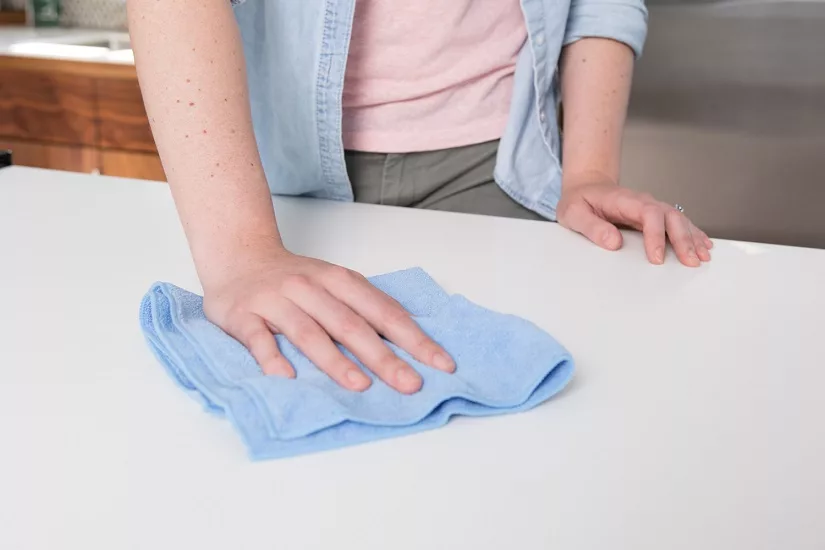
Credit: www.randrmagonline.com
Benefits Of Microfiber Cloths
Microfiber cloths have become a staple in many households and professional cleaning kits. Their unique structure makes them highly effective and versatile, offering several benefits that you might not have considered. Let’s look at how these cloths can improve your cleaning routine without relying heavily on chemical products.
Effective Dirt And Dust Removal
Microfiber cloths have tiny fibers that trap dirt and dust particles better than regular cloths. They don’t just push dust around; they pick it up and hold onto it. This means you can clean surfaces more thoroughly with less effort.
Have you noticed how some cloths leave streaks or residue behind? Microfiber minimizes that problem, leaving your surfaces cleaner and shinier. It works well on everything from glass to wood, making it a practical choice for your entire home.
Eco-friendly Cleaning Option
Using microfiber cloths often means you can reduce or even skip harsh cleaning chemicals. Since they clean efficiently with just water, you cut down on the number of products you buy and use. This is better for your health and the environment.
Think about the plastic waste from spray bottles and chemical packaging. Microfiber cloths help you reduce that waste by lasting a long time and needing fewer products. Are you ready to make a small change that benefits the planet?
Durability And Reusability
One microfiber cloth can replace dozens of paper towels or single-use wipes. They hold up well after many washes without losing their cleaning power. This durability saves you money and reduces waste over time.
By taking care of your microfiber cloths—rinsing them well and avoiding fabric softeners—you ensure they stay effective longer. How often do you replace your cleaning tools? Switching to microfiber might mean fewer trips to the store for replacements.

Credit: www.nytimes.com
Types Of Cleaning Products Compatible With Microfiber
Microfiber cloths are versatile and highly effective cleaning tools, but choosing the right cleaning products to use with them can make a big difference in performance and longevity. Not all products pair well with microfiber, so it’s important to understand which types enhance their cleaning power without causing damage. Let’s look at some common options that work well with microfiber and how you can use them for the best results.
Water-only Cleaning
Often, just plain water is enough when using microfiber cloths. Their unique fibers trap dirt and dust efficiently, making water a simple yet powerful cleaning agent.
Using water alone is a great choice for quick dusting or wiping surfaces without chemicals. It keeps your microfiber cloths in good shape and avoids residue buildup, which can reduce their effectiveness.
Mild Detergents And Soaps
When water isn’t enough, mild detergents and soaps can boost cleaning power without harming microfiber. Look for gentle, liquid detergents that are free from bleach, fabric softeners, or additives.
I use a small amount of mild dish soap mixed with water for tougher grime on kitchen counters. It’s effective and easy to rinse out, keeping the cloth soft and ready for the next use.
Specialized Cleaning Solutions
Certain specialized products are designed to work well with microfiber cloths. These include glass cleaners, all-purpose sprays, and disinfectants formulated without harsh chemicals.
Always check the product label for compatibility. Some cleaners contain oils or silicones that can clog microfiber fibers, so selecting the right solution matters for maintaining your cloth’s performance.
Products To Avoid With Microfiber Cloths
Avoid bleach, fabric softeners, and strong chemicals with microfiber cloths. These products can damage fibers and reduce cleaning power. Use gentle cleaners or water instead for best results.
Microfiber cloths have become a staple in household cleaning due to their efficiency and versatility. However, not all cleaning products are compatible with these tiny fiber wonders. Using the wrong products can diminish their cleaning ability and reduce their lifespan. So, what should you steer clear of when using microfiber cloths?
Bleach And Harsh Chemicals
Bleach and other harsh chemicals can wreak havoc on microfiber cloths. These chemicals can break down the fibers, reducing their effectiveness and longevity. You might have noticed your cloths losing their soft texture or even developing holes after using such products. Instead, opt for gentler cleaning solutions to preserve the quality of your cloths.
Fabric Softeners And Oils
Fabric softeners and oils are major culprits in clogging microfiber cloths. While you might love the fresh scent and softness these products provide, they can coat the fibers, rendering them less effective at picking up dust and grime. Have you ever felt frustrated when a supposedly clean surface still looked smeared? That’s often the work of residues left behind by these products. Stick to using plain detergent to keep your cloths in top condition.
Abrasive Cleaners
Abrasive cleaners are tough on dirt, but they are also tough on microfiber cloths. These cleaners can damage the delicate fibers, causing them to fray and reducing their ability to clean properly. Have you ever wondered why your cloth isn’t as effective as it used to be? Check if abrasive cleaners have been part of your routine. Opt for non-abrasive options that are gentler on the cloths while still getting the job done. Your microfiber cloths can last much longer if you avoid these products. Imagine how satisfying it would be to have a cleaning cloth that continues to perform well over time. The next time you reach for a cleaning product, think twice before pairing it with your microfiber cloths.
Cleaning Techniques Using Microfiber And Products
Microfiber cloths are a versatile cleaning tool that work well with or without cleaning products. Understanding how to combine these cloths with the right techniques can make your cleaning faster, easier, and more effective. Let’s look at different ways to use microfiber with cleaning products to get the best results.
Wet Vs Dry Cleaning Methods
Using microfiber cloths dry is great for dusting and picking up loose dirt. The fibers trap dust without spreading it around, leaving surfaces clean and fresh.
Wet cleaning, on the other hand, involves dampening the cloth with water or a cleaning solution. This method helps remove sticky residues, fingerprints, and grime more thoroughly.
Which method works better depends on the task. For example, I prefer dry microfiber for quick dusting, but wet cloths for kitchen counters where grease builds up.
Proper Application Of Cleaning Products
Apply cleaning products sparingly when using microfiber. Too much liquid can saturate the cloth and reduce its effectiveness.
Spraying the product directly onto the cloth, rather than the surface, helps control the amount used. This avoids streaks and prevents damage to delicate surfaces.
Try wiping in one direction with gentle pressure. This technique helps lift dirt and spreads the product evenly for a cleaner finish.
Tips For Streak-free Surfaces
- Use a clean microfiber cloth for each surface to avoid cross-contamination.
- Buff surfaces with a dry microfiber cloth after cleaning to remove any residue.
- Avoid using fabric softeners when washing your microfiber cloths, as they reduce absorbency.
- For glass or mirrors, dampen the cloth lightly and wipe in a circular motion, then finish with vertical or horizontal strokes.
Have you noticed streaks on your mirrors or screens after cleaning? Trying these simple changes can make a big difference in achieving that crystal-clear shine.
Maintaining Microfiber Cloths For Longevity
Keeping your microfiber cloths in top shape is key to getting the best results from them. Proper care extends their life and keeps them effective for cleaning tasks. Neglecting maintenance can lead to reduced absorbency and streaky surfaces, which defeats their purpose.
Washing Instructions
Wash microfiber cloths separately to avoid lint from other fabrics sticking to them. Use warm water and a gentle detergent without fabric softeners or bleach, as these can clog the fibers and reduce their cleaning power.
Air drying is best, but if you use a dryer, select a low heat setting to prevent damage. Have you noticed how a well-washed microfiber cloth feels different? That’s the sign of a cloth ready for another round of cleaning.
Storage Tips
Store your microfiber cloths in a clean, dry place away from dust and dirt. Avoid leaving them crumpled or damp in a pile, as this can promote mildew and odors.
Using a sealed container or a dedicated drawer keeps them fresh and ready. How often do you check the storage spot for your cloths? Small habits here make a big difference.
Signs To Replace Microfiber Cloths
Look for fraying edges, thinning fabric, or persistent odors even after washing. These are clear indicators that your cloth has lost its efficiency.
If streaks or lint appear more often during cleaning, it might be time to retire that cloth. Holding on too long can cost you more effort and poorer results than simply replacing it.
Common Myths About Microfiber And Cleaning Products
Microfiber cloths have grown popular for cleaning, but many myths surround their use with cleaning products. Some think microfiber needs harsh chemicals to clean well. Others worry these cloths might trap bacteria, causing health risks. Understanding the truth helps you use microfiber effectively and safely.
Do You Need Chemicals For Effective Cleaning?
Microfiber cloths are designed to clean with just water. Their tiny fibers trap dirt, dust, and grease better than regular cloths. Chemicals can help in some cases but are not always necessary.
Using fewer chemicals is better for the environment and your health. Microfiber works well on most surfaces without harsh cleaners. For tough stains, a small amount of mild detergent can boost cleaning power.
Microfiber And Bacterial Growth Concerns
Some believe microfiber cloths hold bacteria and spread germs. This happens only if the cloth is not cleaned properly. Microfiber can trap bacteria, but washing it often removes germs effectively.
To keep microfiber cloths safe, wash them in hot water without fabric softener. Let them dry fully before reuse. Proper care stops bacteria buildup and keeps cleaning safe.

Credit: www.familyhandyman.com
Frequently Asked Questions
Can Microfiber Cloths Be Used With Cleaning Products?
Yes, microfiber cloths work well with many cleaning products. They enhance cleaning by trapping dirt and grime effectively. Avoid bleach or fabric softeners, as they damage fibers. Use gentle detergents or water-based cleaners for best results.
What Cleaning Products Are Safe For Microfiber Cloths?
Mild detergents, water, and vinegar solutions are safe for microfiber cloths. Avoid bleach, ammonia, and fabric softeners. These harsh chemicals break down fibers and reduce cloth effectiveness. Use gentle, pH-neutral cleaners for optimal cloth longevity.
Do Microfiber Cloths Require Special Cleaning Products?
No, microfiber cloths don’t need special cleaning products. Plain water or mild soaps work well. Using harsh chemicals can harm fibers and reduce lifespan. For tough stains, diluted vinegar or gentle detergents are suitable.
How To Clean Microfiber Cloths After Using Cleaning Products?
Rinse microfiber cloths thoroughly with warm water after use. Wash them with mild detergent, avoiding fabric softeners and bleach. Air dry or tumble dry on low heat to maintain fiber quality. Proper cleaning preserves their effectiveness.
Conclusion
Microfiber cloths work well with many cleaning products. They help remove dirt and germs quickly. Using the right cleaner keeps your cloths in good shape. Avoid harsh chemicals that can damage fibers. Clean cloths last longer and clean better. Small changes make a big difference in cleaning results.
Choose simple products for safe and easy cleaning. Keep your home fresh and tidy every day. Try different products to find what suits you best. Clean smart, clean easy.