
Imagine this: you reach for your stainless steel coffee mug, filled with your favorite brew, only to be greeted by the sight of stubborn stains and lingering odors. It’s not the most pleasant way to start your day, right?
But don’t worry; you’re not alone. Many coffee lovers face the same issue. The good news is that there’s a simple solution, and you’re about to discover it. By learning how to properly clean your stainless steel coffee mug, you’ll not only enjoy a fresher taste but also extend the life of your favorite drinking companion.
Ready to say goodbye to those pesky stains and odors for good? Let’s dive into the easy steps to keep your mug sparkling clean and your coffee experience delightful.
Choosing The Right Cleaning Tools
Choosing the right cleaning tools is key for keeping your stainless steel coffee mug spotless. The tools must clean well without causing damage. Using the right brushes and sponges makes the job easier. It also protects the mug’s surface and finish. The wrong tools can leave scratches or dull the shine. Spend a little time selecting the best items for gentle, effective cleaning.
Soft Brushes And Sponges
Soft brushes and sponges clean without scratching the mug’s surface. Use brushes with soft nylon bristles to reach tight spots. Sponges with smooth surfaces work well on the inside and outside. These tools remove coffee stains and residue gently. They help keep your mug looking new for longer. Avoid stiff brushes that could damage the steel.
Avoiding Abrasive Materials
Avoid abrasive materials like steel wool or rough scrubbers. These can scratch and ruin the mug’s finish. Harsh scouring pads create permanent marks and dullness. Even some rough sponges may harm the surface. Choose soft, non-abrasive cleaning tools only. Protect the mug’s shine and maintain its smooth texture with gentle materials.

Credit: ecococoon.com.au
Daily Cleaning Routine
Keeping your stainless steel coffee mug clean every day helps maintain its shine and taste. A simple daily routine prevents stains and odors from building up. It also extends the life of your mug. Spend a few minutes rinsing and washing your mug after use. This keeps it fresh and ready for your next cup.
Rinsing After Each Use
Rinse your mug with warm water right after drinking coffee. This removes leftover coffee and stops stains. Use your hand or a soft cloth to wipe the inside. Avoid letting coffee dry inside the mug. Dried coffee is harder to clean and can leave a bad smell.
Using Mild Detergents
Wash your mug with mild dish soap and warm water daily. Use a soft sponge or cloth to clean all surfaces. Avoid strong or abrasive cleaners that can scratch the steel. Rinse well to remove all soap residue. Dry the mug with a clean towel to prevent water spots.
Removing Stubborn Stains
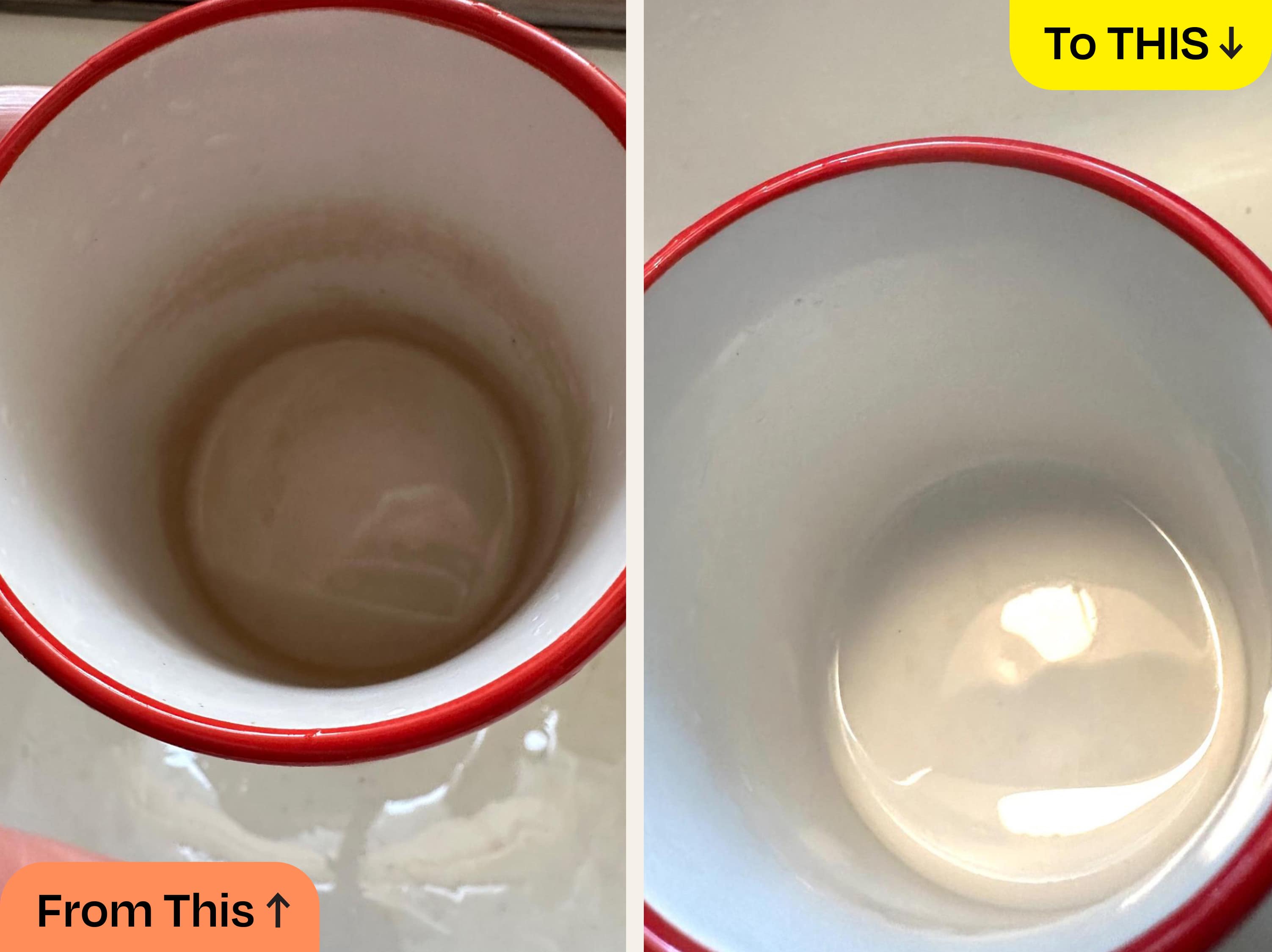
Stubborn stains on a stainless steel coffee mug can spoil its shine. These marks often come from coffee oils and mineral build-up. Regular washing might not remove them completely. Using simple household items can restore your mug’s clean look.
Two effective ways to tackle tough stains are using baking soda and vinegar. Both are natural and safe for stainless steel. They work by breaking down residue and lifting stains without harsh chemicals.
Baking Soda Paste Method
Baking soda is mildly abrasive and helps scrub away stains gently. Mix baking soda with a little water to form a thick paste. Apply this paste to the stained areas using a soft cloth or sponge.
- Rub the paste gently in circular motions.
- Focus on areas with visible stains or discoloration.
- Leave the paste on for 10 minutes to work effectively.
- Rinse the mug thoroughly with warm water after scrubbing.
- Dry the mug with a soft towel to prevent water spots.
This method removes stains without scratching the surface. It also helps neutralize odors inside the mug.
Vinegar Soak Technique
White vinegar dissolves mineral deposits and coffee stains quickly. Fill the mug with equal parts of white vinegar and warm water. Let it soak for 15 to 30 minutes.
- After soaking, use a soft brush or cloth to scrub the inside.
- Pay extra attention to the bottom and corners of the mug.
- Empty the vinegar solution and rinse the mug well.
- Wash with mild dish soap to remove vinegar smell.
- Dry completely with a clean towel.
This soak breaks down stubborn stains without damaging the mug’s finish. Vinegar also helps keep the mug fresh and clean.
Dealing With Odors
Odors in stainless steel coffee mugs can be stubborn. They often come from leftover coffee oils or from long storage. Removing these smells is important to enjoy fresh drinks every time. Simple ingredients found at home can help refresh your mug effectively.
Lemon Juice Freshening
Lemon juice is a natural deodorizer. Its acidity breaks down coffee oils that cause smells. Squeeze fresh lemon juice into the mug. Add warm water to fill the mug halfway. Let it sit for 10 to 15 minutes. Use a soft brush or sponge to scrub inside gently. Rinse well with warm water and dry thoroughly.
Using Coffee Grounds
Used coffee grounds can absorb unwanted odors. Place a small amount of dry grounds inside the mug. Close the lid and shake gently to spread grounds. Let it sit overnight to absorb smells. Next morning, empty the grounds and wash the mug with soap and water. This method leaves your mug smelling fresh without harsh chemicals.
Cleaning The Lid And Seals
Cleaning the lid and seals of your stainless steel coffee mug is just as important as cleaning the mug itself. These parts often trap moisture, coffee oils, and residue, which can lead to unpleasant odors or even mold. Paying close attention to these components will keep your mug fresh and extend its lifespan.
Disassembling Components
Start by carefully taking apart the lid. Most stainless steel coffee mugs have removable seals and sometimes small parts like valves or sliders. Gently pull out the silicone or rubber seals—these are common spots for buildup.
Keep track of each piece as you disassemble. If you miss a tiny part, reassembling can be tricky. Don’t force anything; if a piece feels stuck, try wiggling it gently or check the manufacturer’s guide for tips.
Soaking And Scrubbing Tips
Once disassembled, soak the lid parts and seals in warm, soapy water for about 15-20 minutes. This loosens stuck-on coffee oils and grime. Use a soft brush or an old toothbrush to scrub hard-to-reach crevices gently.
For stubborn stains or odors, sprinkle a bit of baking soda on the brush before scrubbing. Avoid harsh scrubbing tools that could damage seals or scratch the lid. After cleaning, rinse thoroughly with clean water and let all parts air dry completely before putting them back together.
Credit: www.thekitchn.com
Drying And Storage Tips
Proper drying and storage of your stainless steel coffee mug are key to keeping it fresh and rust-free. Leaving moisture inside can cause unpleasant smells or even damage the mug over time. Let’s look at how you can dry and store your mug effectively to extend its life and maintain its shine.
Air Drying Best Practices
After washing your mug, avoid wiping it immediately with a towel. Instead, place it upside down on a drying rack to let water drip out naturally. This prevents any lint or bacteria from towels from transferring to your mug’s surface.
If you have a busy kitchen, find a spot with good airflow to speed up the drying process. Leaving the lid off during drying helps air circulate inside the mug, reducing trapped moisture. Have you noticed how some mugs still smell musty even after washing? Often, it’s because they weren’t dried properly.
Preventing Moisture Buildup
Storing your mug with the lid on traps moisture inside, which encourages mold and odors. Make it a habit to store your mug with the lid removed or loosely placed. This simple step lets any leftover moisture evaporate before the next use.
Consider using a small silica gel packet in your storage area to absorb excess humidity. If your mug has a rubber seal, remove and dry it separately to avoid moisture buildup there. How often do you check inside your mug before using it? A quick inspection can save you from unpleasant surprises.
Avoiding Common Mistakes
Avoiding common mistakes is key to keeping your stainless steel coffee mug in top shape. Small errors in cleaning can lead to stains, odors, or damage over time. Understanding what to avoid helps you protect your mug’s finish and ensures it stays fresh for every use.
Using Harsh Chemicals
Many people think scrubbing with strong chemicals will clean better, but it often harms your mug’s surface. Bleach, ammonia, or abrasive cleaners can strip the protective layer and cause discoloration.
Instead, choose mild dish soap or natural cleaners like baking soda and vinegar. These options clean effectively without risking damage. Have you ever noticed your mug looking dull or scratched after a tough cleaning session? That’s usually a sign of harsh chemical use.
Dishwasher Risks
You might assume a stainless steel coffee mug is dishwasher safe, but that’s not always true. High heat and strong detergents in dishwashers can warp the mug or break seals.
Hand washing is safer and extends your mug’s life. If you do use a dishwasher, check the manufacturer’s instructions first. How often do you inspect your mug for signs of wear after dishwashing?

Credit: www.reddit.com
Frequently Asked Questions
How Often Should I Clean My Stainless Steel Coffee Mug?
Clean your stainless steel coffee mug daily to avoid stains and odors. Regular cleaning prevents bacteria buildup and maintains taste quality. For heavy stains, use deep cleaning methods weekly. Proper cleaning ensures durability and keeps your mug looking new.
What Is The Best Method To Clean Coffee Stains?
Use a mixture of baking soda and water to scrub coffee stains. This natural method removes stains without damaging the steel. Rinse thoroughly after scrubbing. For stubborn stains, soak the mug in vinegar for 15 minutes before scrubbing.
Can I Use Dishwasher For Stainless Steel Mugs?
Most stainless steel mugs are dishwasher safe, but check the manufacturer’s instructions. Hand washing is gentler and extends mug life. Avoid harsh detergents and high heat to prevent damage. Proper cleaning keeps the mug’s finish shiny and intact.
How Do I Remove Odors From A Stainless Steel Coffee Mug?
Remove odors by soaking the mug in vinegar or lemon water for 10 minutes. Rinse well to eliminate any vinegar smell. Regular cleaning and airing out the mug help prevent odor buildup. Avoid leaving coffee residue in the mug overnight.
Conclusion
Cleaning your stainless steel coffee mug keeps it fresh and safe to use. Regular washing stops stains and bad smells from building up. Use simple tools like soap, water, and a soft brush for best results. Avoid harsh cleaners that can damage the mug’s surface.
A clean mug makes your coffee taste better every time. Take a few minutes to clean it after each use. This small habit keeps your mug looking new and lasting longer. Enjoy your coffee with a clean, shiny mug every day.