
Have you ever wondered if a drying rack for dishes is really necessary in your kitchen? You might be asking yourself if it’s just extra clutter or if it actually makes your life easier.
Imagine cutting down on water spots, keeping your counters dry, and having your dishes ready to put away faster. What if a simple tool could save you time and hassle every day? Keep reading to discover why a drying rack might be exactly what your kitchen needs—and how it could change the way you handle clean dishes for good.

Credit: www.amazon.com
Benefits Of Using A Drying Rack
Using a drying rack for dishes offers more than just a place to put your wet plates and cups. It brings practical benefits that can improve your kitchen routine and hygiene. Let’s look at how a drying rack can make your daily dishwashing easier and healthier.
Saves Counter Space
Drying racks help organize your kitchen by keeping wet dishes in one dedicated spot. This means you avoid clutter and free up space for meal prep or other tasks. If your kitchen counters are small, a compact drying rack can be a game changer.
Have you ever found yourself juggling plates on a crowded sink? A drying rack gives everything a place, preventing that juggling act and making cleanup quicker.
Promotes Air Drying
Air drying is a gentle way to dry dishes without using towels, which can sometimes spread germs. A drying rack allows water to drip off naturally, speeding up the drying process. This reduces the risk of water spots and keeps your dishes looking clean and shiny.
Think about the last time you dried dishes with a towel—did you wonder if it was truly clean? Air drying removes that worry by letting nature do the work.
Reduces Bacterial Growth
Leaving dishes to air dry on a rack helps prevent bacteria buildup. Towels can harbor bacteria if not washed frequently, but a drying rack keeps dishes elevated and well-ventilated. This airflow helps dishes dry faster and stay hygienic.
Have you noticed a musty smell from your dish towels? Using a drying rack can lower your dependence on towels and improve overall kitchen hygiene.

Credit: www.instagram.com
Types Of Drying Racks
Choosing the right drying rack can change how you handle your kitchen chores. Different types of drying racks offer unique benefits depending on your space and lifestyle. Let’s look at some popular styles that might fit your needs.
Over-the-sink Racks
Over-the-sink racks save valuable counter space by fitting right above your sink. This design lets water drip directly into the sink, keeping your counters dry and clean. If you have a small kitchen, this could be a perfect way to keep things organized without clutter.
Many models come with adjustable arms or extra compartments for utensils and cups. Have you noticed how much easier cleanup feels when dishes dry where the water drains immediately? That convenience alone makes over-the-sink racks worth considering.
Foldable Models
Foldable drying racks offer flexibility and easy storage. You can set them up when needed and tuck them away to free up space afterward. This is ideal if you rarely wash dishes by hand or have limited room.
These racks often weigh less and are portable, so you can even take them outdoors for picnics or camping. Do you prefer a rack that disappears when not in use? Foldable models might be exactly what you need.
Wall-mounted Options
Wall-mounted racks keep counters clear by using vertical space efficiently. These racks are fixed to the wall, which means they stay in place and can support heavier items. They often come with hooks or shelves to organize different dish types.
Installing one might require a bit of effort upfront, but the long-term benefits include a tidier kitchen and quicker drying times. Could adding a wall-mounted rack be the step that transforms your kitchen workflow?
Alternatives To Drying Racks
Some people prefer using dish towels or silicone mats instead of drying racks. Others simply dry dishes by hand to save space and time. Air-drying on a clean countertop also works well for small kitchens.
Alternatives to drying racks can simplify your kitchen routine. Many households explore different options. These alternatives offer flexibility and space-saving benefits. Each method has its unique advantages. Let’s delve into some practical choices.
Using Dish Towels
Dish towels are a simple solution. They absorb water efficiently. Lay your dishes on a clean towel. They dry naturally without cluttering your space. Towels are easy to wash and reuse. They come in various sizes for different needs. Choose a towel that matches your kitchen style. Just ensure it’s absorbent for effective drying.
Dishwasher Drying
Modern dishwashers offer drying features. They save time and effort. Load your dishes into the machine. Select the drying cycle. Your dishes emerge spotless and dry. Dishwashers ensure hygiene and convenience. They handle multiple items simultaneously. This method suits busy households. It reduces manual drying tasks. Always check your dishwasher settings for optimal results.
Air Drying On Countertops
Air drying is another option. Place dishes on a clean countertop. Allow them to dry naturally. This method is eco-friendly and cost-effective. It requires minimal effort. Arrange dishes neatly to maximize space. Ensure the countertop is clean and dry. This prevents water stains. Air drying suits small kitchens well. It keeps surfaces clutter-free.
When A Drying Rack Is A Must-have
A drying rack for dishes becomes essential in certain situations. It offers an organized space to air-dry dishes quickly and safely. The convenience it provides can save time and keep your kitchen neat. Below are key scenarios when a drying rack is a must-have in your kitchen.
Small Kitchen Spaces
Limited counter space makes a drying rack vital. It keeps wet dishes off the countertops. This prevents water mess and frees space for cooking. Compact drying racks fit well in tight kitchens. They help maintain order and cleanliness.
Frequent Dishwashing
Daily dishwashing creates a steady flow of wet dishes. A drying rack offers a dedicated spot to place these items. It speeds up drying and reduces clutter. This also keeps your sink area clear for washing more dishes.
Limited Dishwasher Use
Not everyone uses a dishwasher regularly. Some dishes need hand washing or are dishwasher unsafe. A drying rack provides a reliable place to dry these items. It avoids stacking wet dishes, which can cause damage or odors.
Maintenance Tips For Drying Racks
Keeping your drying rack in good shape not only extends its life but also keeps your dishes hygienic. Proper maintenance prevents buildup of grime and mold, which can be sneaky and affect your kitchen’s cleanliness. Here are some practical tips to help you care for your drying rack effectively.
Regular Cleaning
Make cleaning your drying rack a routine. A quick wipe-down every day removes water spots and food particles that can cause stains.
Once a week, soak the rack in warm, soapy water to loosen any stuck-on residue. Use a soft brush to reach tight corners. This simple habit keeps your rack looking fresh and prevents dirt buildup.
Preventing Mold
Mold loves damp environments, and your drying rack can become a perfect breeding ground if left wet for too long. After each use, make sure to drain excess water and allow the rack to air dry completely.
If you notice any mold spots, scrub them immediately with a vinegar solution. This natural cleaner is effective and safe for kitchen use. Do you check your drying rack regularly for hidden mold?
Material Durability
The material of your drying rack affects how you maintain it. Stainless steel racks resist rust but still need drying to avoid water spots.
Plastic racks are easier to clean but can crack over time if exposed to harsh cleaners or high heat. Wooden racks require oiling occasionally to prevent drying out and cracking.
Choose cleaning methods that match your rack’s material to keep it sturdy and long-lasting.
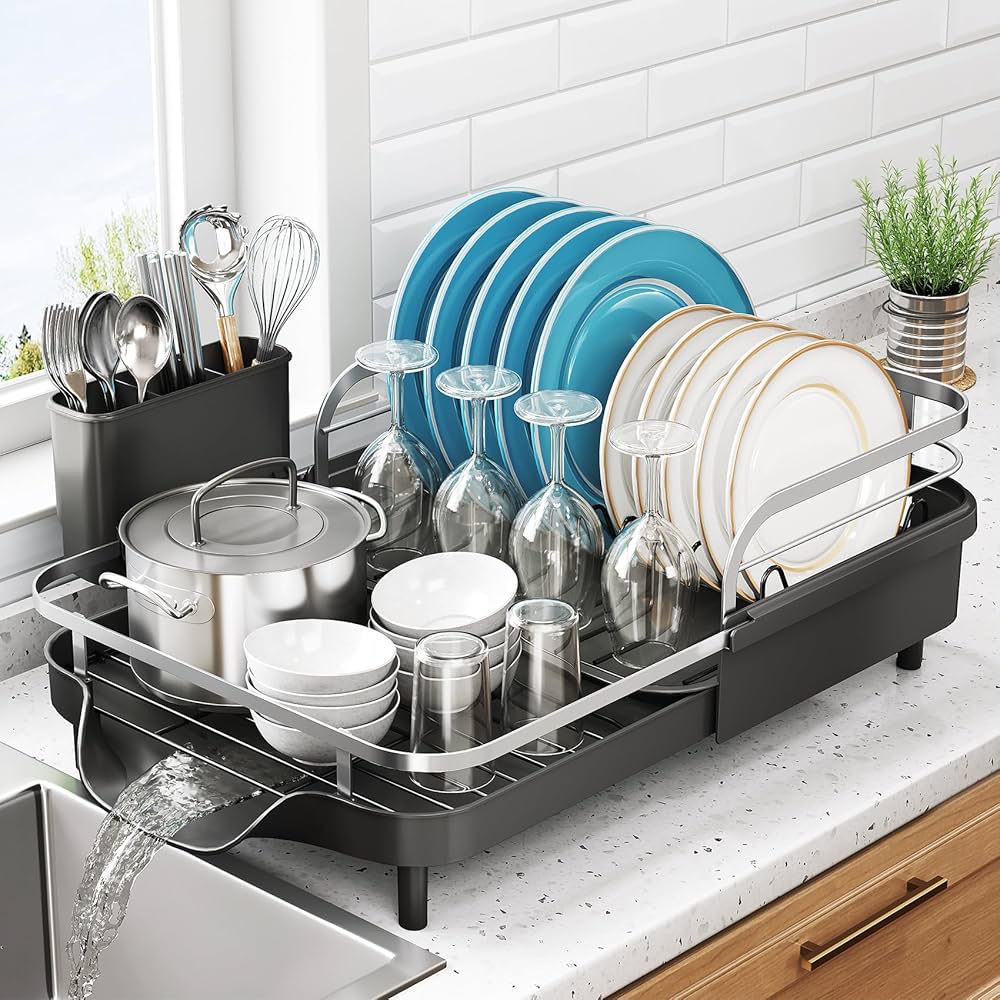
Credit: www.amazon.com
Frequently Asked Questions
Is A Drying Rack For Dishes Really Necessary?
A drying rack helps air-dry dishes efficiently and prevents water spots. It saves counter space and reduces the need for towels, promoting hygiene. While not essential, it improves kitchen organization and drying speed, making it a practical addition for most households.
Can Drying Racks Save Kitchen Space Effectively?
Yes, drying racks organize dishes vertically, freeing up counter space. Compact designs fit small kitchens well, keeping counters clutter-free. They provide dedicated drying areas, improving kitchen workflow and cleanliness. This makes drying racks a smart solution for space-saving in any kitchen.
Are Drying Racks More Hygienic Than Towels?
Drying racks air-dry dishes, reducing bacteria growth common on damp towels. Towels can harbor germs if not changed regularly. Air drying also prevents lint transfer from towels to dishes. Overall, drying racks offer a cleaner, more hygienic option for drying dishes.
What Types Of Drying Racks Suit Different Kitchens?
There are countertop, over-sink, and foldable drying racks. Countertop racks fit most kitchens; over-sink racks save space and allow drainage. Foldable racks are portable and easy to store. Choosing depends on kitchen size, layout, and drying needs for optimal convenience.
Conclusion
A drying rack for dishes makes kitchen work easier and faster. It saves space and helps dishes dry without water spots. Using one keeps counters clean and free from drips. It also helps keep your kitchen organized. Small or large kitchens can benefit from a drying rack.
Choosing the right rack depends on your needs and space. Overall, a drying rack is a simple tool that brings many benefits. It helps keep your kitchen neat and your dishes ready to use. Worth considering for every home.