
Are you curious if bamboo food storage containers are truly safe for you and your family? With so many options on the market, it’s easy to feel overwhelmed and unsure about what’s best for your kitchen.
You want containers that keep your food fresh without harmful chemicals or hidden risks. You’ll discover the truth about bamboo containers—their safety, benefits, and what to watch out for. By the end, you’ll have the confidence to choose the right storage solution that protects both your health and the environment.
Keep reading to find out what you need to know before making your next purchase.
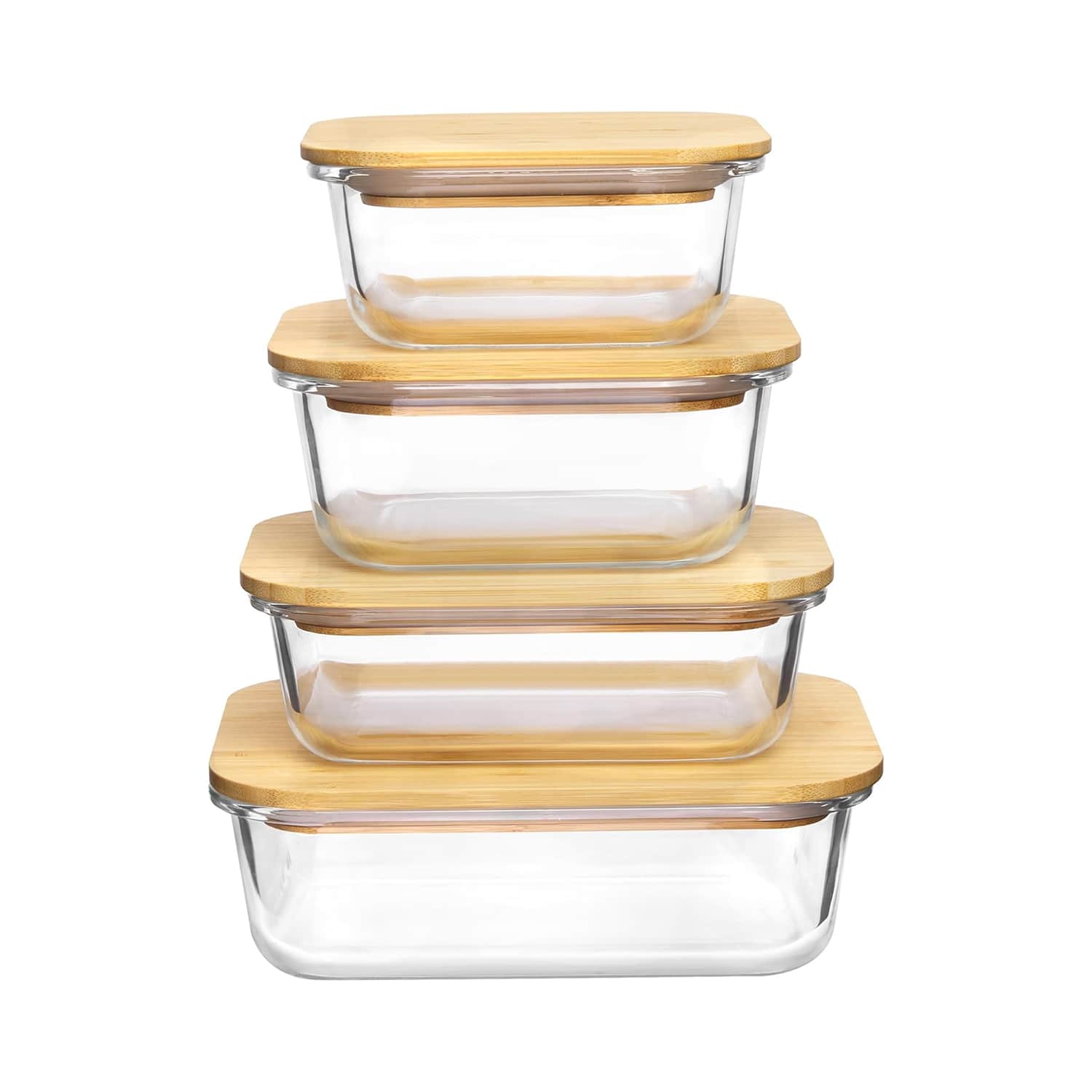
Credit: www.thekitchn.com
Bamboo Containers And Food Safety
Bamboo containers have grown in popularity as eco-friendly food storage options. People often wonder if bamboo is safe to store food. Understanding bamboo’s natural qualities and common safety concerns helps make better choices. This section explores the safety of bamboo containers for food storage.
Natural Properties Of Bamboo
Bamboo is a natural material known for its strength and durability. It contains natural antibacterial agents that help reduce bacteria growth. Bamboo is also lightweight and resistant to moisture. These qualities make it a good choice for food containers. Bamboo does not absorb odors or flavors, keeping food fresh. It is biodegradable and does not release harmful chemicals. This makes bamboo a safer option compared to some plastics or metals.
Common Concerns About Bamboo Storage
Some worry about chemicals used in bamboo containers. Many bamboo products use natural, non-toxic finishes. But some cheaper containers may have harmful coatings. It is important to check labels for food-safe certification. Another concern is bamboo’s porosity. Bamboo can absorb moisture if not sealed well. This may cause mold or bacteria growth over time. Proper cleaning and drying are essential for safety. Avoid putting bamboo containers in microwaves or dishwashers. These can damage the bamboo or coatings. Choosing high-quality bamboo containers reduces most risks.
Materials Used In Bamboo Containers
Bamboo food storage containers use a mix of natural and synthetic materials. Understanding these materials helps you decide if the containers are safe for daily use. The main components include bamboo fiber and resin. These work together to create a durable and eco-friendly product.
Bamboo Fiber And Resin Composition
Bamboo fiber forms the base of these containers. It is strong, lightweight, and biodegradable. The fiber comes from the bamboo plant, known for fast growth and renewability. Resin binds the bamboo fibers, giving the container shape and durability.
The resin is usually a type of food-safe plastic. It helps prevent water and air from spoiling the food. This combination of bamboo fiber and resin ensures the container is sturdy and reusable.
Potential Chemicals And Additives
Some bamboo containers may contain added chemicals. These additives improve color, texture, or resistance to heat. Common additives include melamine or formaldehyde-based resins.
Check product labels to avoid harmful chemicals. Choose containers certified as BPA-free and food-safe. The safest bamboo containers use natural resins and no toxic additives.
Health Risks And Benefits
Bamboo food storage containers offer a natural alternative to plastic and metal options. Understanding their health risks and benefits helps you decide if they suit your kitchen needs. Safety depends on material quality and how containers are made. Here, we explore potential toxins and beneficial features of bamboo storage containers.
Possible Toxins And Contaminants
Low-quality bamboo containers may contain harmful chemicals. Some are treated with pesticides during growth. Others use glues or coatings that release toxins. Choose containers labeled food-safe and BPA-free to avoid risks. Check for certification from health authorities. Avoid cracked or damaged containers, as bacteria can grow inside. Proper cleaning reduces contamination risks significantly.
Antibacterial And Eco-friendly Features
Bamboo naturally fights bacteria and fungi. Its dense fibers make it hard for germs to live. This helps keep your food fresher longer. Bamboo is renewable and grows quickly without pesticides. Using bamboo containers reduces plastic waste and pollution. They are biodegradable, breaking down safely after use. This makes them a smart choice for health and environment.

Credit: www.amazon.co.uk
Comparing Bamboo To Other Containers
Bamboo containers offer a natural alternative to plastic and glass. They are lightweight, eco-friendly, and free from harmful chemicals. Safety depends on quality and proper care.
Comparing Bamboo to Other Containers Bamboo food storage containers are gaining popularity. They are known for being eco-friendly and sustainable. But how do they measure up to other types of containers? Let’s take a closer look.
Plastic Vs Bamboo
Plastic containers are common in many kitchens. They are lightweight and inexpensive. But they can leach chemicals into food. Bamboo containers are a safer alternative. They are free from harmful chemicals. Plus, bamboo is biodegradable, reducing environmental impact.
Glass And Metal Alternatives
Glass containers are durable and do not retain odors. They are easy to clean but can break easily. Metal containers are strong and long-lasting. They are resistant to stains and odors. Yet, both glass and metal are heavier and less sustainable. Bamboo offers a light and eco-friendly option. It combines safety with environmental benefits.
Safe Usage Tips
Using bamboo food storage containers safely helps keep your food fresh and the containers lasting longer. Proper care avoids damage and keeps harmful bacteria away. Follow easy tips for cleaning and use to enjoy these eco-friendly containers.
Cleaning And Maintenance
Clean bamboo containers with mild soap and warm water. Avoid soaking them for long periods to prevent warping. Use a soft cloth or sponge to wipe gently. Dry the container completely before storing it. This stops mold and bacteria growth.
Do not use harsh chemicals or bleach on bamboo. These can damage the surface and make it unsafe. Occasionally, rub natural oil like coconut oil on the container. This helps keep the bamboo smooth and water-resistant.
Avoiding Heat And Microwave Use
Bamboo containers are not heat-resistant. Do not place them in microwaves or ovens. Heat can crack or warp the bamboo, ruining the container. Also, avoid putting hot food directly inside. Let food cool before storing it.
Keep bamboo containers away from direct sunlight and heat sources. This helps prevent drying and cracking. Use bamboo containers only for cold or room-temperature food items. This keeps them safe and durable for daily use.
Certifications And Standards
Certifications and standards play a key role in determining the safety of bamboo food storage containers. These labels and guidelines assure consumers that the products meet strict health and safety requirements. They verify that materials used are free from harmful chemicals and safe for storing food.
Understanding these certifications helps in making informed choices. Trusted labels indicate that the container materials do not contaminate food or cause health risks. These marks also show compliance with global safety regulations.
Food-grade Labels To Look For
- FDA Approved:Shows compliance with U.S. food safety rules.
- LFGB Certification:A German standard ensuring no toxic substances.
- BPA Free:Confirms the absence of harmful plastic chemicals.
- EN 71-3:European safety standard for materials in contact with food.
- SGS Testing:Independent lab testing for product safety and quality.
Regulatory Guidelines Worldwide
Different countries set their own rules for food container safety. These regulations help protect consumers from harmful exposure.
| Region | Key Regulatory Body | Focus Area |
|---|---|---|
| United States | FDA (Food and Drug Administration) | Material safety, chemical migration limits |
| European Union | EFSA (European Food Safety Authority) | Food contact materials, chemical safety |
| China | CFDA (China Food and Drug Administration) | Food contact material standards |
| Japan | MOHLW (Ministry of Health, Labour and Welfare) | Food container safety and hygiene |
Choosing bamboo containers that meet these certifications ensures safer use. Certified products reduce risks of contamination and health hazards. Always check for these labels before purchasing bamboo food storage containers.
Customer Reviews And Expert Opinions
Understanding the safety of bamboo food storage containers involves listening to both customers and experts. Their views reveal important details about the containers’ quality and health impact. This section gathers real user feedback and professional advice to help you decide.
Common User Experiences
Many users praise bamboo containers for being eco-friendly and stylish. They often mention how lightweight and durable these containers feel. Some users note that the containers keep food fresh for several hours. A few customers report slight odor in new containers but say it fades quickly. Cleaning ease is a popular positive point among users. There are occasional mentions of cracks if dropped hard. Overall, users find bamboo containers reliable for daily use.
Insights From Health Experts
Health experts confirm bamboo is a natural material with low toxicity risk. They highlight that bamboo containers usually have food-safe coatings. Experts warn to check for BPA-free labels on any plastic parts. Some point out that bamboo containers are less likely to harbor bacteria than plastic ones. They advise avoiding bamboo containers with damaged coatings. Experts agree bamboo containers are safe if used and cleaned properly. They recommend avoiding prolonged storage of very wet foods to prevent mold.
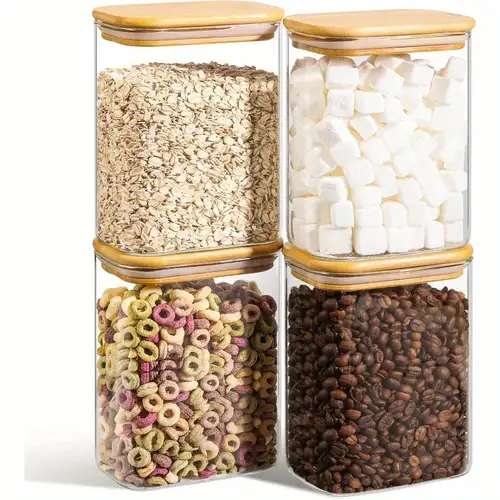
Credit: www.temu.com
Frequently Asked Questions
Are Bamboo Food Storage Containers Non-toxic?
Yes, bamboo containers are naturally non-toxic and free from harmful chemicals. They are safe for storing food without contamination risks.
Can Bamboo Containers Keep Food Fresh Longer?
Bamboo containers offer moderate freshness retention. They are breathable, which helps reduce moisture buildup but may not seal airtight.
Are Bamboo Food Storage Containers Eco-friendly?
Absolutely, bamboo is a renewable resource. Using bamboo containers reduces plastic waste and supports sustainable environmental practices.
How To Clean Bamboo Food Storage Containers Safely?
Clean with mild soap and warm water. Avoid soaking or using harsh detergents to prevent damage and extend container life.
Conclusion
Bamboo food storage containers offer a safe and eco-friendly option. They do not contain harmful chemicals like plastic. These containers are durable and naturally antibacterial. Cleaning them properly keeps your food fresh and safe. Choose containers made from high-quality bamboo for best results.
Remember to avoid soaking them in water for long. With simple care, bamboo containers last long and protect your food. They support a healthier kitchen and planet. A smart, natural choice for everyday food storage.