
When it comes to storing your food, safety is probably your top concern. You want containers that won’t leak harmful chemicals or spoil your meals.
Polycarbonate containers are popular because they’re sturdy and clear, but you might wonder: are these containers truly safe for your food? Understanding what polycarbonate is and how it interacts with your food can help you make smarter choices for your kitchen.
Keep reading to discover the facts that could protect your health and keep your food fresh.
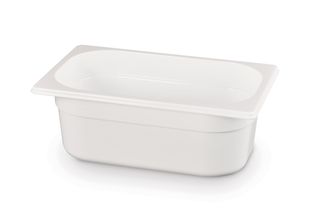
Credit: www.hendi.eu
Polycarbonate In Food Containers
Polycarbonate is a popular material used in many food containers. People choose it for its strength and clear appearance. Understanding what polycarbonate is and how it is used helps in deciding if it is safe for food storage.
What Is Polycarbonate?
Polycarbonate is a strong, lightweight plastic. It is clear like glass but much more durable. This material can handle heat well and does not break easily. It is made through a chemical process that links many small molecules together. This process creates a tough, stable plastic.
Common Uses In Food Storage
Polycarbonate is found in many types of food containers. These include:
- Reusable water bottles
- Lunch boxes
- Storage jars
- Baby bottles (older models)
- Food storage bins
The material is chosen because it is lightweight and clear. This helps users see the food inside easily. Its strength allows containers to last long and resist cracking or breaking.
Safety Concerns
When choosing containers for food storage, safety is a top priority. Polycarbonate containers have been popular for their durability and clarity, but concerns about their safety have surfaced over the years. Understanding these concerns helps you make informed decisions for your kitchen and family.
Bpa And Its Impact
Polycarbonate plastics often contain Bisphenol A (BPA), a chemical used during manufacturing. BPA can leach into food, especially when containers are heated or scratched.
Studies suggest that BPA exposure may disrupt hormones and affect health, particularly in children and pregnant women. You might ask yourself: is it worth the risk to use these containers daily?
Many people switch to BPA-free alternatives to avoid potential problems. Checking product labels for BPA-free certification can help you pick safer options.
Regulatory Standards
Government agencies like the FDA and EFSA set limits on BPA levels in food containers. These standards aim to keep exposure below harmful levels.
However, regulations vary by country and sometimes change as new research emerges. Staying updated on these standards ensures you use containers that meet current safety guidelines.
Have you checked if your polycarbonate containers comply with the latest safety standards? It’s a simple step that can protect your health and peace of mind.
Scientific Research Findings
Scientific research has closely examined the safety of polycarbonate containers for food storage. These studies aim to identify any potential risks from chemical substances that might leach into your food. Understanding the findings can help you decide if using these containers fits your health priorities.
Studies On Chemical Leaching
Several studies have tested how much, if any, chemicals like Bisphenol A (BPA) leach from polycarbonate containers into food. Researchers often simulate real-life conditions such as heating or storing acidic foods to see if chemical release increases.
Results show that under normal use, BPA leaching is minimal. However, heating polycarbonate containers to high temperatures or storing highly acidic foods can increase chemical release. This raises an important question: are you using your containers in a way that could raise risks?
Knowing this, you might want to avoid microwaving polycarbonate containers or using them for citrus-based foods. Simple habits like this can reduce your exposure to unwanted chemicals.
Health Risk Assessments
Health agencies worldwide have analyzed the data to assess the risks BPA exposure may pose from polycarbonate food containers. Most agree that low-level exposure from occasional use is unlikely to cause harm.
Still, certain groups such as pregnant women, infants, and children are advised to limit exposure as a precaution. This is because their developing bodies might be more sensitive to chemical effects.
Understanding your household’s specific needs can guide safer choices. Would switching to BPA-free or glass containers make a difference for you? Considering such alternatives might offer peace of mind without sacrificing convenience.
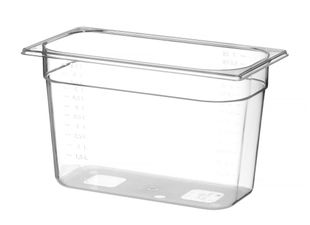
Credit: www.hendi.eu
Alternatives To Polycarbonate Containers
Polycarbonate containers have been popular for food storage. But concerns over safety lead many to explore alternatives. Choosing the right material ensures food safety and sustainability. Below are some excellent options that provide peace of mind.
Bpa-free Plastics
BPA-free plastics are a safer choice for food storage. They do not contain harmful chemicals found in polycarbonate. Many brands offer BPA-free options that are durable and affordable. These containers come in various shapes and sizes. They are lightweight and easy to handle. BPA-free plastics are also dishwasher safe, making them convenient.
Glass And Stainless Steel Options
Glass containers are a classic choice for storing food. They are non-toxic and do not leach chemicals. Glass is transparent, allowing easy identification of stored items. It is also microwave and dishwasher safe. Stainless steel is another excellent option. It is durable, non-reactive, and easy to clean. These containers are ideal for both hot and cold foods. Stainless steel does not retain odors, keeping food fresh.
Best Practices For Safe Food Storage
Storing food safely in polycarbonate containers depends on proper care and use. These containers are strong but need attention to keep food fresh and safe. Follow some key practices to protect your health and maintain container quality.
Proper Use And Care
Always wash containers with mild soap and warm water. Avoid using abrasive scrubbers that can scratch the surface. Scratches may trap bacteria and cause damage. Use containers only for cold or room temperature foods. Avoid heating food inside polycarbonate containers in microwaves. Heat can cause chemicals to leach into food. Store containers in a cool, dry place when not in use. Keep lids tightly closed to prevent contamination. Avoid putting containers in the dishwasher if the manufacturer advises against it.
Signs To Replace Containers
Check containers regularly for cracks, discoloration, or cloudiness. These signs show wear and potential chemical breakdown. Replace containers if lids no longer fit properly or seal tightly. Any strong odors that don’t wash away signal the container is no longer safe. Avoid using damaged containers to prevent food contamination. Using new, intact containers helps keep your food safe and fresh.
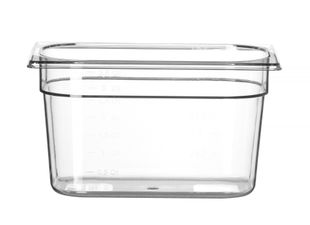
Credit: www.hendi.eu
Frequently Asked Questions
Are Polycarbonate Containers Safe For Food Storage?
Polycarbonate containers are generally safe for food storage when BPA-free. They resist heat and impact well. However, avoid using old or scratched containers, as they may leach chemicals. Always check for food-grade labels to ensure safety.
Can Polycarbonate Containers Release Harmful Chemicals?
Yes, polycarbonate containers can release BPA, a harmful chemical, especially when heated. BPA exposure may affect health. Choosing BPA-free polycarbonate or alternative materials reduces this risk. Avoid microwaving or washing in hot water to minimize chemical release.
How To Identify Food-safe Polycarbonate Containers?
Look for labels stating “BPA-free” or “food-grade polycarbonate. ” These indicate safety for food use. Also, check recycling codes; 7 often includes polycarbonate. Avoid containers with cracks or discoloration, as they may leach chemicals. Proper labeling ensures safer food storage.
Are Polycarbonate Containers Better Than Plastic Alternatives?
Polycarbonate containers are durable and heat-resistant but may contain BPA. Alternatives like polypropylene are BPA-free but less heat-resistant. Choosing BPA-free polycarbonate balances durability and safety. Always consider container use and BPA content when selecting food storage options.
Conclusion
Polycarbonate containers can be safe for food storage if they meet safety standards. Choose BPA-free products to avoid health risks. Avoid heating food in these containers to prevent chemical release. Regularly check for cracks or damage and replace if needed.
Safe use depends on proper care and product quality. Understanding these points helps keep your food safe. Always prioritize containers labeled safe for food use. Simple steps protect your health and food quality.