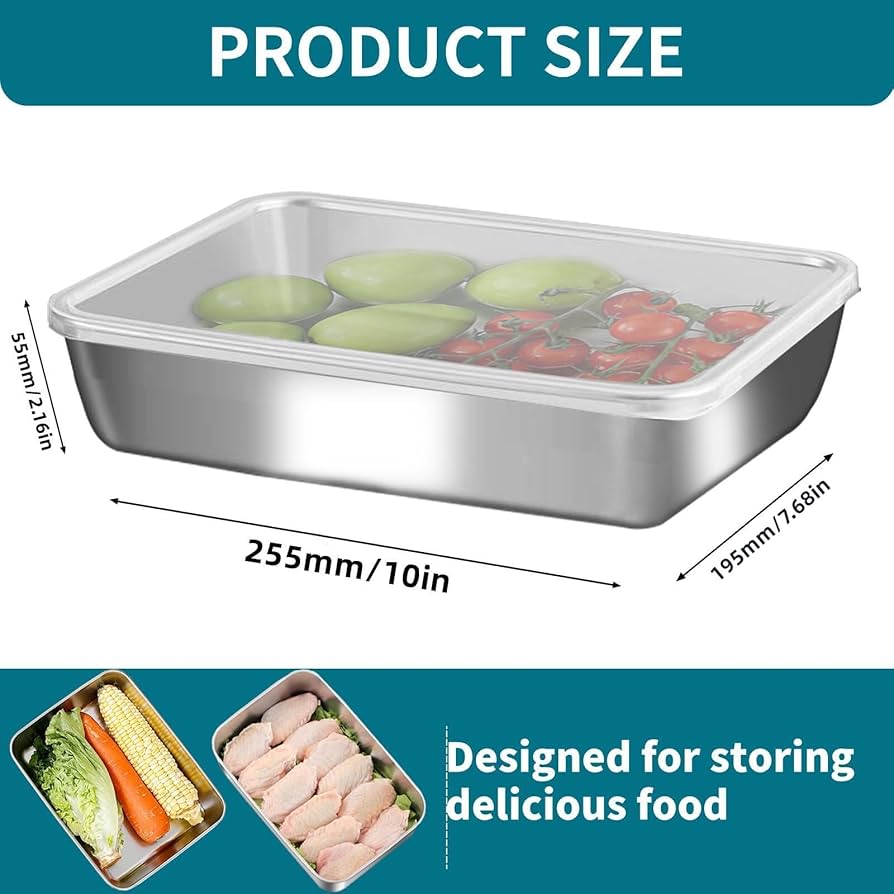
Are you worried about what’s really safe to store your food in? When it comes to keeping your meals fresh and healthy, the container you choose matters more than you might think.
Stainless steel containers have become popular, but are they truly safe for your food? You’ll discover what makes stainless steel a top choice—or if there’s a hidden risk you need to know about. Keep reading to find out how your food storage could affect your health and why your next container might just be stainless steel.

Credit: www.hammacher.com
Benefits Of Stainless Steel Containers
Choosing the right container for your food storage is more important than many realize. Stainless steel containers offer a range of benefits that make them a smart choice for keeping your food fresh and safe. Understanding these benefits can help you decide if they fit your kitchen needs.
Durability And Longevity
Stainless steel containers are incredibly tough. They resist dents, cracks, and breaks that often happen with plastic or glass containers. You can drop them or stack them in your pantry without worrying about damage.
Over time, this durability means you won’t have to replace your containers frequently. Have you ever thrown away a container because it broke or warped? With stainless steel, that’s much less likely to happen.
Non-toxic And Chemical-free
Many plastic containers contain chemicals that can seep into your food, especially when heated. Stainless steel is free from harmful substances like BPA and phthalates. It doesn’t release toxins, even when storing hot or acidic foods.
This makes stainless steel safer for your health and ideal for storing leftovers or meal prepping. Have you ever worried about the safety of your containers? Stainless steel can put those concerns to rest.
Resistance To Stains And Odors
One common problem with food storage is containers holding onto smells or stains from previous meals. Stainless steel resists both odors and stains, keeping your containers fresh-smelling and looking clean longer.
Think about how your plastic containers sometimes smell like garlic or curry even after washing. Stainless steel containers avoid this issue, saving you time and effort. Wouldn’t you prefer containers that don’t carry over last week’s lunch smell?

Credit: www.amazon.com
Potential Health Concerns
Stainless steel containers are popular for storing food due to their durability and resistance to corrosion. Still, some people worry about health risks from using these containers regularly. Understanding potential health concerns helps you make safer choices for food storage.
Nickel And Chromium Leaching
Stainless steel contains metals like nickel and chromium. Small amounts of these metals can sometimes leach into food. This happens especially when the container is scratched or old. The leaching is usually very low and not harmful to most people. But long-term exposure to high levels of nickel or chromium may cause health problems.
Effects Of Acidic Foods
Acidic foods like tomatoes or citrus fruits can increase metal leaching. The acid reacts with the metal surface, causing tiny amounts to mix with the food. This process may change the taste or color of the food. Using containers with higher quality stainless steel reduces this risk. Avoid storing very acidic foods for long periods in stainless steel containers.
Allergic Reactions
Some people are allergic to nickel, a common metal in stainless steel. Even small exposure can trigger skin rashes or irritation. These allergic reactions are rare but possible. People with known metal allergies should consider alternatives like glass or BPA-free plastic containers. Stainless steel containers labeled as “nickel-free” or “low nickel” may also help reduce risks.
Comparing Stainless Steel With Other Materials
Stainless steel containers resist rust and do not leach chemicals into food. Unlike plastic or aluminum, they offer safer, long-lasting storage options. Their durability and non-reactive surface make them ideal for preserving food quality.
Comparing stainless steel with other materials for food storage can be a game-changer for your kitchen. Each material comes with its own set of advantages and drawbacks. Understanding these can help you make informed decisions about the best way to store your food.
Plastic Containers
Plastic containers are a popular choice due to their lightweight and affordable nature. However, not all plastics are created equal. Some may contain harmful chemicals like BPA, which can leach into your food, especially when heated. On the other hand, BPA-free plastics offer a safer alternative but may not match the durability of stainless steel. While they are convenient, their lifespan is generally shorter, leading to more frequent replacements. If you’re conscious of environmental impact, consider how often you replace plastic containers.
Glass Containers
Glass containers provide a clear advantage—literally. You can easily see what’s inside, making meal prep and leftovers a breeze. They are non-reactive, ensuring that no chemicals leach into your food, even when microwaved. However, glass is fragile. Accidental drops can lead to shattered pieces, posing a safety risk. They can also be cumbersome to transport, especially when filled with liquids. Is the peace of mind worth the extra care needed to handle them?
Aluminum Containers
Aluminum is lightweight and conducts heat well, making it ideal for cooking and short-term storage. However, when it comes to long-term food storage, aluminum can react with acidic or salty foods, potentially altering the taste and safety of your meals. While they are often lined with non-stick coatings to mitigate this, these coatings can wear off over time. This raises questions about their longevity and safety. Are you willing to compromise on taste and safety for convenience? When choosing the best material for food storage, it’s vital to weigh the pros and cons of each option. Think about your specific needs and preferences. What works best for one person might not suit another. So, what’s in your kitchen?
Safe Usage Tips
Safe usage of stainless steel containers protects your food and extends container life. Follow simple tips to keep food fresh and containers in good shape. Proper handling avoids contamination and damage.
Choosing The Right Grade
Select food-grade stainless steel like 304 or 316. These grades resist rust and corrosion. Avoid lower grades as they may leach metals into food. Look for labels stating “food safe” or “FDA approved.”
Cleaning And Maintenance
Wash containers with warm, soapy water after every use. Use a soft sponge to prevent scratches. Avoid harsh chemicals or bleach that can damage the surface. Dry containers thoroughly to stop water spots and rust.
Avoiding High Heat Damage
Do not expose containers to open flames or very high heat. High heat can warp or discolor the metal. Use stainless steel containers only for storing or serving, not cooking directly on stovetops. Let hot food cool slightly before placing it inside.
Environmental Impact
Stainless steel containers offer a positive environmental impact compared to many alternatives. Their durability and reusability reduce waste. Choosing stainless steel supports a cleaner planet and fewer plastic products.
Recyclability
Stainless steel is 100% recyclable without losing quality. It can be melted down and reused endlessly. Recycling stainless steel saves energy and reduces raw material extraction.
Many recycling centers accept stainless steel containers. This helps keep metal out of landfills. Recycling lowers greenhouse gas emissions and conserves natural resources.
Sustainability Benefits
Stainless steel containers last for years with proper care. They do not leach harmful chemicals into food. This makes them safer for health and the environment.
Using stainless steel reduces single-use plastic waste. It cuts down on pollution in oceans and land. Stainless steel’s strength means fewer replacements, less trash overall.
Credit: www.vinodsteel.com
Frequently Asked Questions
Are Stainless Steel Containers Toxic For Food Storage?
No, stainless steel containers are non-toxic and food-safe. They don’t leach chemicals or harmful substances into food, making them a healthy choice for storage.
Do Stainless Steel Containers Keep Food Fresh Longer?
Yes, stainless steel containers prevent moisture and air exposure. This helps maintain food freshness and quality for a longer time compared to plastic containers.
Can Stainless Steel Containers Store Acidic Foods Safely?
Absolutely, stainless steel resists corrosion from acidic foods. It won’t react or alter the taste, ensuring safe and fresh storage of acidic items like tomatoes or citrus fruits.
Are Stainless Steel Containers Dishwasher Safe?
Most stainless steel containers are dishwasher safe. They can withstand high temperatures without damage, making cleaning convenient and hygienic.
Conclusion
Stainless steel containers keep food fresh and safe. They do not leak harmful chemicals. Cleaning them is easy and quick. These containers last a long time without rusting. They handle heat well and do not stain. Using them helps reduce plastic waste.
Many people trust stainless steel for food storage. Choosing these containers supports a healthy lifestyle. Consider stainless steel for safe, simple food storage.