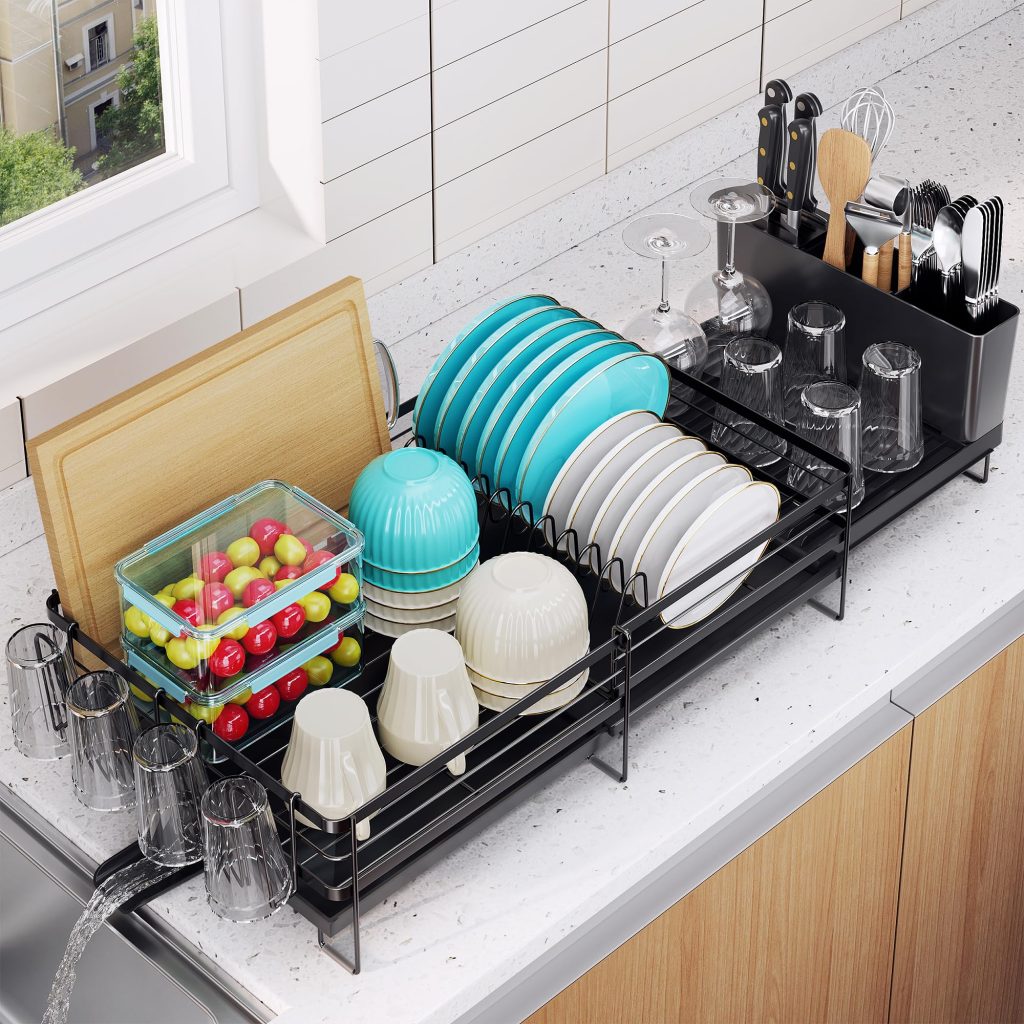
Are you tired of water pooling under your dish drying rack and making a mess on your countertop? Wondering what you should put beneath it to keep things clean and dry?
You’re not alone. Finding the right solution can save you time, prevent damage, and keep your kitchen looking neat. You’ll discover simple, effective options that work perfectly under your dish drying rack. Keep reading to learn how to protect your surfaces and make your kitchen routine smoother.
Choosing The Right Base
Choosing the right base for your dish drying rack is essential for keeping your kitchen clean and dry. The base supports the rack and catches water dripping from dishes. Picking the right one prevents water damage and keeps your countertop tidy. Consider the material, size, and water absorption abilities of the base. These factors help maintain hygiene and protect surfaces from moisture.
Material Options
Bases come in various materials, each with pros and cons. Silicone mats are soft and easy to clean. They prevent slipping and resist mold. Plastic trays are lightweight and often have grooves to collect water. Bamboo bases offer a natural look and good durability but need regular drying to avoid mildew. Rubber mats provide strong grip and durability but may stain over time.
Size And Fit
The base must match your drying rack size. A too-small base causes water to spill on the countertop. A too-large base takes extra space and looks awkward. Measure your rack’s bottom area carefully. Allow some space for water to collect without overflowing. Choose a base shape that fits well under your rack, whether rectangular, square, or round.
Water Absorption
Water absorption ability is key to avoid pooling. Absorbent materials soak up water quickly and keep the surface dry. Microfiber mats absorb well and dry fast. Non-absorbent trays collect water and need emptying. Consider how often you want to clean or empty the base. A balance between absorption and ease of cleaning makes daily use simple.

Credit: www.wayfair.com
Popular Materials To Use
Choosing the right material to place under your dish drying rack can make a big difference in keeping your kitchen counter tidy and dry. The material you select should absorb water efficiently, resist mold, and be easy to clean. Here’s a look at some popular options that many people find reliable and practical.
Silicone Mats
Silicone mats are a favorite for their durability and water resistance. They provide a non-slip surface that keeps your drying rack stable, which is great if you have limited counter space. Plus, silicone mats are easy to rinse off or wipe down, so maintenance is simple.
One time, I switched to a silicone mat after my old towel started smelling musty. The difference was clear—no more damp smells and my drying rack stayed put.
Microfiber Towels
Microfiber towels are soft and highly absorbent, making them excellent for soaking up water that drips from your dishes. They dry quickly, reducing the risk of mildew forming underneath your rack. Just remember to wash them regularly to keep them fresh and effective.
If you like a budget-friendly option that also works well for other kitchen tasks, microfiber towels might be your best bet.
Plastic Trays
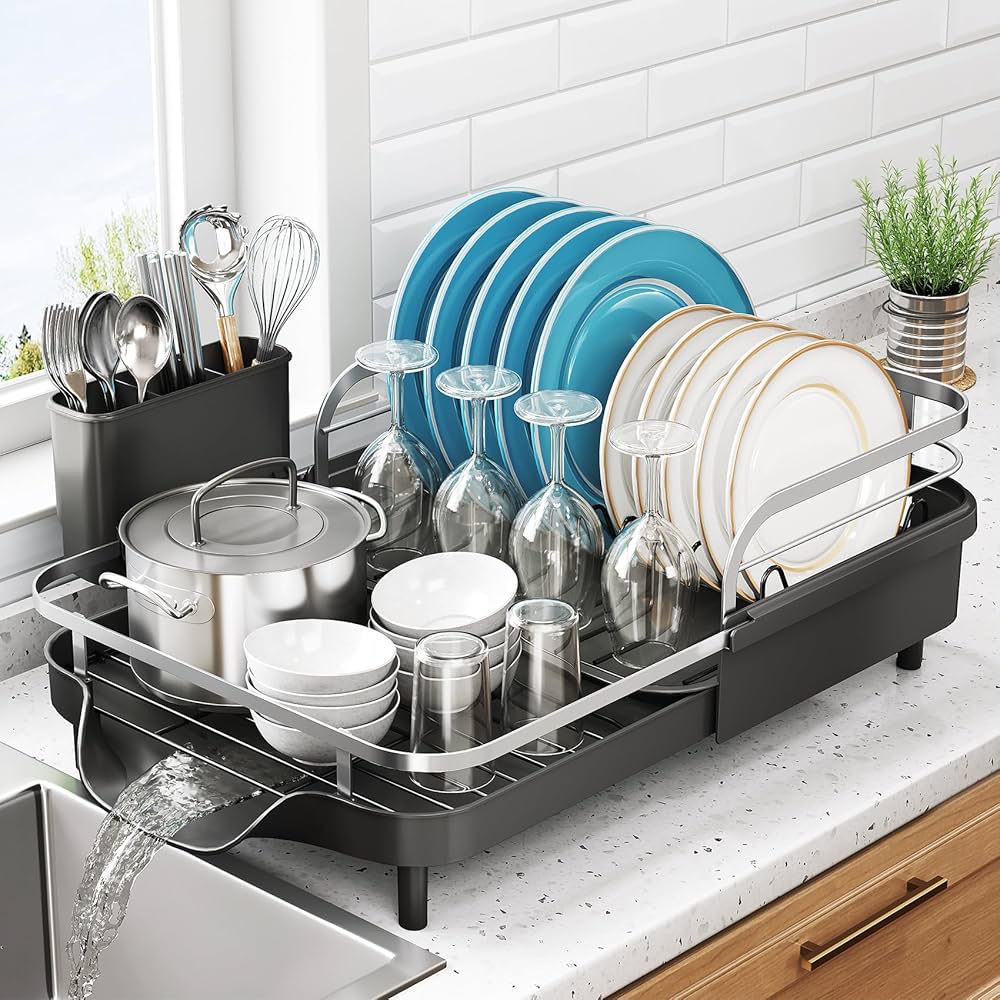
Plastic trays catch water without letting it touch your countertop, which helps prevent water damage and stains. Many trays come with raised ridges or grooves that allow water to collect away from your dishes, speeding up drying time. They’re also easy to empty and clean.
Consider a plastic tray if you want a mess-free solution that’s straightforward to use and maintain.
Bamboo Boards
Bamboo boards offer a natural and stylish look while also being fairly water-resistant. They absorb some water but dry out quickly and resist mold better than many wooden options. Bamboo is also eco-friendly, which is a bonus if you want to keep your kitchen green.
Think about bamboo if aesthetics matter to you and you want something that blends well with other wooden kitchen accessories.
Benefits Of Each Material
Choosing the right material to place under your dish drying rack can make a big difference in your kitchen’s cleanliness and efficiency. Each material offers unique benefits that impact how your drying space performs daily. Understanding these advantages helps you pick what fits your needs best.
Durability
Materials like silicone mats and rubber trays are known for their long-lasting strength. They resist cracking and warping, even after heavy use and exposure to water. Plastic mats can be less durable and may wear out faster, while bamboo trays offer sturdy support but need regular care to avoid damage.
Ease Of Cleaning
Silicone and rubber mats shine in this area because they clean easily with just soap and water. They are often dishwasher safe, saving you time and effort. Bamboo trays require wiping and occasional oiling to maintain their look, while plastic mats can sometimes trap grime in their textured surfaces.
Water Drainage
Good drainage prevents water from pooling and causing mold or mildew. Rubber mats usually have raised patterns that help water flow away quickly. Bamboo trays often come with grooves or slats designed for drainage, but flat plastic mats may hold water unless paired with a separate drip tray underneath.
Aesthetic Appeal
Your kitchen’s style matters, and materials can influence the overall look. Bamboo adds warmth and a natural touch that fits rustic or minimalist spaces. Silicone and rubber tend to be more functional in appearance but come in various colors to brighten your countertop. Plastic mats are practical, though they might lack charm.
:max_bytes(150000):strip_icc()/fw-one-off-mom-loved-kitchenaid-dish-rack-on-sale-tout-e3ecca30316945deb74b16e8d49e4477.jpg)
Credit: www.foodandwine.com
Placement Tips For Efficiency
Finding the perfect spot for your dish drying rack can boost kitchen efficiency. Thoughtful placement prevents water buildup, protects surfaces, and improves drying speed.
Ensuring Proper Drainage
Position the dish rack near the sink. This allows water to drain easily. Avoid placing it on uneven surfaces. Use a waterproof mat beneath the rack. It collects excess water and keeps the area clean.
Protecting Countertops
Countertops can suffer from water damage. Place a towel or mat under the rack. This will absorb moisture. Select a mat with a non-slip base. This prevents movement and ensures stability.
Maximizing Airflow
Airflow helps dishes dry faster. Elevate the rack on a riser if possible. Ensure there’s space around the rack. This promotes air circulation. Avoid overcrowding the rack to ensure effective drying.
Maintenance And Cleaning Tips
Keeping the area under your dish drying rack clean is key to maintaining a fresh and hygienic kitchen. Dirt, water, and food particles can easily collect there, creating a breeding ground for bacteria. Paying attention to maintenance helps you avoid unpleasant smells and keeps your drying space safe for your dishes.
Regular Washing
Make it a habit to wash the tray or mat under your dish drying rack at least once a week. Use warm soapy water and a soft sponge to remove any food debris or water stains. If you notice stubborn spots, a mix of baking soda and water can work wonders without damaging the material.
Preventing Mold And Mildew
Moisture is the main culprit behind mold growth under drying racks. To prevent this, ensure the area dries completely between uses. Wiping the surface with a cloth after each dishwashing session can help a lot. You might also want to use a small fan or open a window to increase airflow around your drying rack.
Replacing When Needed
Even with good care, trays and mats will wear out over time. Look for cracks, discoloration, or persistent odors as signs that it’s time for a replacement. Investing in a new drying rack base can save you from unnecessary hygiene issues and keep your kitchen looking neat.
Credit: www.amazon.com
Diy And Creative Alternatives
Finding the right surface under your dish drying rack can make a big difference in keeping your kitchen neat and your dishes safe. Instead of buying specialized mats, you might want to try some DIY and creative alternatives that fit your style and needs. These ideas not only save money but can also add a personal touch to your drying area.
Using Towels And Cloths
Placing a towel or absorbent cloth under your drying rack is an easy and budget-friendly option. Choose thick cotton or microfiber towels because they soak up water well and dry quickly. You can switch them out regularly to keep things fresh and prevent mildew.
Have you tried folding a towel to create extra cushioning? It helps protect your counter and absorbs spills. Plus, you can pick towels with fun patterns to brighten up your kitchen space.
Repurposing Household Items
Look around your home for items that can double as a drying mat. For example, a silicone baking mat works perfectly since it’s water-resistant and easy to clean. Old placemats or cutting boards can also catch drips and keep your counter dry.
Do you have spare wooden slats or a small tray? Arranging them under the rack allows water to drip through and evaporate faster. This kind of repurposing cuts down on clutter and gives new life to things you already own.
Customizing Your Drying Area
Consider creating a personalized drying station tailored to your kitchen’s style. Adding a small waterproof tray with a removable insert makes cleaning simple. You can even line the base with decorative tiles or waterproof fabric to match your décor.
Have you thought about setting up a drying area with drainage in mind? Elevating your rack slightly with small feet or blocks encourages airflow and prevents water buildup. Customizing this space turns a routine chore into a more enjoyable part of your kitchen routine.
Frequently Asked Questions
What Is Best To Place Under A Dish Drying Rack?
Place a silicone mat or absorbent dish drying mat under your rack. These protect countertops from water damage and collect drips efficiently. They are easy to clean, non-slip, and help maintain a dry, hygienic kitchen surface.
Can I Use A Towel Under My Dish Drying Rack?
Yes, a clean, thick cotton towel works well under a drying rack. It absorbs excess water and prevents puddles. However, towels need frequent washing to avoid bacteria buildup and must be replaced regularly for hygiene.
Should I Use A Tray Under The Dish Drying Rack?
Using a tray under the dish drying rack is ideal. It catches water runoff and keeps your countertop dry. Trays are easy to empty and clean, reducing mold and water damage risks, and promoting a tidy kitchen environment.
How Do I Prevent Water Damage Under Drying Racks?
Place a water-resistant mat, tray, or towel under your drying rack. Regularly clean and dry the area to prevent mold and stains. Proper drainage and airflow also help keep surfaces dry and damage-free.
Conclusion
Choosing the right material under your dish drying rack matters. It protects your countertop from water and scratches. A simple silicone mat or absorbent cloth works well. They keep the area clean and dry. Avoid placing the rack directly on wood or fabric.
This can cause damage or mold over time. Keep the space neat to make kitchen work easier. Small changes help your kitchen stay fresh and safe. Try different options to find what suits you best. Your dishes dry faster, and your kitchen looks tidier.