
Measuring grams with a spoon might seem tricky, but it doesn’t have to be. If you’ve ever struggled to get your ingredients just right, you’re not alone.
Getting accurate measurements can make a huge difference in your recipes, whether you’re baking a cake or mixing a protein shake. You’ll discover simple, practical tips to measure grams using just a spoon—no fancy scales needed. By the end, you’ll feel confident and precise every time you cook or bake.
Ready to take your kitchen skills to the next level? Let’s dive in!
Credit: appadvice.com
Choosing The Right Spoon
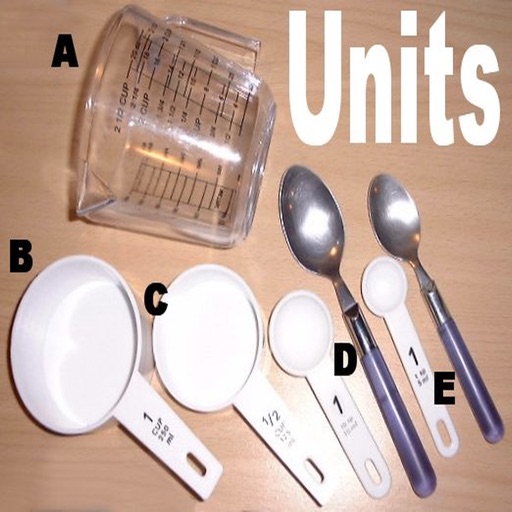
Choosing the right spoon makes measuring grams easier and more accurate. Spoons vary in shape, size, and material. Picking the right one helps ensure your measurements are close to what recipes need. This section guides you through the common types and sizes of spoons suitable for measuring grams.
Types Of Spoons For Measuring
- Teaspoons:Small spoons typically used for spices or small amounts.
- Tablespoons:Larger than teaspoons, great for measuring bigger quantities.
- Measuring Spoons:Designed specifically for accurate measurement with marked sizes.
- Soup Spoons:Usually deeper, but less precise for dry ingredient measuring.
- Metal vs. Plastic:Metal spoons are durable; plastic can be less precise but lightweight.
Standard Spoon Sizes
| Spoon Type | Volume (ml) | Approximate Weight in Grams (Water) |
|---|---|---|
| Teaspoon (tsp) | 5 ml | 5 grams |
| Tablespoon (tbsp) | 15 ml | 15 grams |
| Metric Dessert Spoon | 10 ml | 10 grams |
Knowing these sizes helps convert volume to weight more easily. Use standard measuring spoons for best results. Avoid using random spoons as sizes can vary widely.
Credit: www.recipesandplaces.com
Converting Spoons To Grams
Converting spoons to grams is not always simple. A spoon holds volume, but grams measure weight. Different ingredients have different weights for the same volume. Understanding this helps in cooking and baking with accuracy. You can avoid mistakes and improve your results with the right conversion knowledge.
Common Ingredient Densities
Each ingredient has its own density. This means one spoon of flour weighs less than one spoon of sugar. Knowing the density helps convert spoons to grams correctly. Below are average weights for common ingredients per tablespoon:
- Flour: 8 grams
- Sugar (granulated): 12 grams
- Butter: 14 grams
- Honey: 21 grams
- Salt: 18 grams
These weights can vary based on how packed or loose the spoon is. Still, they give a good starting point for measurement.
Using Conversion Charts
Conversion charts list common ingredients and their weight equivalents in grams per spoon. These charts save time and reduce errors. You can keep a printed chart in your kitchen for quick access.
| Ingredient | 1 Teaspoon (g) | 1 Tablespoon (g) |
|---|---|---|
| Flour | 2.6 | 7.8 |
| Sugar | 4.2 | 12.6 |
| Butter | 4.7 | 14.1 |
| Honey | 7.0 | 21.0 |
| Salt | 6.0 | 18.0 |
Use these charts for accurate cooking and baking. They help convert spoon measurements easily to grams.
Techniques For Accurate Measurement
Using a level spoon helps ensure consistent grams when measuring. Press ingredients firmly to avoid air gaps for better accuracy. Checking with a kitchen scale improves precision when possible.
Measuring grams with a spoon might sound simple, but achieving accuracy requires a few handy techniques. Whether you’re baking or cooking, precise measurements can make a difference in the flavor and texture of your dishes. Let’s delve into some tried-and-true methods to ensure your spoon measurements are spot on.
Leveling The Spoon
One of the most straightforward ways to ensure accurate measurement is by leveling the spoon. After scooping your ingredient, use a flat-edged utensil like a knife to scrape across the top of the spoon. This removes any excess and ensures you only have the intended amount. Why is leveling important? Imagine you’re baking a cake. A little extra flour could make it dense rather than fluffy. By leveling, you avoid this pitfall and keep your recipe on track.
Avoiding Air Pockets
Air pockets can be sneaky and lead to inaccurate measurements. When scooping ingredients like flour or sugar, they can create gaps that result in less actual ingredient being used than intended. To combat this, lightly tap the spoon on the counter to settle the contents and eliminate any hidden air pockets. What happens if you don’t? You might find your cookies aren’t as sweet or your sauce isn’t as thick as you hoped. By ensuring there are no air pockets, you maintain the integrity of your dish. Remember, precision in cooking is not just for professionals. With these simple techniques, you can bring a touch of culinary expertise into your kitchen. So, next time you’re measuring with a spoon, take a moment to level and tap. You’ll notice the difference in your cooking results.

Credit: food52.com
Tools To Improve Accuracy
Measuring grams with a spoon can be tricky without the right tools. Accuracy matters, especially in baking or cooking recipes where precision affects the outcome. Using proper tools can help you get closer to the exact amount you need.
Using Digital Scales
Digital scales offer the most precise way to measure grams. They display weight instantly and can measure small amounts accurately, down to a single gram or less. If you want to avoid guesswork, a digital scale is a smart investment.
Think about the last time you eyeballed a spoonful of flour or sugar. Did it come out the same every time? A digital scale removes that inconsistency by providing exact numbers.
Many digital scales are compact and easy to clean, making them perfect for everyday kitchen use. You can even tare the scale to zero after placing your spoon, so it measures only the ingredient.
Measuring Spoons With Markings
Standard measuring spoons might not always give you an accurate gram measurement because they usually measure volume. But some spoons come with gram markings, which can improve precision when measuring ingredients like flour or sugar.
These marked spoons help you measure ingredients by weight rather than volume, which is crucial for recipes that require exact amounts. Using them reduces the need for a scale, especially when you’re in a hurry or don’t have one handy.
- Look for spoons that have clear, easy-to-read gram markings.
- Check if the markings correspond with the ingredient you’re measuring, as density can affect weight.
- Keep in mind that these spoons work best for common baking ingredients.
Have you tried using marked spoons instead of regular ones? They might surprise you with how much more consistent your cooking turns out.
Tips For Consistent Results
Getting consistent results when measuring grams with a spoon can be tricky, but a few simple tips can make a big difference. Precision matters, especially in baking or cooking where small variations affect the final outcome. Let’s look at practical ways to keep your measurements reliable every time you reach for that spoon.
Measuring Moist Vs Dry Ingredients
Moist ingredients like honey or syrup behave differently than dry ones such as flour or sugar. When measuring moist ingredients, use a spoon that you can level off easily, and consider lightly oiling the spoon to help the sticky substance slide off.
For dry ingredients, always spoon them into the measuring spoon rather than scooping directly from the container. This avoids packing the ingredient too tightly, which can add extra grams.
Have you noticed how scooping flour straight from the bag sometimes makes your recipe too dense? That’s because the ingredient gets compacted. Instead, spoon it in gently and level it off with a flat edge for a more accurate gram measurement.
Adjusting For Ingredient Variations
Not all ingredients have the same density, even if they look similar. For example, powdered sugar is lighter than granulated sugar. So, the same spoonful may weigh differently depending on what you’re measuring.
One trick is to check the packaging for density info or use a small kitchen scale to compare spoonfuls. This helps you adjust your spoon measurements more precisely over time.
Keep a simple chart or note of common ingredient weights per spoonful. This can save you guesswork and improve your cooking accuracy. Are you willing to track these small differences for better results?
Common Mistakes To Avoid
Measuring grams with a spoon might seem straightforward, but there are common mistakes that can throw off your results. These errors often lead to inconsistent recipes and frustration in the kitchen. Recognizing and avoiding these pitfalls will help you get accurate measurements every time.
Overpacking Ingredients
One frequent mistake is overpacking the spoon with ingredients. When you press or heap too much, you add more than the intended weight. This especially happens with flour and powdered sugar, where a lightly filled spoon can weigh much less than a packed one.
Try to gently scoop or level off ingredients without pressing them down. Have you noticed how a teaspoon of flour can vary wildly depending on how it’s scooped? Paying attention to this detail can save your recipe from being too dense or too dry.
Ignoring Ingredient Weight Differences
Not all ingredients weigh the same even if they fill the same spoon volume. For example, a spoonful of chopped nuts weighs more than a spoonful of chopped herbs. Assuming volume equals weight can cause serious errors in your measurements.
Use a conversion chart or a kitchen scale when possible to understand the specific weight for different ingredients. Have you ever followed a recipe exactly by volume, only to find the texture or taste off? This difference in weight could be the reason.
Frequently Asked Questions
How Can I Measure Grams Accurately With A Spoon?
To measure grams accurately, use a digital kitchen scale alongside your spoon. Spoons vary in size, so weighing ingredients ensures precision in recipes.
Which Spoon Size Is Best For Measuring Grams?
A tablespoon is commonly used for measuring grams, but its volume can differ. Always check ingredient density or use a scale for accuracy.
Can I Convert Spoon Measurements To Grams Easily?
Yes, you can convert spoon measurements to grams using conversion charts. However, ingredient density affects accuracy, so weighing is recommended for precision.
Why Is Weighing Better Than Spoon Measuring Grams?
Weighing gives exact gram measurements, eliminating guesswork. Spoon sizes and ingredient packing vary, causing inconsistent results in cooking or baking.
Conclusion
Measuring grams with a spoon can be simple and accurate. Use a kitchen scale if exact measurement matters most. Remember, spoon sizes vary, so be careful. Level the spoon to avoid extra grams. Practice helps you get better each time.
This method works well for cooking and baking. Small errors won’t ruin most recipes. Keep your tools clean and dry for best results. With patience, you can measure ingredients easily and confidently. Give it a try and enjoy your cooking!