
Are you tired of digging through cluttered cabinets to find your favorite spices? Imagine having all your spices neatly organized and right at your fingertips.
Making your own spice rack is easier than you think, and it can transform your cooking experience. In this guide, you’ll discover simple steps to create a spice rack that fits your kitchen perfectly. Ready to take control of your spice collection and make cooking more enjoyable?
Keep reading to learn how to build a spice rack that works for you.
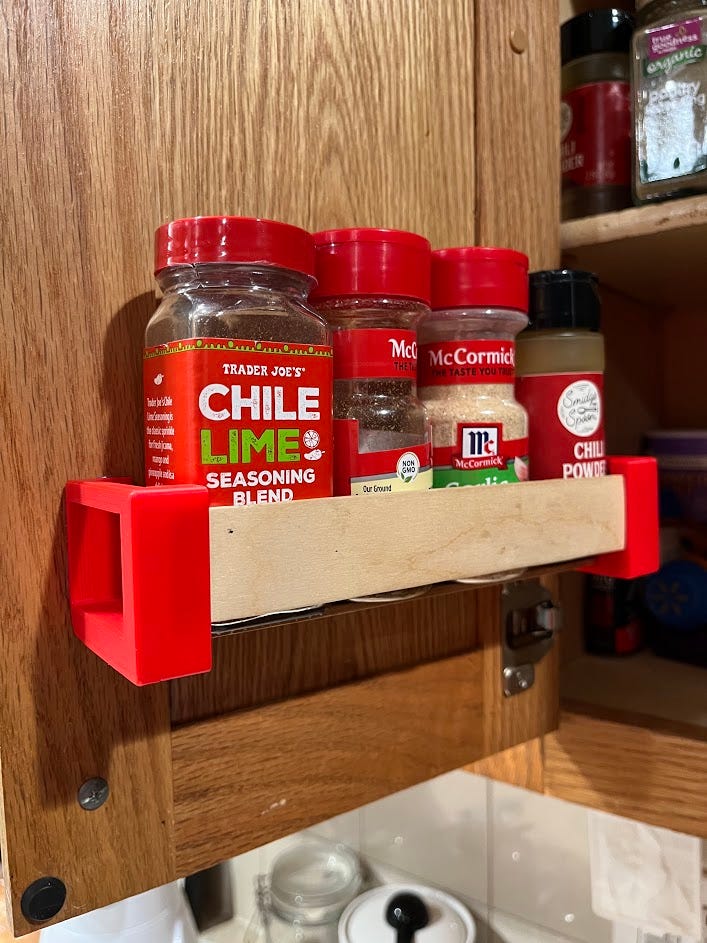
Credit: tibbbz.medium.com
Choosing The Right Materials
Choosing the right materials for your spice rack can make all the difference in durability, style, and ease of use. Your choice will affect not just how it looks but also how long it lasts and how well it fits into your kitchen setup. Think about your daily use and the environment where your spice rack will live—this will guide your material selection.
Wood Options
Wood is a classic choice that adds warmth and charm to any kitchen. Hardwoods like oak and maple offer strength and resist scratches, making them ideal for a long-lasting rack. Softwoods such as pine are easier to work with and lighter but may dent or scratch more easily.
If you prefer a rustic look, reclaimed wood can add character with unique grain patterns. Consider how you’ll finish the wood—oil or varnish can protect it from moisture and stains. Have you thought about how the wood’s color will blend with your kitchen décor?
Metal Choices
Metal spice racks bring a sleek, modern feel and are highly durable. Stainless steel resists rust and looks great in kitchens with stainless appliances. Wrought iron offers a decorative touch with its intricate designs but may need a protective coating to prevent corrosion.
Metal racks are easy to clean and can handle heavier jars without bending. However, they can be heavier and colder to the touch than wood. Would you prefer a lightweight rack that you can easily move or a sturdy one that stays put?
Recycled Materials
Using recycled materials lets you build an eco-friendly spice rack while saving money. Old pallets or leftover wood pieces can be repurposed creatively into functional racks. Even metal scraps or repurposed containers can add an industrial or quirky vibe.
Recycled materials often require some extra prep work, like sanding or cleaning, but the results can be rewarding. This option challenges you to think outside the box—what unused materials do you have around that could become a spice rack?

Credit: duboisdesigns.co.uk
Design Ideas For Every Kitchen Style
Creating a spice rack that fits your kitchen style can transform both the look and function of your cooking space. Whether your kitchen feels cozy and warm or sleek and contemporary, the right design can make your spices easy to reach and add character to your room. Think about how your kitchen feels and what kind of materials and shapes will blend in or stand out.
Rustic And Vintage
If your kitchen has a rustic or vintage vibe, go for wood with a natural or distressed finish. Reclaimed wood shelves or a small wooden crate mounted on the wall can bring warmth and charm. You might even use old drawers or crates as spice holders for a unique touch.
Try adding small chalkboard labels on each jar to complete the look. This not only adds personality but helps you keep track of spices without breaking the style. Would you like to mix antique hardware like old knobs or hooks to hang small spice bags?
Modern Minimalist
In a minimalist kitchen, simplicity and clean lines matter most. Choose sleek, uniform containers with clear labels and stack them neatly on floating shelves or inside a recessed cabinet. Metal or glass racks with a slim profile work great here.
Keep colors neutral—black, white, or soft grays—to avoid visual clutter. Have you considered magnetic spice jars that stick right to your fridge or a metal strip on the wall? This keeps your spices visible but tidy, saving precious counter space.
Industrial Look
For an industrial kitchen, think metal and raw finishes. Use pipe shelving or metal grids for a rugged, practical spice rack. The mix of wood and metal adds texture and fits the industrial style perfectly.
Wire baskets or metal tins can hold your spices while doubling as decor. Adding vintage factory-style labels or tags can make your spice rack stand out as a statement piece. What creative ways could you use hardware store materials to build your rack?
Step-by-step Assembly Guide
Building your own spice rack can be a rewarding project. Follow this step-by-step guide to ensure a smooth assembly. Get ready to create a functional and stylish addition to your kitchen.
Measuring And Cutting
Start by measuring the space where the spice rack will go. Use a tape measure for accuracy. Note down the dimensions on a piece of paper. Choose a wood type that suits your kitchen decor.
Next, cut the wood according to your measurements. Use a saw for straight and clean cuts. Make sure to wear safety goggles while cutting.
Ensure each piece is the correct size and shape. Lay them out to verify the fit.
Assembling Components
Gather all your cut pieces together. Use a drill to create pilot holes. This prevents the wood from splitting during assembly.
Start attaching the pieces using screws. Connect the back panel to the sides. Secure each piece tightly, ensuring no gaps.
Attach the shelves one by one. Make sure they are level and sturdy. Use a spirit level for precision.
Finishing Touches
Once assembled, it’s time to sand the surfaces. Use fine-grit sandpaper for a smooth finish. Remove any rough edges or splinters.
Apply a coat of wood stain or paint. Choose a color that matches your kitchen. Let it dry completely before use.
Add hooks or labels for extra functionality. Organize your spices and place them on your new rack.
Creative Storage Solutions
Creative storage solutions can transform your spice rack from a cluttered mess into a stylish and functional part of your kitchen. Finding the right way to store your spices not only saves space but also makes cooking more enjoyable. Let’s look at some ideas that can fit different kitchen layouts and personal styles.
Wall-mounted Racks
Wall-mounted racks free up counter space and keep your spices within easy reach. You can install simple wooden shelves, magnetic strips, or custom racks with labeled jars. I once switched to a wall-mounted system and noticed how much quicker I could grab spices without digging through cabinets.
Consider placing these racks near your cooking area to speed up meal prep. They also add a decorative touch, especially if you use matching containers or colorful labels. What spices do you use most often? Putting those front and center can save precious seconds.
Countertop Holders
Countertop holders keep your spices organized without any installation. Choose a rotating carousel or a tiered stand to make the most of limited space. I found a carousel especially handy because it lets me see every spice with just a spin.
Place your holder near your stove or prep area for quick access. You can also group spices by cuisine or frequency of use. How does your current setup speed or slow your cooking? A small change here can make a big difference.
Drawer Inserts
Drawer inserts are perfect if you prefer a clean countertop look. These inserts tilt your spice jars so you can read labels at a glance without rummaging. I switched to drawer inserts and suddenly my spice collection felt more manageable and less overwhelming.
Make sure the insert fits your drawer size and spice jar dimensions. You can even customize inserts with adjustable dividers to fit different container shapes. Could your spice drawer use a little order to reduce the frustration of searching?
Customizing For Function And Style
Customizing your spice rack lets you blend function with style, turning a simple organizer into a kitchen centerpiece. When you design with your needs and taste in mind, every spice becomes easy to find and your rack complements your kitchen decor.
Labeling Techniques
Clear labeling saves time and frustration. You can use chalkboard labels that are easy to update or printed labels with a neat font for a polished look.
Try using color-coded labels to group spices by type, such as herbs, seeds, or blends. This helps you spot what you need instantly without reading every label.
Adding Decorative Elements
Decorative touches make your spice rack reflect your personality. Adding small plants, like succulents, around the rack brings freshness and color.
Use washi tape or paint patterns on the edges of shelves to add a pop of color without overwhelming the space. These small details can turn your rack into a stylish focal point.
Adjustable Shelves
Adjustable shelves give you flexibility to store different jar sizes. You can easily rearrange the shelves as your spice collection grows or changes.
Consider adding sliding or pull-out shelves for easier access to spices in the back. This simple feature can save time and keep your rack organized.
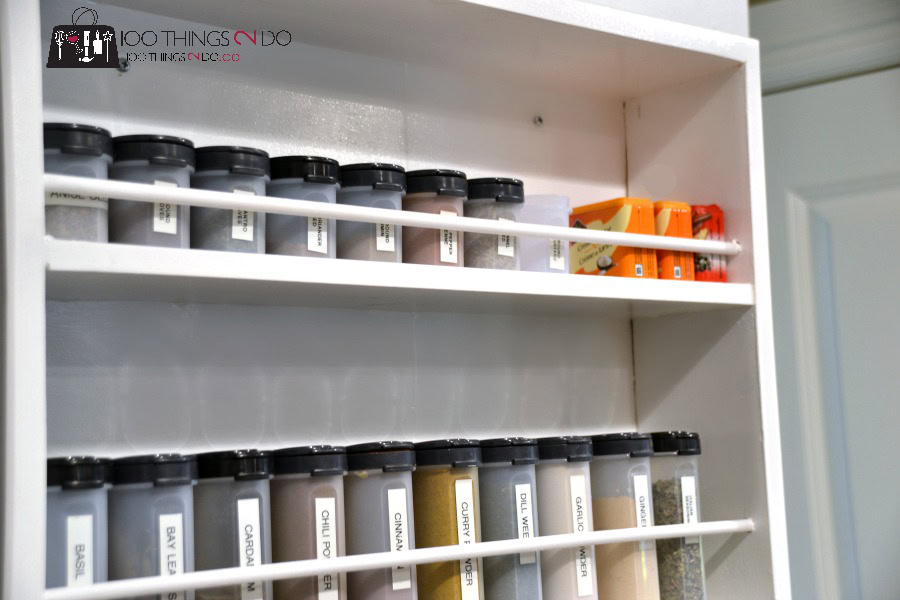
Credit: blessherheartyall.com
Maintenance Tips For Longevity
Keeping your spice rack in top shape extends its usefulness and keeps your kitchen organized. Simple maintenance steps can protect your investment and save you time later. Are you ready to learn how small efforts make a big difference?
Cleaning Methods
Dust and spills can quickly dull your spice rack’s look. Use a soft cloth dampened with mild soap and water to wipe down shelves regularly. Avoid harsh chemicals that could damage finishes or leave residues on your spices.
For wooden racks, a dry or slightly damp cloth works best to prevent warping. Glass or metal racks can handle gentle scrubbing with a non-abrasive sponge. Don’t forget to clean inside spice jars occasionally to avoid buildup.
Protecting Materials
What keeps your spice rack looking fresh? A protective coating helps. Apply a food-safe oil or wax to wooden surfaces every few months to maintain moisture balance and prevent cracking.
Keep your rack away from direct sunlight and heat sources like stoves or ovens. These can fade colors and weaken materials over time. Consider adding silicone pads under the rack if placed on delicate countertops to avoid scratches.
Regular Upkeep
Make it a habit to check your spice rack weekly. Tighten any loose screws or brackets to keep the structure sturdy. Rearranging spices not only helps you find what you need faster but also lets you spot expired or empty containers.
Ask yourself: Is your spice rack still serving your daily cooking needs efficiently? If not, small tweaks like adding labels or adjusting shelf height can make a big impact. Keeping your spice rack in shape takes just a few minutes but pays off in the long run.
Frequently Asked Questions
What Materials Do I Need To Make A Spice Rack?
To make a spice rack, you need wood, screws, nails, sandpaper, and paint or varnish. You may also need a saw, drill, and measuring tape for assembly.
How Do I Choose The Best Design For A Spice Rack?
Choose a design based on your kitchen space and spice jar sizes. Consider wall-mounted or countertop racks for convenience and accessibility.
Can I Customize My Spice Rack For Different Jar Sizes?
Yes, customize shelves or compartments to fit various jar sizes. Adjustable or modular racks offer flexibility and better organization.
How Long Does It Take To Build A Spice Rack?
Building a basic spice rack typically takes 2 to 4 hours, depending on design complexity and your DIY experience.
Conclusion
Building your own spice rack saves space and keeps spices tidy. You choose the size and style that fits your kitchen best. It also helps you find spices quickly while cooking. Using simple tools and materials makes the project easy and fun.
Try customizing with labels or colors for a personal touch. A homemade spice rack adds order and charm to your kitchen. Start today and enjoy fresh, organized spices every day!