
Choosing the best wood for your wooden spoons can make a big difference in how they look, feel, and last. You want spoons that are strong, safe, and comfortable to use every day.
But with so many types of wood out there, how do you pick the right one? This guide will help you understand which woods work best for wooden spoons, so you can make the perfect choice for your kitchen. Keep reading to discover what makes some woods better than others and find the ideal spoon wood for your needs.
Key Qualities Of Spoon Wood
Choosing the right wood for wooden spoons depends on several important qualities. These qualities ensure the spoon lasts long and is safe for cooking. They also affect how the spoon feels and performs in the kitchen. Understanding these key qualities helps in picking the best wood type for your needs.
Durability And Hardness
Wooden spoons must resist wear and tear from daily use. Hard woods like maple and cherry offer strong durability. Soft woods can dent or crack easily. A durable spoon stays intact and looks good over time. Hardness also prevents scratches from stirring thick or hot foods.
Non-toxic And Food Safe
Wood for spoons should be free from harmful chemicals. Natural, untreated wood is best for health safety. Some woods contain natural oils that resist bacteria growth. Avoid woods that release harmful substances or allergens. Food-safe wood keeps your meals clean and healthy.
Grain And Texture
Wood grain affects the spoon’s smoothness and feel. Tight grain means fewer pores and less chance of food sticking. Fine texture provides a comfortable grip. Coarse grain can trap bacteria or stains. Smooth spoons are easier to clean and more pleasant to use.
Resistance To Moisture
Wood absorbs water, but some types resist moisture better. Moisture-resistant wood prevents swelling and cracking. It also reduces the risk of mold growth. Woods like teak and walnut handle moisture well. Properly resistant wood keeps spoons strong even after washing.

Credit: www.amazon.com
Top Durable Woods For Spoons
Choosing the right wood for wooden spoons affects their durability and safety. Some woods resist wear and moisture better than others. This section highlights top durable woods perfect for wooden spoons. Each wood type has unique qualities that make it suitable for kitchen use.
Maple
Maple is hard and dense. It resists scratches and dents well. Its tight grain prevents food particles from getting trapped. Maple spoons last long and stay smooth. The wood is naturally light in color and looks clean.
Cherry
Cherry wood has a warm, reddish tone. It is strong but slightly softer than maple. Cherry spoons develop a nice patina over time. The wood is fine-grained, which makes it smooth. It handles heat without cracking.
Beech
Beech is tough and heavy. It stands up to daily kitchen use. Its close grain reduces bacteria buildup. Beech spoons are affordable and easy to find. The wood’s pale color fits many kitchen styles.
Walnut
Walnut is rich and dark with a smooth feel. It is durable and resists moisture well. Walnut spoons add elegance to cooking tools. The wood is dense but not too heavy. It ages beautifully with regular use.
Olive Wood
Olive wood is hard and very dense. It has a unique grain pattern that looks attractive. Olive wood spoons resist water and stains well. The wood feels smooth and comfortable to hold. It is prized for its strength and beauty.
Comparing Popular Woods
Choosing the right wood for your wooden spoon can make a difference in both its functionality and aesthetic appeal. Each type of wood offers unique characteristics that cater to different needs. To help you make an informed decision, let’s dive into the specifics of some popular woods and how they compare on various fronts.
Longevity And Wear
When considering longevity, hardwoods such as maple and walnut stand out. Their dense grain makes them resistant to wear and tear, ensuring your spoon lasts through countless stirring sessions.
A friend once gifted me a maple spoon, and even after years of use, it remains largely unscathed. Its durability means you won’t need to replace it frequently, saving both time and money.
Contrast this with softer woods like pine. They might be easier on your budget initially, but their tendency to show scratches and dents can be frustrating.
Appearance And Finish
The aesthetic appeal of a wooden spoon is just as important as its functionality. Walnut spoons offer rich, dark hues that add a touch of elegance to your kitchen.
Cherry wood, on the other hand, ages beautifully, deepening in color over time. Imagine the satisfaction of using a spoon that becomes more beautiful each day!
While lighter woods such as birch may lack in color, their smooth finish can complement a modern kitchen’s clean, minimalistic style.
Ease Of Carving
If you’re a DIY enthusiast, ease of carving is vital. Basswood is renowned for its softness, making it ideal for crafting detailed designs without much effort.
On the flip side, carving into harder woods like oak can be a challenge, requiring more skill and patience. Yet, the reward is a sturdy, long-lasting utensil.
Finding a balance between ease and durability is key if you’re planning to carve your own spoons.
Maintenance Needs
Maintenance can be a deal-breaker for many. Woods like teak are naturally resistant to moisture, reducing the risk of warping and making them easier to maintain.
Regular oiling is essential for woods like beech to prevent cracking. This can be an enjoyable ritual, connecting you to your kitchen tools.
Consider how much time you’re willing to invest in upkeep. A low-maintenance wood might be ideal if you’re short on time.
Reflecting on these factors, which wood resonates with your culinary style and lifestyle? The choice goes beyond aesthetics, touching on the practical aspects that affect your daily cooking experiences.
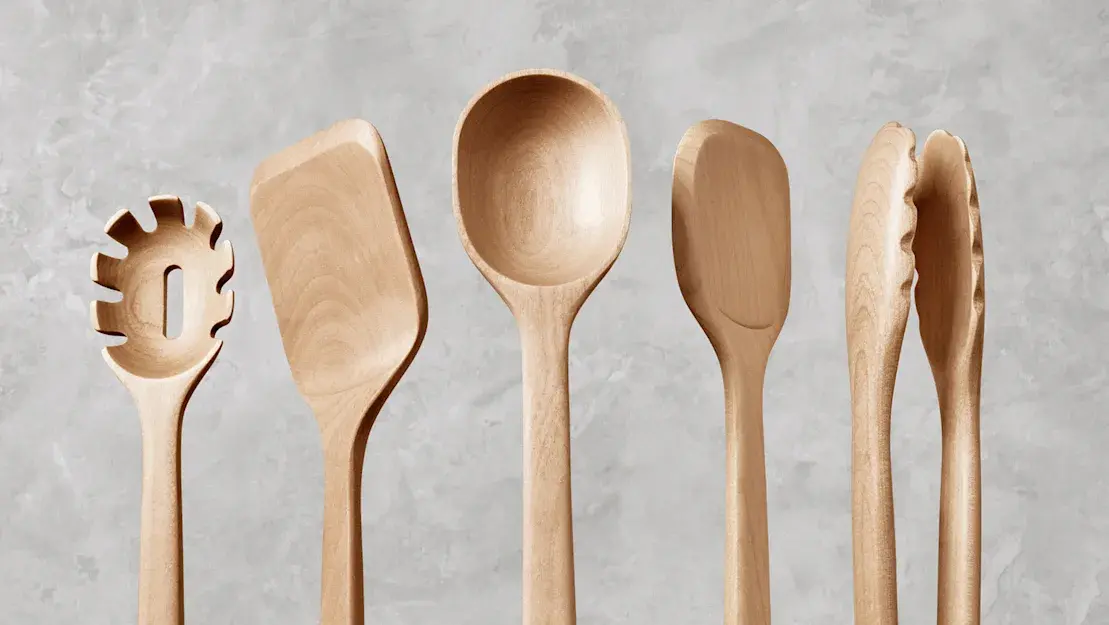
Credit: www.carawayhome.com
Woodes To Avoid For Spoons
Choosing the right wood for wooden spoons is important for safety and durability. Some woods can damage easily or cause health issues. Avoid these types to ensure your spoons last long and stay safe to use.
Soft Or Porous Woods
Soft woods like pine or cedar absorb moisture quickly. They can crack, warp, or harbor bacteria. Porous woods also stain easily and are hard to clean. These woods do not hold up well in cooking tasks.
Toxic Or Allergenic Woods
Some woods release harmful oils or dust that cause allergies. Examples include black walnut and yew. Using these woods can irritate skin or cause breathing problems. Always choose woods known to be safe for food contact.
Highly Oily Woods
Oily woods like teak or rosewood feel smooth but may leave residue. Their oils can mix with food flavors or spoil over time. These woods may also be harder to finish with food-safe coatings. It is best to avoid them for spoons.
Tips For Caring Wooden Spoons
Caring for your wooden spoons is key to keeping them durable and safe for cooking. Proper care not only extends their life but also keeps them looking fresh and free from cracks or stains. Let’s look at some practical tips that you can easily apply in your kitchen routine.
Cleaning Methods
Always wash wooden spoons by hand using warm water and mild soap. Avoid soaking them for too long as wood can absorb water and warp over time.
Use a soft sponge or cloth to gently scrub off food particles. Never put wooden spoons in the dishwasher — the heat and detergent can damage the wood’s surface.
After washing, dry your spoons immediately with a towel and let them air dry completely before storing. This prevents moisture buildup and mold growth.
Oiling And Conditioning
Oiling your wooden spoons regularly keeps the wood from drying out and cracking. Use food-safe oils like mineral oil, coconut oil, or walnut oil.
Apply a small amount of oil with a clean cloth, rubbing it into the wood’s surface evenly. Let the oil soak in overnight for best results.
How often you oil depends on how frequently you use your spoons. If they start looking dull or feel rough, it’s time to reapply.
Storage Advice
Store wooden spoons in a dry, well-ventilated place to avoid moisture damage. Avoid placing them near heat sources like stoves or radiators.
Keep them upright in a utensil holder or hang them to maintain their shape and prevent warping. Avoid stacking heavy items on top of them to protect their structure.
Have you noticed a difference in how your wooden spoons last based on where you store them? Small changes in storage can make a big impact on their lifespan.
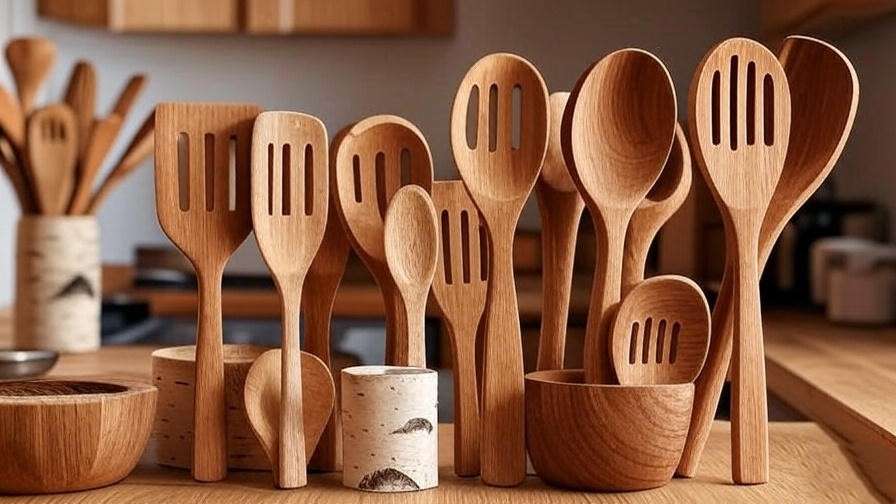
Credit: treecarezone.com
Frequently Asked Questions
What Type Of Wood Is Best For Wooden Spoons?
Hardwoods like maple, cherry, and beech are best. They are durable, non-toxic, and resistant to cracking or warping, ensuring long-lasting wooden spoons.
Are Hardwood Spoons Safer Than Softwood Spoons?
Yes, hardwood spoons are denser and less porous. This makes them more resistant to bacteria and safer for cooking compared to softwood spoons.
How Does Wood Grain Affect Spoon Quality?
Tight, straight grain provides strength and smoothness. It prevents splintering and helps the spoon last longer during regular kitchen use.
Can Wooden Spoons Damage Cookware?
No, wooden spoons are gentle on cookware. They won’t scratch non-stick or delicate surfaces, making them ideal for all types of pots and pans.
Conclusion
Choosing the best wood for wooden spoons depends on strength and safety. Hardwoods like maple and cherry last longer and feel smooth. Softwoods may wear out quickly and absorb smells. Always pick wood that does not crack or splinter easily.
Proper care keeps your wooden spoons clean and strong. Using the right wood makes cooking more enjoyable and safe. Your wooden spoons will serve you well with the right choice. Simple and natural materials work best in the kitchen.