
Are you craving the perfect French toast that’s crispy on the outside and soft on the inside? You’re not alone.
Many people try to make French toast but end up with soggy or unevenly cooked slices. What if you could master a simple method that guarantees delicious results every time? You’ll discover the best way to make French toast, using easy steps and tips that anyone can follow.
Get ready to impress yourself and your loved ones with breakfast that tastes like it came from a café!
Choosing The Right Bread
Choosing the right bread is a crucial step in making perfect French toast. The bread you pick affects texture, flavor, and how well it soaks up the egg mixture. Have you ever noticed how some French toasts turn out soggy while others stay firm and golden? The secret often lies in the bread itself.
Types Of Bread For French Toast
Not all bread types work equally well for French toast. Here are some popular choices that can elevate your dish:
- Brioche:Rich and buttery, brioche soaks up the custard without falling apart. It creates a tender, slightly sweet toast.
- Challah:Similar to brioche but a bit denser, challah holds its shape well and adds a subtle sweetness.
- Sourdough:Offers a tangy flavor and sturdy texture. It’s great if you prefer a less sweet French toast with a bit of bite.
- Texas Toast:Thick-cut white bread that absorbs plenty of custard while remaining firm during cooking.
- Whole Wheat:For a healthier option, whole wheat adds nuttiness but may need slightly longer soaking.
Choosing bread with a bit of thickness helps it soak the custard without falling apart when cooked.
Why Bread Texture Matters
The texture of your bread directly impacts how well it absorbs the egg mixture and holds together in the pan. A bread that’s too soft or thin might become mushy and tear easily.
On the other hand, bread that’s too dense might not soak enough custard, resulting in dry French toast. You want a balance: bread that soaks well but still keeps its shape.
Think about the last time you made French toast. Did it feel soggy or crumbly? Adjusting your bread choice can fix that. Next time, try slightly stale bread—it absorbs liquid better without falling apart.

Credit: www.teacherspayteachers.com
Perfect Egg Mixture
Getting the egg mixture just right is the secret to making French toast that’s crispy on the outside and soft inside. The mixture acts like a flavorful coat, soaking into the bread and creating that perfect texture you want. If your egg mixture isn’t balanced, the toast can turn out soggy or bland.
Essential Ingredients
Start with fresh eggs—they are the base of your mixture and provide structure. Whole milk or cream adds richness and helps thin out the eggs so they spread evenly on the bread. Don’t forget a pinch of salt; it enhances the flavors without overpowering them.
- 2 large eggs
- 1/2 cup whole milk or cream
- Pinch of salt
Using heavy cream instead of milk makes the French toast more custardy, while skim milk keeps it lighter. Do you prefer a richer taste or something lighter? That choice shapes the final dish.
Adding Flavor And Spice
Vanilla extract is a simple way to add warmth to your egg mixture. Just a teaspoon can transform the taste, giving it a subtle sweetness without extra sugar. Ground cinnamon is another classic—you can sprinkle it in or mix it directly for even flavor.
- 1 teaspoon vanilla extract
- 1/2 to 1 teaspoon ground cinnamon
- Optional: a pinch of nutmeg for a slight kick
Try adding a little orange zest for a fresh twist or a splash of maple syrup to sweeten naturally. Have you ever thought about what small flavor changes could make your French toast stand out? Experimenting here can turn a simple breakfast into something memorable.
Soaking Techniques
Creating the perfect French toast is an art, and soaking the bread is a crucial step. The way you soak the bread can make or break your dish. Whether you prefer it lightly eggy or deeply custardy, the soaking technique is key to achieving your desired texture and flavor. Let’s dive into how long you should soak your bread and how to avoid a soggy disaster.
How Long To Soak
The duration of soaking your bread can significantly affect the outcome. A quick dip might not allow the egg mixture to penetrate deeply, leaving you with a dry center. On the other hand, soaking for too long might lead to a mushy mess.
For soft, flavorful French toast, aim for a soak lasting between 20 to 30 seconds per side. This gives the bread time to absorb the mixture without becoming overly saturated. If you’re using thicker slices, consider extending the soak by a few seconds.
Avoiding Soggy Toast
No one enjoys soggy French toast. To prevent this culinary mishap, choose bread with a sturdy structure like brioche or challah. They hold up well during soaking and cooking.
Keep the egg mixture balanced. Too much liquid can lead to sogginess. A ratio of one egg to half a cup of milk is a good starting point. Adjust based on your preference, but keep the balance in mind.
Cooking temperature is another factor. A medium heat ensures the toast cooks evenly, giving you a crispy exterior and a soft interior. Have you ever tried letting your bread dry out slightly before soaking? This can enhance absorption without compromising texture.

Credit: www.foodfaithfitness.com
Cooking Methods
Choosing the right cooking method for French toast can change your breakfast game completely. Each technique offers its own benefits, affecting texture, taste, and ease of preparation. Let’s dive into practical tips that can help you cook French toast perfectly, whether you prefer the classic pan-frying or a hands-off approach using a griddle or oven.
Pan-frying Tips
Pan-frying is the classic way to make French toast, giving you control over browning and crispiness. Use a non-stick skillet or a well-seasoned cast-iron pan for even heat distribution. Heat the pan over medium heat and add butter or oil—enough to coat the surface but not drown the toast.
Dip your bread slices in the egg mixture, letting them soak just enough to absorb flavor without becoming soggy. Place them gently in the pan, and don’t overcrowd it. Cook each side for about 2-3 minutes until golden brown, then flip carefully.
Wondering how to get the perfect crust without burning? Keep the heat moderate and adjust as needed. Using a splatter guard can help keep your stovetop clean and maintain consistent heat around the toast.
Using A Griddle Or Oven
Using a griddle or oven offers a more hands-off method, ideal if you’re cooking for a crowd. A griddle lets you cook multiple slices at once, saving time and effort. Preheat it to medium heat and lightly grease the surface to prevent sticking.
If you prefer the oven, preheat it to 375°F (190°C). Arrange the soaked bread slices on a baking sheet lined with parchment paper or a silicone mat. Bake for 12-15 minutes, flipping halfway through to ensure even cooking.
This method gives you consistent results and frees up your time to prepare toppings or drinks. Have you tried baking your French toast? It might surprise you how easy it is to get crispy edges and a soft center without standing by the stove.
Toppings And Serving Ideas
Toppings can change a simple French toast into a delightful meal. They add flavor, texture, and color. Serving ideas make your breakfast more inviting. Both classic and creative toppings suit different tastes and occasions.
Classic Toppings
- Maple syrup: Sweet and smooth, a traditional favorite.
- Butter: Adds richness and melts beautifully on warm toast.
- Powdered sugar: Lightly dusted for a touch of sweetness.
- Fresh berries: Strawberries, blueberries, or raspberries add freshness.
- Whipped cream: Creamy and soft, perfect for a treat.
- Cinnamon and sugar: A simple mix for warm spice.
Creative And Healthy Options
- Greek yogurt and honey: Adds creaminess and natural sweetness.
- Sliced bananas and nut butter: Combines sweetness with protein.
- Chopped nuts: Walnuts or almonds add crunch and nutrients.
- Avocado and cherry tomatoes: A savory twist with healthy fats.
- Fruit compote: Warm cooked fruits for extra flavor.
- Chia seeds or flaxseeds: Boost fiber and omega-3 content.
Common Mistakes To Avoid
French toast can be simple to make, but small mistakes can ruin the dish. Avoiding common errors helps you get perfect results every time. Focus on cooking time and ingredient balance for the best taste and texture.
Overcooking Or Undercooking
Cooking French toast too long makes it dry and tough. Too short cooking leaves it soggy and raw inside. The toast should be golden brown on both sides. Use medium heat to cook evenly without burning.
Check the texture by gently pressing the toast. It should feel firm but still soft inside. Flip the bread carefully to cook each side well. Avoid high heat; it burns outside before cooking inside.
Improper Ingredient Ratios
Using too much milk makes the batter watery and runny. Too little milk creates dry, crumbly toast. Eggs add structure and richness. Balance eggs and milk for smooth batter.
Sweeteners like sugar should be moderate. Too much sugar causes burning. Spices like cinnamon add flavor but use lightly. Salt enhances taste but only a pinch is needed.
Mix ingredients well for an even coating on the bread. Let the bread soak just enough to absorb flavors, not become soggy.
Variations From Around The World
French toast is a beloved breakfast treat enjoyed worldwide, and its variations reveal how different cultures add their own unique twist. These global adaptations offer exciting flavors and textures that can inspire you to try something new with your next batch. Are you ready to discover how French toast changes as it crosses borders?
French Pain Perdu
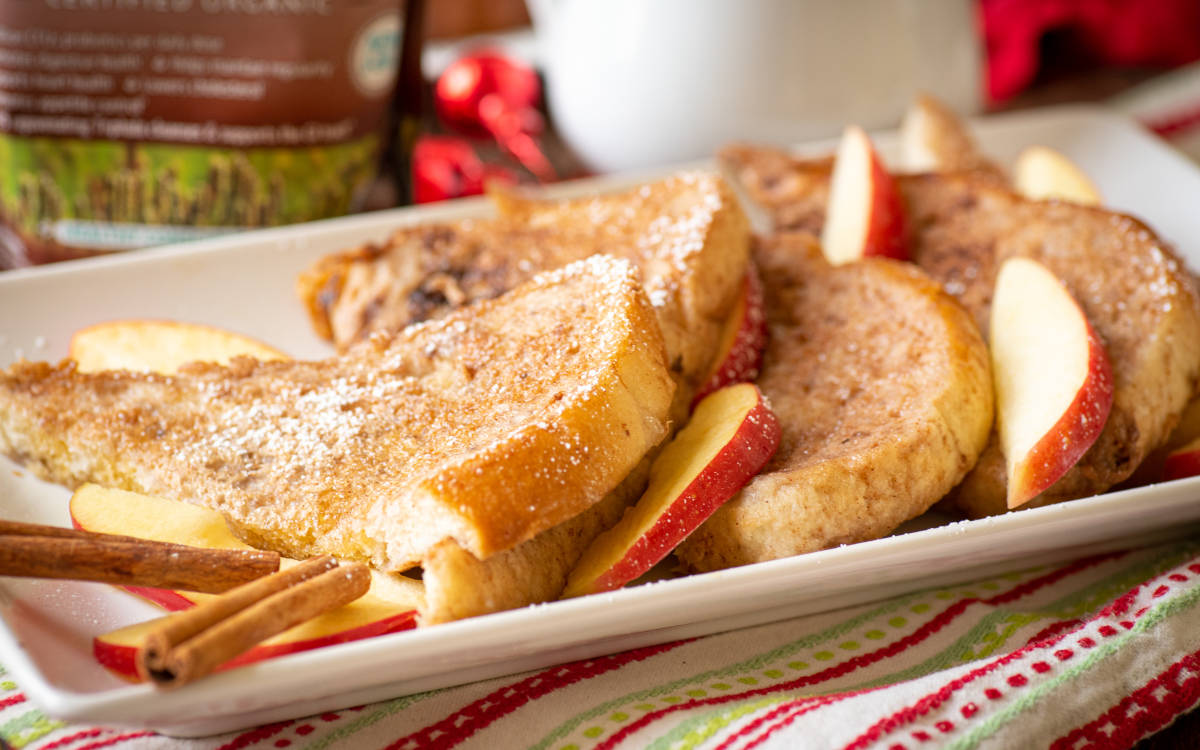
Pain Perdu, which means “lost bread” in French, is the original French toast. It was created to use up stale bread, giving it new life with a simple egg and milk mixture. Unlike the sweet versions you might be used to, Pain Perdu often has a subtle sweetness and is sometimes served with fresh fruit or a light dusting of powdered sugar.
If you want to try this classic, choose thick slices of day-old baguette or brioche. Dip the bread gently in a mixture of eggs, milk, and a splash of vanilla, then cook until golden brown. The result is a rich, custardy toast that feels indulgent without being overly sweet.
International Twists
Across the globe, French toast takes on exciting new forms. In Hong Kong, the dish is often deep-fried and filled with peanut butter or kaya jam, creating a crispy exterior with a gooey center. This version might surprise you with its crunchy texture compared to the soft, soaked toast you expect.
In Spain, “Torrijas” are a popular treat during Easter. They soak bread in milk or wine, then fry it and top it with honey or cinnamon sugar. This approach adds a warm spice note that transforms your breakfast into a festive experience.
India offers “Bombay toast,” where the bread is dipped in a spiced egg mixture with turmeric and chili powder before frying. It brings a savory and slightly spicy flavor that challenges the usual sweet profile of French toast.
- Try adding coconut milk and cardamom for a tropical twist.
- Use cinnamon and nutmeg with maple syrup for a classic North American touch.
- Explore savory versions with herbs, cheese, and tomatoes for a meal beyond breakfast.
Which variation will you try next? Maybe experimenting with international recipes can turn your French toast routine into a culinary adventure.
Credit: www.organicindiausa.com
Frequently Asked Questions
What Ingredients Make The Best French Toast Batter?
The best French toast batter includes eggs, milk, vanilla extract, cinnamon, and a pinch of salt. These ingredients create a rich, flavorful custard that soaks the bread perfectly, resulting in a soft inside and crispy outside.
Which Bread Type Works Best For French Toast?
Thick, sturdy breads like brioche, challah, or Texas toast are ideal. They soak up the custard without falling apart, offering a tender, fluffy texture and enhanced flavor for the best French toast experience.
How Long Should I Soak The Bread In Batter?
Soak the bread slices for about 20-30 seconds on each side. This timing allows the bread to absorb enough custard for a creamy center without becoming soggy or falling apart when cooked.
What’s The Best Cooking Method For French Toast?
Cook French toast on a medium heat griddle or skillet. Use butter or oil to prevent sticking. Cook each side for 2-3 minutes until golden brown and slightly crispy for perfect texture.
Conclusion
French toast tastes best when made with fresh bread and simple ingredients. Use eggs, milk, and a pinch of cinnamon for flavor. Cook on medium heat until golden brown and crispy outside. Serve warm with your favorite toppings like syrup or fruit.
Practice makes perfect, so try different breads and spices. Enjoy this easy, tasty breakfast any day of the week. A little care brings great results every time. Delicious French toast is ready in minutes. Give it a try and savor each bite!