
If you love creamy, homemade nut butter, you know how important the right food processor is. But with so many options out there, how do you pick the one that makes the smoothest, richest nut butter every time?
You want a machine that’s powerful, easy to use, and built to handle tough nuts without overheating. You’ll discover exactly what features to look for and which food processors deliver the best results. Keep reading, and you’ll soon be whipping up delicious nut butter right at home, saving money and enjoying flavors you can’t find in stores.
Your perfect nut butter starts here.
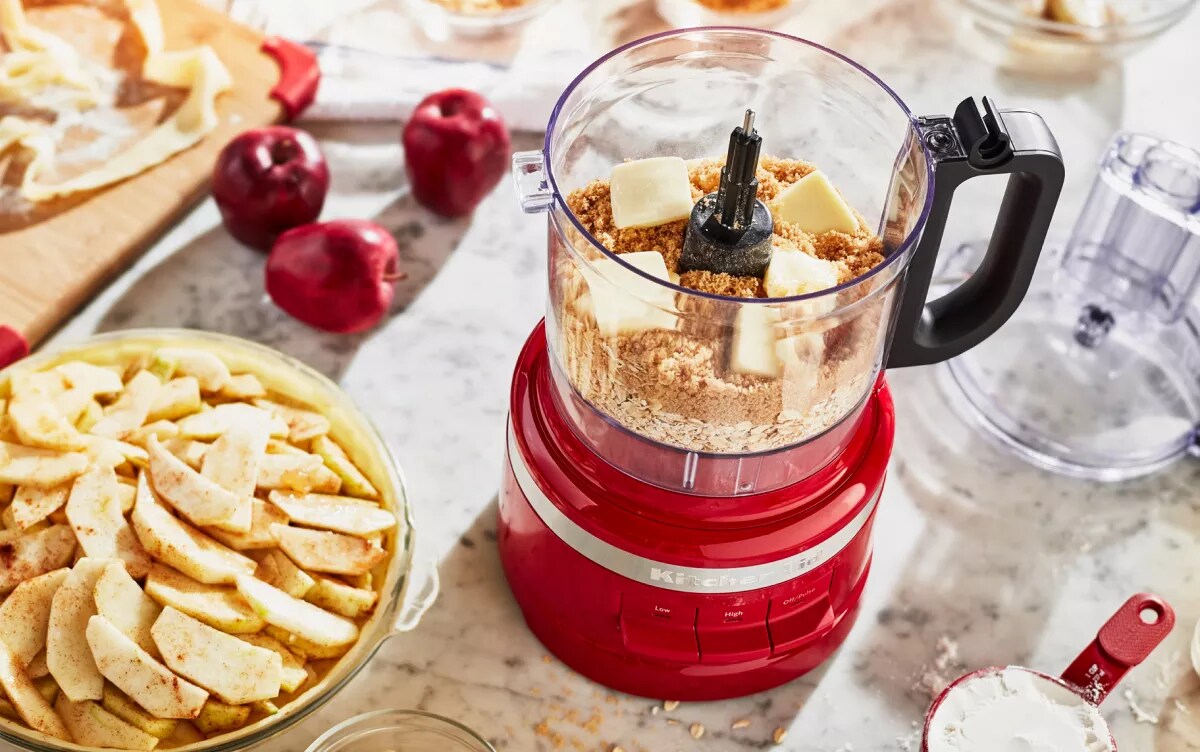
Credit: www.kitchenaid.com
Why Nut Butter Needs A Good Food Processor
Nut butter needs more than just any food processor. It requires a machine that can handle tough nuts and turn them into creamy butter. The process is long and demanding. A strong, efficient food processor saves time and effort. It also creates the perfect texture without overheating or burning the nuts.
Key Features For Nut Butter Making
- Powerful motor to crush hard nuts
- Sturdy, sharp blades for smooth blending
- Large capacity bowl for bigger batches
- Easy-to-clean design to avoid sticky residue
- Variable speed settings for control
Processing Power And Motor Strength
Nut butter requires steady, strong blending. The motor must be at least 600 watts. Higher power means less strain and faster results. A weak motor can overheat or stop mid-process. Consistent power keeps the nuts warm but not burnt. This ensures a creamy, even texture.
Blade Design And Efficiency
Blades must be sharp and well-shaped. They chop nuts finely and mix oils smoothly. A good blade design prevents clumping. It also reduces processing time. Stainless steel blades resist wear and keep sharpness. Efficient blades turn tough nuts into smooth butter without extra effort.
Top Food Processors For Nut Butter
Choosing the right food processor makes nut butter preparation easier and faster. Different models suit different needs and budgets. Some handle heavy tasks with ease. Others fit casual cooking styles. This guide helps find the best food processor for nut butter.
High-end Models For Heavy Use
High-end food processors deliver strong motors and durable blades. They work well with tough nuts like almonds and cashews. Large bowls allow making big batches at once. These models often have multiple speed settings for control.
- Powerful motors (800 watts or more)
- Large capacity bowls (10 cups or above)
- Sturdy construction for long-term use
- Easy cleaning and dishwasher-safe parts
Mid-range Options For Enthusiasts
Mid-range processors balance power and price well. They suit regular nut butter makers who want quality results. These models offer decent motor strength and good-sized bowls. They often include useful features like pulse control.
- Motors around 600-800 watts
- Bowl sizes between 7 and 10 cups
- Multiple speed settings and pulse functions
- Reliable build with moderate weight
Budget-friendly Picks
Budget food processors work for small batches and light use. They fit beginners or those on tight budgets. These models have smaller bowls and less motor power. Still, they can make smooth nut butter with patience.
- Motors under 600 watts
- Compact bowls, usually 5 cups or less
- Simple controls for easy operation
- Lightweight and easy to store
Comparing Performance And Durability
When it comes to making nut butter, choosing the right food processor can make a significant difference in your kitchen experience. Performance and durability are key factors to consider, as they ensure your processor stands the test of time while delivering smooth, creamy nut butter. Let’s dive into some essential aspects that can help you make the best choice.
Speed And Consistency
Speed plays a crucial role in achieving the perfect consistency for nut butter. A processor with a powerful motor can quickly break down nuts into a creamy texture without overheating. Some models offer variable speed settings, allowing you to adjust the speed based on the type of nuts you’re using. Consistency is equally important—no one likes chunky or gritty nut butter. Opt for a processor that ensures even blending across all batches.
Ease Of Cleaning And Maintenance
Cleaning up after making nut butter can be a real chore. Look for processors with removable blades and dishwasher-safe parts to make your life easier. Consider models with fewer nooks and crannies where nut remnants can get trapped. Regular maintenance helps prolong your processor’s life, so choose one that doesn’t require frequent upkeep.
Build Quality And Warranty
A sturdy build is essential for durability. Stainless steel blades and a robust base ensure your processor can handle tough nuts without faltering. Examine the materials used in the construction; they should withstand regular use without wear and tear. Additionally, a comprehensive warranty offers peace of mind. It’s a testament to the manufacturer’s confidence in their product, ensuring you’re covered for any unexpected issues.
So, which food processor do you think ticks all these boxes for making nut butter? Don’t just go for the flashiest model; consider these practical aspects to find a reliable kitchen companion.
:max_bytes(150000):strip_icc()/faw-mini-food-processors-primary-rkilgore-0828-1-ef83ffc1910f4bc29b822ca52c5ee722.jpeg)
Credit: www.foodandwine.com
Additional Features To Consider
Choosing the right food processor for making nut butter goes beyond motor power and blade quality. Extra features play a key role in ease of use and final results. These details can affect your cooking experience and the consistency of your nut butter.
Capacity And Size
Consider the size of the bowl. A larger capacity handles bigger batches without overflow. Small bowls suit single servings or small kitchens. Check the processor’s footprint to fit your countertop space. Balance capacity with your usual nut butter quantity for best results.
Attachments And Accessories
Look for useful attachments like multiple blades or dough hooks. Some processors come with a stirring blade designed for thick mixtures like nut butter. Extra lids or storage containers add convenience. Versatile accessories make the processor useful for more recipes.
Noise Levels
Noise matters, especially in small homes or early mornings. Some processors run quieter, reducing kitchen disturbance. Check user reviews for noise feedback. Quiet operation allows longer processing times without discomfort.
Tips For Making Perfect Nut Butter
Making nut butter at home is simple with the right tips. The key lies in choosing good nuts, using proper processing techniques, and storing the butter well. These steps help achieve smooth, creamy nut butter with rich flavor.
Choosing The Right Nuts
Select fresh, high-quality nuts for the best taste. Roasted nuts add a deeper flavor, while raw nuts offer a lighter taste. Avoid nuts with salt or added oils. Popular choices include almonds, peanuts, cashews, and walnuts. Each nut type creates a unique texture and taste.
Processing Techniques
Use a powerful food processor with a strong motor. Start by chopping the nuts into small pieces. Run the processor in short bursts to prevent overheating. Scrape down the sides often to mix evenly. Continue processing until the nuts release their oils and turn creamy. Add a small amount of neutral oil if the butter feels too thick.
Storage Suggestions
Store nut butter in an airtight container to keep it fresh. Keep it in the refrigerator to extend shelf life. Stir before each use, as natural oils may separate. Homemade nut butter usually lasts 2 to 3 weeks in the fridge. Label the container with the date to track freshness easily.

Credit: sallysbakingaddiction.com
Frequently Asked Questions
What Features Make A Food Processor Best For Nut Butter?
A powerful motor and sharp blades are essential for smooth nut butter. Look for processors with at least 600 watts. A sturdy bowl and pulse function help control texture. Easy-to-clean parts improve convenience.
How Much Capacity Is Ideal For Making Nut Butter?
A medium-sized bowl of 7 to 10 cups is ideal. It allows enough space for nuts to blend evenly. Smaller bowls may cause uneven blending. Larger bowls can be bulky and less efficient.
Can All Food Processors Handle Nut Butter?
Not all processors are suitable for nut butter. Models with low power may overheat or struggle. Choose processors designed for tough blending tasks. Read reviews to ensure performance with nuts.
How Long Does It Take To Make Nut Butter?
Making nut butter usually takes 3 to 5 minutes. Processing time depends on nut type and processor power. Pause occasionally to scrape sides for even blending.
Conclusion
Choosing the right food processor makes nut butter making easier and faster. Strong motors and sharp blades help create smooth, creamy spreads. Size matters—pick one that fits your kitchen and needs. Consider models with easy cleaning parts for convenience. Remember, a good food processor saves time and effort.
Enjoy fresh, homemade nut butter anytime you want. Start your healthy snack journey with the best tool for the job. Simple, quick, and tasty results await you.