
If you love cooking with cast iron, you know how important it is to keep your cookware in top shape. But have you ever wondered what the best oil for seasoning cast iron really is?
Choosing the right oil can make a huge difference in how well your pan performs and how long it lasts. You’ll discover which oils work best to create a strong, non-stick surface that protects your cast iron from rust and damage.
Keep reading, and you’ll learn the secrets to seasoning your cookware like a pro—making every meal better and your pan easier to use.
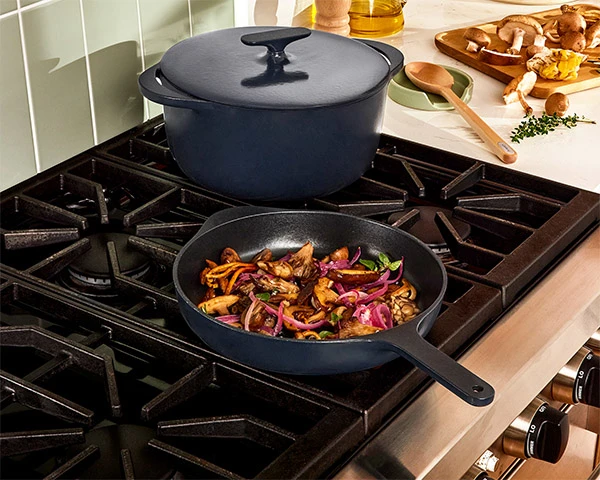
Credit: www.carawayhome.com
Benefits Of Seasoning Cast Iron
Seasoning cast iron cookware is more than just a routine task; it transforms your pan into a versatile kitchen hero. The benefits of seasoning go beyond appearance, directly impacting your cooking experience and the lifespan of your cookware.
Enhances Non-stick Surface
Seasoning creates a smooth, natural non-stick layer on your cast iron. This surface improves with use, making it easier to cook delicate foods like eggs or pancakes without sticking. Have you noticed how a well-seasoned pan requires less oil and cleans up effortlessly?
Prevents Rust And Corrosion
Cast iron is prone to rust if left unprotected. The seasoning acts as a shield, sealing the metal from moisture and air that cause corrosion. This protective layer means your pan stays in great shape even if you skip drying it perfectly once in a while.
Improves Cooking Performance
A well-seasoned cast iron pan distributes heat evenly and retains it longer. This means your food cooks more consistently, reducing hot spots that can burn dishes. Have you ever struggled with uneven cooking? Seasoning can be the simple fix that improves your kitchen results dramatically.
Key Factors For Choosing Oil
Choosing the right oil for seasoning cast iron cookware affects its durability and cooking quality. Not all oils perform the same during seasoning. Some oils create a strong, lasting layer, while others may peel or become sticky. Understanding key factors helps pick the best oil for your cast iron.
Smoke Point Importance
The smoke point is the temperature where oil starts to burn and smoke. Oils with a high smoke point are better for seasoning. They can handle the heat without breaking down. This creates a smooth, hard layer on the cast iron. Oils with low smoke points might burn, leaving a sticky or uneven coating.
Polymerization Process
Polymerization is when oil molecules bond and harden on the pan’s surface. This process forms the protective, non-stick layer. Oils rich in polyunsaturated fats polymerize better. They create a tougher, more durable seasoning. Saturated fats can work but may not build as strong a layer over time.
Flavor Impact
Some oils can leave flavors on your cookware. Neutral oils do not change the taste of food. Strong-flavored oils might add unwanted taste. Choosing a neutral oil helps keep your cast iron versatile. This way, it does not affect the flavor of different dishes.
Top Oils For Seasoning
Choosing the right oil for seasoning your cast iron cookware can make all the difference in maintaining its non-stick surface and enhancing its longevity. With numerous options available, each oil brings unique benefits and characteristics that can influence the overall seasoning process. Let’s dive into some of the top oils recommended by home cooks and experts alike for seasoning cast iron.
Flaxseed Oil
Flaxseed oil is often considered the gold standard for seasoning cast iron. Its high smoke point and ability to form a durable polymerized layer make it ideal for creating a non-stick surface. Some users swear by its ability to build a smooth finish after multiple applications.
Canola Oil
Canola oil is a popular choice for its affordability and availability. With a relatively high smoke point, it provides a decent base for seasoning. It’s a versatile option that many have found effective for regular maintenance of their cast iron.
Grapeseed Oil
Grapeseed oil offers a high smoke point and a neutral flavor, making it a great option for seasoning. Its light texture makes it easy to apply evenly, ensuring a consistent coating each time you season your cookware.
Vegetable Oil
Vegetable oil is a staple in many kitchens and is often chosen for seasoning due to its cost-effectiveness. While not the highest smoke point, it does a satisfactory job and is readily available. It’s a practical choice for those who season their cookware frequently.
Avocado Oil
Avocado oil boasts one of the highest smoke points among cooking oils, making it excellent for seasoning cast iron. Its rich consistency allows for a good coating, and many appreciate its contribution to a well-maintained non-stick surface.
Crisco Shortening
Crisco shortening, a traditional choice, provides a thick and uniform layer when seasoning. It’s favored by some for the ease of application and reliable results. If you’ve ever used Crisco for baking, you’ll find it equally effective for your cast iron.
Have you tried different oils for seasoning your cast iron? Which one gave you the best results? Share your experiences and tips to help others achieve the perfect seasoned cookware.
Oils To Avoid
Choosing the right oil for seasoning cast iron is vital. Some oils harm the seasoning process and the cookware. Avoiding certain oils keeps the cast iron smooth and long-lasting. Here are oils you should skip for seasoning.
Low Smoke Point Oils
Oils with low smoke points burn quickly at seasoning temperatures. This causes sticky layers or uneven coating. Common low smoke point oils include:
- Flaxseed oil (raw)
- Butter or margarine
- Coconut oil (unrefined)
- Olive oil (extra virgin)
These oils break down before forming a solid layer. The seasoning may peel or become uneven. Use oils that tolerate high heat instead.
Unstable Or Rancid Oils
Oils that spoil fast or contain unstable fats create bad flavors. They also produce sticky or soft seasoning. Avoid oils like:
- Soybean oil
- Vegetable oil blends
- Oils stored for a long time
Rancid oils smell bad and reduce seasoning quality. Always use fresh, pure oils for the best results.
Seasoning Techniques
Seasoning cast iron cookware is essential for a non-stick surface and rust protection. It builds a natural, durable coating through oil polymerization. Proper seasoning techniques ensure the best results and long-lasting performance. Follow these key steps to season your cast iron with care and precision.
Cleaning The Cookware
Start with a clean pan. Remove any rust, dirt, or old seasoning. Use warm water and a stiff brush. Avoid soap as it can strip the pan’s surface. Dry the pan thoroughly with a towel or heat it briefly on the stove.
Applying Oil Correctly
Choose the right oil with a high smoke point. Use a small amount to coat the entire surface. Spread the oil evenly inside and outside the pan. Wipe off excess oil with a clean cloth. A thin layer prevents sticky buildup during baking.
Baking Process Tips
Preheat the oven to 450°F (230°C) or higher. Place the pan upside down on the oven rack. Use foil on the lower rack to catch drips. Bake for at least one hour for proper polymerization. Let the pan cool completely inside the oven before removing it.
Maintaining Seasoned Cast Iron
Maintaining seasoned cast iron cookware keeps it non-stick and rust-free. Proper care preserves the hard, shiny layer built over time. This layer improves cooking and makes cleaning easier. Regular attention helps your pan last for decades.
Regular Cleaning Practices
Clean cast iron after each use with warm water. Avoid soap or harsh detergents that strip seasoning. Use a soft brush or sponge to remove food bits. Dry the pan completely to prevent rust. Heat it on the stove for a few minutes to dry fully.
Reapplying Oil
Apply a thin layer of oil after every cleaning. Use oils with high smoke points like flaxseed or grapeseed oil. Rub oil all over the surface, inside and out. Heat the pan gently to let the oil bond with the iron. This rebuilds and strengthens the seasoning layer.
Storing Properly
Store cast iron in a dry place with good air flow. Avoid stacking pans directly on top of each other. Place a paper towel inside to absorb moisture and protect seasoning. Keep the lid off or slightly ajar to prevent condensation buildup. Proper storage stops rust and keeps seasoning intact.
Troubleshooting Seasoning Issues
Seasoning cast iron cookware is key to a smooth, non-stick surface. Sometimes, seasoning problems arise and affect cooking quality. Troubleshooting these issues helps restore your pan’s performance quickly. Simple fixes can save your cookware and extend its life.
Sticky Or Flaky Coating
A sticky or flaky coating means the oil did not bond well to the pan. This happens if too much oil was used or the pan was not heated enough. To fix this, clean the pan with hot water and a brush. Avoid soap as it can strip seasoning. Dry completely and apply a thin layer of oil. Heat the pan in the oven at 400°F for one hour. Let it cool slowly before use. Repeat if needed for a smooth finish.
Rust Spots
Rust spots form when moisture stays on the pan too long. Cast iron needs to be dried fully after washing. If rust appears, scrub the spots with steel wool or a stiff brush. Wash and dry the pan well. Re-season the affected area with oil and heat to create a protective layer. Store the pan in a dry place. Avoid soaking it in water or leaving it wet.
Uneven Seasoning
Uneven seasoning causes sticky patches or dull areas on the pan. This occurs from uneven oil application or heat distribution. Ensure the oil layer is thin and spread all over the surface. Use a lint-free cloth to wipe off excess oil. Heat the pan evenly in the oven or on a burner. Rotate the pan during seasoning to cover all spots. Regular use and care will improve the seasoning over time.

Credit: www.amazon.com

Credit: www.industrykitchens.com.au
Frequently Asked Questions
What Oil Is Best For Seasoning Cast Iron Cookware?
Flaxseed oil is highly recommended due to its high polymerization ability. It creates a durable, non-stick coating on cast iron surfaces. Other good options include grapeseed, canola, and vegetable oils, which also form effective seasoning layers.
Can I Use Olive Oil To Season Cast Iron?
Olive oil is not ideal for seasoning because it has a low smoke point. It can leave a sticky residue and may not create a durable seasoning layer. Choose oils with higher smoke points for better results.
How Often Should I Season Cast Iron Cookware?
Season cast iron cookware every few months or after heavy cleaning. Regular seasoning maintains the non-stick surface and prevents rust. Frequent use and proper care reduce the need for constant reseasoning.
Does Seasoning Improve Cast Iron Non-stick Properties?
Yes, seasoning builds a natural non-stick layer on cast iron. It prevents food from sticking and protects the cookware from rust. Proper seasoning enhances cooking performance and extends the cookware’s lifespan.
Conclusion
Choosing the right oil helps your cast iron last longer. Flaxseed, grapeseed, and vegetable oils work well. They create a strong, non-stick surface after seasoning. Use fresh oil and apply thin layers for best results. Proper care keeps your cookware smooth and rust-free.
Regular seasoning improves cooking performance and flavor. Enjoy cooking with your well-seasoned cast iron every day.