
Have you ever noticed a little screwdriver icon lighting up on your car’s dashboard and wondered what it means? That small symbol can tell you a lot about your vehicle’s health and needs.
Ignoring it might lead to bigger problems down the road, but understanding it can save you time, money, and stress. You’ll discover exactly what the screwdriver light means, why it appears, and what steps you should take right away. Keep reading to unlock the key to keeping your car running smoothly and avoiding unexpected breakdowns.
Credit: www.findlayvw.com
Screwdriver Light Basics
The screwdriver light on your car’s dashboard is a key indicator that often puzzles drivers. It’s not just a symbol; it’s a message from your vehicle about maintenance or system checks. Understanding this light can save you time, money, and stress by addressing issues before they escalate.
What The Symbol Looks Like
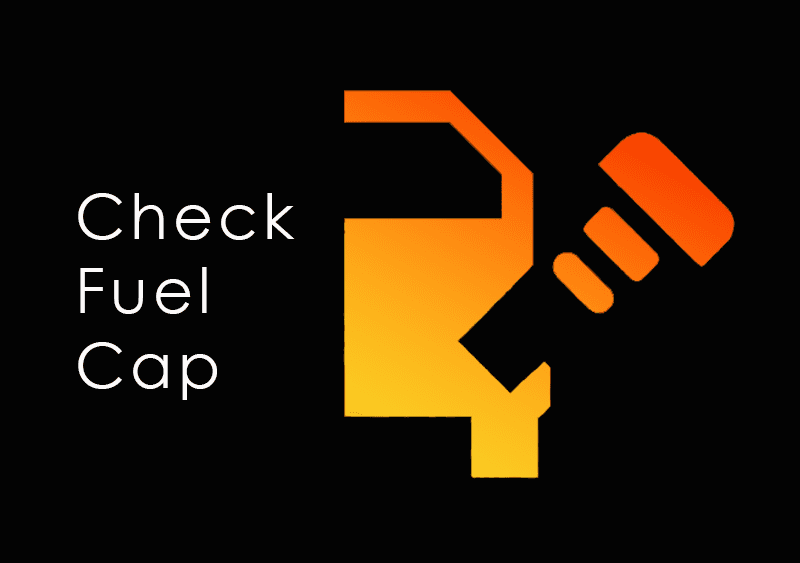
The screwdriver light typically appears as a small icon resembling a screwdriver, often combined with a wrench or gear symbol. Its design is simple but distinct, making it easy to spot among other dashboard lights.
This icon usually glows in orange or yellow, colors that signal caution but not immediate danger. When you see this symbol, it’s your car’s way of saying it needs attention, but it’s not an emergency like a red light would indicate.
Common Locations On Dashboard
You’ll usually find the screwdriver light in the same cluster as other warning and indicator lights. It often appears near the check engine light, oil warning, or battery indicators.
Its position can vary depending on the make and model of your vehicle. In some cars, it’s part of a digital display, while in others, it’s a standalone icon on the dashboard panel.
Have you noticed how different dashboards prioritize or group these maintenance lights? Recognizing where to look can help you react faster when the screwdriver light comes on.
Why The Light Appears
The screwdriver light on your vehicle’s dashboard signals specific issues. It is not a cause for panic but a sign that needs attention. Understanding why this light appears helps you take timely action. The light often relates to maintenance or system problems that require care.
Scheduled Maintenance Reminder
The screwdriver light often serves as a maintenance reminder. It tells you that your vehicle is due for regular service. This includes oil changes, filter replacements, and other routine checks. Ignoring this light can lead to bigger problems. Staying on schedule keeps your vehicle running smoothly.
System Malfunction Warning
Sometimes, the screwdriver light means a system malfunction. It alerts you to a fault in the engine or other parts. This can include sensors, electrical components, or mechanical issues. The light prompts a diagnostic check to find the problem. Early detection prevents costly repairs later on.
Types Of Issues Indicated
The screwdriver light on your dashboard signals different vehicle issues. It acts as a warning to check specific systems. Knowing what problems this light points to helps in quick action.
These issues fall into categories like engine and transmission alerts, electrical system notices, and other vehicle systems. Each type highlights a different area that may need attention.
Engine And Transmission Alerts
The screwdriver light often indicates engine or transmission troubles. It can mean:
- Low oil pressure or oil change needed
- Engine overheating or coolant problems
- Transmission fluid low or transmission slipping
- Faulty sensors affecting engine performance
Ignoring these alerts can cause serious damage. Immediate inspection is important.
Electrical System Notices
This light may also warn about electrical issues. Common problems include:
- Battery charge low or alternator failure
- Malfunction in lighting or dashboard electronics
- Problems with electronic control units (ECU)
- Loose or corroded wiring connections
Electrical faults can affect vehicle safety and function. Getting them checked is wise.
Other Vehicle Systems
The screwdriver icon can also signal other system faults. Examples are:
- Brake system alerts, such as worn pads
- Steering or suspension issues
- Fuel system problems or leaks
- Transmission control or emission system faults
These issues impact driving comfort and safety. Timely service helps avoid bigger repairs.

Credit: www.zigwheels.my
Steps To Take When Lit
The screwdriver light on your dashboard signals a maintenance reminder or issue. Acting quickly helps avoid bigger problems. Follow these clear steps to understand and address the warning.
Checking The Owner’s Manual
Start by reading the owner’s manual. It explains what the screwdriver light means for your vehicle model. Look for maintenance schedules and specific alerts linked to this symbol. The manual provides clear guidance on what to do next.
Performing Basic Inspections
Check basic areas before driving. Look under the hood for loose or worn parts. Examine fluid levels like oil, coolant, and brake fluid. Make sure all caps are tight and nothing leaks. Inspect tires for damage or low pressure. These checks catch simple issues fast.
When To Visit A Mechanic
Visit a mechanic if the light stays on after your checks. Also go if the car drives oddly or shows other warning lights. A professional can scan for error codes and find hidden problems. Early service saves money and keeps your car safe.
Resetting The Screwdriver Light
Resetting the screwdriver light on your dashboard can feel tricky if you don’t know where to start. This warning light usually signals maintenance needs or minor issues. Clearing it properly ensures your car’s system stays updated and prevents unnecessary worry.
Diy Reset Methods
You don’t always need a mechanic to reset the screwdriver light. Many cars allow you to do it yourself with simple steps.
- Turn off your vehicle completely.
- Press and hold the trip reset button on the dashboard.
- While holding the button, turn the ignition key to the “on” position, but don’t start the engine.
- Keep holding the button until the screwdriver light blinks or turns off.
- Release the button and turn off the ignition.
These steps can vary based on your car’s make and model. Checking your owner’s manual can save time. Have you ever tried resetting a warning light yourself? It’s surprisingly straightforward once you know the process.
Using Diagnostic Tools
If the DIY way doesn’t work, a diagnostic tool can help. These devices connect to your car’s OBD-II port and read error codes.
- Plug the diagnostic scanner into the OBD-II port, usually found under the dashboard.
- Turn on the ignition and let the tool communicate with your vehicle.
- Look for the code related to maintenance or the screwdriver light.
- Choose the option to clear or reset the codes.
- Turn off the ignition and disconnect the tool.
Using a scanner not only resets the light but also gives insight into your car’s health. Investing in one can save you trips to the garage and unexpected repair bills. Would you consider buying a scanner if it means you can keep your car’s warning lights in check?

Credit: www.reddit.com
Preventing Future Alerts
The screwdriver light on your dashboard is more than just a warning; it’s a nudge to keep your vehicle in top shape. Preventing future alerts means staying proactive about your car’s health. This not only saves you from unexpected breakdowns but also helps maintain your car’s performance and value.
Regular Maintenance Tips
Consistency is key. Regularly check and change your engine oil, replace air filters, and inspect brake pads. These simple steps can stop minor issues from turning into costly repairs.
Don’t overlook fluid levels like coolant and transmission fluid. Low or dirty fluids often trigger warning lights. Adding a quick fluid check to your routine can keep those alerts at bay.
Remember how skipping an oil change once led to that annoying engine light on your dashboard? Staying on top of these basics avoids such surprises and keeps your vehicle running smoothly.
Keeping Track Of Service Intervals
Have you ever forgotten when your car’s next service was due? Tracking service intervals helps you stay ahead of maintenance needs. Use your vehicle’s manual or a smartphone app to log service dates and mileage.
Set reminders to schedule oil changes, tire rotations, and inspections before the screwdriver light ever appears. Keeping this habit protects you from sudden alerts and unexpected expenses.
Think about how much easier it is to plan your car care when you know exactly when each service is coming up. This small effort can make a big difference in avoiding future warning lights.
Frequently Asked Questions
What Does The Screwdriver Light Indicate On My Dashboard?
The screwdriver light usually signals a maintenance reminder. It means your vehicle needs scheduled service like oil change or inspection soon. Ignoring it can lead to performance issues or damage. Always check your owner’s manual for specific guidance related to this warning light.
How To Reset The Screwdriver Light After Service?
To reset the screwdriver light, follow your car’s manual instructions. Typically, it involves turning the ignition on and pressing a button or using the dashboard menu. Resetting confirms maintenance is done and clears the reminder until the next scheduled service.
Is The Screwdriver Light A Sign Of Car Malfunction?
No, the screwdriver light is not an immediate malfunction warning. It mainly reminds you of routine maintenance requirements. However, if it stays on after service, check for other warning lights or issues. Always address maintenance promptly to keep your car healthy.
Can I Drive With The Screwdriver Light On?
Yes, you can drive with the screwdriver light on, but only for a short time. It’s a reminder to service your vehicle soon. Delaying maintenance may cause problems later. Schedule service promptly to avoid costly repairs and ensure safety.
Conclusion
Understanding the screwdriver light is crucial for car maintenance. It signals potential issues needing immediate attention. Ignoring it can lead to costly repairs. Regular check-ups help avoid these problems. Consult your car manual for specific guidance. Always address any warning light promptly.
This ensures your vehicle remains reliable and safe. Keeping an eye on dashboard alerts extends your car’s lifespan. Stay informed and proactive. This approach saves time and money in the long run. Your car’s health depends on your awareness. Stay vigilant and drive with peace of mind.