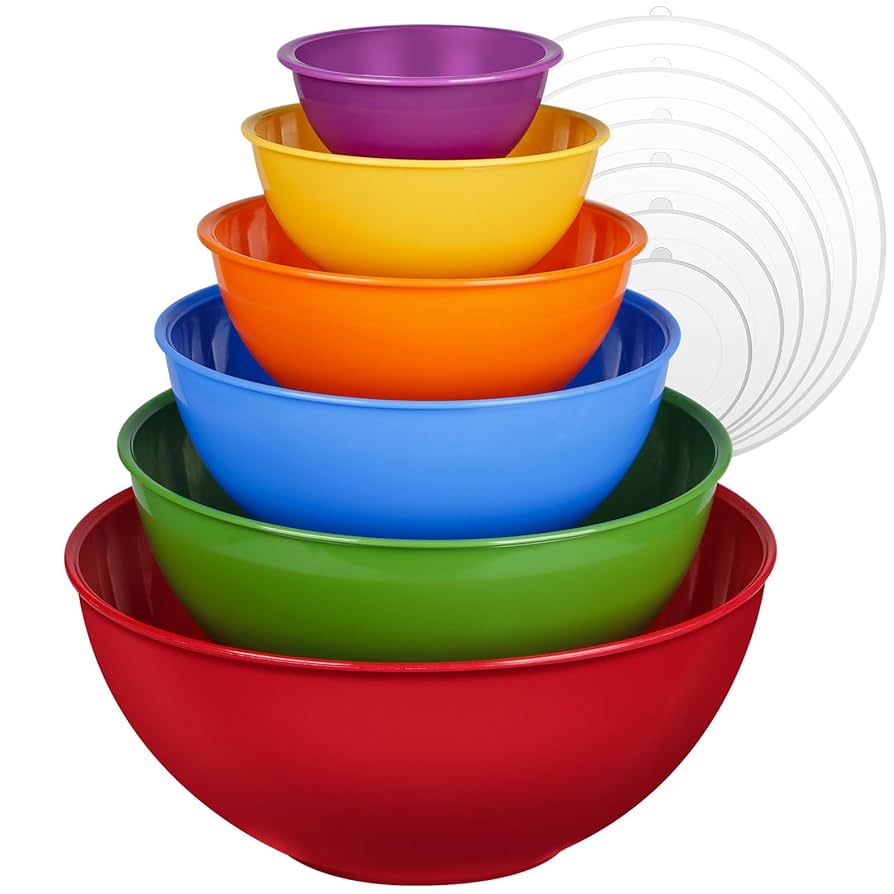
Are you wondering if it’s safe to pop your plastic mixing bowls into the microwave? You’re not alone.
Many of us rely on these kitchen staples for everything from prepping to serving, but when it comes to heating, things can get a bit confusing. You might be concerned about safety or the potential for your bowl to warp or even release harmful chemicals.
Imagine the relief of knowing exactly which bowls are safe to use, ensuring your meals stay delicious and your health uncompromised. We’ll dive into what you need to know about microwaving plastic mixing bowls, so you can make informed choices and keep your kitchen adventures smooth and worry-free. Keep reading to discover the essential tips that could transform the way you use your kitchenware.
Types Of Plastic Bowls
Plastic mixing bowls come in many types. Knowing the kind of plastic helps decide if they are microwave-safe. Some plastics handle heat well, while others can melt or release harmful chemicals. Understanding the material can keep you safe and protect your kitchen tools.
Common Plastics Used
- Polypropylene (PP):Often used for food containers. It resists heat and is usually microwave-safe.
- Polyethylene Terephthalate (PET or PETE):Common in disposable containers. Not always safe for microwaving.
- High-Density Polyethylene (HDPE):Durable and usually safe for microwave use.
- Low-Density Polyethylene (LDPE):Softer plastic, less heat resistant and often not microwave-safe.
- Polystyrene (PS):Used in disposable cups and bowls. Not microwave-safe, can melt easily.
- Polycarbonate (PC):Hard plastic but can release chemicals when heated. Not recommended for microwaves.
Microwave-safe Labels
Always check for microwave-safe labels on plastic bowls. These symbols show the bowl can handle microwave heat without damage.
- The microwave-safe symbol looks like a microwave or wavy lines.
- Look for words like “microwave safe” on the packaging.
- If no label exists, avoid microwaving the bowl.
Using bowls without these labels risks melting or harmful chemical release. When unsure, use glass or ceramic containers instead.
How Microwaves Affect Plastic
Microwaves heat food by causing water molecules to vibrate, creating heat. This process can affect plastic in various ways depending on the type of plastic and its composition. Understanding how microwaves interact with plastic is key to using your mixing bowls safely and effectively.
Heat Resistance Limits
Not all plastic bowls are built to withstand microwave heat. Some plastics can warp, melt, or even crack when exposed to high temperatures. For example, thin or low-quality plastic bowls often fail under intense heat, making them unsafe for microwave use.
Look for labels like “microwave-safe” or temperature ratings on your bowls. These indicators mean the plastic can resist heat up to a certain point without damage. Ignoring these limits could ruin your bowl and create a mess in your microwave.
Chemical Leaching Risks
Heating plastic can sometimes cause chemicals to leach into your food. Certain plastics contain additives that may release harmful substances when microwaved, especially if the plastic is old or scratched.
Have you ever noticed a strange taste or smell after microwaving food in plastic? That could be a sign of chemical leaching. To avoid this risk, choose bowls made from plastics known to be safe for microwaving, such as polypropylene or certain BPA-free plastics.
Identifying Microwave-safe Bowls
Before you pop that plastic mixing bowl into the microwave, it’s crucial to know if it can handle the heat. Using the wrong bowl can lead to melting, warping, or even harmful chemicals leaching into your food. Identifying microwave-safe bowls helps you avoid these risks and keeps your kitchen safe.
Symbols To Look For
Most microwave-safe bowls have clear symbols on their base. Look for a microwave icon—usually a small image of a microwave or wavy lines indicating heat. Some bowls might also say “microwave safe” in plain text.
Other common symbols include:
- A plate with wavy lines above it
- A microwave with a snowflake or heat waves
- Numbers inside a triangle that relate to plastic type (e.g., 5 for polypropylene)
These symbols aren’t just decorative—they’re your best hint about whether a bowl can safely go in the microwave. Have you ever ignored these symbols and regretted it? Paying attention can save you from a mess.
Manufacturer Guidelines
Even if your bowl has the right symbols, check the manufacturer’s instructions whenever possible. Sometimes, bowls are microwave-safe only for reheating, not for cooking or extended use. The temperature limits and usage tips can vary widely.
Manufacturers may also warn against using certain features like lids or handles in the microwave. Following these guidelines helps you get the most out of your bowl without risking damage or safety issues.
Next time you grab a plastic bowl, ask yourself: does the label back up its microwave claims? Your food—and your microwave—will thank you for the extra caution.
Credit: www.ebay.ca
Risks Of Using Non-safe Bowls
Using plastic mixing bowls that aren’t labeled microwave-safe might seem convenient, but it can lead to unexpected problems. Many people don’t realize the risks involved until damage occurs or health issues arise. Understanding these risks helps you make smarter choices about the bowls you use in your microwave.
Health Concerns
Plastic bowls not designed for microwave use can release harmful chemicals when heated. These substances, like BPA or phthalates, may leach into your food, affecting your health over time.
Have you ever noticed a strange smell when microwaving food in certain plastic containers? That’s often a sign of chemical release. Avoiding non-safe bowls reduces your exposure to these potentially dangerous toxins.
Damage To Bowls And Microwave
Microwaving non-safe plastic bowls can cause them to warp, melt, or crack. This not only ruins your bowl but can also create a mess that’s hard to clean.
Beyond the bowl, your microwave itself can suffer damage. Warped plastic can trap heat in ways that harm the microwave’s internal components, shortening its lifespan.
Is it worth risking your kitchen tools and health just to save a minute or two? Choosing microwave-safe bowls protects both your food and your appliances.
Tips For Safe Microwave Use
Using plastic mixing bowls in the microwave requires care. Some plastics can melt or release harmful chemicals when heated. Follow safety tips to protect your health and kitchen tools. These tips help you use the microwave safely and effectively.
Alternatives To Plastic Bowls
Choose microwave-safe containers instead of regular plastic bowls. Glass bowls are a safe choice and do not warp. Ceramic bowls also handle heat well without chemicals. Silicone bowls offer flexibility and microwave safety. These materials keep your food safe and heating even.
Proper Heating Practices
Always check the bowl for a microwave-safe label before use. Avoid heating food in plastic bowls not meant for microwaves. Use low or medium power settings to prevent overheating. Stir food during heating to distribute warmth evenly. Let food stand a moment after microwaving for even heat. Avoid covering bowls tightly to allow steam to escape. Replace any plastic bowls that show cracks or warping. These habits reduce risks and keep your food safe.

Credit: www.amazon.com

Credit: dmgbottle1998.en.made-in-china.com
Frequently Asked Questions
Can All Plastic Mixing Bowls Go In The Microwave?
Not all plastic bowls are microwave-safe. Check the label or symbol to confirm if the bowl is designed for microwave use before heating.
How To Identify Microwave-safe Plastic Bowls?
Look for a microwave-safe symbol, usually a microwave icon or wavy lines. If absent, avoid microwaving to prevent melting or harmful chemical release.
What Happens If A Plastic Bowl Is Not Microwave-safe?
Non-microwave-safe plastic can melt, warp, or release harmful chemicals when heated. This can damage your microwave and contaminate your food.
Are Bpa-free Plastic Bowls Safe For Microwaving?
BPA-free plastic bowls are generally safer but still require a microwave-safe label. Always verify before microwaving to ensure safety and prevent damage.
Conclusion
Plastic mixing bowls may or may not be safe for microwaves. Check the bowl’s label or symbol for microwave safety. Some plastics can melt or release harmful chemicals when heated. Using microwave-safe bowls protects your food and your health. When unsure, use glass or ceramic bowls instead.
Always avoid heating plastic bowls that are old or damaged. Small steps keep your kitchen safe and your meals tasty. Choose wisely to avoid problems. Safe cooking means peace of mind.