
Are you wondering if your kitchen hand mixer can handle chapati flour? You might have a mixer sitting on your counter and question whether it’s the right tool for preparing your dough.
Using the right equipment can make a big difference in your cooking experience, saving you time and effort. You’ll discover the surprising truth about using a hand mixer for chapati flour and learn tips to get the best results. Keep reading to find out if your mixer is up for the task—and how to make your chapatis perfect every time!
Suitability Of Hand Mixer For Chapati Flour
Using a kitchen hand mixer for chapati flour might seem like a time-saver, but is it really the right tool for the job? Chapati dough demands a specific texture and consistency that can be tricky to achieve with appliances designed for other types of mixing. Understanding the suitability of your hand mixer can help you decide if it’s worth trying or if sticking to traditional methods is better for your chapati making.
Types Of Hand Mixers
Not all hand mixers are created equal. Some come with dough hooks, while others only have beaters or whisks.
- Beater Attachments:Great for light batters and whipping cream but often struggle with thick doughs.
- Dough Hooks:Designed for kneading heavier doughs like bread and pizza, these can sometimes handle chapati dough better.
- Whisks:Ideal for eggs and airy mixtures but unsuitable for any type of dough.
If your hand mixer doesn’t have dough hooks, it might not be the best choice for kneading chapati flour. Using the wrong attachment can overwork your mixer and leave you with poorly mixed dough.
Mixing Chapati Dough Requirements
Chapati dough needs to be soft, pliable, and smooth. This requires gradual mixing and kneading to develop the gluten without overworking the dough.
- Consistency:The dough should be elastic but not sticky.
- Control:You need to feel the dough and adjust water or flour as you mix.
- Time:Kneading by hand allows you to better control the texture and avoid over-kneading.
Can a hand mixer replicate this sensitivity? Often, no. Hand mixers can make the process faster but may not give you the tactile feedback essential for perfect chapati dough. Have you ever felt the dough’s texture change under your fingers? That’s a key part of the process that machines can’t replicate well.

Credit: www.vevor.com
Benefits Of Using A Hand Mixer
Using a kitchen hand mixer for chapati flour offers many benefits. It makes dough preparation faster and easier. The mixer blends ingredients evenly, saving effort and time. This tool helps achieve better dough quality. It suits both beginners and experienced cooks. Let’s explore the main advantages of using a hand mixer for chapati dough.
Time Efficiency
A hand mixer mixes dough much faster than hand kneading. It reduces the time needed to prepare chapati dough. This allows more time for other cooking tasks. The mixer works continuously without tiring the user. It also speeds up mixing flour and water evenly. This makes the cooking process smoother and quicker.
Consistent Dough Texture
The hand mixer creates a uniform dough texture. It mixes flour and water evenly, avoiding lumps. This consistency helps chapatis cook better and look smoother. The dough becomes soft and elastic, easy to roll out. A consistent texture also improves the chapati’s taste and feel. It ensures each chapati has the same quality every time.
Potential Challenges And Solutions
Using a kitchen hand mixer for chapati flour can present challenges. Understanding these can lead to better results and more enjoyable cooking experiences. Let’s explore common issues and their solutions.
Overmixing Risks
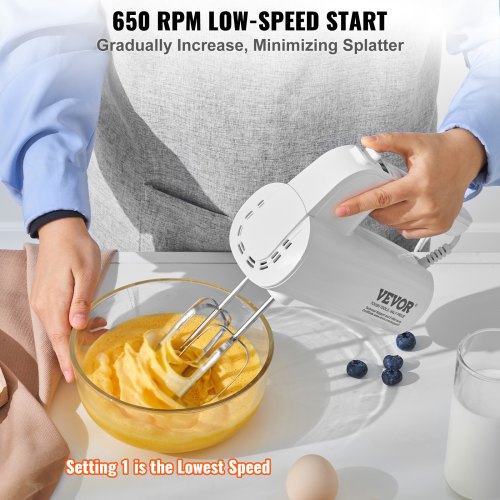
Mixing chapati dough with a hand mixer can be tricky. Overmixing is a common problem. It can lead to tough dough, making chapatis less tender. To avoid this, mix at a low speed. Stop as soon as the dough comes together. This ensures a soft texture.
Attachment Choices
Choosing the right attachments is crucial. Dough hooks are ideal for chapati flour. They handle the dense texture better than regular beaters. Ensure the hooks are clean and dry before use. This prevents unwanted ingredients from mixing in.
Dough Sticking Issues
Sticking is another challenge. The dough may cling to the hooks or bowl. Lightly dust the mixer parts with flour before starting. This helps reduce sticking. Regularly scraping down the sides can also keep the process smooth.
Credit: www.vevor.com
Step-by-step Guide To Mixing Chapati Flour
Mixing chapati flour with a kitchen hand mixer can save you time and effort, but it requires a careful approach to get the dough just right. Knowing how to prepare your ingredients and use the mixer properly will make a big difference. Let’s walk through a simple, clear process that helps you achieve soft and pliable chapati dough every time.
Preparing Ingredients
Start with the right flour—fresh, finely ground whole wheat flour works best for chapatis. Measure your flour and water accurately; usually, the ratio is around 2 cups of flour to ¾ cup of water, but this can vary slightly.
Add a pinch of salt if you like, and keep a small bowl of water nearby for adjusting the dough texture. Having everything ready before you mix keeps the process smooth and efficient.
Using The Hand Mixer Correctly
Attach the dough hooks to your hand mixer—these are designed for kneading and will handle the chapati dough better than regular beaters. Start mixing on a low speed to prevent flour from flying everywhere.
Gradually add water to the flour while the mixer is running. This slow addition helps you control the dough’s moisture, avoiding a sticky mess. Mix until the dough starts coming together in a ball.
Checking Dough Consistency
The dough should feel soft and slightly tacky but not sticky enough to cling to your fingers. If it’s too dry, add water a teaspoon at a time. If it’s too sticky, sprinkle a little more flour while mixing.
Pause the mixer and knead the dough by hand for a minute to test its elasticity. A well-kneaded chapati dough stretches without tearing easily. How does your dough compare to this ideal feel?
Expert Tips For Best Results
Using a kitchen hand mixer for chapati flour can save effort and time. To get the best dough, follow these expert tips. These tips help ensure the dough is smooth and ready for cooking.
Optimal Mixing Speed
Set the mixer to a low or medium speed. High speed can make the dough too sticky. Mixing slowly blends the flour and water evenly. It also prevents overheating the flour, which affects texture.
Resting The Dough
After mixing, let the dough rest for 20 to 30 minutes. This helps the flour absorb water fully. Resting makes the dough soft and easier to roll. Cover the dough with a damp cloth to keep it moist.
Cleaning And Maintenance
Clean the mixer immediately after use to avoid flour buildup. Remove the beaters and wash with warm water and soap. Dry all parts completely before storing. Regular cleaning keeps the mixer working well and hygienic.
Alternatives To Hand Mixer For Chapati Flour
Finding the right tool for mixing chapati flour can be tricky. A kitchen hand mixer may not always suit the task. Luckily, several alternatives work well for mixing and kneading chapati dough. These options offer different benefits and fit various kitchen setups. Explore these choices to prepare chapati dough with ease and good texture.
Traditional Hand Kneading
Hand kneading is the oldest and most common way to mix chapati flour. It helps control the dough’s consistency perfectly. Use clean hands to mix flour and water in a bowl. Press and fold the dough repeatedly until it becomes smooth and elastic. This method improves the dough’s texture and flavor naturally. It also connects you with the traditional cooking process. Hand kneading needs no special tools and works anywhere.
Food Processor Use
A food processor can mix chapati flour quickly and evenly. Add flour and water into the processor bowl. Use the dough blade to pulse the mixture. Stop and check the dough’s texture often. This method saves time and effort. It produces a soft and consistent dough. Clean the food processor thoroughly after use to avoid flour buildup. This tool suits busy kitchens and modern cooking styles.

Credit: www.vevor.com
Frequently Asked Questions
Can A Kitchen Hand Mixer Knead Chapati Flour Dough?
Yes, a kitchen hand mixer with dough hooks can knead chapati dough efficiently. It saves time and effort compared to hand kneading.
Is Using A Hand Mixer Better Than Hand Kneading Chapati Dough?
Using a hand mixer is faster and less tiring. It ensures consistent kneading, but hand kneading offers better control over dough texture.
Will A Hand Mixer Damage Chapati Flour Dough?
No, a good quality hand mixer won’t damage chapati dough. It gently combines ingredients without overworking or tearing the dough.
What Attachments Are Needed For Mixing Chapati Flour Dough?
Dough hook attachments are best for chapati dough. They mimic hand kneading and help achieve the right dough consistency.
Conclusion
A kitchen hand mixer can help mix chapati flour and water well. It saves time and effort, especially for small batches. Yet, it may not knead dough as deeply as hands can. For best chapati texture, some hand kneading is still needed.
Using the mixer is fine for quick mixing and soft dough. Try it out and see if it fits your cooking style. Simple tools can make daily tasks easier without losing tradition.