
Are you tired of pantry messes and stale snacks? You might have heard that Mason jars are a great way to keep your food fresh and organized.
But do Mason jars really make airtight pantry storage? If you want to protect your ingredients from moisture, bugs, and air, understanding how well these jars seal can save you time and money. Keep reading to discover the truth about Mason jars and how they could transform your kitchen storage for good.

Credit: food52.com
Mason Jars And Airtight Seals
Mason jars are a popular choice for pantry storage, especially when you want to keep your food fresh and free from moisture. The secret lies in their airtight seals, which can make a big difference in how long your pantry items stay good. But how exactly do these seals work, and what should you expect from their durability? Let’s dive into the details so you can decide if Mason jars are right for your kitchen.
How Mason Jar Seals Work
Mason jars use a two-part lid system: a flat metal disc with a rubber ring and a screw-on metal band. When you heat the jar during canning, the air inside expands and escapes, creating a vacuum as it cools. This vacuum pulls the lid down tightly, compressing the rubber ring to form an airtight seal.
This seal prevents air and moisture from entering the jar, which helps preserve the contents. If you’re just using the jars for dry goods, the seal still keeps out humidity and pests. Have you noticed how your spices stay fresher longer when stored in sealed Mason jars?
Types Of Mason Jar Lids
- Two-Piece Lids:The classic system with a flat lid and a screw band, designed primarily for canning but great for storage too.
- One-Piece Lids:These lids are designed to screw on tightly and provide an airtight seal without the need for a separate band.
- Silicone Seals:Some newer lids use silicone rings for a flexible, reusable seal, perfect for frequent opening and closing.
Choosing the right lid depends on how often you open the jar. Two-piece lids are great for long-term storage, while silicone seals offer convenience for everyday use.
Seal Durability Over Time
One important thing to remember is that Mason jar seals don’t last forever. The rubber ring on the lid can dry out, crack, or lose its flexibility, which means it won’t seal properly anymore. If you reuse lids for multiple batches of food storage, you should replace the flat lids regularly to maintain airtightness.
Metal bands can be reused many times but be careful not to overtighten them, as this can damage the seal. How often do you check your storage jars to make sure their seals are still intact? A simple pressure test or visual inspection can save your pantry from spoiled food.
Benefits Of Using Mason Jars For Pantry Storage
Mason jars offer many benefits for pantry storage. They keep food fresh and well-organized. Their clear glass design makes it easy to see contents. These jars are also reusable and eco-friendly. They suit various pantry items like grains, spices, and snacks.
Preserving Freshness
Mason jars seal tightly, protecting food from air and moisture. This helps keep ingredients fresh longer. The airtight seal prevents bugs and dust from entering. It also stops odors from mixing between different foods. Proper sealing reduces waste by extending shelf life.
Visibility And Organization
The clear glass walls show what’s inside at a glance. This makes it simple to find items quickly. Using jars of the same size creates a neat, uniform look. Labels can be added for easy identification. Stackable jars save space and keep the pantry tidy.
Eco-friendly And Reusable
Mason jars are made from glass, a recyclable material. They can be reused many times without losing quality. This reduces the need for single-use plastic containers. Cleaning jars is easy and helps cut down on waste. Choosing mason jars supports a greener lifestyle.
Common Challenges With Mason Jar Storage
Mason jars are popular for pantry storage. They offer a classic look and practical use. But, they come with their own set of challenges. Understanding these issues can help you use them effectively. Here are some common challenges with mason jar storage.
Seal Failures And Causes
Mason jars may not always form a perfect seal. This can cause spoilage. The main reasons for seal failures are lids and rings. Overused lids may lose their ability to seal properly. Bent or rusted rings can also lead to seal issues. Make sure to check them regularly. Replace any faulty parts.
Limitations For Certain Foods
Not all foods are suitable for mason jar storage. Foods that need complete airtight conditions may not stay fresh. For example, powdery foods can clog the seal. This leads to air getting in. Also, liquids may not be ideal for long-term storage. They can cause corrosion on the lids.
Handling And Breakage Risks
Mason jars are made of glass. They are prone to breaking. Accidental drops can cause breakage. This poses a risk in the kitchen. Handle them with care. Use both hands to carry full jars. Store them on stable shelves to prevent falling. Regular checks can prevent accidents.
Comparing Mason Jars To Other Airtight Containers
Choosing the right airtight container for your pantry can be a game changer for food freshness and organization. Mason jars are a popular choice, but how do they stack up against other options? Let’s compare the key features of Mason jars with various airtight containers to help you decide what fits your kitchen needs best.
Plastic Vs. Glass Containers
Plastic containers are lightweight and less likely to break if dropped. They often come with snap-on lids that create a decent seal but may degrade over time or absorb odors.
Mason jars, made of thick glass, are durable and don’t retain smells or stains. Their metal lids with rubber seals provide a strong airtight closure, but the jars can shatter if dropped.
Think about your kitchen habits: Do you need something kid-proof or something that keeps your pantry looking neat and stylish? Your choice might lean toward plastic for convenience or glass for longevity and aesthetics.
Vacuum-sealed Options
Vacuum-sealed containers remove air completely, extending food life far beyond regular airtight jars. These containers often require a pump or special machine, which adds an extra step to your storage routine.
Mason jars don’t offer vacuum sealing by themselves but can be used with vacuum lids designed for them. This hybrid approach combines the classic look of Mason jars with enhanced preservation.
Ask yourself if you’re willing to invest time and money in vacuum sealing. Is the extra effort worth the longer freshness, or do you prefer the simplicity of sealing with a Mason jar’s lid?
Cost And Convenience Factors
Mason jars are relatively affordable and widely available. They serve multiple purposes beyond storage, like canning or serving drinks, which adds value.
Plastic containers often come in sets and can be more budget-friendly upfront, but may need replacing sooner. Vacuum-sealed systems tend to be pricier and require maintenance.
Consider how much convenience matters to you. Would you rather have a versatile jar that looks good on your shelf or a specialized system that demands more time and investment?
Tips For Maximizing Airtight Storage With Mason Jars
Mason jars are popular for pantry storage because they can keep food fresh. To make the most of their airtight seal, follow these simple tips. Proper care and attention help maintain freshness and prevent spoilage. Small steps can improve how well jars protect your food.
Proper Lid Installation
Make sure the jar rim is clean before sealing. Wipe off any food or dust to ensure a tight fit. Place the lid evenly on the jar without tilting it. Screw the band on until it is firm but not too tight. Over-tightening can break the seal or damage the lid. Check the seal by pressing the lid center. It should not pop up or move.
Storage Environment Considerations
Store mason jars in a cool, dry place away from sunlight. Heat and light can damage food and reduce shelf life. Avoid areas with high humidity to prevent rust on metal lids. Keep jars away from strong odors, which can seep into the food. Organize jars so air can circulate around them easily.
Maintenance And Cleaning
Clean jars and lids thoroughly before each use. Use warm, soapy water and rinse well. Inspect lids for dents or rust that may affect sealing. Replace any damaged parts to keep jars airtight. Dry jars completely before filling to avoid moisture inside. Regular cleaning extends the life of your storage jars.

Credit: www.instagram.com
Signs Your Mason Jar Seal Is Compromised
Noticing a problem with your Mason jar seal is crucial for keeping your pantry storage airtight. A compromised seal lets air sneak in, which can ruin the freshness of your food and even lead to spoilage. Catching the warning signs early can save you from wasting your stored goods and prevent frustration in your kitchen.
Visual And Physical Indicators
Look closely at the rubber seal on your Mason jar lid. If it’s cracked, dried out, or warped, the jar likely isn’t sealing properly. You might also spot rust or residue on the metal ring, which can interfere with the tight fit.
Another sign is if the lid doesn’t sit evenly or feels loose when twisted on. Sometimes, the lid might even pop up after you close it, which is a clear indication the air isn’t staying out. Have you ever noticed your jar lids feeling different after a few uses? That’s a red flag.
Effects On Food Quality
When air enters your Mason jar, your food loses its freshness faster. This can cause dry goods like flour or rice to clump or develop an off smell. Even canned items can spoil prematurely if the seal isn’t airtight.
Have you ever opened a jar expecting fresh contents but found them stale or moldy? That’s often due to a broken seal. Keeping your seal tight helps maintain flavor, texture, and safety for longer periods.
How To Test Seal Integrity
One simple test is to press the center of the lid after sealing. A good seal will feel firm and won’t pop back. If it’s springy or moves up and down, the seal may be compromised.
You can also invert the jar and check for leaks, especially with liquids. Another practical approach is to listen for a “pop” sound when opening a freshly sealed jar—it signals that a vacuum was created.
Have you tried these quick checks on your Mason jars? Making them part of your routine can prevent many pantry storage problems.
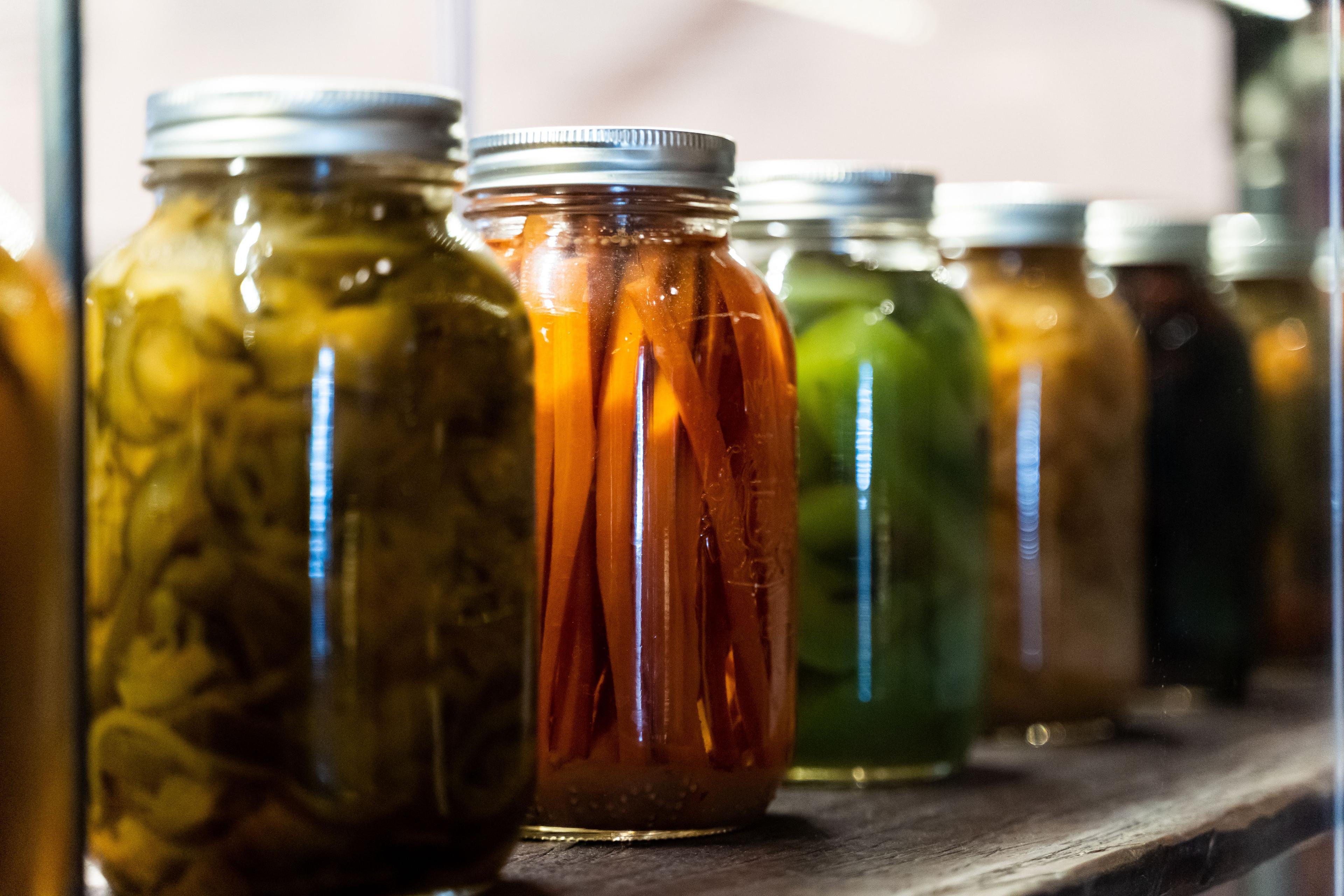
Credit: www.containerandpackaging.com
Frequently Asked Questions
Are Mason Jars Truly Airtight For Pantry Storage?
Yes, Mason jars with properly sealed lids are airtight. They prevent air and moisture from entering, preserving food freshness longer.
How Long Can Food Stay Fresh In Mason Jars?
Food stored in airtight Mason jars can stay fresh for months. Proper sealing and cool, dark storage extend shelf life effectively.
Can Mason Jars Protect Pantry Items From Pests?
Mason jars provide a strong barrier against pests. Their airtight seal keeps insects and rodents out, safeguarding pantry contents efficiently.
Do Mason Jars Prevent Moisture Buildup In Pantry Storage?
Yes, airtight Mason jars block moisture from entering. This helps maintain dry conditions, preventing mold and spoilage of stored goods.
Conclusion
Mason jars can keep your pantry fresh and organized. Their tight lids help stop air and moisture. This slows down spoilage and keeps food tasty longer. They work well for dry goods like rice, beans, and flour. Remember to check lids for cracks or damage.
Clean jars properly before use. Mason jars offer a simple, clear way to store food. They fit many kitchen styles and sizes. Overall, they make pantry storage easy and effective. Give them a try for better food freshness.