
Are you tired of waiting forever for your pasta to cook? What if you could make perfectly tender pasta in a fraction of the time, using just one appliance?
Cooking pasta in an electric pressure cooker is a game changer for anyone who loves quick, easy meals without sacrificing taste. You’ll discover simple steps to get restaurant-quality pasta every time, with less mess and stress. Ready to transform your cooking routine and impress your family or guests?
Keep reading to unlock the secrets of cooking pasta in your electric pressure cooker.
Choosing The Right Pasta
Selecting pasta shapes that cook evenly and fit well in the cooker ensures better results. Short pasta like penne or rigatoni works great for electric pressure cookers. Avoid overfilling to prevent clumping and uneven cooking.
Choosing the right pasta is a crucial step when cooking pasta in an electric pressure cooker. Not all pasta types respond the same way to pressure cooking, and selecting the right one can make a significant difference in taste and texture. Let’s dive into the specifics to ensure your pasta dish is a delightful success.
Types Of Pasta Suitable For Pressure Cooking
Not every pasta shape or size is ideal for pressure cooking. Short pasta varieties like penne, rigatoni, and rotini often perform better. Their robust shapes withstand the cooking pressure and ensure even cooking without turning mushy. Avoid long pasta like spaghetti or fettuccine, as they tend to clump together. If you must use them, break them into shorter pieces to ensure they cook evenly. A friend once tried cooking spaghetti in her pressure cooker without breaking it up, and it turned into a clumpy mess. Lesson learned!
Fresh Vs. Dried Pasta
The debate between fresh and dried pasta is age-old, but in pressure cooking, dried pasta often wins. It holds its shape better under pressure, ensuring a perfect al dente texture. Fresh pasta cooks quicker and can easily become overcooked in a pressure cooker. If you’re determined to use fresh pasta, adjust your cooking time accordingly. A quick tip: add fresh pasta at the last few minutes of the cooking cycle to achieve optimal results. Consider what you have on hand and the time you want to invest in cooking. Dried pasta offers consistency and reliability, while fresh pasta can add a touch of gourmet flair if managed carefully. What do you think will suit your next meal?

Credit: kristineskitchenblog.com
Preparing The Ingredients
Preparing the ingredients right is key to cooking pasta perfectly in an electric pressure cooker. The right amounts and additions help the pasta cook evenly and taste great. Simple steps make the whole process smooth and save time.
Measuring Pasta And Liquid
Use a measuring cup to add pasta to the cooker. Avoid overfilling to ensure even cooking. The pasta needs enough water or broth to cook without drying out.
For best results, use a 1:1 ratio of pasta to liquid by volume. For example, one cup of pasta requires one cup of liquid. This balance prevents mushy or undercooked pasta.
Adding Salt And Oil
Add salt to the liquid to boost pasta flavor. About 1 teaspoon per quart of water works well. Salt enhances taste and brings out the pasta’s natural flavor.
A small amount of oil, like 1 teaspoon, prevents pasta from sticking. Stir the pasta gently after adding it to spread the oil evenly. This step keeps the noodles separate and easy to serve.
Setting Up The Pressure Cooker
Setting up your electric pressure cooker correctly is key to cooking perfect pasta. It ensures the pasta cooks evenly and avoids overcooking or sticking. Before you start, gather all necessary tools and check the cooker’s settings. Proper setup saves time and gives great results every time.
Selecting The Proper Settings
Choose the right cooking program based on your pressure cooker model. Most electric pressure cookers have a “Manual” or “Pressure Cook” button. Use these for pasta. Set the pressure to high for faster cooking. Adjust the cooking time according to the pasta type. Shorter times work for thin noodles, longer for thicker shapes. Make sure to use the timer to avoid overcooking. Always check the manufacturer’s guide for exact settings.
Using Accessories And Inserts
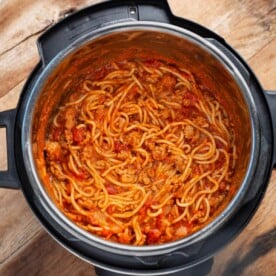
Accessories help prevent pasta from sticking and make cleanup easier. Use a heatproof trivet or steamer basket to keep pasta above water if needed. A pasta insert or strainer basket fits inside the cooker for easy draining. These inserts allow you to lift the pasta out without spilling water. Avoid overcrowding the cooker to ensure even cooking. Use a wooden spoon or silicone spatula to stir pasta gently during cooking. This stops clumping and helps sauce absorb better.
Credit: www.simplyhappyfoodie.com
Cooking Times For Different Pasta
Cooking pasta in an electric pressure cooker saves time and effort. Different pasta types need different cooking times. Knowing these times ensures perfect texture every time. Use this guide to match cooking time with pasta variety.
Short-cooking Pasta Varieties
Short pasta cooks quickly in a pressure cooker. These include shapes like penne, macaroni, and rotini. They usually take 3 to 5 minutes under pressure. Overcooking can make them mushy, so watch the time closely.
- Penne: 4 minutes
- Macaroni: 3 minutes
- Rotini: 4 minutes
- Fusilli: 4 minutes
- Shells (small): 3-4 minutes
Long-cooking Pasta Varieties
Long pasta types need slightly more cooking time. Spaghetti, linguine, and fettuccine fall in this group. Cooking them too long causes clumping or breaking. Set the pressure cooker for 5 to 7 minutes for best results.
- Spaghetti: 5 minutes
- Linguine: 6 minutes
- Fettuccine: 6 minutes
- Angel hair: 3-4 minutes (shorter time needed)
- Lasagna noodles (broken): 7 minutes
Step-by-step Cooking Process
Cooking pasta in an electric pressure cooker is quick and easy. Follow these clear steps for perfect pasta every time. This process saves time and keeps your kitchen cool. Let’s start with adding the right ingredients.
Adding Ingredients To The Cooker
- Pour dry pasta into the pressure cooker pot.
- Add enough water or broth to cover the pasta by about one inch.
- Include a pinch of salt for better flavor.
- Optionally, add a teaspoon of oil to prevent sticking.
Sealing And Starting The Cooker
Close the pressure cooker lid securely. Make sure the steam release valve is in the sealing position. Choose the pasta or manual setting on your cooker. Set the cooking time based on pasta type, usually 3 to 6 minutes. Press start and wait for the cooker to build pressure.
Releasing Pressure Safely
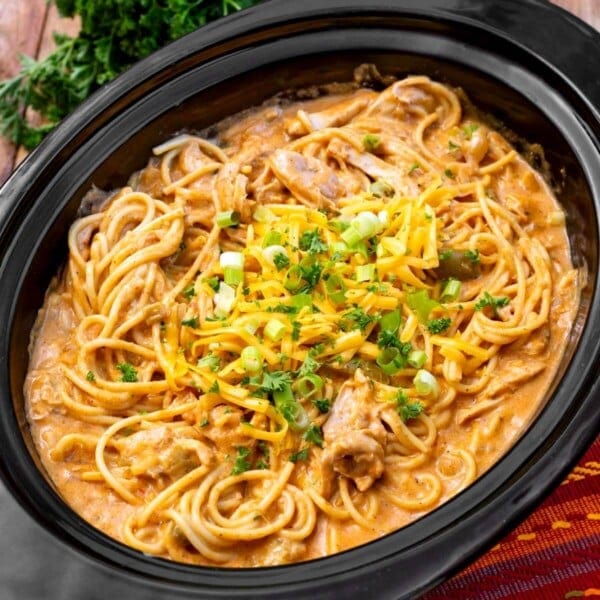
Once cooking is done, release the pressure carefully. Use the quick-release method by turning the steam valve to vent. Keep hands and face away from the steam. Wait until the pressure indicator drops before opening the lid. Stir the pasta gently and check for doneness. Drain any extra water if needed, then serve.
Credit: www.simplyhappyfoodie.com
Tips For Perfect Pasta Texture
Achieving the perfect pasta texture in an electric pressure cooker requires a bit of attention to detail. It’s easy to end up with mushy noodles if you’re not careful. But with a few simple tips, you can get pasta that’s just right—firm, tender, and ready to soak up your favorite sauce.
Avoiding Overcooking
Pressure cookers work fast, so timing is everything. Start by reducing the cooking time compared to traditional methods; usually, half the package’s recommended time under pressure is a good place to begin.
Use the quick release function immediately after cooking to stop the pasta from continuing to cook in the residual heat. Have you ever noticed how noodles get soggy if left sitting? This is why releasing pressure quickly matters.
If you’re cooking different pasta shapes, adjust the time accordingly—thinner pasta cooks faster than thicker varieties. Testing with small batches can save you from ruining a whole meal.
Adjusting Liquid For Creamy Sauces
The amount of liquid you add influences the pasta’s texture and how well your sauce clings. Too much water can make your sauce watery and your pasta less flavorful.
Try using broth or a mix of water and cream to add richness directly in the cooker. This method lets the pasta absorb flavor while it cooks, resulting in a creamy, well-coated dish.
If you prefer a thicker sauce, reduce the liquid slightly and stir in extra cream or cheese after cooking. Have you noticed how some pasta dishes taste better when the sauce is part of the cooking process? Adjusting your liquid can create that magic.
Common Mistakes To Avoid
Cooking pasta in an electric pressure cooker saves time and effort. Still, some mistakes can spoil the dish. Avoiding these common errors ensures perfect pasta every time. Focus on the water amount and pressure release methods for best results.
Too Much Or Too Little Water
Using the right water amount is crucial. Too much water makes pasta mushy and bland. Too little water causes sticking and burning. Always follow the recipe’s water guidelines. Check that pasta is just covered by water before cooking.
Ignoring Pressure Release Methods
Pressure release affects pasta texture. Quick release stops cooking instantly. Natural release continues cooking inside the pot. Use quick release for al dente pasta. Use natural release for softer pasta. Read the cooker manual for safe pressure release tips.
Enhancing Flavor During Cooking
Cooking pasta in an electric pressure cooker is a game-changer, but the real magic happens when you boost its flavor during the cooking process. You don’t have to wait until the pasta is done to add taste—flavor can be built right inside the pot. This approach saves time and makes your dish richer and more satisfying.
Adding Herbs And Spices
Throwing in herbs and spices early gives them time to infuse the pasta with deep flavors. Try dried oregano, basil, or rosemary for an Italian touch. Don’t forget a pinch of garlic powder or crushed red pepper to add a subtle kick.
Fresh herbs like parsley or thyme can also be added before cooking, but remember they’re more delicate. You want to add these toward the end or right after cooking for the best aroma. Have you ever noticed how a sprinkle of fresh herbs changes a simple pasta dish into something special?
Incorporating Sauces And Cheese
Adding sauce during cooking can make your pasta soak up all the flavors. Pour in tomato sauce or a creamy Alfredo right into the pressure cooker. This method ensures the pasta absorbs the sauce, making every bite flavorful.
Cheese can be part of the cooking too. Stir in grated Parmesan or shredded mozzarella near the end, allowing it to melt perfectly. This creates a rich, creamy texture that makes your dish feel indulgent without extra effort.
Cleaning And Maintenance After Cooking
Cleaning and maintaining your electric pressure cooker after cooking pasta keeps it in good shape. Proper care helps avoid odors and buildup. It also extends the life of your cooker. Simple cleaning steps make future cooking easier and safer.
Handling Stuck Pasta
Stuck pasta can be hard to remove. Fill the pot with warm water and a little dish soap. Let it soak for 15 to 20 minutes. Use a soft sponge to gently scrub the stuck parts. Avoid metal scrubbers to protect the surface. Rinse well and dry with a cloth.
Maintaining The Cooker’s Components
- Remove and wash the sealing ring after every use.
- Check the pressure valve for food bits and clean carefully.
- Wipe the lid and outer surface with a damp cloth.
- Do not immerse the cooker base in water.
- Dry all parts completely before reassembling.
- Store the cooker with the lid upside down to prevent odors.
Frequently Asked Questions
How Long To Cook Pasta In Electric Pressure Cooker?
Cook pasta under high pressure for 4 to 6 minutes. Thicker pasta needs closer to 6 minutes. Always quick-release pressure to avoid overcooking.
Can I Cook Frozen Pasta In Pressure Cooker?
Yes, you can cook frozen pasta directly. Add a little extra cooking time, about 1 to 2 minutes more, to ensure even cooking.
How Much Water To Add For Pressure Cooker Pasta?
Use just enough water to cover the pasta by one inch. Excess water can cause mushy pasta or splatter during cooking.
Is Electric Pressure Cooker Pasta Better Than Stovetop?
Pressure cooker pasta cooks faster and uses less water. It’s convenient but may not have the same texture as stovetop pasta.
Conclusion
Cooking pasta in an electric pressure cooker saves time and effort. It cooks pasta evenly and keeps it tender. You only need a few simple steps to get it right. This method works well for many pasta types. Experiment with sauces and ingredients after cooking.
Enjoy quick, tasty meals without standing over the stove. Give it a try and see how easy it is. Perfect pasta is just a press away.