
Are you eager to preserve your garden harvest or create homemade jams, but unsure if your electric pressure cooker can handle the task of canning? You’re not alone.
Many home cooks wonder if this convenient kitchen gadget can double as a canning tool. The idea of simplifying the canning process is certainly appealing, but there’s more to it than meets the eye. You might be tempted to try it, but before you do, it’s crucial to understand the potential risks and benefits.
By reading on, you’ll discover essential information that could save your time, money, and even your health. Let’s dive into the facts so you can make an informed decision and ensure your preserved foods are safe and delicious.

Credit: www.youtube.com
Basics Of Electric Pressure Cookers
Electric pressure cookers have become popular kitchen tools. They cook food quickly by using high pressure and steam. Understanding their basics helps decide if they suit canning needs. These devices have simple designs but smart functions.
How They Work
Electric pressure cookers use electricity to heat food inside a sealed pot. The pot traps steam and raises pressure. This higher pressure raises the boiling point of water. Food cooks faster at these higher temperatures. The cooker controls temperature and pressure automatically. A safety valve releases excess pressure to avoid accidents.
Common Features
- Digital control panel for easy settings
- Multiple cooking modes like slow cook and sauté
- Built-in timer to set cooking time
- Keep warm function after cooking ends
- Pressure release valve for safety
- Stainless steel inner pot for durability
Canning Methods Explained
Canning preserves food safely for long periods. It stops bacteria and molds from spoiling food. Two main canning methods exist: water bath canning and pressure canning. Each uses heat to kill harmful microbes. Choosing the right method depends on the food type and jar size.
Water Bath Canning
Water bath canning uses boiling water to seal jars. This method works well for high-acid foods. Examples include fruits, jams, jellies, and pickles. The jars sit in boiling water for a set time. Heat kills bacteria and creates a vacuum seal. This seal keeps food safe during storage.
This method is simple and requires basic equipment. A large pot with a rack and a lid is enough. The water must cover jars by at least one inch. Boiling times vary based on food and jar size. Check trusted recipes for exact times.
Pressure Canning
Pressure canning uses steam under high pressure to reach higher temperatures. This method is needed for low-acid foods. Examples include vegetables, meats, and soups. The high heat kills spores that boiling water cannot. These spores can cause botulism, a serious illness.
The pressure canner holds jars in steam at 240°F or higher. The pressure gauge or weighted regulator controls the pressure. Processing times depend on food type, jar size, and altitude. Pressure canning requires special equipment and careful monitoring.
Using the correct method ensures food safety. Water bath canning suits acidic foods. Pressure canning suits low-acid foods. Mixing methods risks unsafe preservation.
Electric Pressure Cookers Vs. Pressure Canners
Understanding the difference between electric pressure cookers and pressure canners is crucial before deciding which appliance to use for canning. Both devices use pressure to cook food faster, but they are designed for different purposes and operate under different safety standards. Knowing these distinctions can help you preserve your food safely and effectively.
Design Differences
Electric pressure cookers are built primarily for everyday cooking tasks like stews, rice, and soups. They come with a smaller capacity and often have a glass lid or locking lid designed for easy access. Pressure canners, on the other hand, are larger and designed to maintain higher pressure for longer periods, which is essential for safely processing low-acid foods.
One clear design difference is the size and shape of the cooking chamber. Pressure canners usually have a wider base to hold multiple jars at once, while electric pressure cookers are more compact. This means you may not fit enough jars in an electric pressure cooker to can a full batch efficiently.
Safety Mechanisms
Safety is the top priority when canning, and pressure canners come with specific features to ensure safe processing. They have precise pressure gauges and locking lids that prevent opening until the pressure drops to a safe level. These mechanisms help prevent accidents and ensure food is processed at the correct pressure to kill harmful bacteria.
Electric pressure cookers also have safety features like pressure sensors and automatic shut-off, but they are not calibrated for canning purposes. Their pressure levels and sealing methods don’t meet the strict USDA guidelines for safe home canning. Using an electric pressure cooker for canning, especially for low-acid foods, could result in unsafe preservation.
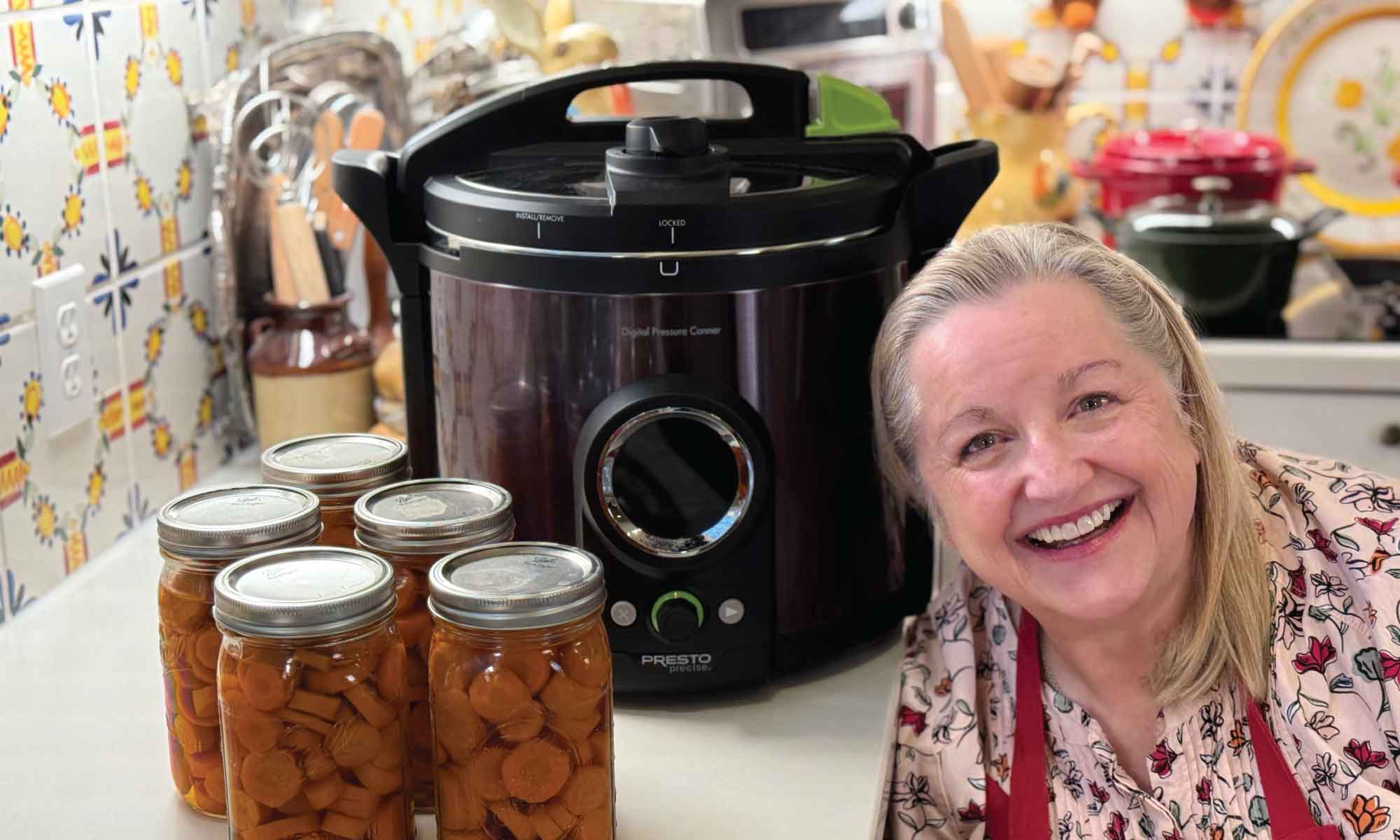
Have you ever tried canning with an electric pressure cooker? Did you notice any challenges or safety concerns? It’s worth considering whether your device is built for the task before preserving your next batch of food.
Credit: marysnest.com
Risks Of Using Electric Pressure Cookers For Canning
Using an electric pressure cooker for canning carries certain risks. These risks can affect safety and food quality. Understanding these dangers is important before trying to can with this device.
Potential Safety Hazards
Electric pressure cookers are not designed for high-pressure canning. They may not reach the pressure needed to kill harmful bacteria.
Pressure gauges on electric cookers often lack accuracy. This can lead to unsafe pressure levels during canning.
Sealing rings and lids on these cookers might fail under long canning times. This increases the chance of accidents and burns.
Improper venting can trap steam and cause dangerous pressure buildup. This raises the risk of explosions or lid blow-offs.
Food Preservation Concerns
Electric pressure cookers may not maintain steady temperatures for safe canning. Temperature drops can allow bacteria to survive.
Uneven heat distribution can cause some jars to be underprocessed. This can spoil the food inside.
Most electric pressure cookers lack tested canning programs. This creates uncertainty about the safety of preserved food.
Using these cookers for canning can lead to spoilage and foodborne illnesses. Proper canning requires strict control of time and pressure.
Manufacturer Guidelines And Recommendations
Understanding the manufacturer guidelines and recommendations is key before using an electric pressure cooker for canning. Each brand designs their cookers with specific safety limits and intended uses. Ignoring these guidelines can lead to unsatisfactory results or even safety hazards.
Checking Your Cooker’s User Manual
Your user manual is the first place to look. Many electric pressure cookers explicitly state whether they support canning. Some models are only meant for pressure cooking meals, not for preserving food safely over long periods.
If the manual mentions canning, it often includes detailed instructions on pressure levels and timings. If it doesn’t, you might risk underprocessing or damaging your cooker. Have you ever tried using a gadget beyond its recommended use and faced issues? That experience highlights why this step matters.
Manufacturer’s Safety Warnings
Manufacturers often include warnings about pressure settings and sealing mechanisms. Electric pressure cookers usually operate at a lower pressure than traditional pressure canners. This lower pressure might not reach the temperature needed to kill bacteria in low-acid foods safely.
Ignoring these warnings can cause food spoilage or dangerous botulism growth. Your safety depends on respecting these limits. Can your cooker maintain steady pressure for the duration needed in canning? If not, it’s better to avoid the risk.
Recommended Accessories And Parts
Some manufacturers provide or recommend specific racks, lids, or jars for canning. Using the right accessories ensures even heat distribution and prevents damage to your cooker. For example, a proper rack lifts jars off the bottom, preventing breakage.
Check if your cooker brand sells these parts or suggests alternatives. Using non-recommended parts might void warranties or cause malfunctions. Have you ever found that a small accessory made a big difference in your cooking results? Accessories often matter more than we think.
Updates And Support From The Manufacturer
Brands sometimes release firmware updates or new guidelines based on user feedback and safety research. Stay connected with your cooker’s brand through their website or customer support. They might have new advice or approved methods for safe canning.
Ignoring updates means missing out on valuable safety tips. Have you checked your cooker’s support page lately? You might find useful information that changes how you approach canning with your device.
Alternatives For Safe Home Canning
Electric pressure cookers are tempting for home canning because they’re convenient and fast. But they don’t always reach the consistent temperature and pressure needed for safe canning, especially for low-acid foods. Luckily, there are reliable alternatives that keep your preserves safe and tasty.
Using Traditional Pressure Canners
Traditional pressure canners are designed specifically for canning low-acid foods like vegetables, meats, and soups. They maintain the right pressure (usually 10-15 psi) and temperature (240°F/116°C) to kill harmful bacteria like botulism spores.
Using one might feel old-school, but it’s the safest choice if you want to preserve hearty meals. They come in various sizes, so you can pick one that fits your kitchen and batch size. Plus, many models include gauges or weighted valves that make it easier to control pressure accurately.
Have you ever noticed how your electric pressure cooker’s pressure fluctuates during cooking? That inconsistency can be risky in canning. A traditional pressure canner keeps things steady, giving you peace of mind.
Water Bath Canning Options
Water bath canning works well for high-acid foods like fruits, jams, pickles, and tomatoes (with added acid). It’s a simpler and safer method that involves boiling jars in water for a set time to kill bacteria.
You don’t need special equipment beyond a large pot with a rack to keep jars off the bottom. This method relies on boiling water at 212°F (100°C), which is enough for acidic foods but not for low-acid items.
Many beginners find water bath canning easier to manage, and it’s a great way to start preserving your garden’s bounty. Have you tried canning your favorite jam this way? It’s satisfying and perfectly safe when done correctly.
Tips For Safe Food Preservation
Preserving food safely is key when using an electric pressure cooker for canning. It’s not just about following the recipe; you must ensure every step protects your food from spoilage and harmful bacteria. Paying attention to details like sterilizing jars and sealing them properly can make all the difference.
Sterilizing Jars
Before you start canning, sterilize your jars thoroughly. This removes any bacteria or residue that could spoil your food. You can sterilize jars by boiling them in water for at least 10 minutes or running them through a hot dishwasher cycle without detergent.
Make sure jars stay hot until you fill them. Cold jars can crack when exposed to hot food, risking leaks or contamination. Have a clean towel ready to handle them safely.
Proper Sealing Techniques
Sealing jars correctly is crucial for long-term preservation. Use new lids each time, as old lids may not seal properly. Place the lid on the jar, then screw the band down until it’s fingertip tight—not too loose, not too tight.
After processing, let the jars cool undisturbed. You’ll hear a popping sound as the lids seal. Check the seal by pressing the center of the lid; it should not move or pop back. If it does, refrigerate and consume the contents quickly.
Have you ever considered how a tiny error in sealing could affect your entire batch? Taking time with these steps prevents wasted effort and keeps your family safe.

Credit: www.youtube.com
Frequently Asked Questions
Can I Safely Use An Electric Pressure Cooker For Canning?
No, most electric pressure cookers are not designed for safe canning. They lack precise pressure control and consistent heat needed for proper sterilization. Use a traditional stovetop pressure canner approved for home canning to ensure food safety and prevent botulism risks.
What Are The Risks Of Canning In An Electric Pressure Cooker?
Using an electric pressure cooker for canning risks underprocessing and foodborne illness. These cookers can’t maintain required pressure and temperature for safe preservation. This may lead to spoilage or dangerous bacteria growth, making the food unsafe to eat.
How Does An Electric Pressure Cooker Differ From A Pressure Canner?
Electric pressure cookers are designed for cooking, not canning. They have less accurate pressure gauges and smaller size. Pressure canners maintain higher, consistent pressure and heat needed to kill bacteria in low-acid foods. Always use a pressure canner for safe home canning.
Are Any Electric Pressure Cookers Approved For Home Canning?
Currently, no electric pressure cookers are officially approved for home canning by USDA guidelines. Only specialized stovetop pressure canners meet safety standards. Always follow trusted canning methods and equipment to ensure your preserved food is safe to consume.
Conclusion
Electric pressure cookers are not safe for canning. They do not reach the needed temperature and pressure. Using them can risk food safety and spoilage. Traditional pressure canners remain the best choice for safe home canning. Always follow trusted canning guidelines for good results.
Preserve your food with care and caution. Safety should be your top priority in canning. Choose the right tools to protect your family’s health.