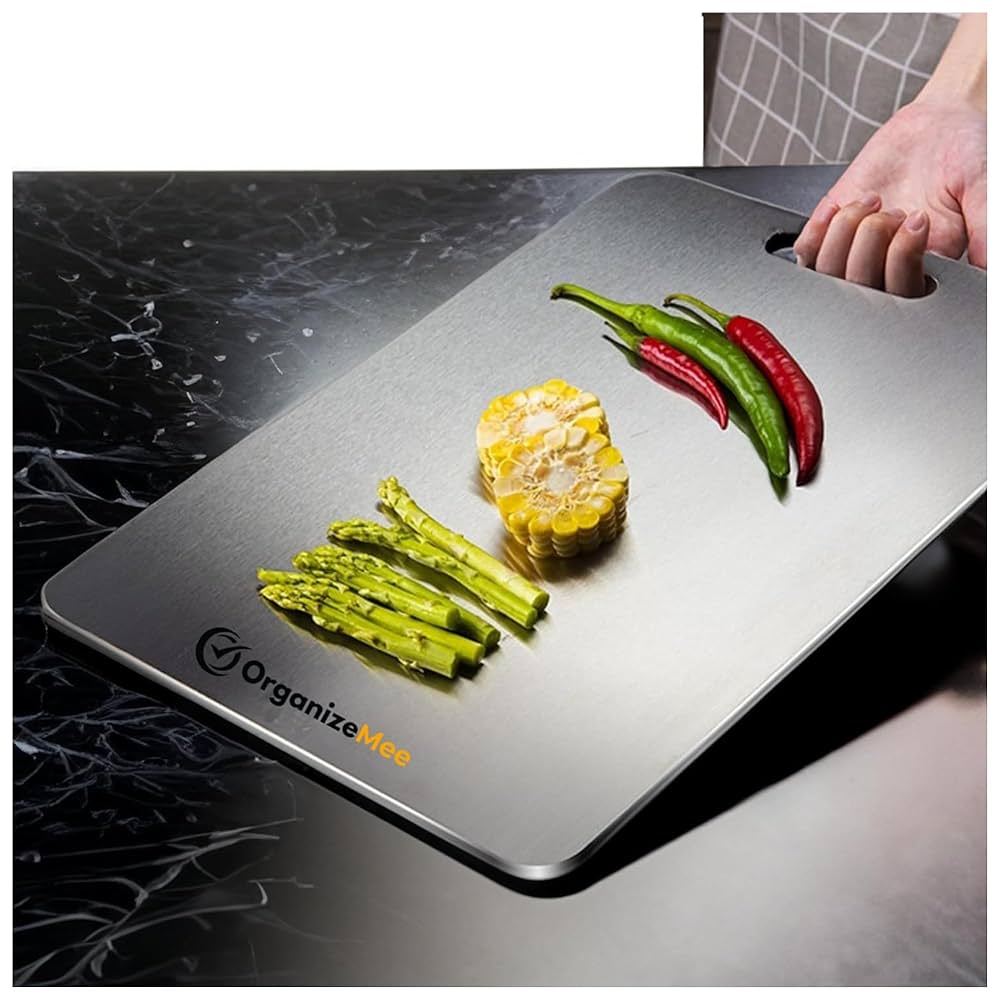
Are you wondering if stainless steel cutting boards are the best choice for your kitchen? Choosing the right cutting board can make a big difference in your cooking experience, from how easy it is to clean to how well it protects your knives.
Stainless steel boards promise durability and hygiene, but are they the perfect fit for your needs? Keep reading to discover the surprising truths about stainless steel cutting boards and find out if they really deserve a spot in your kitchen.
Durability Of Stainless Steel
Durability plays a crucial role when choosing a cutting board that lasts and performs well over time. Stainless steel cutting boards stand out because they handle everyday kitchen wear and tear with remarkable strength. Understanding their durability helps you decide if they fit your cooking habits and long-term needs.
Resistance To Scratches And Dents
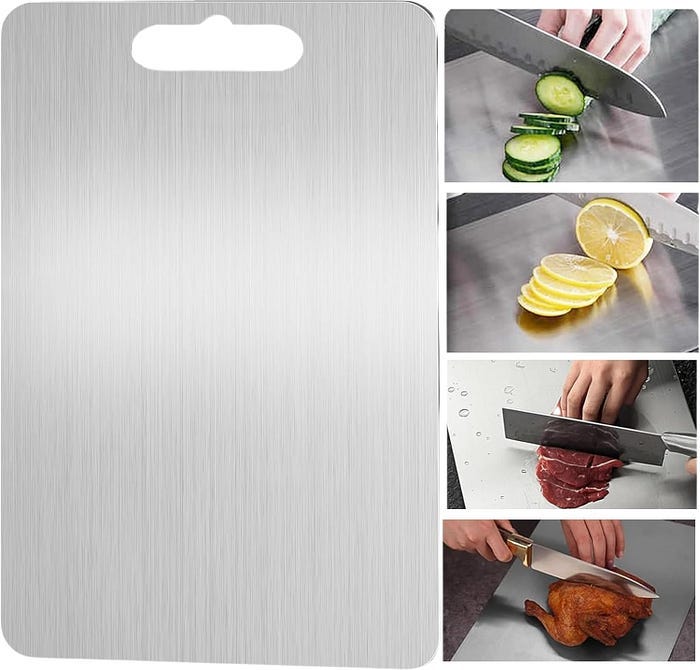
Stainless steel cutting boards are highly resistant to scratches and dents, unlike wooden or plastic boards that show marks quickly. This means your board can maintain a smooth, clean surface even after using sharp knives regularly.
Have you ever noticed how plastic boards get deeply scored, creating grooves that harbor bacteria? Stainless steel avoids this problem, making it easier to keep hygienic. However, while steel resists damage, it can dull your knives faster, so consider your knife care routine.
Longevity Compared To Other Materials
When you compare stainless steel to other common materials, its longevity is impressive. Wooden boards may crack or warp over time, and plastic boards tend to wear out and stain, but stainless steel can last for decades with proper care.
Think about how often you replace your current cutting board. If durability is a priority, investing in stainless steel could save money and effort in the long run. Have you thought about how a long-lasting board could change your kitchen maintenance habits?

Credit: www.amazon.ae
Hygiene And Safety Benefits
Hygiene and safety matter most in the kitchen. Stainless steel cutting boards offer clear benefits. Their design and materials help keep food safe and clean. These boards reduce the risk of contamination during food prep. Understanding their hygiene advantages can help you make a smart choice.
Non-porous Surface And Bacterial Resistance
Stainless steel cutting boards have a smooth, non-porous surface. This means they do not absorb liquids or food particles. Bacteria cannot hide or grow inside the board. Unlike wood or plastic, stainless steel resists stains and odors. It is naturally resistant to germs and bacteria. This makes it safer for handling raw meat and vegetables.
Ease Of Cleaning And Maintenance
Cleaning stainless steel cutting boards is quick and simple. They can be washed thoroughly with soap and hot water. Many are dishwasher safe, ensuring deep cleaning every time. No cracks or grooves trap food residue or bacteria. Regular cleaning keeps the board hygienic and ready for use. Maintenance is minimal, with no need for special treatments.
Impact On Knives
Stainless steel cutting boards are gaining popularity in kitchens worldwide. Their durability and sleek design appeal to many. But what about their impact on knives? Let’s explore how stainless steel boards affect your blades.
Effect On Blade Sharpness
Stainless steel boards are tough on knives. The hard surface can dull blades quickly. Frequent sharpening becomes necessary. This might not suit everyone. Chefs often prefer softer surfaces to maintain sharpness.
Comparing With Wood And Plastic Boards
Wood boards are gentler on knives. They help preserve blade sharpness. Plastic boards are softer than steel. They also cause less wear on knives. Both wood and plastic require more maintenance than steel.
Each material has pros and cons. Choosing the right board depends on your needs. Consider how often you sharpen your knives. Think about the maintenance you’re willing to do. Stainless steel might be best for some. Others might prefer wood or plastic.
Design And Practicality
Stainless steel cutting boards bring a unique design and practical benefits to the kitchen. Their sleek, modern look fits well in many homes. These boards are built to last and handle heavy use without damage. Understanding their design and practicality helps decide if they fit your cooking style.
Weight And Portability
Stainless steel boards are heavier than plastic or wood. This weight makes them steady during cutting. They won’t slip or move easily, which helps with safety. The weight can make them hard to carry around. For some, this means less convenience when moving the board. But their durability often outweighs portability issues.
Surface Texture And Food Handling
The surface of stainless steel boards is smooth and non-porous. This helps stop bacteria from hiding in grooves or cuts. Food slides easily, making it simple to chop and transfer ingredients. The hard surface can dull knives faster than wood or plastic. Careful knife use and sharpening keep blades sharp longer. Overall, the texture supports clean, safe, and efficient food prep.
Cost And Value
Cost and value often shape the choices we make in the kitchen. Stainless steel cutting boards might seem pricey upfront, but looking deeper into their cost and value reveals more than just a number. Understanding both the initial investment and potential long-term savings can help you decide if they truly fit your needs and budget.
Initial Investment
Stainless steel cutting boards usually come with a higher price tag compared to plastic or wooden ones. You can expect to pay anywhere from $30 to $100 depending on size and brand. This initial cost might make you hesitate, especially if you’re used to buying cheaper options.
But think about what you get in return: durability, resistance to stains, and a non-porous surface that won’t harbor bacteria. I once bought a cheap plastic board that warped and cracked within months. Switching to stainless steel saved me from replacing cutting boards multiple times in a year.
Long-term Savings
Stainless steel cutting boards last for years without losing their quality. Unlike wood or plastic, they don’t need to be replaced often, which means fewer purchases over time. This durability alone can save you money in the long run.
They’re also easier to clean and sanitize, reducing the chances of foodborne illnesses and costly health issues. Plus, their resistance to knife marks means you won’t have to sharpen or replace your knives as often. Have you considered how much you spend annually on replacing cutting boards and knife maintenance?
- No warping or cracking – saves on replacements
- Easy to clean – reduces health risks
- Protects your knives – lowers maintenance costs
When you weigh the upfront cost against years of reliable use, stainless steel cutting boards often provide excellent value. Is it worth spending a bit more now to avoid hassle and expense later?
Alternatives To Stainless Steel
Stainless steel cutting boards have many benefits, but they are not the only choice. Several alternatives offer unique features and advantages. These options cater to different cooking styles and preferences. Understanding these alternatives helps in selecting the right board for your kitchen needs.
Wooden Cutting Boards
Wooden cutting boards are a classic choice. They feel warm and natural in the hand. Wood is gentle on knives, helping them stay sharp longer. These boards resist deep cuts, reducing bacteria buildup. Many prefer wooden boards for chopping vegetables and bread.
Wood types like maple, walnut, and bamboo are popular. Bamboo is eco-friendly and durable. Maple and walnut offer strong, dense surfaces. Wooden boards require regular oiling to prevent cracking. They can be cleaned easily with mild soap and water.
Plastic And Composite Options
Plastic cutting boards are lightweight and affordable. They come in various colors, which help avoid cross-contamination. Plastic boards are dishwasher safe, making cleaning simple. They do show knife marks more quickly than wood or steel.
Composite boards blend wood fibers and resin. These boards combine durability with a smooth surface. They resist warping and are easy to sanitize. Composite options are often used in professional kitchens. They provide a good balance of strength and knife protection.
User Experiences And Reviews
User experiences and reviews provide real insight into stainless steel cutting boards. They reveal how these boards perform in daily kitchen use. Both professional chefs and home cooks share their thoughts. Their feedback helps understand the strengths and weaknesses of these cutting boards.
Professional Chefs’ Opinions
Many chefs appreciate stainless steel cutting boards for their durability. They say these boards do not absorb odors or stains. The smooth surface makes cleaning quick and easy. Some chefs note the boards can be hard on knives. They prefer using them for tasks that don’t dull blades quickly.
Chefs also mention the hygienic benefits. Stainless steel does not harbor bacteria like wood can. This makes it ideal in busy, professional kitchens. The weight of the boards adds stability during chopping. Overall, chefs find them practical but not perfect for all tasks.
Home Cook Feedback
Home cooks enjoy the sleek look of stainless steel cutting boards. Many find them easy to clean and maintain. The non-porous surface prevents food cross-contamination. Users say the boards handle heavy chopping without damage. A common complaint is the noise when cutting on metal.
Some home cooks worry about dulling their knives faster. Others feel the boards are heavier than plastic or wood. Despite these points, many recommend stainless steel for its long-lasting use. It suits those who value hygiene and durability in their kitchen tools.

Credit: www.taste.com.au
Credit: medium.com
Frequently Asked Questions
Are Stainless Steel Cutting Boards Durable For Daily Use?
Yes, stainless steel cutting boards are highly durable. They resist scratches, stains, and warping, making them ideal for daily kitchen use. Their robust surface withstands heavy chopping without damage, ensuring long-lasting performance.
Do Stainless Steel Boards Dull Knives Quickly?
Stainless steel cutting boards can dull knives faster than wood or plastic. Their hard surface offers little cushioning, causing blades to wear down quicker. Regular sharpening helps maintain knife sharpness when using these boards.
Are Stainless Steel Cutting Boards Hygienic And Easy To Clean?
Yes, stainless steel boards are very hygienic. Their non-porous surface prevents bacteria buildup and resists odors. Cleaning is easy with soap and water or dishwasher safe options, ensuring a sanitary kitchen environment.
Can Stainless Steel Cutting Boards Damage Countertops?
Stainless steel boards are heavy and can scratch countertops if moved roughly. Using a rubber mat or placing them gently helps protect surfaces from damage during use.
Conclusion
Stainless steel cutting boards offer many benefits for your kitchen. They resist stains and odors better than wood or plastic. Cleaning is quick and easy, keeping germs away. They last a long time without warping or cracking. Yet, they can be hard on knives and feel cold to touch.
Choosing the best board depends on your cooking style and needs. Consider what matters most—durability, hygiene, or knife care. Stainless steel is a solid choice for many cooks. Simple, strong, and clean—just what a cutting board should be.