
Are you wondering if cast iron cookware is truly the best choice for your kitchen? You’re not alone.
Many home cooks and chefs swear by it, but is it right for you? Cast iron promises durability, even heat, and a natural non-stick surface—but does it live up to the hype? By the end of this article, you’ll have a clear answer to whether cast iron cookware fits your cooking style and needs.
Keep reading to discover the facts that can transform the way you cook forever.
Benefits Of Cast Iron Cookware
Cast iron cookware offers several benefits that make it a favorite in many kitchens. Its unique qualities can improve your cooking experience while lasting for generations. Understanding these benefits can help you decide if cast iron is the right choice for your culinary needs.
Durability And Longevity
Cast iron cookware is incredibly tough and built to last a lifetime. Unlike many other materials, it can withstand high heat and rough handling without warping or breaking. If you take care of it by seasoning and avoiding moisture, it can even be passed down as a family heirloom.
Even Heat Distribution
One of the reasons cast iron performs so well is its ability to distribute heat evenly. This means your food cooks uniformly without hot spots, which is a common problem with cheaper pans. This even heating helps you achieve better browning and consistent results every time.
Versatility In Cooking
Cast iron is a true multitasker in the kitchen. You can use it on the stovetop, in the oven, or even over an open flame. From searing steaks to baking cornbread, it handles a wide range of cooking techniques with ease.
Natural Non-stick Surface
With regular seasoning, cast iron develops a natural non-stick surface that improves over time. This means you can cook eggs or pancakes without them sticking, using less oil. It’s a healthier option that also makes cleanup easier.
Health Advantages
Cooking with cast iron can add a small amount of iron to your food, which is a vital mineral for your body. This can be especially beneficial if you have an iron deficiency. Plus, it avoids the chemicals often found in some non-stick coatings.
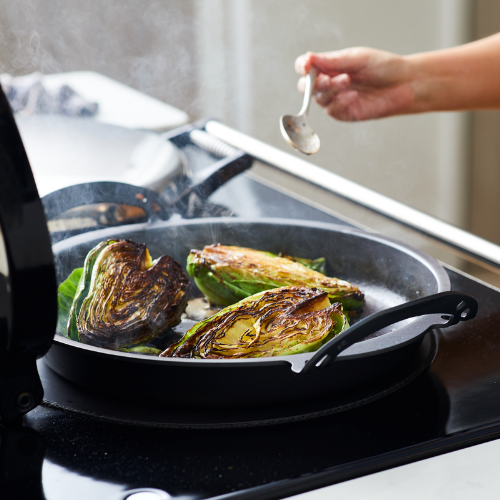
Credit: www.solidteknics.com
Types Of Cast Iron Cookware
Cast iron cookware comes in several types, each designed to meet different cooking needs and preferences. Understanding these types can help you choose the right one for your kitchen. Whether you want something classic, easy to maintain, or ready to use straight away, there’s a cast iron option for you.
Traditional Cast Iron
Traditional cast iron is the classic, heavy-duty cookware you might already be familiar with. It requires seasoning before use, which means applying oil and heating it to create a natural non-stick surface. If you enjoy hands-on care and want cookware that can last generations, this might be your best match.
One thing to remember: this type can rust if not properly maintained. But the payoff is excellent heat retention and versatility. Have you ever cooked something that needed a perfect sear? Traditional cast iron handles that beautifully.
Enameled Cast Iron
Enameled cast iron features a smooth, colorful coating that prevents rust and eliminates the need for seasoning. This makes it easier to clean and ideal if you want low-maintenance cookware with all the benefits of cast iron heat retention.
However, the enamel can chip if dropped or handled roughly. It’s perfect for slow-cooking soups, stews, and casseroles because the enamel prevents any reaction with acidic ingredients. Do you prefer a pop of color on your stove or the classic black look?
Pre-seasoned Cast Iron
Pre-seasoned cast iron comes ready to use right out of the box. Manufacturers add a factory seasoning that saves you the initial effort of preparing the pan. This makes it beginner-friendly and a great starting point if you want the benefits of cast iron without the setup hassle.
Keep in mind, you’ll still need to maintain the seasoning over time with regular use and occasional oiling. It offers a good balance between convenience and traditional cast iron performance. Have you tried cooking with pre-seasoned pans yet?
Care And Maintenance Tips
Cast iron cookware lasts long with simple care like drying immediately after washing. Regular seasoning keeps its surface non-stick and rust-free. Avoid soap and soaking to maintain its quality and flavor.
Caring for your cast iron cookware is essential to maintain its legendary durability and cooking performance. While many people admire its ability to withstand high temperatures and its non-stick prowess, the secret to unlocking these benefits lies in how you care for it. Proper care and maintenance ensure that your cast iron remains a kitchen staple for generations. Let’s dive into some practical tips that can make a real difference in your cooking experience.
Seasoning Your Cookware
Seasoning is the process of creating a natural, non-stick surface on your cast iron. It involves applying a thin layer of oil and heating it until it polymerizes. Start by cleaning your cookware with warm water and drying it thoroughly. Apply a thin layer of vegetable oil or melted shortening. Then, place it upside down in an oven preheated to 375°F (190°C) for an hour. Allow it to cool completely before storing.
Cleaning Without Damage
Avoid using soap or harsh detergents that can strip away the seasoning. Instead, use a brush or scraper to remove food residues. For stubborn stains, you can use a paste made of coarse salt and water to gently scrub the surface. Rinse with warm water and dry immediately with a cloth. Never let it air dry to prevent rust.
Preventing Rust
Rust is the enemy of cast iron. To prevent it, always dry your cookware thoroughly after washing. You can place it on a stove over low heat for a few minutes to ensure all moisture evaporates. Consider reapplying a light coat of oil after cleaning to keep the surface protected. If rust does appear, scrubbing it with steel wool can help remove it before re-seasoning.
Proper Storage
Store your cast iron in a dry place to avoid moisture build-up. You can hang it on a rack or place it inside your oven when not in use. If stacking multiple pieces, place a paper towel between them to prevent scratching and moisture accumulation. This ensures that your cookware is ready for its next culinary adventure.
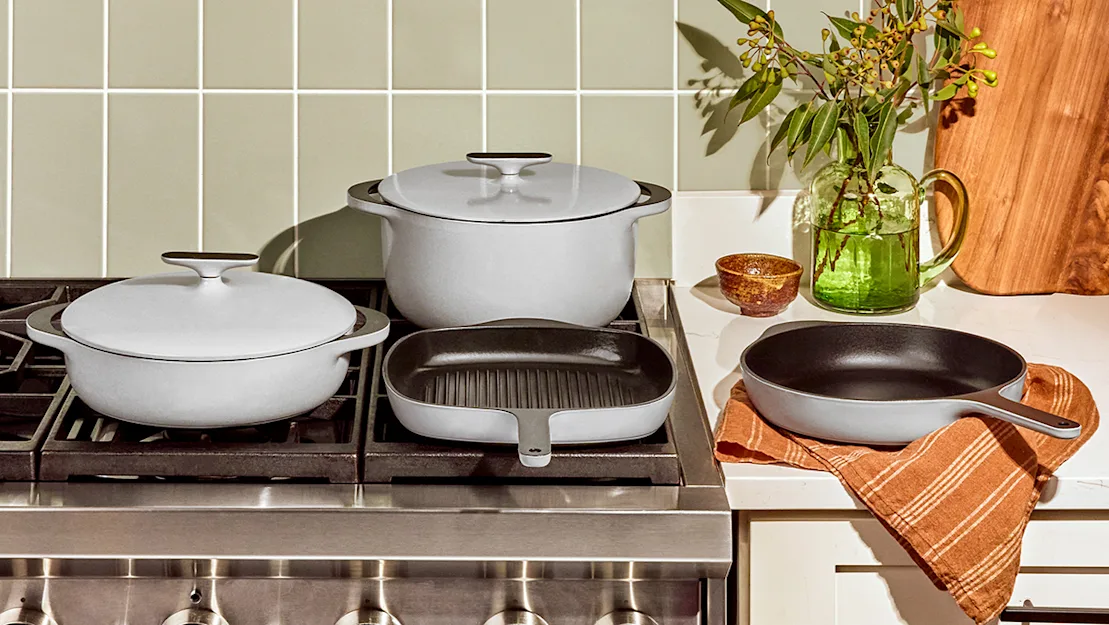
Credit: www.carawayhome.com
Comparing Cast Iron With Other Cookware
Choosing the right cookware affects cooking results and kitchen experience. Cast iron stands out but comparing it with other materials helps understand its strengths and limits. Each type of cookware offers unique benefits and challenges. This section examines cast iron against stainless steel, non-stick, and aluminum cookware.
Cast Iron Vs Stainless Steel
Cast iron heats evenly and keeps heat longer than stainless steel. It is perfect for searing meat and slow cooking. Stainless steel heats quickly and is lighter. It works well for boiling and frying. Cast iron needs seasoning to prevent rust and stickiness. Stainless steel is easier to clean and does not require seasoning. Cast iron can be heavy and takes longer to heat. Stainless steel resists dents and scratches better.
Cast Iron Vs Non-stick
Non-stick pans are great for cooking delicate foods like eggs and pancakes. They need less oil and clean quickly. Cast iron offers better heat retention and can go from stove to oven. It develops a natural non-stick surface after seasoning. Non-stick coatings can wear off and release harmful chemicals if overheated. Cast iron is more durable and improves with use. Non-stick pans are lighter and heat faster but less versatile.
Cast Iron Vs Aluminum
Aluminum heats fast and cools quickly, making it easy to control cooking temperature. It is lightweight and affordable. Cast iron holds heat much longer and cooks more evenly. Aluminum can react with acidic foods, affecting flavor and appearance. Cast iron is safe for all types of cooking and can last for generations. Aluminum cookware often has non-stick coatings to improve performance. Cast iron requires more care but offers unmatched durability and heat retention.
Common Myths And Misconceptions
Cast iron cookware has a solid reputation, but it’s also surrounded by many myths that might make you hesitate before buying or using it. Some of these misunderstandings come from outdated information or simple assumptions. Let’s clear up these common myths so you can decide if cast iron is truly right for your kitchen.
Weight Concerns
Yes, cast iron is heavier than most other cookware, but that doesn’t mean it’s unmanageable. Many people think it’s too heavy to handle, especially when full of food. However, with a little practice, lifting and moving cast iron becomes second nature.
Think about this: does the weight add to the quality and heat retention? Absolutely. That heaviness helps cook food evenly, which lighter pans often struggle with. If you’re worried about the weight, try smaller skillets first to get comfortable.
Difficulty In Maintenance
Some say cast iron is a pain to clean and maintain. The truth is, it requires different care, not more care. You won’t scrub it with harsh soaps; instead, rinse with hot water and use a brush or coarse salt to remove stuck bits.
Seasoning your pan is key to keeping it non-stick and rust-free. It might sound complicated, but seasoning is just adding a thin layer of oil and heating it. Once you get the hang of it, you’ll find that cast iron can last a lifetime with simple upkeep.
Safety Issues
People often worry about iron leaching or the pan causing health problems. In reality, cast iron can actually add small amounts of iron to your food, which is beneficial for many, especially those with iron deficiencies.
Concerns about rust are valid, but rust isn’t harmful if you remove it promptly and re-season the pan. Just like any tool, proper care keeps cast iron safe and effective for cooking your favorite meals.

Credit: nypost.com
Choosing The Right Cast Iron Piece
Choosing the right cast iron piece can make cooking easier and more enjoyable. Cast iron comes in many shapes and sizes. Each piece serves a special purpose in the kitchen. Picking the best one depends on what you cook and how often you use it.
Size And Shape Options
Cast iron cookware varies from small skillets to large griddles. Smaller pans work well for frying eggs or toasting spices. Larger pans are great for searing meats and cooking big meals. Shapes include round skillets, square griddles, and deep Dutch ovens.
Consider these points:
- Choose a size that fits your stovetop and oven.
- Think about the number of people you cook for.
- Pick a shape that matches your recipes.
Brand Recommendations
Some brands are known for quality and durability. Trusted brands often offer pre-seasoned cookware, saving time. They provide even heating and long-lasting performance. Some popular brands to consider are Lodge, Le Creuset, and Staub.
- Lodge: Affordable and reliable for everyday use.
- Le Creuset: Known for colorful, enameled cast iron.
- Staub: Offers durable, high-end enameled cookware.
Budget Considerations
Cast iron prices vary widely. Budget-friendly options suit beginners and casual cooks. Higher-priced pieces often have special coatings or designs. Think about how often you will use the cookware. Spending more can pay off with long-term durability.
| Price Range | Features | Ideal For |
|---|---|---|
| Under $50 | Basic, pre-seasoned skillets | New users, simple cooking |
| $50 – $150 | Heavier pans, better seasoning | Regular home cooks |
| Above $150 | Enameled, designer brands | Serious cooks, gift options |
Frequently Asked Questions
What Are The Benefits Of Using Cast Iron Cookware?
Cast iron cookware offers excellent heat retention and even cooking. It is durable, non-stick when seasoned well, and adds iron to your food. It’s versatile, suitable for stovetop and oven use, making it a kitchen essential for many cooking styles.
How Do I Properly Season Cast Iron Cookware?
To season cast iron, apply a thin layer of oil to the surface. Bake it in the oven at 375°F for one hour. This process creates a natural, non-stick coating and protects the pan from rust.
Is Cast Iron Cookware Safe For All Cooking Types?
Yes, cast iron is safe for frying, baking, sautéing, and roasting. It can handle high heat and is compatible with all heat sources, including induction. However, avoid cooking acidic foods frequently to preserve seasoning.
How Do I Clean And Maintain Cast Iron Pans?
Clean cast iron with hot water and a brush, avoiding soap. Dry thoroughly and apply a light oil coating after each use. Proper maintenance prevents rust and keeps the seasoning intact for long-lasting use.
Conclusion
Cast iron cookware offers strong durability and excellent heat retention. It cooks food evenly and can last for many years. This type of cookware needs some care to prevent rust. It works well for frying, baking, and slow cooking. While it may be heavy, many find it worth the effort.
Choosing cast iron depends on your cooking style and needs. It remains a popular choice for both beginners and experts. Try it to see how it fits your kitchen and meals.