
Are you tired of struggling with multiple kitchen gadgets that take up space and slow you down? Finding the best blender food processor can change the way you prepare meals, making your kitchen work faster and easier.
Imagine having one powerful tool that blends, chops, and mixes everything perfectly. You’ll discover how to choose the right blender food processor for your needs and why it could be the game-changer your kitchen has been waiting for. Keep reading to unlock the secret to effortless cooking!
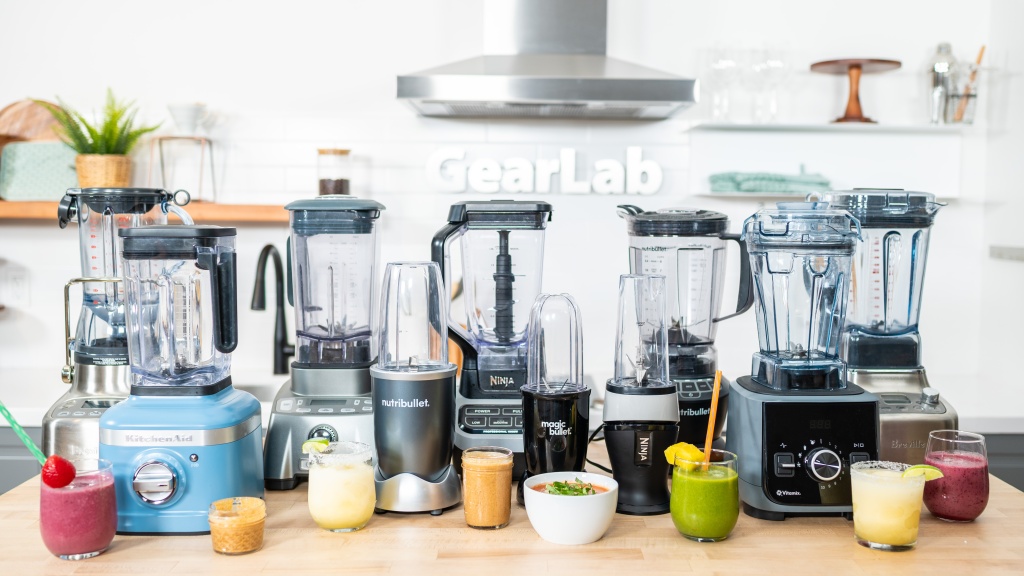
Credit: www.techgearlab.com
Top Blender Food Processors In 2025
Choosing the right blender food processor can change how you prepare meals every day. In 2025, several models stand out for their power, versatility, and ease of use. Whether you want to whip up smoothies, chop veggies, or knead dough, these options cover all the bases.
Kitchenaid Kfp1466cu 14-cup Food Processor
This model is a favorite for home cooks who want reliability and performance. It offers a large 14-cup capacity, making it perfect for families or meal prepping. The ExactSlice system lets you adjust slicing thickness without changing blades, saving you time and effort.
One feature I appreciated was the strong motor that handled even tough ingredients like nuts and frozen fruit without slowing down. If you value precision and volume, this could be the perfect fit for your kitchen.
Breville Bfp800xl Sous Chef Food Processor
The Breville Sous Chef packs a punch with its 16-cup bowl and multiple attachments. It handles everything from chopping and shredding to dough kneading with ease. The clear lid and wide feed chute allow you to add ingredients while processing, which speeds up prep time.
Its safety features ensure the unit only operates when correctly assembled, giving you peace of mind. If you often multitask in the kitchen, this model might streamline your workflow significantly.
Ninja Bn601 Professional Plus Food Blender
The Ninja BN601 combines blender and food processor functions in one compact design. It’s great for small kitchens where space is limited. Despite the size, it delivers powerful blending and chopping with its 1000-watt motor.
What stands out is its EasyClean technology, which means cleanup won’t take longer than cooking. Have you ever avoided using a food processor just because you dreaded cleaning it? This one might change your mind.
Cuisinart Dfp-14bcny 14-cup Food Processor
This Cuisinart model is known for its durability and straightforward operation. The 14-cup capacity suits large batches, while the stainless steel blades handle a variety of tasks. It comes with multiple discs for slicing, shredding, and chopping.
One thing to note is its powerful motor that maintains consistent speed, even under heavy loads. If you want a tool that won’t quit halfway through a recipe, this could be your go-to.
Hamilton Beach 70730 Food Processor
For those on a budget, the Hamilton Beach 70730 offers solid performance without the high price tag. It has a 10-cup capacity and simple controls, making it easy to use for beginners. The bowl scraper attachment is a helpful addition that reduces the need to stop and scrape manually.
Although it’s less powerful than premium models, it handles everyday food prep tasks well. Could this be the blender food processor that meets your needs without breaking the bank?
:max_bytes(150000):strip_icc()/faw-mini-food-processors-primary-rkilgore-0828-1-ef83ffc1910f4bc29b822ca52c5ee722.jpeg)
Credit: www.foodandwine.com
Key Features To Consider
Choosing the best blender food processor means checking important features. These features affect performance, ease of use, and how long the appliance lasts. Understanding these key points helps find a model that fits your kitchen needs perfectly.
Power And Motor
The motor’s power affects how well the device handles tough ingredients. Look for motors with enough wattage to crush ice and blend hard vegetables. Higher power means smoother blends and less strain on the machine.
Capacity And Size
Capacity decides how much food you can process at once. Small bowls suit single servings or small kitchens. Larger bowls save time for big batches but take more space. Choose a size that fits your cooking habits and storage space.
Blade Types And Attachments
Different blades do different jobs. Sharp stainless steel blades chop, dice, and puree with ease. Some models include extra attachments for slicing, shredding, and kneading dough. More attachments add versatility for many recipes.
Speed Settings And Controls
Multiple speed options provide better control over texture. Low speeds handle delicate tasks, while high speeds tackle tough ingredients. Simple buttons or dials make operation quick and easy, even for beginners.
Ease Of Cleaning
Cleaning can be a hassle without the right design. Removable parts that are dishwasher safe save time. Smooth surfaces and fewer nooks prevent food buildup. Easy cleaning keeps your appliance fresh and ready to use.
Blender Vs Food Processor: Which To Choose
Choosing between a blender and a food processor depends on your cooking needs. Blenders work best for liquids and smoothies, while food processors handle chopping and dough mixing well. Finding the right appliance helps simplify meal prep and saves time.
Blenders and food processors are essential tools in modern kitchens. Choosing between the two can be tricky. Each has unique features that suit different cooking tasks. Understanding their functions helps in making an informed choice. Let’s explore the differences.
Functions And Uses
Blenders excel in making smoothies, shakes, and purees. They handle liquids and soft ingredients well. Food processors are great for chopping, slicing, and shredding. They manage solid foods like vegetables and cheese with ease. Consider what you cook often. This will guide your choice.
Performance Differences
Blenders deliver smooth textures in liquids. Their blades are designed for mixing and emulsifying. Food processors offer precise cuts and uniform chunks. Their varied attachments cater to diverse tasks. Each appliance performs distinct culinary functions.
Space And Budget Considerations
Blenders are compact and fit in small spaces. They are often more affordable than food processors. Food processors require more counter space. They come with multiple attachments, increasing their cost. Assess your kitchen space and budget before purchasing.
Top Brands And Models
Choosing the best blender food processor depends on trusted brands and reliable models. Top brands offer durable machines that handle various kitchen tasks. These brands combine power, design, and smart features for better results. Below are some options for different budgets and needs.
High-end Options
- Vitamix 5200:Powerful motor and versatile settings for smooth blends.
- Blendtec Designer 725:Touchscreen controls and pre-programmed cycles.
- Cuisinart Elite Collection:Large capacity with stainless steel blades.
Budget-friendly Picks
- Ninja Professional Blender:Affordable with strong performance for daily use.
- Hamilton Beach Wave Crusher:Compact and easy to clean.
- Oster Pro 1200:Good power and multiple speeds under budget.
Best For Versatility
- KitchenAid KFP1466:Combines blender and food processor functions well.
- Breville Sous Chef:Multiple attachments for chopping, slicing, and blending.
- Philips Viva Collection:Offers several speed options for different tasks.
Safety And Durability
Choosing the best blender food processor means paying close attention to safety and durability. These two factors ensure your appliance lasts long and keeps you protected during use. Imagine a blender that breaks after a few uses or one that lacks proper safety locks—would you trust it in your kitchen?
Material Quality
Durability starts with the materials used in the blender food processor. Look for models made with high-grade stainless steel blades; they stay sharp longer and resist rust. The body should ideally be made from BPA-free, impact-resistant plastic or metal to withstand daily use without cracking.
Clear containers made from thick, shatterproof plastic add another layer of durability. Glass jars are heavier but scratch-resistant and less likely to retain odors. Have you noticed how some food processors feel flimsy? That’s often a sign of low-quality materials that won’t last.
Safety Features
Safety features protect you while using the blender food processor. Many models include locking lids that prevent the appliance from running if the lid isn’t securely in place. This simple mechanism can save you from accidental spills or injuries.
Look for overload protection that stops the motor if the device is overworked. Non-slip feet are another critical feature; they keep the appliance stable on your countertop during operation. Would you feel comfortable using a blender that could tip over or start unexpectedly?
User Reviews And Ratings
User reviews and ratings offer a window into real-life experiences with blender food processors. They reveal how these appliances perform beyond the specs and marketing claims. Paying attention to what actual users say can save you time and money while guiding you to a product that fits your needs.
Customer Feedback Trends
Many users highlight ease of use as a major factor in their satisfaction. If a blender food processor starts quickly and cleans up without hassle, it tends to earn higher ratings. Conversely, appliances that require complicated assembly or have difficult-to-clean parts often receive lower scores.
Another common trend is the appreciation for versatility. Buyers who find that their appliance handles smoothies, chopping, and dough mixing well often recommend it enthusiastically. Have you noticed that some models seem to excel in just one task? This can influence whether the product fits your kitchen routine.
Common Pros And Cons
| Pros | Cons |
|---|---|
|
|
When you read reviews, pay attention to how users describe the blender food processor’s durability and noise level. These factors might not seem critical at first but can affect your daily use. What’s more important to you—quiet performance or raw power?
Maintenance Tips
Maintaining your blender food processor keeps it working well and lasting longer. Regular care helps avoid damage and ensures every use is safe and efficient. Simple habits can make cleaning and storing easier. Follow these tips to keep your appliance in top shape.
Cleaning Best Practices
Always unplug the device before cleaning. Remove blades and containers carefully to avoid cuts. Wash parts with warm, soapy water immediately after use. Use a soft sponge to prevent scratches. Avoid harsh chemicals or abrasive pads. Dry all parts thoroughly before reassembling. For deep cleaning, blend warm water and a drop of dish soap, then rinse well. Clean the base with a damp cloth only. Never immerse the motor base in water.
Storage Advice
Store your blender food processor in a dry place. Keep it away from direct sunlight and heat sources. Assemble parts loosely to allow air circulation. Use a cover or store in a cupboard to avoid dust. Ensure blades are dry to prevent rust. Keep cords untangled and safely stored. Regularly check for wear or damage before use. Proper storage prolongs the life of your appliance and keeps it ready for the next task.
Where To Buy And Warranty Info
Choosing where to buy your blender food processor and understanding the warranty details can save you time, money, and frustration. Knowing the right place to shop and what kind of support you can expect is just as important as picking the best model. Let’s break down the options and what to watch for before making your purchase.
Online Vs In-store
Buying online offers convenience and often a wider selection. You can compare prices and read countless reviews without leaving your home. However, you miss the chance to physically handle the product before buying.
Shopping in-store lets you test the blender food processor’s weight and controls firsthand. You get immediate answers from sales staff and can often take the product home the same day. But in-store prices sometimes run higher and choice might be limited.
- Online advantages:Better deals, more reviews, home delivery
- In-store advantages:Hands-on testing, instant purchase, personal advice
Think about what matters more for you—convenience or tactile experience? Your answer will guide your buying location.
Warranty And Customer Support
A solid warranty protects your investment and shows the manufacturer’s confidence in their product. Check the length of coverage and what parts or issues are included. Some brands offer extended warranties or free repairs within a certain period.
Customer support quality varies widely. Brands with responsive support teams can help troubleshoot quickly or replace defective parts without hassle. Look for companies with easy-to-access contact options like phone, chat, or email.
Before buying, ask yourself: How important is reliable support if something goes wrong? A good warranty paired with strong customer service can make all the difference in your satisfaction.

Credit: www.wired.com
Frequently Asked Questions
What Features Make The Best Blender Food Processor?
The best blender food processor combines powerful motors, multiple speed settings, and versatile attachments. It handles blending, chopping, slicing, and pureeing efficiently. Durable materials and easy cleaning are also key features for long-lasting use.
Can A Blender Replace A Food Processor?
A blender can replace a food processor for some tasks like pureeing and smoothies. However, food processors excel in chopping, slicing, and dough kneading. Choosing depends on your cooking needs and the types of food preparation you do most.
How Do I Choose The Right Blender Food Processor?
Consider motor power, capacity, and included attachments. Look for models with multiple speed options and safety features. Read reviews to ensure reliability and ease of cleaning. Choose a size that fits your kitchen space and daily cooking needs.
Are Blender Food Processors Easy To Clean?
Most blender food processors are designed for easy cleaning with detachable parts. Many components are dishwasher safe. Regular cleaning prevents food buildup and ensures better performance. Always follow manufacturer cleaning instructions to maintain your appliance.
Conclusion
Choosing the best blender food processor depends on your needs. Consider what tasks you do most often. Think about size, power, and ease of cleaning. A good model saves time and effort in the kitchen. It helps prepare meals faster and easier.
Take time to read reviews and compare features. Find a blender food processor that fits your budget. Cooking becomes more fun and less stressful. Your kitchen work will feel smoother and more efficient. Simple steps lead to better results every day.