
Choosing the best frying pan for your commercial kitchen can feel overwhelming. You want a pan that heats evenly, lasts long, and handles heavy use without warping or sticking.
But with so many options out there, how do you know which one will truly meet your needs? This guide will help you cut through the noise and find the perfect frying pan that makes your cooking faster, easier, and more efficient.
Keep reading to discover what features matter most and how to pick a pan that works as hard as you do.
Key Features Of Commercial Frying Pans
Choosing the right commercial frying pan means focusing on key features that affect your cooking efficiency and food quality. Each aspect, from the material to the handle design, plays a vital role in how well the pan performs in a busy kitchen. Understanding these features helps you pick a pan that fits your cooking style and business needs.
Material Types And Benefits
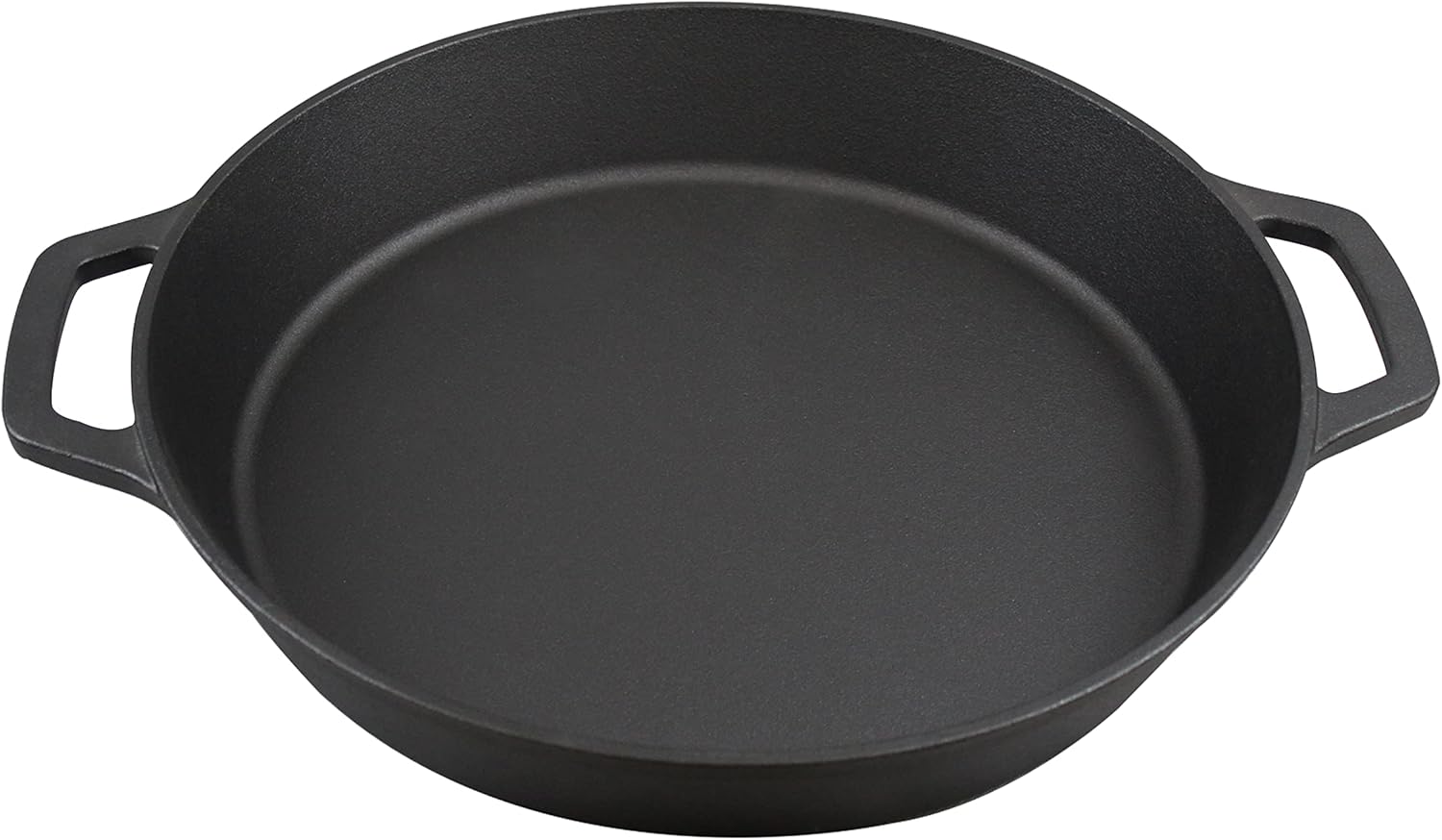
Commercial frying pans come in various materials, each with unique advantages. Stainless steel pans are durable and resistant to corrosion, making them great for heavy use. Cast iron offers excellent heat retention and adds flavor but requires maintenance to prevent rust.
Aluminum pans heat up quickly and are lightweight but may warp under high heat. Some pans combine materials, like aluminum cores inside stainless steel, to balance heat conduction and durability. What material suits your cooking style and maintenance preference?
Size And Capacity Options
Commercial frying pans vary widely in size, usually ranging from 8 to 14 inches in diameter. Larger pans let you cook multiple servings at once, saving time during busy hours. Smaller pans offer better control and are ideal for specialized dishes or smaller portions.
Consider the volume of food you typically prepare and the available stove space. Having a range of sizes can give you flexibility in your kitchen, but be mindful of storage and handling ease.
Heat Conductivity And Distribution
Even heat distribution prevents hot spots that burn food and cold spots that undercook it. Materials like copper and aluminum excel at heat conductivity but can be expensive or less durable. Stainless steel pans often add an aluminum or copper core to improve heat flow.
How evenly a pan heats can affect your cooking speed and food texture. Testing a pan on your stove before buying can reveal how well it distributes heat in your specific setup.
Non-stick Vs Stainless Steel
Non-stick pans reduce the need for oil and make cleaning easier, which is helpful during long shifts. However, they can scratch easily and may not tolerate very high heat. Stainless steel pans are tougher and perfect for searing but require more oil and careful cleaning to avoid sticking.
Choose non-stick if ease and speed matter most. Opt for stainless steel if you want durability and versatility. Could a combination of both types improve your kitchen workflow?
Handle Design And Safety
Comfortable, heat-resistant handles improve grip and safety during fast-paced cooking. Look for riveted handles, which offer stronger attachment than welded ones. Some pans feature silicone or rubber-coated handles to prevent burns.
Consider how you move pans around hot stoves and ovens. A well-designed handle reduces accidents and fatigue, making your work smoother and safer.

Credit: www.amazon.com
Top Commercial Frying Pans In The Market
Choosing the right commercial frying pan can improve kitchen efficiency and food quality. High-quality pans handle heat well and last through heavy use. Chefs need options that meet different cooking styles and budgets. Below are top commercial frying pans that excel in various areas.
Best Overall Performance
This frying pan balances heat distribution, durability, and ease of use. It heats evenly, reducing hot spots that burn food. The handle stays cool for safe handling. Its weight is perfect—not too heavy or light—making it easy to control. Ideal for busy kitchens needing reliability every day.
Best For Durability
This pan is built with heavy-gauge stainless steel or hard-anodized aluminum. It resists warping and scratches even after frequent use. Strong rivets keep the handle firmly attached. It withstands metal utensils and dishwasher cleaning. Great for kitchens with high cooking volume and tough demands.
Best Non-stick Option
The non-stick surface ensures food releases easily without sticking. This pan needs less oil, promoting healthier cooking. It cleans up quickly with minimal scrubbing. The coating is free from harmful chemicals and lasts longer than average. Perfect for delicate foods like eggs and fish.
Best Budget-friendly Pick
This frying pan offers solid performance without a high price tag. It is lightweight and easy to handle. The cooking surface heats evenly enough for everyday meals. While not as durable as premium models, it offers excellent value. Suitable for small kitchens or startups with tight budgets.
Best For High-heat Cooking
This pan tolerates very high temperatures without damage. It is often made of cast iron or carbon steel. Great for searing meats and stir-frying vegetables quickly. It develops a natural non-stick patina over time. Ideal for chefs needing intense heat and fast cooking results.
Choosing The Right Pan For Your Cooking Style
Choosing the right frying pan shapes your cooking experience. The pan must fit your style and needs. Different pans suit different dishes and techniques. Picking the right one saves time and improves food quality. Consider material, size, and cleaning before buying.
Matching Pan Material To Cooking Needs
Each pan material offers unique benefits. Stainless steel pans heat evenly and last long. Non-stick pans prevent food from sticking. Cast iron pans hold heat well and add flavor. Copper pans heat fast but need care. Pick material based on your usual cooking style.
Considering Cooking Volume
Cooking volume matters for pan size. Small pans suit single servings or small meals. Large pans handle family meals or batch cooking. Think about how much food you cook at once. Choose a pan size that fits your typical portion.
Compatibility With Cooking Surfaces
Check if the pan matches your stove type. Induction cooktops need pans with magnetic bottoms. Gas stoves work with most pans. Electric stoves need flat-bottom pans for even heat. Using a compatible pan boosts cooking efficiency and safety.
Maintenance And Cleaning Tips
Easy cleaning saves time and keeps pans lasting longer. Non-stick pans need gentle washing to avoid damage. Cast iron requires seasoning to stay rust-free. Stainless steel can handle scrubbing but avoid harsh chemicals. Follow care instructions to maintain your pan’s performance.
:max_bytes(150000):strip_icc()/faw-le-creuset-signature-enameled-cast-iron-skillet-10-25-jennifer-zyman-08-f0ca04d60f154f308bfd453e42397148.jpeg)
Credit: www.foodandwine.com
Tips For Extending Pan Lifespan
Choosing the best commercial frying pan is only part of the journey. Extending its lifespan is equally important to ensure value for money and long-lasting performance. Proper care and maintenance can keep your pan in top shape for years.
Proper Cleaning Techniques
Cleaning is crucial for maintaining a frying pan’s condition. Use mild dish soap and warm water for regular washing. Avoid abrasive scrubbers that can scratch the surface. For stubborn residue, soak the pan in warm water before cleaning. Dry thoroughly to prevent rust or stains.
Avoiding Common Damage
Prevent damage by using utensils designed for your pan’s material. Metal utensils can scratch non-stick surfaces. Avoid overheating, which can warp the pan and damage coatings. Use medium heat for cooking to preserve the pan’s integrity.
Storage Recommendations
Proper storage can prolong your pan’s life. Store pans in a dry place to prevent moisture-related damage. Use pan protectors or towels between stacked pans to avoid scratches. Hanging pans can prevent dents and keep them accessible.
Credit: www.walmart.com
Frequently Asked Questions
What Materials Are Best For Commercial Frying Pans?
Commercial frying pans made of stainless steel, cast iron, or aluminum offer durability and even heat distribution. Stainless steel resists corrosion, cast iron retains heat well, and aluminum heats quickly, making them ideal for busy kitchens.
How To Choose The Right Size Frying Pan Commercially?
Select a frying pan size based on kitchen volume and dish requirements. Common sizes range from 8 to 14 inches. Larger pans handle more food but need more storage space. Choose one fitting your cooking volume and workspace.
Are Non-stick Frying Pans Suitable For Commercial Use?
Non-stick pans are great for delicate foods and easy cleaning. However, they have shorter lifespans and lower heat tolerance than stainless steel or cast iron. Choose non-stick pans for light commercial use or specific cooking needs.
What Features Matter Most In Commercial Frying Pans?
Key features include material quality, heat conductivity, handle comfort, and durability. Look for pans with sturdy handles, even heating, and easy maintenance. These factors ensure efficient cooking and long-lasting performance in commercial kitchens.
Conclusion
Choosing the best commercial frying pan depends on your cooking needs. Consider the material, size, and heat distribution. A good pan lasts long and cooks food evenly. Stainless steel and cast iron remain popular choices. Easy cleaning saves time in busy kitchens.
Think about your budget but focus on quality. The right pan makes cooking easier and more fun. Test a few options before buying. Your kitchen deserves the best tools for great meals.