
When it comes to cooking, the right tools can make all the difference. If you’ve ever wondered, “What is the best type of cast iron cookware for my kitchen?” you’re not alone.
Cast iron is loved for its durability and even heat, but with so many options out there, choosing the perfect piece can feel overwhelming. You’ll discover exactly what makes one cast iron pan better than another, helping you pick cookware that fits your cooking style and lasts a lifetime.
Get ready to unlock the secret to better meals and effortless cooking with the best cast iron cookware for you.
Cast Iron Cookware Varieties
Cast iron cookware is a staple in many kitchens. Its durability and heat retention make it a favorite. Different varieties suit different cooking needs. Each has unique features and benefits. Choosing the right one can enhance your cooking experience. Explore these popular options below.
Traditional Seasoned Cast Iron
Traditional seasoned cast iron is a classic choice. It requires regular seasoning. This process builds a natural non-stick surface. Seasoning involves applying oil and heating it. It develops a protective layer. This type is great for frying, baking, and searing. It offers excellent heat distribution.
Enameled Cast Iron
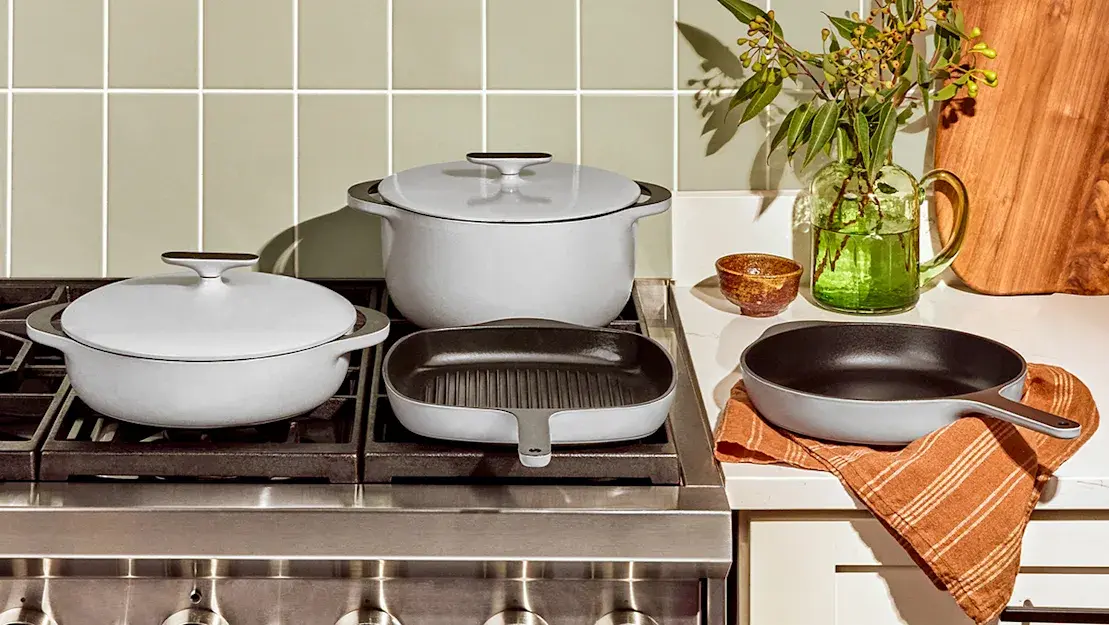
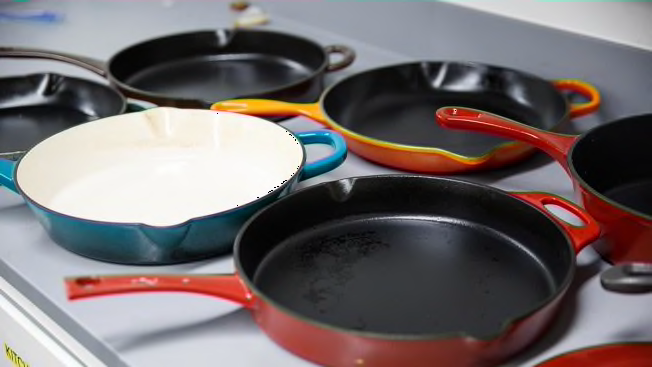
Enameled cast iron has a smooth, colorful coating. It doesn’t need seasoning. The enamel layer protects against rust. It is perfect for slow-cooking and baking. It retains heat well and looks stylish. The coating prevents food from sticking. It is often more expensive than traditional cast iron.
Pre-seasoned Cast Iron
Pre-seasoned cast iron comes ready to use. It has a layer of seasoning applied at the factory. This saves time and effort. It provides a natural non-stick surface. You can start cooking right away. It still requires maintenance over time. Regular seasoning keeps it in good condition.
Cast Iron With Non-stick Coating
Cast iron with non-stick coating combines convenience and durability. It features a non-stick layer applied to the surface. This makes it easy to clean and maintain. It is ideal for low-fat cooking. The coating may wear over time. Proper care extends its lifespan.
Credit: www.carawayhome.com
Key Features To Compare
Choosing the best type of cast iron cookware involves looking closely at several key features. These features affect how well the cookware performs, how easy it is to use, and how long it lasts. Understanding these aspects will help you pick the right piece for your kitchen and cooking style.
Heat Retention And Distribution
Cast iron is famous for holding heat, but not all pieces do it equally. Some brands or types have better heat distribution, meaning your food cooks evenly without hot spots. Have you noticed uneven cooking with your current pan? Choosing cast iron with good heat distribution can save you from that frustration.
Durability And Maintenance
Cast iron is tough, but some cookware requires more care than others. Enameled cast iron, for example, doesn’t need seasoning but can chip if dropped. On the other hand, traditional bare cast iron needs seasoning but can last decades if cared for properly. Think about how much time you want to spend maintaining your cookware before buying.
Weight And Handling
Cast iron is heavy, but some types weigh more than others. If you struggle lifting heavy pans, look for lighter options or those with ergonomic handles. This affects how comfortable it is to flip, stir, or carry your cookware during cooking. Do you find your current cast iron too cumbersome to handle?
Versatility And Usability
Some cast iron cookware works on all heat sources, including induction, oven, and grill. Enameled pieces often allow cooking acidic foods without damage, unlike bare cast iron. Consider what dishes you want to make and where you’ll use your cookware most. The right cookware should fit your everyday cooking needs easily.
Benefits Of Each Type
Cast iron cookware comes in several types, each with unique benefits. Choosing the right type depends on your cooking style and care preferences. Understanding the advantages helps you pick the best pan for your kitchen.
Flavor Enhancement With Traditional Cast Iron
Traditional cast iron pans develop a natural non-stick surface over time. This process, called seasoning, adds layers of flavor to your meals. The pan absorbs and releases flavors, enriching each dish. It’s perfect for searing, frying, and slow-cooking. The heat retention is excellent, giving even cooking every time.
Ease Of Cleaning With Enameled Cookware
Enameled cast iron pans have a smooth, glass-like coating. This coating prevents rust and stops food from sticking. Cleaning is simple—just wash with soap and water. No seasoning needed, so maintenance is low. The enamel also resists stains and acid damage, making it ideal for tomato sauces and other acidic foods.
Convenience Of Pre-seasoned Pans
Pre-seasoned cast iron pans come ready to use right away. They save time as you don’t need to season before cooking. The factory seasoning provides a decent non-stick surface from the start. These pans offer a good balance between traditional cast iron and ease of use. They still improve with more cooking and care.
Non-stick Advantages
- Traditional seasoning creates a natural non-stick layer.
- Pre-seasoned pans offer ready-to-use non-stick surfaces.
- Enameled cookware reduces sticking without seasoning.
- Non-stick cast iron is durable and safe for high heat.
Non-stick surfaces make cooking and cleaning easier. They require less oil, promoting healthier meals. Each type offers different non-stick experiences based on your needs.
Choosing Based On Cooking Style
Choosing cast iron cookware depends on how you like to cook. Different styles need different types of pans. Cast iron comes in many shapes and sizes. Each design suits a specific cooking task. Picking the right one helps you cook better meals and enjoy the process more.
Consider what you cook most often. Think about the flavors and techniques you prefer. This helps find the best cast iron cookware for your kitchen.
Searing And Frying
For searing and frying, use a heavy skillet with low sides. A flat bottom heats evenly and holds heat well. Thick cast iron skillets create a nice crust on meat. They also handle high heat without warping. Look for a pan with a smooth cooking surface. It prevents food from sticking during frying.
Baking And Roasting
Deep skillets or Dutch ovens work great for baking and roasting. They hold moisture and heat inside. This keeps food tender and juicy. Cast iron Dutch ovens are perfect for bread, casseroles, and roasts. Their thick walls cook food evenly. Use lids to trap steam, improving flavors and texture.
Slow Cooking And Braising
Choose a heavy Dutch oven or a deep pot for slow cooking. These pans keep heat steady over long periods. They are ideal for stews, soups, and braised dishes. The thick cast iron prevents hot spots. It helps break down tough cuts of meat slowly. This results in rich, flavorful meals.
Outdoor Cooking
For outdoor cooking, look for cast iron with sturdy handles. A campfire skillet or griddle works well. These pans can be placed directly on coals or grills. Their durability withstands outdoor heat and rough use. Choose cookware with a flat bottom for stable placement. Some outdoor pans come with a lid for versatile cooking.
Popular Brands And Models
Cast iron cookware has many popular brands and models. Each brand offers unique features. Some focus on traditional styles. Others bring modern twists like enamel coatings or non-stick surfaces. Choosing the right type depends on your cooking needs and style.
Many brands have earned trust for quality and durability. They provide options for beginners and seasoned cooks alike. Let’s explore some of the best choices across different categories of cast iron cookware.
Top Traditional Cast Iron Picks
- Lodge: Known for its rugged build and classic design.
- Le Creuset (traditional line): Offers heavy-duty pieces with excellent heat retention.
- Field Company: Lightweight and smooth finish for easy seasoning.
- Victoria: Affordable with a smooth cooking surface and consistent heat.
Leading Enameled Cast Iron Options
- Le Creuset: Famous for vibrant colors and durable enamel coating.
- Staub: Known for its black matte enamel and superior heat distribution.
- Lodge Enameled: Budget-friendly with good enamel protection.
- Chasseur: Combines traditional French design with colorful enamel finishes.
Best Pre-seasoned Cookware
- Lodge Pre-Seasoned Skillets: Ready to use right out of the box.
- Camp Chef: Offers pre-seasoned pans ideal for outdoor cooking.
- Bayou Classic: Durable pre-seasoned pieces with good heat retention.
- Finex: Comes pre-seasoned with polished surfaces and ergonomic handles.
High-quality Non-stick Cast Iron
- Butter Pat Industries: Cast iron with a natural non-stick finish.
- Field Company: Smooth surface reduces sticking and improves seasoning.
- Made In Cast Iron: Precision-machined for excellent non-stick performance.
- Staub (enameled non-stick): Enameled surface easy to clean and non-stick.
Care And Maintenance Tips
Caring for cast iron cookware is essential to keep it performing well and lasting for years. Proper maintenance enhances its natural non-stick surface and prevents rust. Let’s look at how to care for your cast iron with simple, effective tips you can easily apply in your kitchen.
Seasoning And Re-seasoning
Seasoning is the process of coating your cast iron with oil and heating it to create a protective layer. This layer prevents rust and improves the cooking surface over time. If you notice food sticking or dull spots, it’s time to re-season your pan.
To season, apply a thin layer of vegetable oil or flaxseed oil all over the pan, including the handle. Heat it in the oven at 375°F (190°C) for about an hour, then let it cool inside the oven. This simple step restores the pan’s natural non-stick finish and protects it from moisture.
Cleaning Techniques
Avoid soap or harsh detergents as they strip away the seasoning. Instead, use hot water and a stiff brush or non-metal scrub pad to clean your pan right after cooking. For stuck-on food, sprinkle coarse salt and scrub gently; the salt acts as a natural abrasive without damaging the surface.
Dry your pan thoroughly after washing to prevent rust. You can even place it on low heat on the stove for a few minutes to ensure it’s completely dry. Remember, water is the enemy of cast iron if left on the surface.
Storage Recommendations
Store your cast iron cookware in a dry place with good air circulation. Avoid stacking pans without protection; place a paper towel or cloth between them to absorb any moisture and prevent scratches. Leaving your pan uncovered also helps avoid trapped moisture, which can cause rust.
If you won’t use your cast iron for a while, apply a light coat of oil before storing. This extra step keeps the seasoning intact and stops rust from forming during downtime.
Avoiding Common Mistakes
Many users make the mistake of soaking cast iron in water for long periods, which leads to rust. Don’t put your cast iron in the dishwasher; it strips the seasoning and damages the pan’s surface. Also, avoid cooking acidic foods like tomatoes in your pan until it’s very well seasoned, as acid can break down the seasoning layer.
Have you ever experienced stubborn rust or sticky food? These usually come from neglecting seasoning or improper cleaning. Treat your cast iron right, and it will reward you with better cooking and durability every time.
Price Ranges And Value
Cast iron cookware comes in many price ranges. Each range offers different features and benefits. Understanding price and value helps choose the best option for your needs. Some cast iron pans are affordable but still reliable. Others cost more but last a lifetime and perform better. The right choice depends on your budget and cooking style.
Budget-friendly Options
Budget-friendly cast iron pans usually cost under $40. These are great for beginners and casual cooks. They offer solid heat retention and durability. Some popular brands in this range include Lodge and AmazonBasics. Expect simple designs and basic seasoning. These pans may require more maintenance. Still, they provide excellent value for the price.
Mid-range Choices
Mid-range cast iron cookware typically costs between $40 and $100. These pans often have smoother finishes and better seasoning. They may include additional features like helper handles and pre-seasoning. Brands such as Le Creuset’s entry-level lines fall here. These options balance quality and cost well. They suit cooks wanting more durability and ease of use.
Premium Cookware Investments
Premium cast iron pans can cost over $100, sometimes reaching $300 or more. These products often come from well-known brands with a strong reputation. They offer superior craftsmanship and long-lasting enamel coatings. Premium cookware usually performs excellently and looks attractive. This investment suits serious cooks who want top quality and style. Expect excellent heat distribution and minimal maintenance.
Credit: www.consumerreports.org
Sustainability And Safety
Sustainability and safety are vital when choosing cast iron cookware. These factors affect the environment, health, and product lifespan. Understanding them helps pick the best cookware for your kitchen and the planet.
Environmental Impact
Cast iron cookware uses natural materials like iron ore. Its production needs less energy than other metals. It does not release harmful chemicals during use. Cast iron lasts for decades, reducing waste and frequent replacements. Choosing cast iron lowers your carbon footprint in the kitchen.
Health Considerations
Cast iron cookware adds small amounts of iron to food. This can benefit those with iron deficiency. It does not contain harmful chemicals like Teflon coatings. Properly seasoned cast iron prevents food from sticking naturally. Avoid acidic foods if your pan is not well-seasoned to protect flavor.
Longevity And Recycling
Cast iron is extremely durable and can last for generations. It can be restored easily with simple care like seasoning. Old or damaged cast iron can be recycled into new products. This reduces landfill waste and conserves natural resources. Investing in cast iron means fewer replacements and less waste.
:max_bytes(150000):strip_icc()/faw-le-creuset-signature-enameled-cast-iron-skillet-10-25-jennifer-zyman-08-f0ca04d60f154f308bfd453e42397148.jpeg)
Credit: www.foodandwine.com
Frequently Asked Questions
What Are The Best Cast Iron Cookware Brands?
Top brands include Lodge, Le Creuset, and Staub. They offer durability, excellent heat retention, and smooth cooking surfaces. Each brand has unique features suited for different cooking needs and budgets.
How To Choose The Best Cast Iron Skillet?
Consider size, weight, and coating type. Choose pre-seasoned skillets for convenience. Enamel-coated options are easier to clean and resist rust.
Is Enameled Cast Iron Better Than Traditional?
Enameled cast iron prevents rust and needs less maintenance. Traditional cast iron offers superior heat retention but requires regular seasoning.
Can Cast Iron Cookware Be Used On All Stovetops?
Yes, cast iron works on gas, electric, induction, and oven. Its versatility makes it ideal for many cooking styles.
Conclusion
Choosing the best cast iron cookware depends on your cooking needs. Seasoned skillets offer great heat retention and durability. Enamel-coated pans need less maintenance and resist rust. Consider size and weight for daily use. Remember, quality matters more than price.
With proper care, cast iron lasts for years. Enjoy cooking with a pan that fits your style. Your kitchen will benefit from this versatile tool. Cast iron remains a top choice for many cooks.