
Are you tired of cookware that doesn’t last or cook evenly? Choosing the best cast iron cookware can change the way you cook and enjoy your meals.
Imagine having a pan that heats perfectly, lasts for generations, and even improves with use. But with so many options out there, how do you pick the right one for your kitchen? You’ll discover exactly what makes cast iron cookware stand out and which pieces are worth your investment.
Ready to upgrade your cooking game? Keep reading to find the perfect cast iron cookware that fits your needs.
:max_bytes(150000):strip_icc()/faw-le-creuset-signature-enameled-cast-iron-skillet-10-25-jennifer-zyman-08-f0ca04d60f154f308bfd453e42397148.jpeg)
Credit: www.foodandwine.com
Benefits Of Cast Iron Cookware
Cast iron cookware offers many benefits that make it a favorite in kitchens worldwide. Its unique properties improve cooking results and make meal prep easier. Below are some key advantages of using cast iron pots and pans.
Durability And Longevity
Cast iron cookware lasts for decades, even generations. It resists warping, cracking, and scratching. With proper care, it improves over time. Many families pass down their cast iron skillets as heirlooms. This durability saves money by reducing the need for replacements.
Heat Retention And Distribution
Cast iron holds heat very well. It spreads heat evenly across the cooking surface. This prevents hot spots that burn food. Foods cook more uniformly and taste better. The heat retention also keeps food warm longer after cooking.
Versatility In Cooking
Cast iron works on many heat sources. Use it on stovetops, ovens, grills, and campfires. It suits frying, baking, roasting, sautéing, and more. You can cook almost any recipe in cast iron cookware. Its ability to go from stove to oven adds convenience.
Health Advantages
Cooking with cast iron can increase iron intake. Small amounts of iron leach into food during cooking. This may help prevent iron deficiency. Cast iron is free from harmful chemicals found in some non-stick pans. It offers a natural and safe cooking surface.
Types Of Cast Iron Cookware
Cast iron cookware comes in several types, each designed to suit different cooking styles and preferences. Choosing the right kind depends on how you like to cook and maintain your kitchen tools. Understanding these options helps you pick cookware that enhances your culinary experience.
Traditional Cast Iron Skillets
Traditional cast iron skillets are the classic choice for many home cooks. They require seasoning before use, which means applying oil and heating it to create a natural non-stick surface.
These skillets excel at retaining heat and delivering even cooking, perfect for searing meats or frying vegetables. However, they need regular care to prevent rust and maintain their seasoning. Have you ever tried restoring a rusty skillet? It’s easier than you think and very rewarding.
Enameled Cast Iron
Enameled cast iron offers the durability of cast iron but with a smooth, colorful coating. This coating prevents rust and eliminates the need for seasoning, making it easier to clean and maintain.
Because the enamel layer protects the metal, you can cook acidic foods like tomato sauce without worrying about damage. If you prefer low-maintenance cookware that still delivers excellent heat retention, this might be your best bet.
Pre-seasoned Cookware
Pre-seasoned cast iron comes ready to use right out of the box. The manufacturer applies a layer of seasoning, so you can start cooking immediately without the initial preparation.
This type saves time and effort, especially for beginners. Still, regular seasoning after use is necessary to keep the surface non-stick and protected. Are you looking for convenience without sacrificing the benefits of cast iron?
Cast Iron Dutch Ovens
Cast iron Dutch ovens are versatile and perfect for slow cooking, braising, and baking. Their heavy lids and thick walls trap moisture, creating tender and flavorful dishes.
They often come enameled, combining convenience with traditional cast iron heat retention. If you enjoy making stews, casseroles, or even bread, a Dutch oven is a valuable addition to your kitchen.
Top Brands To Consider
Choosing the right cast iron cookware can transform your cooking experience. With a variety of brands offering distinct features, it’s essential to know which ones stand out. Whether you’re a seasoned chef or a home cook, investing in quality cookware makes all the difference. Let’s dive into some top brands you should consider when upgrading your kitchen arsenal.
Lodge
Lodge has been synonymous with affordable, durable cast iron cookware for over a century. Known for their pre-seasoned skillets, Lodge offers an easy entry into the world of cast iron cooking. The brand delivers quality without breaking the bank, making it perfect for beginners.
Have you tried their classic skillet? It’s a staple in many kitchens due to its versatility. You can use it to sear, bake, fry, or grill. Plus, Lodge’s commitment to American manufacturing adds a sense of reliability to each piece.
Le Creuset
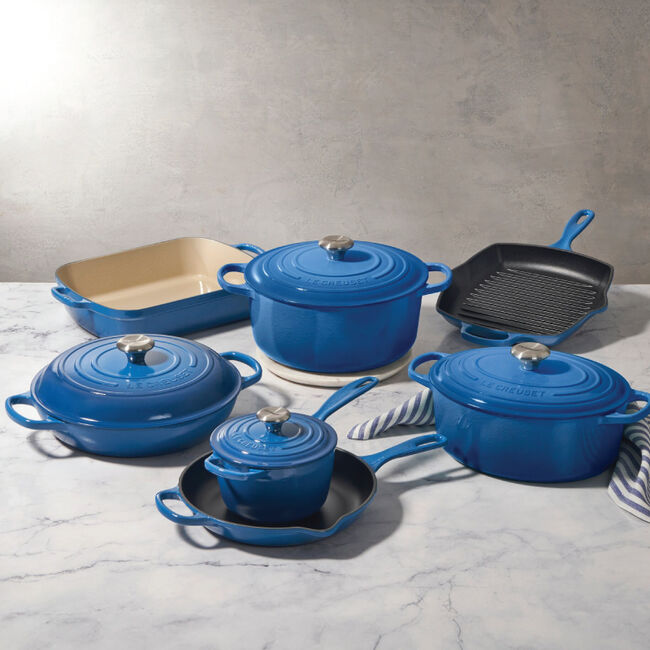
Le Creuset is famous for its enameled cast iron cookware, combining performance with aesthetic appeal. The vibrant colors can brighten up any kitchen. While they are pricier than others, the investment is worthwhile for those who crave durability and design.
Imagine serving a dish in a stunning Le Creuset Dutch oven during a dinner party. The cookware not only cooks evenly but also serves as a conversation starter. It’s perfect for those who appreciate beauty and functionality.
Staub
Staub offers premium cast iron cookware with a focus on modern innovation. Their pieces are known for self-basting lids that keep moisture in, enhancing flavor. Staub is ideal for slow-cooking enthusiasts who value robust flavors.
If you love cooking stews and soups, Staub’s cocotte might be your best friend. It’s designed to bring out the natural flavors of your ingredients, making every meal a culinary delight.
Field Company
Field Company is a newer player in the cast iron market, specializing in lightweight cookware. Their pans are designed for effortless handling, making them perfect for cooks who prefer agile kitchen tools.
Are you tired of lugging heavy pans around? Field Company’s skillets offer a refreshing change. They blend traditional cast iron benefits with modern usability, catering to a new generation of cooks.
Victoria
Victoria is known for affordable and reliable cast iron cookware, offering great value for money. Their products are often compared to Lodge, appealing to budget-conscious cooks seeking quality.
Have you ever considered adding a Victoria griddle to your collection? It’s ideal for making perfect pancakes, thanks to its even heat distribution. Victoria proves that quality cast iron doesn’t have to be expensive.
Features To Look For
Choosing the right cast iron cookware means paying attention to certain features. These features affect how well the pan cooks, feels, and lasts. Knowing what to check helps you pick a pan that fits your needs and kitchen style.
Size And Weight
Cast iron pans come in many sizes. Small pans work well for eggs or single servings. Large pans suit family meals or frying multiple items. Weight matters too. Heavier pans hold heat better but can be hard to lift. Choose a size and weight that match your cooking habits.
Handle Design
Handles should be easy to grip and stay cool enough to hold. Some pans have helper handles on the opposite side for better balance. A long handle helps control the pan on the stove. Look for smooth edges to avoid discomfort. Good handle design makes cooking safer and more comfortable.
Seasoning Quality
Seasoning is the oily layer that protects the pan and stops food from sticking. Some pans come pre-seasoned and ready to use. Others need seasoning before cooking. A high-quality seasoning lasts longer and improves with use. Check if the surface is smooth and dark, signs of good seasoning.
Maintenance Requirements
Cast iron needs care to stay in good shape. Some pans require hand washing and drying immediately. Avoid soap or dishwasher use unless the pan is specially coated. Regular oiling helps keep the seasoning strong. Understand maintenance needs before buying to keep your pan working well.
How To Care For Cast Iron
Caring for your cast iron cookware properly can extend its life for decades. It might seem tricky at first, but with the right approach, you’ll keep your pans in top shape and improve their cooking performance over time. Here’s how to handle cleaning, seasoning, and storage like a pro.
Cleaning Tips
After cooking, avoid soaking your cast iron in water. Instead, wipe it out with a paper towel or rinse it briefly with hot water. If food sticks stubbornly, scrub gently using a brush or coarse salt as a natural abrasive.
Never use soap or put your cast iron in the dishwasher; this can strip away the seasoning. Dry your pan immediately and thoroughly to prevent rust. You can even heat it on the stove for a minute to evaporate any leftover moisture.
Seasoning Techniques
Seasoning creates a natural, non-stick surface and protects your cookware. After cleaning, apply a thin layer of vegetable oil or flaxseed oil to the entire surface, including the handle. Then, place it upside down in an oven heated to around 450°F (230°C) for an hour.
Do you notice your pan sticking or rusting? It might be time to reseason. Regular seasoning not only keeps your pan smooth but also enhances the flavor of your dishes over time. Think of it as building a protective and flavorful coating with every use.
Storage Advice
Store your cast iron in a dry place to avoid rust. If stacking with other cookware, place a paper towel or cloth between pans to protect the seasoning. Avoid sealing your cast iron in plastic bags or airtight containers, as trapped moisture can cause damage.
Have you tried hanging your cast iron? It keeps air circulating and is a great way to show off your favorite pans. Proper storage ensures your cast iron stays ready for your next cooking adventure.
:max_bytes(150000):strip_icc()/faw-le-creuset-signature-enameled-cast-iron-skillet-10-25-jennifer-zyman-07-d9a892f5ec414ea98daed553fd55c9f5.jpeg)
Credit: www.foodandwine.com
Comparing Prices And Value
Cast iron cookware offers durability and excellent cooking performance. Prices vary widely, so knowing what fits your budget and needs is key. This section breaks down options by price and value. Each category provides quality and benefits at different costs.
Budget-friendly Options
Affordable cast iron pans are great for beginners. They often come pre-seasoned for easy use. These pans work well for everyday cooking tasks. Expect basic designs and good heat retention. They may weigh a bit more but still last long.
- Usually priced under $40
- Simple shapes, no extra features
- Good for frying, baking, and searing
- May need occasional re-seasoning
Mid-range Choices
Mid-range cookware balances quality with price. These pans often have smoother surfaces and better seasoning. They handle a variety of cooking styles well. Many brands offer ergonomic handles and lids here. These pieces suit home cooks wanting reliable tools.
- Price range: $40 to $100
- Improved craftsmanship and finish
- Enhanced non-stick properties
- Often include lids and accessories
Premium Investment Pieces
Premium cast iron is made for serious cooks. These pieces feature refined casting and durable coatings. They offer excellent heat distribution and retention. Premium brands provide warranties and extra care tips. These pans last a lifetime with proper use.
- Prices usually above $100
- High-quality materials and design
- Superior seasoning and smooth finish
- Often come with lifetime guarantees
User Experiences And Reviews
User experiences and reviews offer real-life insights that go beyond product descriptions. They reveal how cast iron cookware performs daily, highlighting strengths and weaknesses you might not expect. Listening to both home cooks and professional chefs helps you decide which cookware truly fits your kitchen needs.
Home Cook Feedback
Many home cooks praise cast iron for its durability and heat retention. One user shared how their skillet evenly cooked pancakes without hotspots, making breakfast effortless every morning.
However, some mention the initial seasoning process can be tricky. A few beginners found the need to re-season regularly a bit frustrating but noticed their cookware improved with use.
- Positive:Excellent heat distribution, great for searing and frying.
- Challenges:Requires maintenance to prevent rust and sticking.
- Tip:Avoid soap when cleaning to preserve the seasoning layer.
Have you ever experienced food sticking to your pan despite seasoning? This common issue can often be fixed with proper care and patience.
Professional Chef Insights
Chefs often rely on cast iron for its versatility and reliability in busy kitchens. One chef explained how their heavy-duty skillet withstands high heat and daily use without warping or losing performance.
Pros also appreciate the ability to move cookware from stovetop to oven seamlessly. This flexibility saves time and expands cooking options, especially for recipes needing both methods.
| Chef’s Advantage | Why It Matters |
|---|---|
| Durability | Handles intense heat and frequent use without damage. |
| Heat Retention | Keeps food warm longer and cooks evenly. |
| Versatility | Works on various heat sources and in the oven. |
Would investing in a high-quality cast iron piece change how you cook daily? Professionals often say it’s worth the upfront effort for long-term kitchen performance.
Credit: www.lecreuset.com
Common Myths And Facts
Cast iron cookware often gets a bad rap based on some common myths that can scare away even the most enthusiastic home cooks. Understanding what’s true and what’s not can help you make a better choice for your kitchen. Let’s clear up some of the biggest misconceptions around cast iron and highlight the facts you need to know.
Rust Concerns
Many people worry that cast iron will rust easily and become unusable. While cast iron is prone to rust if left wet or not properly cared for, regular seasoning creates a protective layer that keeps moisture out.
Seasoning your pan means coating it with oil and heating it, which builds a natural, non-stick surface over time. If rust does appear, you can scrub it off with steel wool and re-season the pan—often, this process revives the cookware completely.
Have you ever left a pan out after washing and noticed spots of rust? It’s a simple fix, and it shouldn’t make you avoid cast iron altogether.
Weight Misconceptions
Cast iron is famously heavy, and some think that this makes it difficult to handle or cook with. While it’s true that cast iron is heavier than other cookware, that weight often means better heat retention and more even cooking.
Think about how a heavy skillet feels steady on the stove; it won’t slide or tip easily. If weight is an issue, smaller sizes or skillets with assist handles can make lifting easier without sacrificing performance.
Does the heft intimidate you? Try using a smaller pan first to get comfortable—it might surprise you how manageable it can be.
Health Safety
Some worry that cooking with cast iron can be unhealthy due to iron leaching into food. Actually, this can be a benefit, especially for those with iron deficiencies, as small amounts of iron do transfer into your meals.
Acidic foods like tomato sauce can increase this iron transfer, but it’s generally safe and natural. If you have specific health concerns, consult your doctor, but for most people, cast iron adds a nutritional boost rather than a risk.
Have you noticed your food tastes different in cast iron? It might be the subtle mineral boost you’re getting, enhancing both flavor and nutrition.
Frequently Asked Questions
What Makes Cast Iron Cookware The Best Choice?
Cast iron cookware offers excellent heat retention and even cooking. It is durable, versatile, and enhances food flavor over time. Properly seasoned cast iron also provides a natural non-stick surface, making it a top choice for many cooks.
How To Choose The Best Cast Iron Cookware Brand?
Look for brands with a reputation for quality and durability. Check for smooth seasoning, even heating, and good customer reviews. Consider factors like price, size, and warranty to find the best cast iron cookware brand for your needs.
Is Enameled Or Traditional Cast Iron Cookware Better?
Enameled cast iron is easier to clean and doesn’t require seasoning. Traditional cast iron offers superior heat retention and can develop a natural non-stick surface. Choose based on your cooking style and maintenance preference.
Can Cast Iron Cookware Be Used On All Cooktops?
Yes, cast iron cookware works on gas, electric, induction, and oven use. Its versatility makes it compatible with various cooking surfaces. However, use caution on glass cooktops to avoid scratching.
Conclusion
Choosing the best cast iron cookware depends on your cooking needs. Think about size, weight, and how you will use it. Good quality cast iron lasts for many years. It heats evenly and keeps food warm longer. Taking care of your cookware helps prevent rust.
Season it regularly and avoid soap when cleaning. Cast iron suits many recipes, from frying to baking. A well-chosen pan makes cooking easier and more fun. Trust your needs and pick what fits best. Enjoy cooking with cast iron every day!