
Your commercial kitchen mats work hard every day to keep your workspace safe and clean. But when was the last time you gave them a proper deep clean?
Dirty mats can hide germs, cause unpleasant odors, and even lead to slips or accidents. If you want to protect your staff and maintain a professional kitchen, knowing how to clean your mats correctly is essential. Keep reading, and you’ll discover simple, effective steps to keep your mats spotless and your kitchen running smoothly.
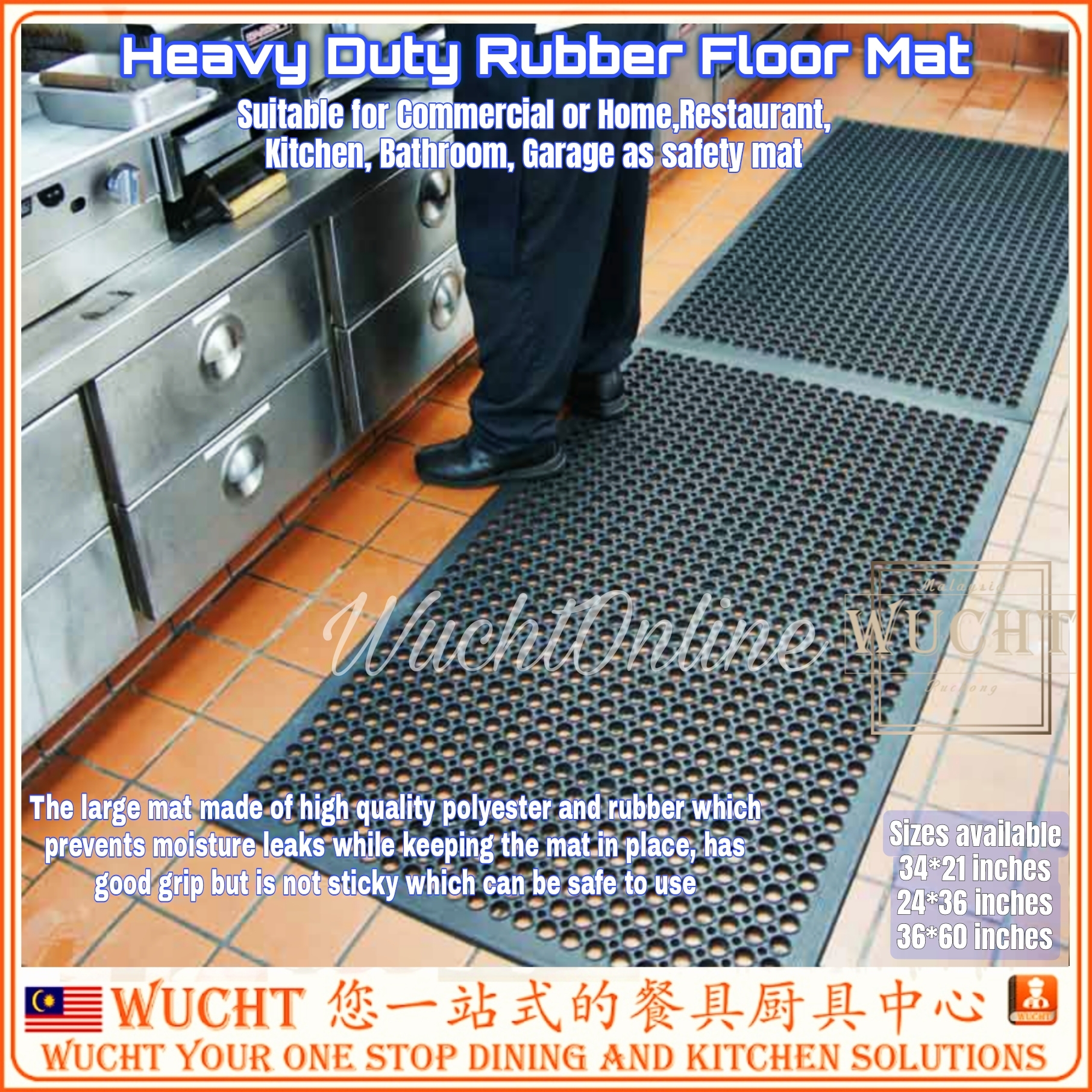
Credit: www.wuchtonline.com
Choosing The Right Mats
Choosing the right mats for a commercial kitchen is important for safety and cleanliness. The perfect mat protects workers from slips and reduces fatigue. It also helps keep the kitchen floor clean and dry. Picking the right mat depends on the kitchen’s needs and environment.
Types Of Commercial Kitchen Mats
- Anti-Fatigue Mats: Designed to reduce strain from standing long hours.
- Drainage Mats: Allow liquids to drain quickly, keeping the surface dry.
- Grease-Resistant Mats: Made to handle oily or greasy spills.
- Scraper Mats: Remove dirt and debris from shoes before entering the kitchen.
Material Considerations
Choose mats made from durable materials like rubber or vinyl. Rubber offers good grip and cushioning. Vinyl mats are easy to clean and resist chemicals. Some mats have antimicrobial properties to reduce bacteria growth. Check the material for heat resistance if placed near hot equipment.
Size And Thickness Options
Select mats that fit the workspace well. They should cover high-traffic areas without causing trip hazards. Thickness affects comfort and durability. Thicker mats provide better cushioning but may be harder to clean. Thin mats are easy to handle but might wear out faster. Balance comfort and maintenance needs when choosing size and thickness.
Preparing For Cleaning
Preparing your commercial kitchen mats for cleaning is a crucial step that sets the stage for effective maintenance. Taking time to organize and clear the area will make the cleaning process smoother and more thorough. This preparation not only saves time but also helps protect your mats and the kitchen environment.
Gathering Cleaning Supplies
Before you start, collect all necessary cleaning supplies. This usually includes a stiff brush, a bucket, mild detergent, disinfectant, and clean water. Having everything ready prevents interruptions and helps you focus on getting the mats spotless.
Think about the type of mats you have. Some may need special cleaners or softer brushes to avoid damage. Double-check the labels or manufacturer’s instructions to avoid costly mistakes.
Removing Loose Debris
Loose dirt and crumbs can make cleaning harder if left on the mats. Use a broom or vacuum to clear away this debris first. This step allows your cleaning solution to work better on the deeper grime and stains.
Pay extra attention to corners and edges where food particles often accumulate. Skipping this can mean you’re just pushing dirt around instead of removing it.
Safety Precautions
Your safety matters during cleaning. Wear gloves to protect your hands from harsh chemicals and slippery surfaces. If you are using strong cleaners, ensure the area is well-ventilated to avoid breathing in fumes.
Also, be mindful of wet floors around the mats. Placing wet floor signs or working during low-traffic hours can help prevent slips and accidents. How often do you consider safety when tackling cleaning tasks? It’s a small step that makes a big difference.
Cleaning Techniques
Cleaning commercial kitchen mats properly is essential to maintain hygiene and extend their lifespan. Different mats require different cleaning techniques based on their material and level of dirt. Understanding these techniques helps you choose the best approach to keep your mats safe and effective.
Hand Washing Mats
Hand washing is a simple and effective way to clean your kitchen mats, especially if they have stubborn grime. Use warm water mixed with a mild detergent to scrub the mats gently. A stiff brush helps remove dirt from the textured surface without damaging the mat.
After scrubbing, rinse the mat thoroughly to remove all soap residue. Hang the mat to air dry completely before placing it back in the kitchen. Have you noticed how hand washing gives you more control over cleaning tight spots?
Using Pressure Washers
Pressure washers can blast away dirt quickly, making them perfect for heavy-duty cleaning sessions. Use a medium pressure setting to avoid damaging rubber or foam mats. Hold the nozzle about 12 inches away and move it steadily across the surface.
This technique saves time and effort, especially for large mats used in busy kitchens. Just be sure to avoid spraying electrical components or delicate areas. What areas in your kitchen could benefit from such a powerful cleaning tool?
Spot Cleaning Stains
Spot cleaning is a smart way to address stains without soaking the entire mat. Use a damp cloth with a small amount of detergent or stain remover to target the affected area. Gently blot instead of rubbing to prevent spreading the stain.
For tougher stains, a mixture of baking soda and water applied directly can help lift the mark. Regular spot cleaning keeps your mats looking fresh between deep cleans. How often do you check your mats for small stains that could turn into bigger problems?
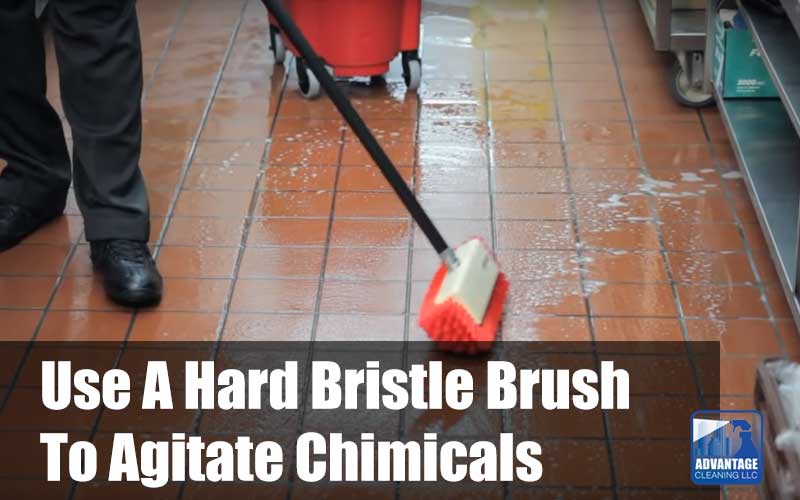
Credit: advantagecleaningllc.net
Drying And Maintenance
Proper drying and maintenance of commercial kitchen mats ensure their longevity. It keeps them hygienic and safe for daily use. Focusing on drying and maintenance helps prevent unwanted issues. Let’s explore effective techniques to keep your mats in top condition.
Proper Drying Methods
After washing, shake excess water from the mats. Hang them vertically in a well-ventilated area. This allows air to circulate and speeds up drying. If possible, use a fan to increase airflow. Avoid placing mats in direct sunlight, which can cause fading.
Preventing Mold And Mildew
Mold and mildew thrive in damp conditions. Ensure mats are completely dry before placing them back. Store them in a dry space to avoid moisture buildup. Regularly inspect mats for any signs of mold. Remove and clean any mold spots immediately with a mild detergent.
Regular Maintenance Tips
- Check mats daily for wear and tear.
- Wash mats weekly to remove accumulated dirt.
- Rotate mats to ensure even wear.
- Repair small damages promptly to prevent further issues.
- Replace mats once they show significant signs of wear.
When To Replace Mats
Knowing when to replace your commercial kitchen mats is crucial for maintaining a safe and efficient workspace. Overused mats can become hazards rather than helpful tools, impacting both cleanliness and worker safety. Paying attention to key signs and making smart choices can save you time and money.
Signs Of Wear And Tear
Look closely at your mats for cracks, holes, or worn edges. These damages reduce the mat’s effectiveness in preventing slips and can trap dirt, making cleaning harder.
If your mats no longer lie flat or have lost their cushioning, it’s a clear sign they need replacing. Have you noticed your staff slipping or complaining about discomfort? That’s a strong hint it’s time for new mats.
Choosing Replacement Mats
Think about the specific needs of your kitchen before buying new mats. Consider factors like slip resistance, thickness, and ease of cleaning.
Choose materials suited for your environment, such as anti-fatigue mats for long standing periods or rubber mats for wet areas. Don’t overlook size and shape—mats that fit perfectly reduce hazards and improve comfort.
Disposal And Recycling Options
Old mats shouldn’t just go into the trash. Many commercial kitchen mats can be recycled or repurposed, reducing environmental impact.
Check if your supplier offers a take-back program or locate a local recycling center that accepts rubber or vinyl mats. Could you donate mats in usable condition to community centers or workshops?

Credit: personalizeddoormats.com
Frequently Asked Questions
How Often Should I Clean Commercial Kitchen Mats?
Commercial kitchen mats should be cleaned at least once a week. Frequent cleaning prevents dirt buildup and maintains hygiene. High-traffic areas may require more frequent cleaning to ensure safety and cleanliness.
What Is The Best Method To Clean Kitchen Mats?
The best method is to vacuum mats first, then scrub with warm water and mild detergent. Rinse thoroughly and air dry completely before reuse. This method removes grease, dirt, and bacteria effectively.
Can I Use Bleach To Clean Commercial Kitchen Mats?
Using bleach is not recommended as it can damage mats and reduce their lifespan. Opt for mild detergents or specialized mat cleaners for safe and effective cleaning without harm.
How Do I Remove Stubborn Stains From Kitchen Mats?
Apply a paste of baking soda and water to stains, let it sit for 10 minutes, then scrub gently. Rinse with warm water and dry. This method lifts stains without harsh chemicals.
Conclusion
Cleaning commercial kitchen mats keeps your workspace safe and tidy. Regular washing removes dirt, grease, and bacteria effectively. Use warm water and mild detergent for best results. Scrub gently to avoid damaging the mat’s surface. Dry mats thoroughly to prevent mold and odors.
Clean mats last longer and protect kitchen staff from slips. A clean mat also helps maintain hygiene standards. Keep a cleaning schedule to make this task easy. Small efforts lead to a safer, healthier kitchen environment. Simple steps can make a big difference every day.