
Are your cleaning supplies and microfiber cloths scattered all over the place, making it hard to find what you need when you need it? You’re not alone.
Keeping these items organized can save you time, reduce stress, and even make your cleaning routine more effective. Imagine opening your cabinet and instantly spotting the right cloth or spray without digging through a mess. You’ll discover simple, practical tips to organize your cleaning tools so they’re always within reach and ready to use.
Ready to transform your cleaning space? Let’s get started!
Choosing Storage Containers
Choosing the right storage containers is crucial for keeping your cleaning supplies and microfiber cloths neat and accessible. The right container not only holds your items securely but also saves space and makes your cleaning routine smoother. Think about how you use your supplies daily and pick containers that match your habits and storage areas.
Types Of Containers
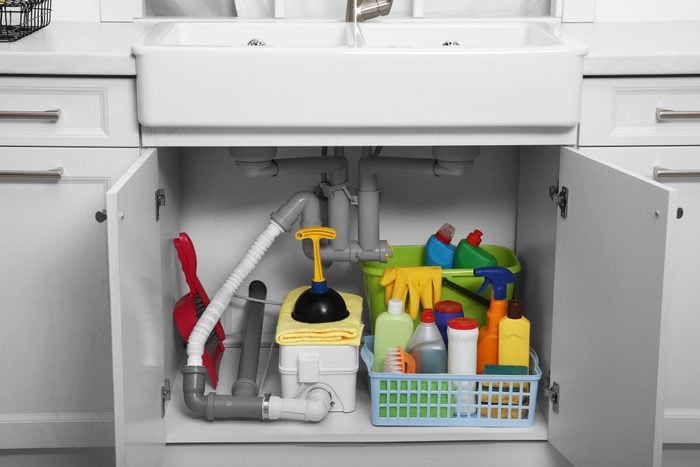
There are many container options to organize your cleaning supplies. Caddies with handles make it easy to carry everything from room to room. Clear bins let you see what’s inside at a glance, saving you time searching. Drawer organizers help separate small items like spray bottles and cloths for quick access.
Consider stackable containers if you have limited space; they maximize vertical storage. Open baskets work well for microfiber cloths, allowing them to dry quickly. What type of container would best fit your cleaning routine and storage space?
Materials That Work Best
Plastic containers are popular because they’re lightweight and easy to clean. Look for durable, BPA-free plastic to ensure safety and longevity. Metal containers add a stylish touch but can rust if exposed to moisture, so choose coated options if you prefer metal.
Fabric bins are great for microfiber cloths since they breathe and prevent odors. Avoid cardboard or paper-based containers as they don’t hold up well against moisture. What material feels right for your cleaning supplies environment?
Size And Portability
Size matters when choosing containers. Too large, and you’ll waste space; too small, and you’ll struggle to fit everything. Measure your storage area before buying containers to avoid overcrowding or leftover clutter.
Portability is key if you move your supplies around often. Containers with sturdy handles or wheels make transportation effortless. How often do you carry your supplies from room to room, and how portable do your containers need to be?
Sorting Cleaning Supplies
Sorting cleaning supplies is the first step to an organized space. It helps find items quickly and keeps everything neat. Proper sorting also prevents accidents and saves time during cleaning. Start by grouping similar items to create order and ease of use.
Categorizing By Purpose
Group supplies based on their use. For example, put all bathroom cleaners together. Keep kitchen sprays in one spot. This makes it easier to grab what you need fast. Separate cloths for dusting, wiping, and scrubbing. Clear categories reduce clutter and confusion.
Separating Chemicals And Tools
Keep chemicals away from tools for safety. Store sprays, liquids, and powders in one area. Place brushes, scrubbers, and cloths in another. This avoids spills and damage to tools. Also, store strong chemicals out of reach of children and pets.
Labeling For Easy Access
Use labels on bins, shelves, or containers. Labels help identify items at a glance. Write clear, simple words like “Glass Cleaner” or “Dust Cloths.” Color-coded labels add another layer of organization. Labeling saves time and keeps your space tidy.
Organizing Microfiber Cloths
Store microfiber cloths in clear bins or baskets to keep them visible and tidy. Folding them uniformly saves space and makes grabbing easier. Group cloths by use to avoid cross-contamination during cleaning.
Organizing microfiber cloths is crucial for efficient cleaning routines. These cloths are versatile and effective, but they need proper care. Keeping them organized ensures they last longer and work better. Discovering the right folding techniques and storage options can make a big difference. Maintaining cleanliness is also essential to prevent dirt buildup and extend the cloths’ lifespan.
Folding Techniques
Effective folding keeps microfiber cloths ready for use. Fold them into squares or rectangles for easy stacking. This method saves space and makes the cloths easy to grab. Rolling the cloths is another option. It keeps them compact and reduces wrinkles. Choose a folding style that suits your storage space.
Storage Options
Storage solutions can vary depending on space. Use baskets or bins for open storage. They keep cloths visible and accessible. Label the containers for easy identification. For concealed storage, consider drawers or shelves. They keep cloths dust-free and organized. Choose clear containers to see the contents at a glance.
Maintaining Cleanliness
Keeping microfiber cloths clean ensures their effectiveness. Wash them separately to avoid lint transfer. Use mild detergent and avoid fabric softeners. Dry them on low heat or air dry to maintain softness. Regular washing prevents dirt buildup and keeps them ready for cleaning tasks.
Credit: www.familyhandyman.com
Maximizing Space
Maximizing space is key to keeping cleaning supplies and microfiber cloths tidy. Small areas can quickly become cluttered without smart storage ideas. Using every inch wisely helps keep everything accessible and neat. Clever organizing turns tight spaces into efficient storage zones.
Utilizing Vertical Storage
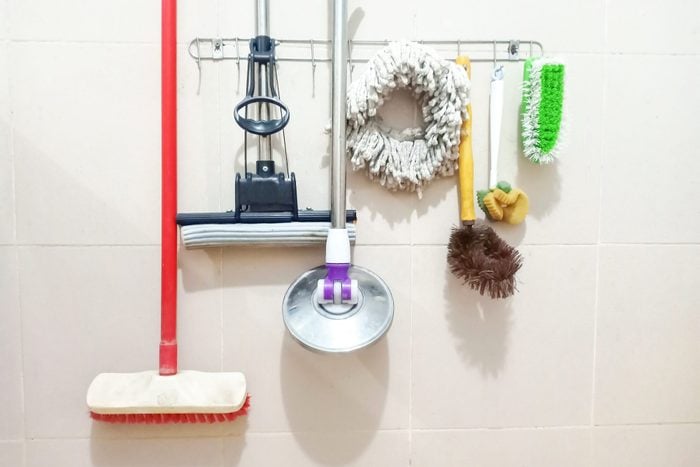
Vertical storage saves floor and shelf space. Use tall shelves to stack bottles and sprays. Place microfiber cloths in clear containers on high shelves. Wall-mounted racks hold sprays and brushes within easy reach. Vertical baskets on doors store extra cloths or small tools.
Drawer Dividers And Bins
Drawers get messy without separators. Use dividers to keep cloths and smaller items apart. Clear bins help group similar supplies together. Label bins for easy identification. This keeps drawers neat and speeds up cleaning preparation.
Hooks And Hanging Solutions
Hooks free up shelf and drawer space. Hang spray bottles by their handles on wall hooks. Attach a rod inside a cabinet door to hang microfiber cloths. Use adhesive hooks for lightweight items on smooth surfaces. Hanging keeps supplies visible and ready to grab.
Maintaining Organization
Keeping your cleaning supplies and microfiber cloths organized takes more than just a good setup. It requires ongoing effort and attention to stay efficient. Maintaining organization ensures you always know where everything is, saving you time and frustration during your cleaning routine.
Regular Cleaning Schedule
Set a specific day each week to tidy up your cleaning supplies area. Use this time to wipe down containers and shelves, making sure everything is clean and ready for use. This small habit prevents buildup of dust or grime that can sneak in unnoticed.
Ask yourself if your cleaning schedule fits your lifestyle. If you clean your home every weekend, check your supplies right after. This way, you won’t run out of essentials when you need them most.
Replacing Worn Supplies
Microfiber cloths lose effectiveness over time. Inspect them regularly for tears, stiff fibers, or stains that don’t wash out. Replace any cloths that no longer clean well to maintain your cleaning quality.
Look at your sprays, brushes, and other tools too. Old bottles might clog or lose potency, and broken handles slow you down. Keeping fresh supplies ready means less hassle and better results.
Reviewing Storage Setup
Your storage system should work for you, not against you. Every few months, take a moment to review how your supplies are arranged. Are frequently used items easy to reach? Are cloths stored in a way that keeps them dry and odor-free?
Think about changing containers or adding labels if you find confusion creeping in. Simple tweaks can make a big difference in keeping your cleaning routine smooth and stress-free.

Credit: amandafontenot.com
Safety Tips For Storage
Storing cleaning supplies and microfiber cloths safely prevents accidents and health risks. Proper storage protects children, pets, and the environment. It also keeps your home clean and organized. Follow these safety tips to store your supplies correctly.
Keeping Chemicals Away From Children
Store all cleaning chemicals in high places. Use locked cabinets or containers if possible. Keep products in their original containers with labels. Never transfer chemicals to food or drink bottles. Teach children about the dangers of these products. Check regularly that storage areas remain secure.
Proper Ventilation
Store cleaning supplies in well-ventilated areas. Avoid closed, damp spaces that trap fumes. Good airflow reduces harmful vapors and odors. Open windows or use exhaust fans near storage. Keep supplies away from heat sources to prevent reactions. Ventilation helps keep the air safe and fresh.
Disposal Of Expired Products
Check expiration dates on your cleaning supplies. Expired products can lose effectiveness or become hazardous. Dispose of old or unused chemicals safely. Follow local guidelines for hazardous waste disposal. Do not pour chemicals down drains or toilets. Proper disposal protects your home and the environment.
Credit: www.familyhandyman.com
Frequently Asked Questions
How Can I Store Microfiber Cloths Effectively?
Store microfiber cloths in a dry, well-ventilated container. Use labeled bins or baskets to separate cloths by use. Avoid folding tightly to maintain their texture and cleaning efficiency.
What Is The Best Way To Organize Cleaning Supplies?
Group cleaning supplies by type and frequency of use. Use clear bins or caddies for easy access. Label each container to save time and reduce clutter.
How Often Should I Clean Microfiber Cloths?
Clean microfiber cloths after every use to avoid bacteria buildup. Wash with mild detergent and avoid fabric softeners. Air dry or use low heat to maintain fibers.
Can I Use The Same Cloth For Different Surfaces?
No, use separate microfiber cloths for different surfaces. This prevents cross-contamination and ensures effective cleaning. Color-code cloths for easy identification.
Conclusion
Organizing cleaning supplies and microfiber cloths saves time and effort. Keep everything in one place for easy access. Use containers and labels to stay neat and tidy. Regularly sort and clean items to avoid clutter. A simple system helps maintain a clean and fresh home.
Small changes make cleaning less stressful and more efficient. Start organizing today and enjoy a more orderly space.