
Have you ever wondered what exactly should go under your dish drying rack? It might seem simple, but placing the right items below can keep your kitchen cleaner and make drying dishes much easier.
If you’ve been struggling with water pooling on your countertop or unsure where to put those wet utensils, this guide is for you. Keep reading to discover smart tips that will transform how you use your dish drying rack and help you keep your kitchen neat and dry every day.
Credit: www.amazon.com
Choosing The Right Spot
Choosing the right spot for your dish drying rack can make a big difference in your kitchen’s efficiency and cleanliness. It’s not just about finding an empty space; it’s about balancing convenience, space, and how your kitchen flows during busy cooking times. Think about where you naturally move after washing dishes and how you want your counter to look.
Countertop Vs. Wall-mounted Racks
Countertop racks sit right beside your sink, making it easy to place dishes down without dripping water all over the floor. They are simple to move around and often come with drip trays to catch excess water. However, they take up valuable counter space, which can be a problem in smaller kitchens.
Wall-mounted racks save counter space by lifting the drying area off the surface. This setup keeps your counters clear and can make cleaning easier. On the flip side, installation requires drilling and may limit where you can put the rack, depending on your kitchen’s layout.
Considering Space And Accessibility
Look closely at how much room you have around your sink and nearby cabinets. Is there enough space to comfortably place dishes without bumping into other items? You want a spot that’s easy to reach but doesn’t interfere with food prep or cooking areas.
Think about your daily habits. Do you prefer to dry dishes quickly and put them away, or do you let them air dry for a while? If you often wash large pots, make sure the rack can hold them without dripping water onto your floor or counters.
Would placing the rack in a different spot improve your kitchen workflow? Sometimes moving the rack a few inches can reduce clutter and make drying dishes less of a hassle. Try experimenting with different spots to find what really works for your routine.
Maximizing Under-rack Space
Maximizing the space under your dish drying rack can transform a cluttered countertop into a neat and efficient area. Often overlooked, this space offers a great opportunity to organize smaller items or catch water drips without sacrificing style or convenience. Think about how much more you could fit in your kitchen if you used this area wisely.
Using Trays And Mats
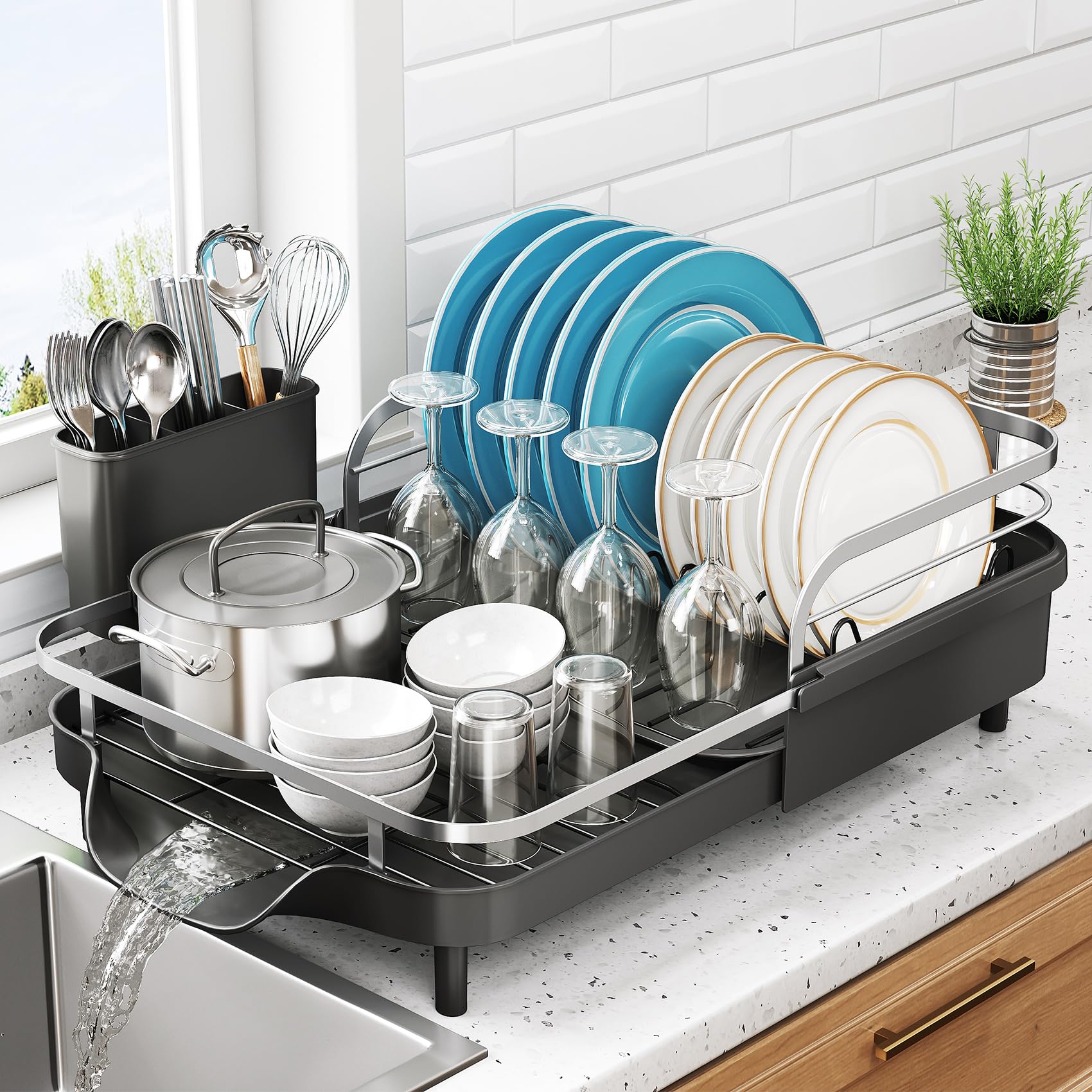
Placing a tray or mat under your drying rack helps collect water runoff and protects your countertop. Choose materials like silicone or plastic that are easy to clean and won’t slip around. A tray with raised edges can also hold small utensils or lids, keeping them from sliding off.
If you prefer a more natural look, bamboo trays work well and dry quickly. Have you noticed how much easier cleanup becomes when water is contained rather than spreading everywhere? It’s a small change that makes a big difference.
Storage Bins And Containers
Under-rack space is perfect for storing sponges, scrubbers, or dish soaps in compact bins. Clear containers make it easy to see what you have, so you don’t buy duplicates or lose track of supplies. Stackable bins can also help you take advantage of vertical space if the area is tall enough.
Using labeled containers ensures everything has its place, reducing countertop clutter and speeding up your dishwashing routine. What items do you find yourself reaching for most often? Placing those within easy reach under your drying rack can save time and keep your kitchen looking tidy.
Preventing Water Damage
Preventing water damage under your dish drying rack is essential. Water can seep into countertops and cabinets, leading to costly repairs. Protecting your kitchen surfaces keeps your kitchen looking fresh and clean.
Waterproof Liners And Mats
Waterproof liners and mats are effective in shielding surfaces. They catch any drips and spills that occur while drying dishes. Choose mats made from durable materials like silicone or rubber. These materials repel water and are easy to clean. Regular cleaning prevents mold and mildew buildup.
Proper Drainage Solutions
Proper drainage solutions are crucial for maintaining your kitchen’s integrity. Install a sloped tray under the drying rack. This directs excess water into the sink. Ensure the tray fits snugly to prevent water leakage. Regularly check for clogs in the drainage system. Keeping the drainage path clear ensures efficient water flow.

Credit: www.amazon.com
Organizing Cleaning Supplies
Organizing cleaning supplies under the dish drying rack keeps the kitchen tidy. It also saves time during dishwashing. A well-arranged space makes cleaning tools easy to find and use. This area is perfect for storing items used daily. Efficient storage improves kitchen workflow and reduces clutter.
Storing Dish Soap And Sponges
Place dish soap in a small container or dispenser to avoid spills. Use a tray or a shallow basket for sponges. This keeps them dry and prevents bacteria build-up. Choose a spot that allows air circulation for faster drying. Group similar items together for easy access.
Keeping Brushes And Towels Handy
Hang brushes on hooks or place them in a cup for quick reach. Towels fit well on small rods or folded neatly in bins. Keep these items near the drying rack for convenience. This setup saves space and keeps the countertop clean. Easy access helps maintain kitchen hygiene.
Incorporating Multi-functional Storage
Adding multi-functional storage beneath your dish drying rack can transform a simple kitchen area into a highly efficient workspace. It’s not just about drying dishes but also about smartly organizing your everyday kitchen items. This setup saves counter space and keeps your utensils and cups within easy reach, streamlining your cooking and cleaning routine.
Hooks For Utensils And Cups
Hooks are a simple yet powerful addition under your dish drying rack. They keep frequently used utensils like spatulas, ladles, and measuring spoons organized and accessible. You can also hang cups or mugs by their handles, freeing up cabinet space and reducing clutter on your countertop.
Think about how often you reach for a spoon or a cup while cooking or after washing. Having hooks right under your drying rack turns this everyday action into a smoother, quicker process. Plus, installing hooks is easy and affordable, making it a practical upgrade for any kitchen.
Shelves And Drawers Integration
Adding small shelves or drawers beneath your drying rack can hold items that don’t dry well hanging, like lids, cutting boards, or even cleaning supplies. This allows you to keep your kitchen essentials organized and protected from dust or spills. Shelves can be open or enclosed, depending on your style and needs.
Drawers are perfect for hiding away smaller items like scrubbers, dish soap, or even extra utensils. This helps maintain a neat appearance while keeping everything you need right at your fingertips. Have you noticed how much easier it is to work when your kitchen tools are neatly stored but still easy to grab?

Credit: www.amazon.com
Maintaining Cleanliness And Hygiene
Keeping the area under your dish drying rack clean is very important. Moisture and leftover food bits can create a perfect spot for bacteria. Dirt and germs can build up quickly without proper care. This can affect the hygiene of your kitchen and the safety of your dishes.
Regular cleaning helps stop the spread of germs. It also keeps your kitchen smelling fresh and looking neat. Taking small steps every day can prevent bigger problems later. A clean drying rack area makes washing dishes easier and safer.
Regular Cleaning Routines
Wipe the surface under the dish rack every day. Use a clean cloth or sponge with mild soap. Rinse and dry the area well to avoid water spots. Remove the dish rack weekly to clean hard-to-reach spots. Soak the rack in warm water and soap to remove grime. Dry it completely before placing it back.
Preventing Mold And Mildew
Keep the area dry to stop mold growth. Use a small fan or open windows for better airflow. Avoid leaving wet sponges or cloths under the rack. Vinegar is a natural cleaner that kills mold spores. Spray vinegar on the area and wipe it off after a few minutes. Regular checks help catch mold early and keep your kitchen healthy.
Frequently Asked Questions
What Items Should I Place Under A Dish Drying Rack?
Place plates, bowls, cups, and utensils under the dish drying rack. Avoid heavy pots or pans to prevent damage or imbalance.
Can I Dry Cutting Boards Under The Dish Rack?
Yes, you can dry cutting boards under the rack if they fit well. Make sure they are clean and positioned upright for proper air flow.
Is It Safe To Dry Glassware Under The Dish Drying Rack?
Glassware is safe to dry under the rack, but place them securely. Position glasses upside down to avoid water spots and ensure quick drying.
Should I Dry Knives Under The Dish Drying Rack?
Avoid drying sharp knives under the dish rack to prevent accidents. Instead, dry knives separately with a towel and store them safely.
Conclusion
A dish drying rack needs proper care and organization. Keep the area under the rack clean and dry. Use a tray or mat to catch water drips. Avoid placing heavy or sharp items underneath. Small kitchen tools or sponges can stay there if neat.
This helps prevent mold and keeps your kitchen tidy. Remember, a simple setup makes daily chores easier. A well-used space under the rack supports a clean, healthy kitchen environment.