
When it comes to keeping your kitchen tidy, a good dish drying rack can make all the difference. But with so many types available, you might be wondering: what type of dish drying rack is better for your needs?
Choosing the right one can save you time, space, and even frustration. You’ll discover which drying rack suits your kitchen style and daily routine best. Keep reading to find the perfect fit for your dishes and make your cleanup easier than ever.

Credit: www.amazon.com
Dish Drying Rack Types
Choosing the right dish drying rack can make kitchen chores easier and more organized. Different types fit different kitchen spaces and needs. Understanding the main types helps find the perfect match for your home.
Over-the-sink Racks
Over-the-sink racks sit above the sink, saving counter space. They allow water to drip directly into the sink. These racks keep dishes dry and counters clean. Perfect for small kitchens or those with limited counter area.
Countertop Racks
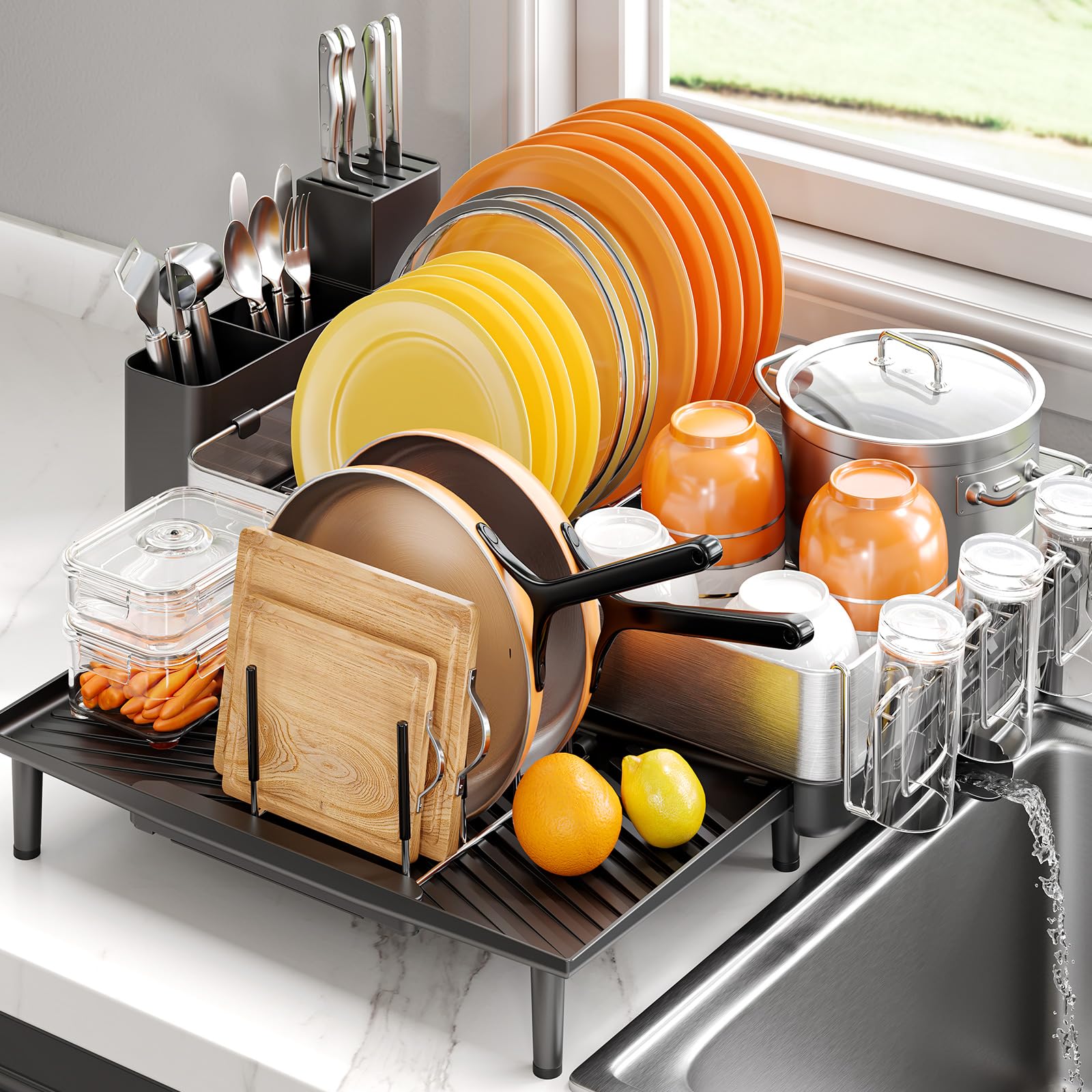
Countertop racks are the most common type. They sit beside the sink and hold many dishes. Easy to move and clean, they fit most kitchens. Choose one with a drip tray to catch water and keep counters dry.
Wall-mounted Racks
Wall-mounted racks attach to the wall near the sink. They save counter space and keep dishes off the surface. Great for kitchens with little room. They often include hooks for cups or utensils.
Foldable And Portable Racks
Foldable racks can collapse for easy storage. Portable racks are lightweight and easy to carry. Ideal for small kitchens or travel. These racks offer flexibility and convenience without taking up space.
Material Options
Choosing the right material for your dish drying rack can make a big difference in how it performs and fits into your kitchen. Different materials offer unique benefits and come with their own set of challenges. Understanding these options helps you pick a rack that matches your lifestyle and kitchen habits perfectly.
Stainless Steel
Stainless steel racks are strong and durable. They resist rust and corrosion, which makes them perfect for wet environments. If you often deal with heavy pots and pans, stainless steel can handle the weight without bending.
Cleaning is simple—just wipe them down or rinse under running water. However, they can be a bit pricier and sometimes feel cold or industrial in a cozy kitchen setting. Would you prefer something long-lasting that blends with modern kitchen appliances?
Plastic
Plastic racks are lightweight and come in various colors and designs. They’re usually budget-friendly and easy to move around your kitchen. Plus, many have built-in trays to catch water, keeping your countertop dry.
On the downside, plastic can stain or warp over time if exposed to high heat or heavy items. If you value flexibility and affordability, plastic racks might suit your daily needs. Do you often rearrange your kitchen and need something easy to handle?
Bamboo And Wood
Bamboo and wood racks add a warm, natural touch to your kitchen. They are eco-friendly and biodegradable, appealing if you want to reduce plastic use. Bamboo, especially, is moisture-resistant and grows quickly, making it a sustainable choice.
Wood racks require regular drying and occasional oiling to prevent mold or cracking. They may not be ideal if you often leave dishes sitting wet for long periods. Could a natural, stylish rack encourage you to tidy up your space more often?
Silicone
Silicone racks are flexible and easy to store since they can fold or roll up. They resist stains and are simple to clean, often dishwasher safe. Silicone is gentle on delicate dishes, reducing the risk of scratches.
However, they might not support heavier items well and can lack the structure some people prefer. If you have limited space and need a rack that adapts to your storage, silicone could be your go-to. How important is flexibility versus sturdiness for your drying rack?
Size And Capacity
Choosing the right dish drying rack is crucial for efficient kitchen organization. It’s not just about aesthetics but how well the rack fits into your lifestyle and space. Size and capacity play a pivotal role in determining the best dish drying rack for your needs. Whether you live in a compact apartment or have a bustling home full of family members, finding the perfect rack can make all the difference.
Small Spaces
Living in a small space often means getting creative with every inch of your kitchen. A compact dish drying rack can be a game-changer. Consider racks that are designed to fit snugly on the counter or even over the sink. These options maximize limited space while still providing ample room to dry your dishes efficiently. Do you frequently struggle with cluttered counters? Opt for a vertical rack that saves horizontal space.
Large Families
For those with large families, a dish drying rack with a greater capacity is essential. Look for racks that offer multiple tiers or sections, allowing you to dry a larger number of dishes simultaneously. Some racks even come with additional features like utensil holders or separate compartments for cups and plates. Think about the frequency of your dishwashing routine; a spacious rack can keep your kitchen running smoothly without constant emptying.
Adjustable Racks
Adjustability can be a lifesaver in any kitchen. Racks that allow you to modify their size or shape to suit your needs offer unmatched convenience. You can adjust the layout to accommodate varying dish sizes or even collapse the rack when it’s not in use. This flexibility is perfect for those who occasionally entertain guests or have varying dishwashing loads. Have you ever wished your dish rack could do more? An adjustable rack might just be the answer.
Design And Features
The design and features of a dish drying rack play a crucial role in its effectiveness and convenience. You want a rack that fits your kitchen space, handles your dish load, and is easy to maintain. The right features can save you time and keep your kitchen tidy.
Drainage Systems
A good drainage system prevents water from pooling under your dishes. Look for racks with sloped bases or built-in trays that direct water straight into the sink. Some even come with detachable drip trays for easy emptying and cleaning.
Have you ever noticed water sitting at the bottom of your rack, making your countertop soggy? A well-designed drainage system stops that and keeps your kitchen dry.
Utensil Holders
Utensil holders add extra organization to your drying rack. Choose racks with separate compartments for forks, knives, and spoons to keep everything upright and draining properly. Some holders have drainage holes or slots to speed up drying and avoid water buildup.
Think about how much time you spend sorting through wet utensils. A dedicated holder can simplify this and keep your kitchen clutter-free.
Multi-tier Designs
Multi-tier racks save counter space by stacking drying areas vertically. These designs are perfect if you have many dishes but limited room. Some tiers are adjustable, allowing you to customize space for plates, bowls, or glasses.
Have you ever wished for more drying space without a bigger footprint? Multi-tier racks can be the solution, letting you dry more with less clutter.
Easy Cleaning
Cleaning your drying rack should be hassle-free. Look for racks made from rust-resistant materials like stainless steel or plastic. Removable parts and smooth surfaces also make wiping down easier, preventing mold and mildew buildup.
Imagine spending less time scrubbing and more time enjoying your clean kitchen. Easy-to-clean racks help keep your drying area hygienic with minimal effort.
Durability And Maintenance
Durability and maintenance are key factors when choosing a dish drying rack. A strong rack lasts longer and needs less care. Maintenance affects how clean and safe your rack stays. Picking the right material can save time and money.
Rust Resistance
Rust weakens metal racks and looks bad. Stainless steel racks resist rust well. Plastic and bamboo racks do not rust. Check for rust-proof coatings on metal racks. Avoid racks with exposed metal parts. Rust-free racks last longer and stay hygienic.
Cleaning Tips
- Wash racks regularly with warm, soapy water.
- Remove food bits to stop mold and bacteria.
- Dry racks fully after cleaning to prevent rust.
- Use a soft brush to clean hard-to-reach spots.
- For bamboo racks, wipe with a damp cloth only.
Longevity Factors
Materials affect how long a rack lasts. Stainless steel and high-quality plastic have longer lifespans. Bamboo racks need more care but can last if dried well. Avoid racks with weak joints or thin wires. Proper cleaning and drying extend rack life. Choose a rack that fits your kitchen use and cleaning habits.
Credit: www.amazon.com
Price And Budget
Price plays a key role when choosing a dish drying rack. Your budget can narrow down options quickly, but knowing what fits within your price range helps you focus on racks that meet your needs without overspending. Let’s look at affordable, premium, and value-for-money options so you can decide what works best for your kitchen and wallet.
Affordable Options
If you’re on a tight budget, there are plenty of dish racks that cost less than $20. These usually come in simple designs made from plastic or basic metal. They do the job well for small kitchens or occasional use.
Look for racks with good drainage and sturdy construction even at this price point. A friend once bought a $15 rack that lasted over two years without rusting or breaking. It’s proof that affordability doesn’t always mean poor quality.
Premium Choices
Premium dish racks can cost $50 or more but offer durability and advanced features. Materials like stainless steel or bamboo are common here, often paired with clever designs to maximize space.
Some premium racks include extra compartments for utensils and cups or come with detachable trays for easy cleaning. If you spend a lot of time in the kitchen, investing in one can save you hassle and keep your countertop tidy.
Value For Money
Finding a dish rack that balances price and quality is ideal. These options usually fall between $25 and $50, offering solid materials and useful features without breaking the bank.
Think about what features you really need. Would you benefit more from a larger drying area or a rack with a utensil holder? Sometimes spending a bit more upfront prevents frequent replacements and adds convenience.
What’s your budget limit for a dish drying rack? Knowing this helps you avoid overspending while getting the most out of your purchase.
Choosing The Best Rack For You
Choosing the best dish drying rack is about matching the rack to your unique kitchen environment and daily habits. A rack that fits your space, suits how you live, and looks right for your home can make dishwashing less of a chore. Let’s break down what matters most so you can pick a drying rack that works for you.
Kitchen Size Considerations
Measure your countertop before buying a rack. Small kitchens benefit from compact or foldable racks that don’t eat up valuable space. If you have a larger kitchen, a bigger rack with multiple tiers or sections can handle more dishes and reduce clutter.
Think about where you want to place the rack. Near the sink is best, but make sure the area can handle water drainage. Some racks come with trays to catch drips, which is handy if your counter is sensitive to water damage.
Lifestyle Needs
Consider how often and how many dishes you wash daily. If you cook frequently or have a large family, you’ll want a sturdy rack with plenty of slots for plates, cups, and utensils. A rack with separate compartments can speed up drying time and keep items organized.
If you’re short on time, look for racks that are easy to clean and quick to set up. Some models are collapsible or stackable, making them perfect if you need to clear space fast. Do you often wash delicate glassware? Choose a rack with soft, protective coatings to avoid scratches.
Aesthetic Preferences
Your drying rack doesn’t have to be an eyesore. Many come in sleek stainless steel, modern plastic, or rustic wood finishes. Pick a style that complements your kitchen decor to keep the space feeling cohesive.
Think about color and shape as well. A bright-colored rack can add a pop of fun, while a neutral one blends in quietly. Does your kitchen have a minimalist vibe or a cozy farmhouse look? Match the rack’s design to enhance the overall feel.

Credit: www.yahoo.com
Frequently Asked Questions
What Are The Main Types Of Dish Drying Racks?
The main types include countertop racks, over-the-sink racks, wall-mounted racks, and foldable racks. Each offers unique space-saving benefits and drying efficiency for different kitchen setups.
Which Dish Drying Rack Material Is Most Durable?
Stainless steel racks are the most durable and rust-resistant. They offer strong support and long-lasting performance compared to plastic or bamboo options.
How To Choose The Best Size For A Dish Rack?
Measure your available counter or sink space. Choose a rack that fits comfortably without overcrowding, allowing good air circulation for faster drying.
Are Over-the-sink Dish Racks Better Than Countertop Racks?
Over-the-sink racks save counter space and allow water to drain directly into the sink. They are ideal for small kitchens with limited countertop area.
Conclusion
Choosing the right dish drying rack depends on your needs and space. Consider how many dishes you wash daily. Think about the rack’s size and material. Some racks save space; others hold more items. Easy cleaning matters too. A good rack keeps your kitchen neat and dry.
Pick one that fits your routine well. This makes washing dishes quicker and less messy. A simple choice can improve your kitchen life.