
Are you tired of harsh chemicals lurking in your kitchen cleaning products? What if you could make your own safe, effective cleaners right at home?
Imagine saving money, protecting your family, and keeping your kitchen sparkling clean—all with simple ingredients you probably already have. You’ll discover easy steps to create powerful kitchen cleaning products that work just as well as store-bought options. Ready to take control of your cleaning routine and make your kitchen shine?
Let’s get started!

Credit: www.youtube.com
Benefits Of Diy Kitchen Cleaners
Making your own kitchen cleaning products offers more than just a fun DIY project. It brings real benefits that impact your wallet, the environment, and the health of everyone at home. Have you ever wondered how much you could save or how safer your kitchen could be by switching to homemade cleaners?
Cost Savings
Buying commercial kitchen cleaners often means paying for expensive packaging and brand names. When you create your own cleaners, common ingredients like vinegar, baking soda, and lemon juice cost just a fraction of store-bought products.
These simple staples stretch far and last longer, so you buy less often. Imagine cutting your cleaning expenses by half or more each month—what could you do with that extra cash?
Eco-friendly Ingredients
Many commercial cleaners contain harsh chemicals that can harm the environment once washed down your drain. Homemade cleaners use natural ingredients that break down easily and don’t pollute water sources.
You control what goes into your cleaner, reducing plastic waste and toxic runoff. How would it feel knowing your cleaning routine helps protect nature rather than contribute to pollution?
Safety For Family And Pets
Harsh chemicals in store-bought cleaners can cause allergies, skin irritation, or even poisoning if ingested. DIY kitchen cleaners made with gentle, natural ingredients are safer for children and pets who explore every nook and cranny.
Using these products gives peace of mind that your loved ones aren’t exposed to hidden dangers during daily cleaning. Isn’t it worth trying something that keeps your home cleaner and safer at the same time?
Essential Ingredients For Homemade Cleaners
Creating your own kitchen cleaning products starts with knowing the right ingredients. These essentials are easy to find, budget-friendly, and safe to use around food and children. Understanding how each ingredient works helps you mix effective cleaners tailored to your needs.
Vinegar
Vinegar is a natural disinfectant and deodorizer. Its acidity breaks down grease, grime, and mineral deposits on surfaces like countertops and faucets.
Many people overlook vinegar’s power against bacteria, but it really shines in the kitchen. Have you tried mixing equal parts water and vinegar for a quick surface spray?
Baking Soda
Baking soda is a gentle abrasive that scrubs away stuck-on food without scratching. It also neutralizes odors, making your kitchen smell fresh.
Try sprinkling baking soda on a damp sponge to tackle tough spots on your stove or sink. It’s surprising how this simple powder can replace harsh chemicals.
Lemon Juice
Lemon juice adds a fresh scent and natural bleaching power. Its acidity helps remove stains and kills some types of bacteria.
Use lemon juice to brighten cutting boards or mix it with baking soda for a fizzy cleaning paste. Ever noticed how lemon instantly freshens a dull surface?
Castile Soap
Castile soap is a plant-based liquid soap that cleans grease and dirt gently but effectively. It’s biodegradable and safe for your septic system.
A little goes a long way—just a few drops mixed with water create a versatile all-purpose cleaner. Do you prefer a foamy or liquid texture when cleaning?
Essential Oils
Essential oils add natural fragrance and extra antibacterial properties. Popular choices like tea tree, lavender, and eucalyptus also boost cleaning power.
Adding 10-20 drops to your homemade cleaners can enhance both smell and effectiveness. What scent would make your kitchen cleaning more enjoyable?
All-purpose Kitchen Cleaner Recipes
Making your own kitchen cleaner is easy and saves money. Simple ingredients like vinegar, baking soda, and lemon create effective, natural cleaning solutions. These recipes help keep your kitchen fresh and spotless without harsh chemicals.
Creating your own kitchen cleaning products can be both empowering and economical. It’s exciting to know that with just a few household ingredients, you can tackle tough kitchen messes without harsh chemicals. Here, we’ll explore some effective all-purpose kitchen cleaner recipes that are easy to make and safe for your home.
Simple Vinegar Spray
A vinegar spray is a staple in natural cleaning. Mix equal parts of water and white vinegar in a spray bottle. Add a few drops of your favorite essential oil for a pleasant scent. Spray this solution on countertops, stovetops, and other surfaces. Allow it to sit for a minute before wiping with a clean cloth. This spray cuts through grease and grime effortlessly.
Baking Soda And Lemon Paste
For a more abrasive cleaner, try a baking soda and lemon paste. Combine 2 tablespoons of baking soda with the juice of half a lemon in a small bowl. Mix until you have a thick paste. Apply this mixture to areas with stubborn stains or buildup. Scrub gently with a sponge or cloth, then rinse with warm water. This paste is perfect for sinks, tiles, and other tough spots. Have you ever thought about the chemicals lurking in store-bought cleaners? By making your own, you control what goes into your home, ensuring a safer environment for your family. Plus, the fresh scent of lemon and the simplicity of vinegar can make cleaning a surprisingly enjoyable task.
Grease-cutting Solutions
Grease can turn your kitchen cleaning into a tough job. But you don’t have to rely on harsh chemicals to tackle it. Simple, natural grease-cutting solutions can make your kitchen sparkle without the strong smells or toxins. Let’s look at two effective homemade options that you can prepare quickly and easily.
Castile Soap And Vinegar Mix
Castile soap is a gentle, plant-based soap that cuts through grease without stripping surfaces. When combined with vinegar, it becomes a powerful cleaner for greasy stovetops and counters.
- Mix 1/4 cup of liquid Castile soap with 1/4 cup of white vinegar in a spray bottle.
- Add 2 cups of warm water and shake gently to combine.
- Spray the mixture on greasy areas and let it sit for a few minutes.
- Wipe clean with a damp cloth or sponge.
This mix not only cleans but also deodorizes your kitchen. You might wonder why vinegar is included. It breaks down mineral deposits and grease, making your cleaning faster and more effective.
Citrus Oil Degreaser
Citrus oils, especially from lemons or oranges, have natural grease-fighting properties. Their fresh scent also leaves your kitchen smelling clean and inviting.
- Combine 1 cup of water with 1/2 cup of white vinegar in a spray bottle.
- Add 10-15 drops of lemon or orange essential oil.
- Shake well before each use.
- Spray on greasy spots, then wipe with a cloth or sponge.
Have you noticed how citrus peels cut through sticky residues when you scrub? This solution mimics that effect, but in a spray form that’s easy to use. Plus, it’s safe around kids and pets, which is a big win for any household.
Natural Disinfectants
Natural disinfectants offer a safe way to clean kitchens without harsh chemicals. They kill germs effectively and leave no toxic residue. Using these products helps maintain a healthy home environment. These options are easy to make with common ingredients found at home.
Hydrogen Peroxide Spray
Hydrogen peroxide is a powerful natural disinfectant. It kills bacteria, viruses, and mold quickly. Use a 3% solution for safe kitchen cleaning. Pour it into a spray bottle for easy use.
- Spray directly on surfaces like countertops and sinks.
- Let it sit for at least 5 minutes to disinfect.
- Wipe with a clean cloth or paper towel.
Hydrogen peroxide breaks down into water and oxygen, leaving no harmful residue. It is safe to use around food prep areas.
Tea Tree Oil Cleaner
Tea tree oil has natural antibacterial and antifungal properties. It works well to clean and disinfect kitchen surfaces. Mix tea tree oil with water and a little liquid soap to make a cleaner.
- Add 10 drops of tea tree oil to 1 cup of water.
- Include 1 teaspoon of mild liquid soap for better cleaning.
- Shake well and pour into a spray bottle.
Spray on cutting boards, counters, and appliances. Wipe clean after a few minutes. The fresh scent also helps eliminate kitchen odors.
Glass And Stainless Steel Polishes
Glass and stainless steel surfaces add a sleek look to any kitchen. Keeping them shiny and clean enhances your kitchen’s appeal. Homemade polishes can remove smudges, fingerprints, and water spots easily.
These natural polishes use simple ingredients you probably have at home. They clean without harsh chemicals and leave a fresh, pleasant finish.
Vinegar And Water Blend
This polish works well on glass and stainless steel. Vinegar cuts through grease and grime. Water helps dilute the vinegar, making it safe for surfaces.
- Mix equal parts white vinegar and water in a spray bottle.
- Spray on the surface and wipe with a soft cloth.
- Use a dry microfiber cloth to buff and shine.
This blend removes streaks and leaves surfaces sparkling clean.
Olive Oil And Lemon Polish
Olive oil nourishes stainless steel and adds shine. Lemon juice breaks down fingerprints and adds a fresh scent.
- Combine 2 tablespoons olive oil with 1 tablespoon lemon juice.
- Apply a small amount to a soft cloth.
- Rub gently in circular motions on the surface.
- Buff with a clean cloth for a polished finish.
This polish protects surfaces and gives a smooth, shiny look.
Safe Storage And Usage Tips
Keeping your homemade kitchen cleaning products safe and effective goes beyond just mixing the right ingredients. Proper storage and careful usage are key to making sure these solutions work well and don’t pose any risks. Let’s look at how you can handle your cleaning products wisely to protect your home and family.
Labeling And Containers
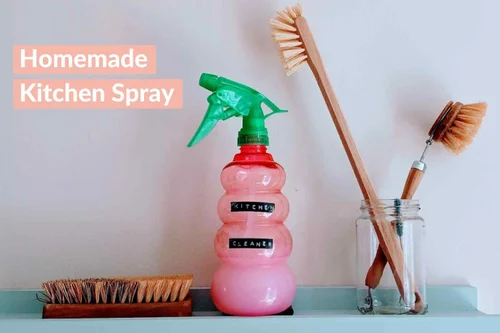
Clear labeling is a must for any homemade cleaner. Use waterproof labels or permanent markers to write the name, ingredients, and date made directly on the container.
Choose containers that seal tightly to prevent spills and evaporation. Glass bottles with spray tops or sturdy plastic jars work well, but avoid containers that might react with acidic ingredients like vinegar.
Have you ever grabbed the wrong bottle because it looked similar to another? Proper labels prevent mix-ups that could be dangerous or wasteful.
Shelf Life And Freshness
Homemade cleaners don’t last forever. Most natural cleaning solutions stay fresh for about one to two weeks. Beyond this, their effectiveness drops, and they might start to smell or develop mold.
Store your products in a cool, dark place to extend their shelf life. Heat and sunlight can break down the ingredients faster.
Keep track of when you made each batch and discard any product that looks cloudy or smells off. Would you use a cleaning spray that doesn’t smell right?
Precautions And Allergies
Natural doesn’t always mean safe for everyone. Some ingredients like essential oils or lemon juice can cause skin irritation or allergic reactions.
Test new products on a small skin patch before regular use, especially if you have sensitive skin or allergies. Wear gloves when handling concentrated mixtures to protect your hands.
Keep your cleaning products out of reach of children and pets to avoid accidental ingestion or contact. Have you thought about what could happen if a child finds your homemade spray?
Credit: www.sustainablylazy.com
Troubleshooting Common Issues
Troubleshooting common issues with homemade kitchen cleaning products can save you time and frustration. Sometimes your mixture doesn’t work as expected, leaving behind residue, streaks, or a scent that’s too strong or too faint. Understanding what causes these problems helps you tweak your recipe for better results.
Residue And Streaks
Residue and streaks often appear if the solution is too concentrated or not rinsed properly. If your cleaner contains vinegar or baking soda, make sure you dilute it well. Too much vinegar can leave a film that looks like streaks on glass or countertops.
Try wiping surfaces with a damp cloth after cleaning to remove leftover cleaner. Also, using a microfiber cloth instead of paper towels can reduce streaks because it absorbs moisture better. Are you using hard water? Mineral deposits from hard water can cause streaks, so consider using filtered water for your mixtures.
Ineffective Cleaning
Your cleaner might not work well if the ingredients don’t match the type of dirt or surface. For greasy spots, adding a little liquid castile soap improves cutting power. For mineral deposits, vinegar works great but may need more soaking time.
Check the ratio of ingredients—too much water dilutes effectiveness, too little might be too harsh. Test your product on a small hidden area first to see if it cleans well without damaging the surface. If you notice your cleaner isn’t lifting grime, could it be the wrong kind of cleaner for that mess?
Scent Adjustments
Some homemade cleaners smell too strong or not pleasant enough. Essential oils are a popular way to add fragrance, but adding too many drops can be overpowering. Start with just a few drops and increase gradually until you find your ideal scent level.
Consider mixing different essential oils for a balanced aroma, like lemon with lavender or eucalyptus with peppermint. Remember, some oils can be irritating to sensitive noses, so test the scent in a well-ventilated area. What scents make your kitchen feel fresh and inviting without being overwhelming?

Credit: www.thechowtrain.com
Frequently Asked Questions
What Ingredients Are Best For Homemade Kitchen Cleaners?
Common ingredients include vinegar, baking soda, lemon juice, and castile soap. These are natural, effective, and safe for various surfaces. They help remove grease, stains, and odors without harsh chemicals. Using these ingredients ensures an eco-friendly and budget-friendly cleaning solution.
How Do I Make An All-purpose Kitchen Cleaner?
Mix equal parts water and vinegar in a spray bottle. Add a few drops of essential oil for fragrance. Shake well before use. This solution cleans countertops, appliances, and sinks effectively without harmful chemicals.
Are Homemade Kitchen Cleaners Safe For Food Surfaces?
Yes, homemade cleaners with natural ingredients are generally safe for food prep areas. Avoid using harsh chemicals that may leave residues. Always rinse surfaces thoroughly after cleaning to ensure safety.
Can I Use Baking Soda For Kitchen Cleaning?
Absolutely. Baking soda is a gentle abrasive that removes stains and odors. It’s perfect for scrubbing sinks, countertops, and stovetops. Mix it with water or vinegar for enhanced cleaning power.
Conclusion
Making your own kitchen cleaning products saves money and reduces waste. You control the ingredients, keeping your home safe and clean. These simple recipes use common items found at home. They work well and are gentle on surfaces. Try different mixtures to find what suits your needs best.
Enjoy a fresh, clean kitchen with natural, homemade cleaners. Simple, effective, and better for the environment. Start today and see the difference yourself.