
Are your kitchen cabinets looking dull, sticky, or just plain dirty? Finding the best cleaning product to restore their shine can feel overwhelming.
You want something effective but gentle enough to protect your cabinets’ finish. You’ll discover simple, proven options that make cleaning easy and leave your kitchen looking fresh. Keep reading to find the perfect solution for your cabinets—you won’t believe how good they can look!
Credit: www.cabinetdoors.com
Types Of Kitchen Cabinet Materials
Understanding the material of your kitchen cabinets is key to choosing the best cleaning product. Each type reacts differently to cleaning agents, so knowing what you’re working with helps you protect your cabinets while keeping them spotless.
Wood Cabinets
Wood cabinets bring warmth and character to your kitchen, but they need gentle care. Harsh chemicals can strip the finish or cause discoloration. Opt for mild, wood-safe cleaners or a simple mix of dish soap and water.
Have you noticed how some wood cabinets lose their shine after a rough cleaning? That’s why a soft cloth and gentle wipes make all the difference. Avoid soaking them to prevent warping or swelling.
Laminate Cabinets
Laminate cabinets are popular for their durability and easy maintenance. They can handle stronger cleaners than wood, but abrasive scrubbing might cause scratches or dull spots. Use non-abrasive cleaners and a soft sponge for best results.
If you’ve ever struggled with sticky residue on laminate surfaces, a vinegar-water solution can work wonders. Just don’t leave it on too long to avoid damage.
Metal Cabinets
Metal cabinets offer a sleek, modern look but can show fingerprints and smudges easily. They’re usually resilient to various cleaners, but avoid anything acidic that can cause corrosion. A simple glass cleaner or mild soap solution works well.
Wondering how to keep your metal cabinets shiny without streaks? Use a microfiber cloth and wipe in the direction of the grain for a flawless finish.
Glass Cabinets
Glass cabinets need special attention to avoid streaks and smudges. Regular glass cleaner or a vinegar-water mix can keep them sparkling. Use a lint-free cloth and clean in circular motions to prevent streaks.
Have you ever cleaned glass cabinets only to find spots left behind? Drying immediately after cleaning prevents watermarks and keeps your cabinets looking their best.
Credit: getfinaltouch.com
Common Kitchen Cabinet Stains
Kitchen cabinets face many types of stains every day. These stains come from cooking, spills, and moisture. Understanding common stains helps in choosing the best cleaning product. Each stain needs a different cleaning approach to remove it effectively.
Grease And Oil
Grease and oil stains come from cooking oils and food splashes. They leave a sticky, shiny film on cabinet surfaces. These stains attract dust and dirt, making cabinets look dull. Strong degreasers or natural solutions like vinegar work well to cut through grease.
Water Spots
Water spots appear from splashes or steam near sinks. They look like white or cloudy marks on wood or painted cabinets. If left too long, water spots can damage the finish. Mild cleaners and soft cloths help remove these spots gently.
Food Residue
Food residue includes crumbs, sauces, and sticky drips. These stains can attract pests and cause odors. Wiping cabinets regularly prevents buildup. Warm, soapy water usually removes most food stains effectively.
Mold And Mildew
Mold and mildew grow in damp, dark kitchen corners. They appear as black or green spots on cabinets. Mold can cause health problems and damage wood. Anti-fungal cleaners or diluted bleach solutions stop mold growth quickly and safely.
Popular Cleaning Products
Kitchen cabinets can collect grease, dirt, and food particles. Choosing the right cleaning product is crucial. With many products available, understanding their benefits helps in making the best choice.
All-purpose Cleaners
All-purpose cleaners are versatile. They clean different surfaces effectively. These products are convenient for quick clean-ups. They usually contain gentle chemicals. This makes them safe for regular use. Always check labels for ingredients. Some may not suit wooden cabinets.
Natural Cleaners
Natural cleaners are eco-friendly. They use ingredients like vinegar or lemon. These cleaners are ideal for sensitive skin. They often have fewer chemicals. This makes them suitable for homes with children. Their pleasant scents add freshness.
Degreasers
Degreasers tackle tough grease and oil stains. They are powerful cleaners. Perfect for kitchen cabinets near stoves. Degreasers break down stubborn residue. They ensure a shiny and clean surface. Always follow instructions for best results.
Disinfectants
Disinfectants kill germs and bacteria. They are essential for a hygienic kitchen. These products ensure safety from harmful pathogens. Choose disinfectants with safe ingredients. This prevents damage to cabinet finishes. Use them regularly for a healthy kitchen environment.
Homemade Cleaning Solutions
Homemade cleaning solutions offer a natural and safe way to clean kitchen cabinets. They use common household ingredients that are gentle yet effective. These solutions avoid harsh chemicals and keep your cabinets looking fresh. Plus, they are affordable and easy to prepare. Using homemade cleaners helps maintain the wood or finish without damage.
Vinegar And Water Mix
Mix equal parts of white vinegar and water in a spray bottle. Spray on cabinets and wipe with a soft cloth. Vinegar cuts grease and removes dirt well. Avoid using on unsealed wood to prevent damage. This mix works great for routine cleaning and shine.
Baking Soda Paste
Combine baking soda with a small amount of water to form a paste. Apply the paste to stained or sticky areas. Let it sit for a few minutes, then gently scrub with a soft brush or cloth. Baking soda removes tough grime without scratching surfaces. Wipe clean with a damp cloth afterward.
Lemon Juice Cleanser
Use fresh lemon juice or lemon juice mixed with water. Apply to cabinets using a cloth or sponge. The natural acidity cuts through grease and leaves a fresh scent. Lemon juice also helps brighten wood surfaces. Test on a small area first to ensure no discoloration occurs.
Essential Oils Additions
Add a few drops of essential oils to homemade cleaners for extra benefits. Oils like tea tree, lavender, or eucalyptus provide antibacterial properties and pleasant smells. Mix oils with vinegar-water or baking soda paste before use. Essential oils also help mask strong vinegar odors.
Choosing The Right Cleaner For Your Cabinet Type
Choosing the right cleaner for your kitchen cabinets helps keep them looking fresh and lasting longer. Different cabinet materials need different care. Using the wrong cleaner can damage the surface or fade the finish. Knowing your cabinet type guides you to the best product. It also makes cleaning easier and more effective.
Best Cleaners For Wood
Wood cabinets require gentle cleaning to avoid stripping their natural shine. Use mild soap mixed with warm water for regular cleaning. Avoid harsh chemicals and abrasive scrubbers that can scratch the wood. Wood polish or conditioner helps maintain moisture and protect the finish. Always test cleaners on a small hidden area first.
Safe Options For Laminate
Laminate cabinets are durable but can dull with strong cleaners. Choose a gentle dish soap mixed with water for daily cleaning. Avoid bleach or ammonia-based products that may cause discoloration. A soft cloth or sponge works best to prevent scratches. For tough stains, use a paste of baking soda and water.
Effective Products For Metal
Metal cabinets need products that remove fingerprints and grease without scratching. Use a non-abrasive cleaner or a mix of vinegar and water. Dry the surface quickly to prevent water spots. Avoid steel wool or harsh scrubbing pads. Polishing with a microfiber cloth restores shine and repels dust.
Cleaning Glass Cabinets
Glass cabinet doors look great but show smudges easily. Use a glass cleaner or a solution of vinegar and water for a streak-free shine. Wipe with a lint-free cloth or paper towel. Clean both inside and outside regularly to keep glass sparkling. Avoid abrasive cleaners that can scratch the glass surface.
Tools And Techniques For Cabinet Cleaning
Cleaning kitchen cabinets effectively depends not only on the right cleaning product but also on the tools and techniques you use. Choosing suitable tools can protect your cabinet surfaces while ensuring thorough cleaning. Let’s look at some essential tools and how you can use them to keep your cabinets spotless.
Soft Cloths And Sponges
Soft cloths and sponges are your best friends when cleaning kitchen cabinets. They gently remove dirt without scratching delicate finishes. Microfiber cloths, in particular, trap dust and grease, making your cabinets shine without harsh chemicals.
Have you noticed that using a rough cloth can leave streaks or even damage the wood? Switching to a soft cloth can make a huge difference in the outcome.
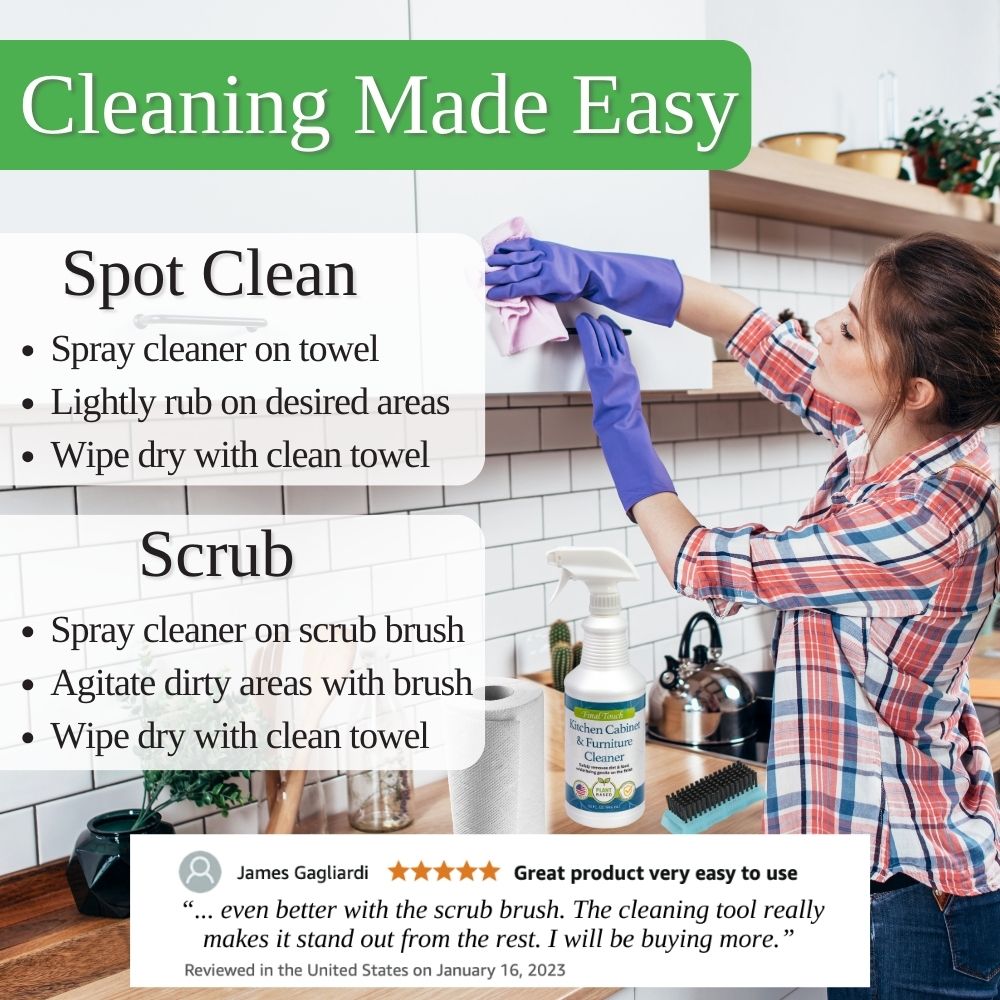
Scrub Brushes
Scrub brushes come in handy for stubborn grime or textured cabinet surfaces. Choose brushes with soft to medium bristles to avoid scratching. Small detail brushes help you reach corners and grooves where dirt hides.
Using a brush allows you to apply just the right amount of pressure to lift dirt without damaging the finish. Do you have tricky spots that a cloth just can’t handle? A brush might be the answer.
Spray Bottles
Spray bottles make applying your cleaning solution easier and more controlled. Fill them with water and your chosen cleaner for even coverage without soaking the wood. This prevents excess moisture, which can warp or damage cabinets.
Try misting the cabinet surface lightly before wiping rather than pouring cleaner directly. This technique helps avoid drips and keeps the wood safe.
Drying And Polishing Tips
After cleaning, drying your cabinets thoroughly is crucial to prevent water damage. Use a dry, soft cloth to wipe away any moisture immediately. Buffing with a clean microfiber cloth can restore the natural shine.
Polishing your cabinets occasionally with a wood-safe polish helps maintain their finish and protects against future dirt buildup. Have you tried drying and polishing right after cleaning? It can extend the life of your cabinets significantly.
Avoiding Damage While Cleaning
Cleaning kitchen cabinets needs care to avoid damage. Cabinets face spills, grease, and dirt daily. Using the wrong cleaner or cleaning too often can harm the finish. Protecting the surface keeps cabinets looking new and lasting longer. Follow gentle cleaning steps and choose safe products.
Harsh Chemicals To Skip
Avoid cleaners with bleach, ammonia, or strong acids. These chemicals strip paint and damage wood. They also wear down protective coatings. Stay away from abrasive powders and scrubbing pads. These scratch and dull the cabinet surface.
- Bleach-based cleaners
- Ammonia solutions
- Strong acids like vinegar or lemon juice in high concentration
- Abrasive scrubbers or steel wool
Proper Cleaning Frequency
Clean cabinets regularly but not too often. Wipe spills quickly to prevent stains. Dust and grease buildup should be cleaned weekly. Over-cleaning can dry out wood and damage finishes. Use a soft cloth and mild soap for routine cleaning.
Protective Finishes And Sealants
Many cabinets have a protective finish to guard against moisture and stains. This layer helps keep the wood safe during cleaning. Use cleaners that support this finish rather than harm it. Consider applying a sealant or polish yearly to maintain protection. This extra step keeps cabinets smooth and shiny.
Maintaining Clean Kitchen Cabinets
Maintaining clean kitchen cabinets keeps your kitchen fresh and inviting. Regular care protects the cabinet surfaces and extends their life. Simple habits and routine cleaning make a big difference.
Daily Wiping Habits
Wipe cabinets daily with a soft, damp cloth. This removes dust, grease, and food splatters quickly. Avoid harsh chemicals that can damage finishes. Use mild soap mixed with water for gentle cleaning. Dry cabinets with a clean cloth to prevent water spots.
Monthly Deep Cleaning
Deep clean cabinets once a month to remove stubborn dirt. Use a non-abrasive cleaner made for kitchen surfaces. Apply cleaner with a soft sponge or cloth. Pay attention to corners and handles where grime builds up. Rinse with a damp cloth and dry thoroughly.
Preventing Future Stains
Prevent stains by avoiding spills and splatters near cabinets. Wipe any spills immediately to stop stains from setting. Use cabinet liners to protect shelves inside. Keep cooking oils and sauces away from cabinet doors. Regularly check and clean cabinet hardware to prevent buildup.
Credit: www.tiktok.com
Frequently Asked Questions
What Is The Safest Cleaning Product For Kitchen Cabinets?
The safest cleaning products are mild dish soap and warm water. They effectively remove dirt without damaging cabinet finishes. Avoid harsh chemicals to prevent discoloration and surface damage. Always test any cleaner on a small area first.
Can Vinegar Clean Kitchen Cabinets Effectively?
Yes, vinegar is a natural and effective cleaner. It removes grease, grime, and bacteria safely. Mix equal parts vinegar and water for best results. Avoid using vinegar on stone or waxed cabinets as it may cause damage.
How Often Should Kitchen Cabinets Be Cleaned?
Clean kitchen cabinets weekly to prevent buildup of grease and dirt. Wipe spills immediately to avoid stains. Regular cleaning maintains appearance and prolongs cabinet life. Use gentle cleaners for routine maintenance.
Are Commercial Cabinet Cleaners Better Than Homemade Solutions?
Commercial cleaners can be effective but may contain harsh chemicals. Homemade solutions like dish soap or vinegar are safer and eco-friendly. Choose based on cabinet material and cleaning needs. Always follow product instructions.
Conclusion
Choosing the best cleaning product makes kitchen cabinet care easy. Mild cleaners with natural ingredients work well for most cabinets. Avoid harsh chemicals that can damage finishes or wood. Test any product on a small area first. Regular cleaning keeps cabinets looking fresh and new.
Clean cabinets brighten your kitchen and improve your home’s feel. Simple steps and the right cleaner save time and effort. Keep your kitchen neat with safe, effective products. Your cabinets will thank you with lasting shine and protection.