
When it comes to storing your food, safety should be your top priority. But with so many plastic containers on the market, how do you know which ones are truly safe for your meals?
You might be surprised to learn that some plastics can leak harmful chemicals into your food, especially when heated. Choosing the right container can protect your health and keep your food fresh longer. You’ll discover the simple tips and key facts you need to pick safe plastic containers confidently.
Keep reading to make the best choice for you and your family’s well-being.
:max_bytes(150000):strip_icc()/faw-bentgo-20-piece-lightweight-durable-reusable-bpa-free-1-compartment-containers-melisa-binder-09-ebe5cbb821504c82aef0b157421ce084.jpeg)
Credit: www.foodandwine.com
Types Of Food-safe Plastics
Choosing the right plastic container for food storage protects your health and keeps food fresh. Not all plastics are safe for storing food. Some plastics can release harmful chemicals over time, especially with heat or acidic foods.
Food-safe plastics are made to avoid these risks. They meet safety standards and do not leach toxins. Here are common types of plastics that are safe for food storage.
Polyethylene Terephthalate (pet)
PET is a clear, strong plastic often used for water bottles and food containers. It is lightweight and resistant to moisture. PET does not react with food or drinks. This plastic is recyclable and safe for single use.
High-density Polyethylene (hdpe)
HDPE is a sturdy plastic found in milk jugs and cereal boxes. It resists impact and chemicals. HDPE does not absorb water or odors. It is safe for cold and warm foods but not for high heat.
Low-density Polyethylene (ldpe)
LDPE is softer and more flexible than HDPE. It is used for squeeze bottles and plastic bags. LDPE is resistant to moisture and chemicals. It is safe for food contact but not for hot liquids or microwave use.
Polypropylene (pp)
PP is a tough, heat-resistant plastic. It is common in yogurt containers and reusable food boxes. PP can handle high temperatures without melting or warping. It is safe for microwave use and dishwasher cleaning.
Polycarbonate And Bpa Concerns
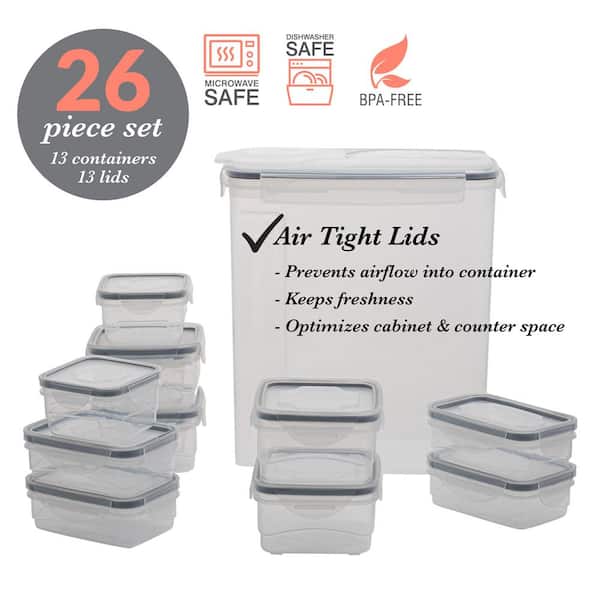
Polycarbonate plastics are clear and strong. They often contain BPA, a chemical linked to health risks. Many manufacturers now offer BPA-free polycarbonate alternatives. Avoid plastics marked with recycling code 7 unless labeled BPA-free.
Credit: www.homedepot.com
Plastic Recycling Codes And Safety
Understanding plastic recycling codes is key to choosing safe containers for your food. These codes, often found on the bottom of plastic products, tell you what type of plastic the container is made from. Knowing which codes are safe can protect your health and keep your food fresh.
Identifying Recycling Symbols
Look for a small triangle with a number inside it on your plastic containers. This number ranges from 1 to 7 and helps you identify the type of plastic used.
Each number corresponds to a specific plastic resin, like PET, HDPE, or PVC. Recognizing these symbols is your first step in selecting containers that won’t leach harmful chemicals into your food.
Safe Codes For Food Storage
Some plastics are better for food storage because they are less likely to break down or release toxins. Plastics marked with codes 1 (PET or PETE)and 2 (HDPE)are generally safe and widely used for food and beverage containers.
Code 4 (LDPE)and 5 (PP)are also good choices for food storage since they resist moisture and chemicals well. These plastics don’t easily warp or degrade, making them reliable for your leftovers or meal prep.
Codes To Avoid
Be cautious with plastics labeled 3 (PVC), 6 (PS), and 7 (Other). These often contain harmful chemicals like phthalates or BPA that can seep into your food, especially when heated.
Plastic code 7 is a mixed category, so always check if the container is labeled BPA-free. If not, it’s safer to skip these for food storage.
Health Risks From Unsafe Plastics
Plastic containers are a staple in most kitchens, but not all are created equal. Some types can pose serious health risks if used for storing food. Understanding these risks is crucial for safeguarding your well-being and that of your loved ones.
Chemical Leaching
When plastics come in contact with food, especially hot or acidic foods, chemicals can leach from the container into the food. This is particularly concerning with plastics containing BPA or phthalates. Ever noticed a strange taste or smell after storing leftovers? That could be a sign of chemical leaching.
Choosing BPA-free plastics or glass can significantly reduce this risk. Always check the recycling code; numbers 3, 6, and 7 are more likely to leach chemicals.
Endocrine Disruptors
Some plastics release substances that can interfere with your body’s hormonal functions. These endocrine disruptors can mimic or block hormones, leading to potential health issues. Have you ever wondered why certain health problems are on the rise? Your food storage choices might be a hidden factor.
Opt for containers labeled as free from harmful chemicals. This simple switch can help maintain your hormonal balance and protect your health in the long run.
Long-term Exposure Effects
Consistent exposure to unsafe plastics can have cumulative effects on health. Over time, the toxins released can contribute to chronic health issues like cancer and reproductive problems. Does your plastic container collection need a safety check?
Regularly audit your kitchen storage solutions. Replacing old, scratched, or questionable plastic containers with safer alternatives can be a proactive step in reducing long-term health risks.
By being mindful of the plastics you use, you can create a safer environment for yourself and your family. Choose wisely, and enjoy peace of mind with every meal you store.
Choosing The Right Plastic Container
Choosing the right plastic container for food storage is more than just picking a colorful box from the shelf. It involves understanding how different plastics behave under various conditions and how they interact with your food. Making an informed choice can keep your meals fresh, safe, and tasty for longer.
Microwave And Freezer Safety
Not all plastic containers are built to handle the heat of a microwave or the cold of a freezer. Look for containers labeled as microwave-safe to avoid harmful chemicals leaching into your food when heated. Freezer-safe containers prevent cracking and protect your food from freezer burn.
Have you ever reheated food only to find the container warped or melted? That’s a clear sign you need to check the safety symbols before microwaving. Similarly, containers not meant for freezing may become brittle and break, risking food contamination.
Durability And Reusability
Durability is key if you plan to reuse your containers frequently. Thick, high-quality plastics like polypropylene (PP) tend to last longer and resist scratches that harbor bacteria. Thin, flimsy containers may save money upfront but often crack or stain quickly.
Think about how often you use your containers. Are you storing leftovers daily or packing lunches weekly? Investing in reusable containers cuts down on waste and saves you money over time.
Seal And Lid Quality
A tight seal is essential to keep food fresh and prevent spills. Containers with silicone gaskets or snap-lock lids usually provide a better airtight seal than simple snap-on lids. This can make a big difference if you’re storing soups, sauces, or anything with strong odors.
Have you noticed condensation or leaks in your lunch bag? That often means the container’s lid isn’t doing its job. Choosing containers with reliable seals not only protects your food but also keeps your bag clean and odor-free.
Alternatives To Plastic Containers
Choosing alternatives to plastic containers can improve your food’s safety and taste. Many options offer durability, ease of cleaning, and no harmful chemicals. You might be surprised at how simple it is to switch and enjoy fresh, chemical-free storage.
Glass Containers
Glass containers are a top choice for safe food storage. They don’t absorb odors or stains, so your food tastes just as it should. Plus, glass is easy to clean and can go from fridge to microwave without worry.
I switched to glass jars for storing leftovers and noticed my meals stayed fresher longer. If you’re concerned about breakage, look for tempered glass options that are more durable. Clear glass also helps you see what’s inside without opening it.
Stainless Steel Options
Stainless steel containers offer a strong alternative that’s lightweight and long-lasting. They don’t leach chemicals, making them safe for hot or cold foods. Many come with airtight lids to keep your meals fresh during transport.
One thing to remember: stainless steel isn’t microwave-safe, so plan accordingly. They work great for packing lunches or storing dry foods like nuts and grains. You’ll appreciate the sleek look and easy cleanup after a busy day.
Silicone Storage Solutions
Silicone containers are flexible, lightweight, and safe for food storage. They can handle temperature changes well, making them perfect for freezing and reheating. Plus, silicone is easy to clean and folds flat to save space.
I found silicone bags especially handy for snacks and small portions. They seal tightly and avoid spills, which is a win for busy households. Have you tried silicone for your food storage yet? It might be the change you didn’t know you needed.
Credit: kitchendance.com
Best Practices For Plastic Food Storage
Proper care of plastic containers keeps food safe and fresh longer. Following best practices helps avoid contamination and damage. Simple habits protect your health and extend container life.
Cleaning And Maintenance
Wash containers after each use with warm soapy water. Avoid harsh scrubbers that can scratch surfaces. Scratches can trap bacteria and make cleaning harder.
Use a soft cloth or sponge to clean gently. Rinse containers well to remove soap residue. Let them air dry completely before storing.
Avoiding Heat Exposure
Plastic containers can release harmful chemicals if heated too much. Do not microwave containers not labeled microwave-safe. Avoid putting plastic in the oven or on stovetops.
Store food in the fridge or freezer instead of heating in plastic. Use glass or ceramic dishes for cooking or reheating food.
Replacing Old Containers
Plastic containers show wear over time. Cracks, cloudiness, or warping are signs to replace them. Old plastics may leach chemicals into food.
Check containers regularly. Discard any with visible damage or strong odors. Use BPA-free containers for safer food storage.
Frequently Asked Questions
Which Plastics Are Safest For Food Storage?
Plastics labeled 1 (PET), 2 (HDPE), 4 (LDPE), and 5 (PP) are safest for food. They resist chemicals and don’t leach harmful substances. Always check for food-safe symbols on containers before use to ensure safety.
Can Plastic Containers Leach Harmful Chemicals?
Yes, some plastics can release harmful chemicals when heated or scratched. Avoid containers with BPA or PVC, especially for hot foods. Use containers labeled BPA-free and designed for food use to minimize health risks.
How To Identify Food-safe Plastic Containers?
Look for recycling codes 1, 2, 4, or 5 on the container’s bottom. Also, check for labels like “food safe” or microwave-safe symbols. These indicators confirm the container is suitable for storing food safely.
Are Plastic Containers Reusable For Food Storage?
Yes, many plastic containers can be reused if they are food-grade and intact. Avoid reusing single-use plastics as they may degrade and harbor bacteria. Clean containers thoroughly to maintain food safety.
Conclusion
Choosing safe plastic containers helps keep food fresh and healthy. Look for containers labeled BPA-free or made from food-grade plastic. Avoid plastics with recycling codes 3, 6, and 7 unless marked safe. Clean containers gently to prevent damage and chemical leaks.
Store food properly and replace old or scratched containers. Safe storage protects your family from harmful chemicals. Simple steps make a big difference in food safety. Trust your choices and enjoy peace of mind with every meal.