
Are you tired of digging through cluttered pantry shelves, struggling to find what you need? Choosing the right size food storage containers can make a huge difference in keeping your pantry organized and your food fresh.
But how do you know which sizes work best for your favorite pantry items? You’ll discover simple tips to pick the perfect containers that fit your space and lifestyle. Get ready to transform your pantry into a neat, easy-to-navigate space where everything has its place.
Keep reading to unlock the secrets of smart food storage!
Choosing Containers By Pantry Item
Choosing the right size food storage containers depends on what pantry items you want to store. Different foods need different container sizes to stay fresh and organized. Using the correct container size helps reduce waste and saves space.
Smaller containers work well for items used in small amounts. Larger containers fit bulk items and keep them sealed tightly. Let’s explore the best container sizes for common pantry items.
Dry Grains And Rice
Use large airtight containers for dry grains and rice. These items often come in bulk and need space to prevent moisture. Choose containers with a capacity of 2 to 4 liters to hold a good supply.
Flour And Baking Supplies
Flour and baking supplies need containers that keep moisture out. Medium to large containers, around 2 to 3 liters, work best. Label each container clearly to avoid mix-ups.
Pasta And Noodles
Pasta and noodles fit well in tall, narrow containers. Choose sizes between 1.5 and 3 liters. This shape saves space and keeps pasta fresh and easy to grab.
Legumes And Beans
Legumes and beans require airtight containers around 1.5 to 3 liters. These sizes hold enough to prevent frequent refills. Clear containers help you see when it’s time to restock.
Nuts And Seeds
Small to medium containers, about 0.5 to 1.5 liters, suit nuts and seeds. These items are used in smaller quantities and need protection from air and moisture.
Snacks And Chips
Snacks and chips need containers that keep them crunchy. Use medium containers, 1 to 2 liters. Wide openings make it easy to reach inside.
Cereals And Breakfast Foods
Cereals require large containers, usually 2 to 4 liters. This size holds enough for several servings. Choose containers with secure lids to keep freshness.
Spices And Herbs
Small containers under 0.5 liters are best for spices and herbs. These items are used in tiny amounts and need airtight lids to keep flavor.
:max_bytes(150000):strip_icc()/faw-rubbermaid-brilliance-bpa-free-22-piece-food-storage-containers-set-livia-hughes-19-e3d3cfffc5e24b3aa9f14421686c10e9-badge-ab5c3c9c16a144d8bc10b7982d78bdf6.jpg)
Credit: www.foodandwine.com
Container Sizes For Different Quantities
Choosing the right container size for your pantry items can save space and keep your kitchen organized. Different quantities of food require different container sizes to stay fresh and accessible. Let’s break down the best container sizes to match the amount of food you store daily.
Small Containers For Spices
Spices are usually stored in small amounts, so compact containers work best. Containers that hold between 2 to 4 ounces are perfect for keeping your spices fresh and easy to find. Clear glass jars with airtight lids help you quickly identify your spices without opening each container.
I once switched to uniform small containers for my spices, and it cut down my search time drastically. Plus, the airtight seals kept flavors stronger for longer, which made cooking more enjoyable.
Medium Containers For Everyday Use
For staples like rice, pasta, or flour that you use regularly, medium-sized containers are ideal. Containers with capacities between 1 to 3 quarts fit well on pantry shelves and allow easy scooping or pouring. These sizes help you keep enough quantity without overcrowding your storage space.
Consider containers with wide openings and measurement markings. These features make it easier to grab exactly what you need, reducing waste and mess.
Large Containers For Bulk Storage
If you buy in bulk to save money or reduce shopping frequency, large containers are essential. Sizes from 4 quarts up to several gallons handle large quantities of grains, flour, or dried beans. These containers should be sturdy and stackable to maximize pantry space.
Think about your usage rate. If you store 10 pounds of flour, a large container with a secure lid will keep it fresh and prevent pests. You might even want containers with handles or wheels for easier moving.
Material Choices And Their Impact
Choosing the right material for food storage containers is crucial. It impacts the freshness and longevity of pantry items. Some materials offer better protection against moisture and pests. Others provide convenience in terms of cleaning and stacking.
Glass Vs Plastic Containers
Glass containers are sturdy and free from harmful chemicals. They are ideal for storing grains, pasta, and spices. Glass is also resistant to odors and stains. It keeps your pantry items fresh for longer periods.
Plastic containers are lightweight and often less expensive. They come in various shapes and sizes, making them versatile. However, not all plastic containers are BPA-free. Ensure you choose BPA-free options for safety.
Airtight Seal Importance
An airtight seal is vital for preserving food quality. It prevents air and moisture from entering the container. This seal keeps your dry goods crisp and fresh. Airtight lids also protect against pantry pests.
Choose containers with secure locking mechanisms. Test the seal before purchasing to ensure effectiveness. A good seal extends the shelf life of your pantry items.
Stackable And Space-saving Designs
Stackable containers save valuable pantry space. They allow efficient organization and easy access. Look for containers designed to nest when not in use. This feature maximizes storage capacity.
Transparent containers help identify contents quickly. Labeling also aids in maintaining order. Opt for uniform sizes for a neat and tidy appearance.
Measuring Pantry Items For Container Fit
Choosing the right size food storage containers starts with measuring pantry items accurately. This step helps prevent wasted space and keeps food fresh longer. Understanding how much space your items take allows you to pick containers that fit perfectly.
Estimating Volume Needs
Begin by estimating the volume of pantry items. Use measuring cups for dry goods like flour, sugar, or rice. For irregular shapes, transfer items into a container with known volume. Write down the amount to guide your container choice.
Think about how often you buy or use each item. Large quantities may need bigger containers, while small amounts fit better in compact ones. Keep a margin for growth if you plan to buy in bulk later.
Common Container Capacities
Food storage containers come in many sizes. Common capacities include:
- 250 ml (small for spices or nuts)
- 500 ml (ideal for snacks or baking ingredients)
- 1 liter (perfect for grains and pasta)
- 2 liters or more (great for bulk items like flour or sugar)
Choose containers that match your estimated volume. Avoid containers that are too large or too small to keep pantry neat and organized.
Adjusting For Frequent Use
Items you use every day need containers that are easy to open and close quickly. Smaller containers work better for daily use. Large containers suit items you use less often.
Consider containers with wide openings for frequent scooping. Stackable designs save space and keep your pantry tidy. Adjust container size to your usage habits to maintain convenience.
Organizing Tips For Efficient Storage
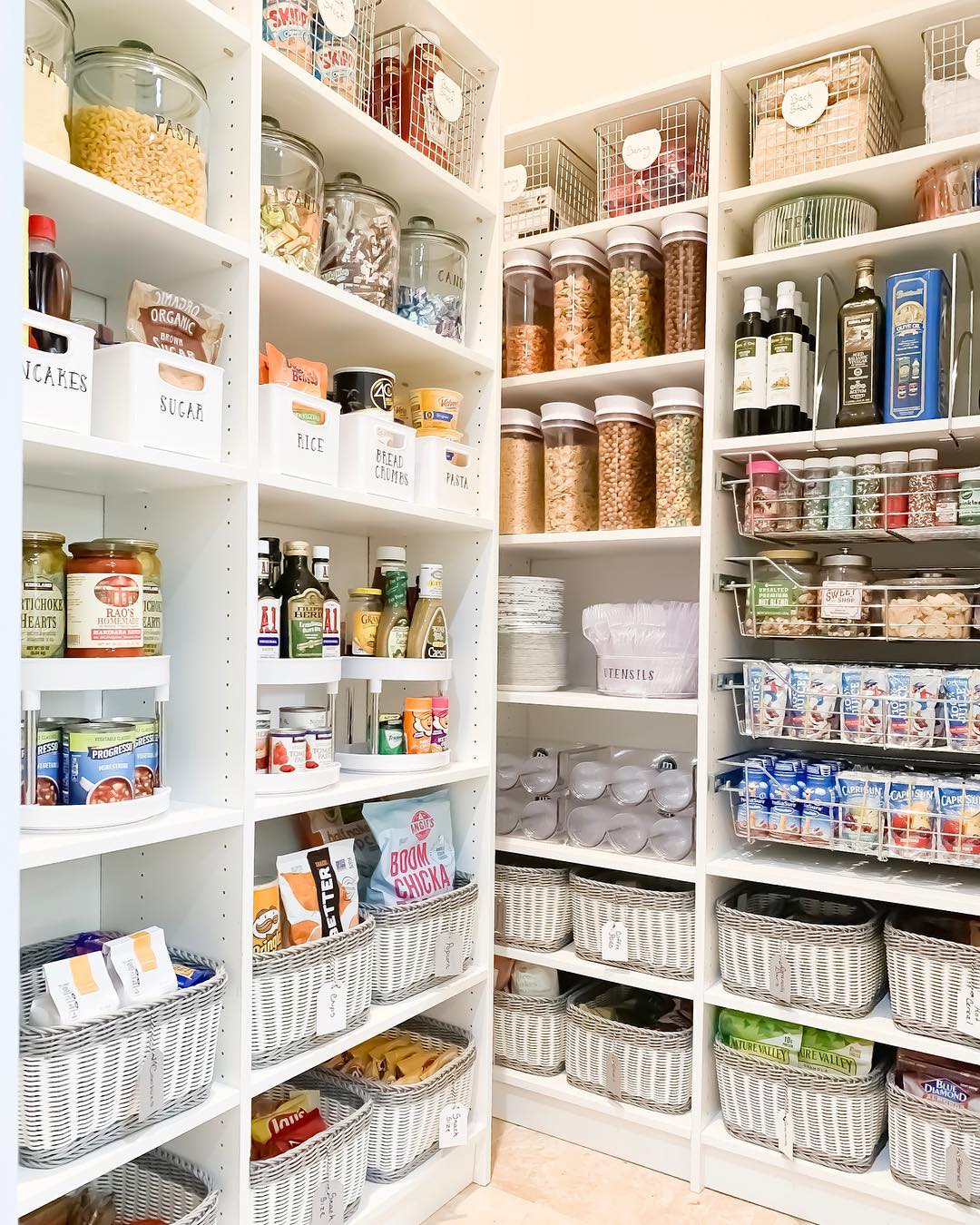
Organizing your pantry efficiently depends greatly on how you store your food items. Choosing the right container sizes is just the beginning. The way you arrange, label, and group your containers can save you time and reduce waste.
Labeling And Visibility
Clear labeling is key to quick access. Use waterproof labels with large, easy-to-read fonts. Consider including expiration dates to keep track of freshness.
Transparent containers help you see what’s inside without opening them. This simple change stopped me from buying duplicates and saved money.
Grouping Similar Items
Keep like items together to find what you need faster. For example, place all baking ingredients such as flour, sugar, and baking powder in one section.
Grouping snacks separately from grains or cereals can make your pantry less chaotic. Ask yourself: which items do you often grab together? That’s a good clue for grouping.
Maximizing Shelf Space
Stackable containers make the most of vertical space. Look for containers with uniform shapes and sizes for easier stacking.
Use shelf risers or adjustable shelves to create more levels. This approach helped me turn a cramped shelf into a neat, accessible storage zone.
Don’t forget to leave a little space between containers for airflow, especially for items like coffee or spices.
Credit: www.extraspace.com
:max_bytes(150000):strip_icc()/faw-bentgo-20-piece-lightweight-durable-reusable-bpa-free-1-compartment-containers-melisa-binder-16-9ffb1565aea041b0b52f7a5c972e3f6c.jpeg)
Credit: www.foodandwine.com
Frequently Asked Questions
What Size Containers Are Best For Dry Pantry Items?
Medium-sized containers (2-4 cups) are ideal for dry pantry items. They keep ingredients fresh and fit well on shelves. Choose sizes based on the quantity you use regularly to avoid waste and save space.
How To Choose Container Size For Bulk Pantry Goods?
For bulk items, use large containers (8-12 cups). They store more and reduce refilling frequency. Ensure the container fits your pantry space and has an airtight seal to maintain freshness.
Which Container Sizes Suit Snacks And Small Pantry Items?
Small containers (1-2 cups) work best for snacks and small items. They prevent stale food and allow easy portion control. Labeling helps quickly identify contents.
Can Container Size Affect Pantry Organization?
Yes, choosing uniform container sizes optimizes pantry space. It creates a neat, organized look and improves accessibility. Stackable containers maximize vertical space and reduce clutter.
Conclusion
Choosing the right size food storage containers keeps your pantry neat and fresh. Small containers work well for spices and snacks. Medium sizes fit grains and beans perfectly. Large containers hold flour, sugar, or pasta easily. Clear containers help you see contents quickly.
Stackable containers save space and create order. Using proper sizes reduces waste and clutter. Simple changes make your kitchen more efficient every day. Try different sizes to find what suits your needs best. Your pantry will look tidy and stay organized longer.