
When it comes to cleaning the inside of your windshield, not all microfiber cloths are created equal. You want a cloth that won’t leave streaks, scratches, or lint behind.
Choosing the right microfiber cloth can make your cleaning easier and give you a crystal-clear view every time you drive. You’ll discover exactly what kind of microfiber cloth works best for your windshield’s interior. Keep reading to learn the simple secrets that will transform your cleaning routine and keep your car looking spotless.
Credit: www.walmart.com
Types Of Microfiber Cloths
Choosing the right microfiber cloth for cleaning your inside windshield can make a big difference. Not all microfiber cloths are created equal, and understanding the types can help you pick one that leaves your glass spotless without streaks or scratches. Let’s break down the main types based on their weave, pile length, and fiber density.
Weave Patterns
The weave pattern of a microfiber cloth affects how well it traps dust and dirt. Common patterns include terry, waffle, and suede weaves.
- Terry weavehas loops that hold more dirt and are great for heavy cleaning.
- Waffle weaveoffers excellent absorbency and dries quickly, making it perfect for glass surfaces.
- Suede weaveis smooth and gentle, reducing the risk of scratching delicate surfaces like windshields.
Think about how you like to clean—do you prefer a cloth that scrubs harder or one that glides smoothly? This choice influences the weave pattern that suits you best.
Pile Lengths
Pile length refers to the length of the fibers on the cloth’s surface. Short and long piles serve different purposes when cleaning glass inside your car.
- Short pilemicrofiber is dense and perfect for polishing and buffing glass to a streak-free finish.
- Long pilefibers can reach into crevices and lift away stubborn grime but may leave more lint behind.
For your inside windshield, short pile microfiber cloths usually deliver the cleanest result without leaving fuzz or streaks.
Fiber Density
Fiber density measures how tightly packed the fibers are in the cloth. Higher density means better cleaning power.
- High-density microfiber
- Low-density microfiber
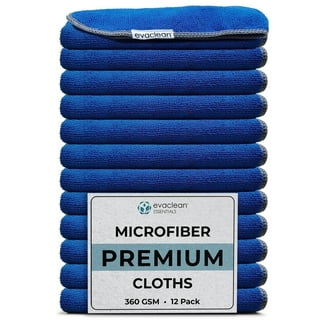
Have you noticed how some cloths pick up dust instantly while others just smear it around? That’s usually because of fiber density. Opt for cloths with a density above 200 GSM (grams per square meter) for windshield cleaning.
Credit: www.walmart.com
Ideal Material Characteristics
Choosing the right microfiber cloth for cleaning the inside windshield is important. The material must have specific qualities to clean well without causing damage. The ideal cloth should be gentle yet effective, able to absorb moisture and dirt, and not leave any residue behind. These characteristics help keep the glass clear and streak-free.
Softness And Texture
The cloth should be very soft to avoid scratching the glass. A smooth texture helps remove dirt without rubbing harshly. Look for tightly woven fibers that feel gentle on the skin. Rough or coarse cloths can damage the windshield’s surface over time.
Absorbency
Good absorbency is key to cleaning glass inside the car. The cloth must soak up moisture, grease, and dirt easily. This helps prevent streaks and spots on the glass. Microfiber with a high absorption rate works best for wiping away fog and smudges quickly.
Lint-free Properties
The cloth must not leave lint or fibers behind. Lint on the windshield reduces visibility and makes cleaning harder. Choose microfiber cloths designed to be lint-free to ensure a clear, spotless finish. This quality is crucial for maintaining a clean and safe windshield.
Size And Shape Considerations
Choosing the right microfiber cloth for cleaning the inside of your windshield can make a significant difference in the ease and effectiveness of your cleaning routine. The size and shape of the cloth are crucial factors that affect how well you can maneuver and clean different areas of your windshield. Understanding these considerations can help you select the ideal cloth for a streak-free finish.
Small Vs. Large Cloths
Small cloths are perfect for reaching tricky spots where the windshield meets the dashboard. They offer better control and precision, especially when dealing with corners and edges. However, larger cloths cover more surface area, reducing the time you spend on cleaning.
Imagine using a large cloth to swipe across the windshield effortlessly; it’s convenient but might lack the precision needed for smaller areas. Conversely, a small cloth might require more effort but provides a detailed clean.
Rectangular Vs. Square
The shape of your microfiber cloth affects how you can fold and handle it. Rectangular cloths are ideal for folding into smaller sections, giving you multiple clean surfaces as you work. This shape is particularly useful if you want to avoid constant rinsing.
Square cloths, on the other hand, offer a balanced grip and are easier to manage for general cleaning tasks. Consider how you prefer to hold and manipulate the cloth when choosing between these shapes.
Edge Finishing
Often overlooked, the edges of your microfiber cloth can impact your cleaning results. Well-finished edges prevent fraying and ensure the cloth maintains its shape over time. They can also reduce the risk of scratches on your windshield.
Think about how frustrating it is to find threads stuck to the glass after cleaning. A cloth with properly finished edges eliminates this problem, providing a cleaner experience. How important is durability to you in a cleaning cloth?
Cleaning Techniques For Windshields
Cleaning the inside windshield requires the right techniques to get clear, streak-free glass. Using the proper microfiber cloth and method helps remove dirt, grime, and fingerprints effectively. Careful wiping ensures better visibility and a safer drive.
Dry Wiping Methods
Dry wiping works well for light dust and loose particles. Use a clean, dry microfiber cloth with a soft texture. Gently wipe the glass in a circular motion to lift dirt without scratching. Avoid pressing too hard to prevent streaks or damage.
Using With Cleaning Solutions
For tougher stains, use a mild glass cleaner with your microfiber cloth. Spray the cleaner on the cloth, not directly on the glass, to avoid drips. Wipe the windshield evenly, covering all areas. Follow with a dry section of the cloth to remove excess moisture.
Avoiding Streaks And Smudges
- Use a clean microfiber cloth to prevent dirt buildup.
- Wipe in straight, horizontal or vertical strokes for even coverage.
- Change cloth sides often to keep it fresh and clean.
- Finish with a dry, lint-free cloth to polish the glass.
- Work in a shaded area to prevent quick drying and streaks.
Maintenance And Care Of Microfiber Cloths
Taking care of your microfiber cloths is just as important as choosing the right one for cleaning your windshield. Proper maintenance keeps them effective and extends their lifespan. Neglecting care can lead to scratches or streaks on your glass, defeating the purpose of using microfiber in the first place.
Washing Tips
Wash microfiber cloths separately from other laundry to prevent lint transfer. Use warm water and a mild detergent without fabric softeners or bleach, as these can clog the fibers and reduce absorbency.
Hand washing is gentle and effective, but machine washing on a gentle cycle works fine too. Avoid high heat when drying; air drying or low heat settings maintain the cloth’s texture and performance.
Storage Recommendations
Store your microfiber cloths in a clean, dry place to prevent dust and dirt buildup. Folding them neatly or rolling them up keeps fibers from matting and makes them easy to grab when needed.
Keep them separate from other cleaning tools to avoid contamination with harsh chemicals or rough materials that can damage the cloth.
When To Replace
Notice your cloths leaving streaks or not absorbing moisture as well as before? That’s a sign it’s time to replace them. If fibers start to pill or the cloth feels rough, it can scratch your windshield rather than clean it.
How often you replace them depends on use frequency, but regular inspection after every few washes helps you catch wear early. Don’t risk your windshield’s clarity by holding on to worn-out cloths too long.

Credit: www.amazon.com
Top Brands And Products
Choosing the right microfiber cloth for cleaning your inside windshield can make a big difference in clarity and streak-free results. Top brands offer a range of products that suit different budgets and preferences. Knowing which options deliver quality without overspending can save you time and frustration.
Budget-friendly Options
Not everyone wants to spend a fortune on cleaning supplies. Luckily, several affordable microfiber cloths perform well for windshield cleaning.
- AmazonBasics Microfiber Cleaning Cloths:These come in large packs, offering great value. They are soft enough to avoid scratches and absorb moisture efficiently.
- Zwipes Microfiber Cloths:Known for durability and lint-free performance, these are a favorite among budget-conscious buyers.
These options prove that you don’t need to break the bank to maintain a spotless windshield. Have you tried any budget cloths that surprised you with their performance?
Premium Choices
If you want a cloth that lasts longer and cleans better, investing in premium microfiber is worth it. These brands often use higher-grade fibers and special weaves designed for streak-free results.
- Chemical Guys MIC_507 Elite Microfiber Towel:A top pick for car enthusiasts, this towel is ultra-soft and highly absorbent.
- Meguiar’s Supreme Shine Microfiber Cloth:Designed specifically for glass and interior surfaces, it excels at removing smudges without leaving residue.
Premium cloths might cost more upfront, but their superior quality can make cleaning easier and reduce the need for repeats. How much do you value convenience and flawless results when cleaning your windshield?
User Reviews
Real user feedback can reveal how these cloths perform beyond the specifications. Many buyers highlight the importance of lint-free and scratch-free cleaning.
- Budget cloths often receive praise for value but sometimes get flagged for shedding fibers.
- Premium options consistently get high marks for leaving windshields crystal clear with minimal effort.
- Some users recommend washing microfiber cloths separately to maintain their effectiveness and softness.
Reading reviews can help you avoid common pitfalls and choose a cloth that fits your cleaning style. What qualities matter most to you when selecting a cleaning cloth?
Frequently Asked Questions
What Type Of Microfiber Cloth Is Best For Inside Windshields?
The best microfiber cloth for inside windshields is ultra-fine and lint-free. It should be soft to avoid scratches. Choose cloths labeled for glass or automotive use to ensure streak-free cleaning.
Can Microfiber Cloths Remove Grease From Windshields?
Yes, microfiber cloths effectively remove grease and fingerprints from windshields. Their fine fibers trap oils and dirt without spreading them, leaving the glass clean and clear.
How Often Should You Replace Microfiber Cloths For Windshield Cleaning?
Replace microfiber cloths every 3 to 6 months, depending on use. Frequent washing and wear reduce their effectiveness in cleaning glass surfaces properly.
Is A Damp Or Dry Microfiber Cloth Better For Cleaning Windshields?
A slightly damp microfiber cloth works best for windshield cleaning. It loosens dirt and grime without leaving streaks or residue behind.
Conclusion
Choosing the right microfiber cloth makes cleaning your windshield easier. Soft, lint-free cloths prevent scratches and streaks. Use a cloth designed for glass surfaces to get clear results. Always keep the cloth clean to avoid spreading dirt. A good microfiber cloth saves time and improves visibility.
Clean windshields help you drive safely every day. Pick the best cloth for your needs and enjoy a clear view. Simple tools make a big difference in car care.