
If you want your microfiber cloths to stay fresh and work like new, knowing how long to soak them when cleaning is key. Soaking for too little time won’t get rid of all the dirt and grime, while soaking too long can damage the fibers.
You might be wondering what the perfect soaking time is and how to do it right every time. Keep reading, and you’ll discover simple tips to clean your microfiber cloths effectively, save money, and keep your surfaces spotless. Your cleaning routine is about to get a serious upgrade!

Credit: hellamaid.ca
Why Soak Microfiber Cloths
Soaking microfiber cloths before cleaning is a simple step that many overlook. Yet, it can make a big difference in how well the cloth performs and how long it lasts. Understanding why you should soak these cloths helps you get the most out of your cleaning routine.
Benefits Of Soaking
Soaking microfiber cloths loosens dirt, oils, and other residues trapped deep in the fibers. This helps remove stubborn grime that regular washing might miss. Plus, it softens the cloth, making it more effective at picking up dust and dirt.
Another advantage is that soaking can reduce wear and tear. When dirt is loosened before scrubbing, you avoid harsh friction that damages the fibers. This means your microfiber cloth stays in better shape longer, saving you money.
Have you noticed your cloths smelling bad or feeling stiff? Soaking can also help break down odor-causing bacteria and residues. This keeps your cloth fresh and ready for the next use.
Common Mistakes To Avoid
- Using Hot Water:Hot water can damage the microfiber material. Stick to warm or cool water to protect the fibers.
- Adding Fabric Softener:Fabric softeners coat the fibers and reduce their absorbency. Avoid using them when soaking or washing microfiber cloths.
- Soaking Too Long:Leaving cloths soaking for over 30 minutes can weaken fibers or cause mildew. Keep soaking times moderate for best results.
- Not Rinsing Properly:After soaking, rinse thoroughly to remove loosened dirt and any cleaning agents. Residue left behind can clog the fibers.
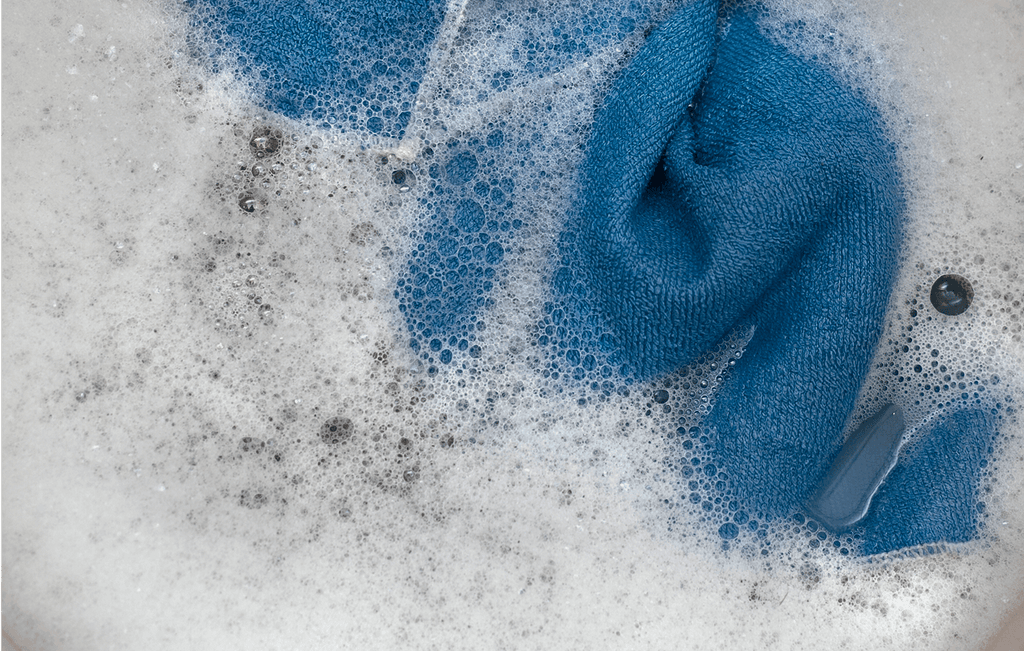
Credit: branchbasics.com
Ideal Soaking Time
Knowing the ideal soaking time for a microfiber cloth can make a big difference in how well it cleans and how long it lasts. Soaking it just right helps loosen dirt and grime without damaging the fibers. Too short, and the cloth may not get fully clean; too long, and you risk weakening the material.
Recommended Duration
Typically, soaking a microfiber cloth for about 15 to 30 minutes is enough to break down dirt and stains. This duration allows cleaning solutions or detergents to penetrate the fabric effectively.
If the cloth is heavily soiled, extending the soak time up to an hour can help, but avoid going beyond that. Over-soaking might cause the fibers to degrade or the cloth to lose its softness.
Factors Influencing Soak Time
Several factors can change how long you should soak your microfiber cloth:
- Type of dirt:Greasy or oily stains need longer soaking, while light dust may require less.
- Cleaning solution used:Strong detergents can reduce soaking time, whereas milder soaps might need more time.
- Water temperature:Warm water speeds up dirt removal but avoid hot water to prevent fiber damage.
Have you ever soaked a cloth only to find it still dirty after washing? Adjusting soak time based on these factors can save you from that frustration.
Best Soaking Solutions
Finding the best soaking solution for your microfiber cloth can significantly enhance its cleaning effectiveness. With the right combination of water temperature and cleaning agents, your cloth can be restored to its prime condition, ready to tackle dirt and grime with ease. Let’s explore the most effective soaking methods to ensure your microfiber cloth stays in excellent shape for all your cleaning needs.
Water Temperature Tips
Water temperature can make or break your soaking strategy. Warm water is typically the best choice for microfiber cloths, as it helps loosen dirt and grime without damaging the delicate fibers. While hot water might seem like a quicker fix, it can cause the fibers to shrink or warp.
Experimenting with slightly warm water can reveal the perfect temperature for your cloth. Have you ever noticed how different temperatures affect your cloth’s texture? Take note and adjust accordingly for optimal results.
Cleaning Agents To Use
Selecting the right cleaning agents is crucial for maintaining the quality of your microfiber cloth. Mild detergents are ideal, as they effectively remove dirt without harsh chemicals that could damage the fibers. Avoid bleach or fabric softeners; these can break down the cloth’s structure.
A simple mix of warm water and mild detergent can work wonders. You might be surprised at how well this gentle solution cleans your cloth. How does your cloth respond to different agents? Share your findings and refine your process.
Step-by-step Cleaning Process
Cleaning a microfiber cloth properly keeps it soft and effective. Follow a clear process for best results. This method protects the cloth’s fibers and removes dirt and oils thoroughly.
Preparing The Cloth
Start by shaking the cloth to remove loose dust and debris. Check for stains or heavy dirt spots. Avoid using bleach or fabric softeners, as they damage the fibers. Use mild detergent suited for delicate fabrics. Fill a basin with warm water—not hot—to prevent fiber damage.
Soaking And Rinsing
Submerge the cloth fully in the warm water and detergent mix. Let it soak for about 15 to 30 minutes. This time helps break down oils and grime. Gently rub the cloth against itself to release dirt. Rinse under cool running water until all soap is gone. Repeat soaking if the cloth still feels dirty.
Drying Techniques
After rinsing, squeeze out excess water without wringing. Lay the cloth flat or hang it to air dry. Avoid direct sunlight, which can weaken fibers. Do not use a dryer, as high heat harms microfiber. Allow the cloth to dry completely before reuse to prevent mildew.
Maintaining Microfiber Quality
Maintaining microfiber quality is essential to keep your cloths effective and durable over time. Proper care not only preserves the material’s softness but also ensures it continues to trap dust and dirt efficiently. Understanding how to soak and clean your microfiber cloths without causing harm can make a big difference in their performance.
Avoiding Damage
Soaking your microfiber cloth too long or using harsh detergents can weaken the fibers. Avoid bleach and fabric softeners—they coat the fibers and reduce their absorbency. Instead, soak the cloth for about 15 to 30 minutes in warm water mixed with a mild detergent to loosen dirt gently.
Have you ever noticed your microfiber cloth becoming stiff or less absorbent after washing? This often happens when the fibers are damaged by improper soaking or cleaning methods. Keeping soak times short and using gentle cleaning agents helps maintain the cloth’s natural texture.
Extending Cloth Lifespan
Regularly soaking your microfiber cloth in a gentle solution can refresh the fibers and extend their lifespan. After soaking, rinse thoroughly with clean water to remove any residue. Make sure to air dry the cloth flat or hang it; avoid high heat from dryers, which can break down the fibers quickly.
Think about how often you replace your cleaning cloths. Wouldn’t it be better if they lasted longer? Taking simple steps like controlled soaking and careful drying can save you money and reduce waste by keeping your microfiber cloths in top shape for many uses.

Credit: www.instagram.com
Troubleshooting Cleaning Issues
Troubleshooting cleaning issues with microfiber cloths helps keep them effective and long-lasting. Sometimes stains and odors resist normal washing. Knowing the right soaking time and techniques can fix these problems. Soaking too little may leave dirt behind. Soaking too long can damage fibers. Balance is key for deep cleaning without harm.
Removing Stubborn Stains
Soak the microfiber cloth in warm water with a small amount of gentle detergent. Let it soak for 15 to 30 minutes. This loosens dirt and grease without harming fibers. For tough stains, add a bit of white vinegar or baking soda. Avoid bleach or fabric softeners as they break down fibers.
After soaking, gently rub the stained area. Rinse the cloth thoroughly in clean water. Repeat soaking if stains remain. Air dry the cloth to preserve its texture and absorbency.
Dealing With Odors
Odors come from trapped oils and bacteria. Soak the cloth in a mixture of warm water and white vinegar for 20 to 40 minutes. Vinegar neutralizes smells and kills bacteria safely. Avoid strong chemicals that can damage the microfiber.
After soaking, rinse the cloth well to remove vinegar scent. Hang it to dry in fresh air. Proper drying prevents new odors from forming. Repeat soaking for persistent smells until the cloth smells clean again.
Frequently Asked Questions
How Long Should I Soak A Microfiber Cloth?
Soak a microfiber cloth for 15 to 30 minutes in warm water. This loosens dirt and oils effectively without damaging fibers.
Can Soaking Time Affect Microfiber Cloth Quality?
Yes, soaking too long can weaken fibers. Stick to 30 minutes max to maintain cleaning effectiveness and cloth durability.
Should I Use Detergent While Soaking Microfiber Cloth?
Yes, use a mild detergent or vinegar in the soak. This helps break down grime and odors for a deeper clean.
Is Soaking Necessary Before Washing Microfiber Cloth?
Soaking is recommended but not mandatory. It helps remove tough stains and improves washing results, especially after heavy use.
Conclusion
Soaking a microfiber cloth for about 15 to 30 minutes works well. This time helps loosen dirt and stains gently. Avoid soaking too long to keep the cloth strong. Use warm water with a mild detergent for best results. After soaking, rinse the cloth thoroughly to remove soap.
Let it air dry completely before the next use. Clean cloths last longer and clean better. Simple care keeps your microfiber cloth ready for any task. Easy steps make cleaning less of a chore.