
Are you looking to brighten up your space in a simple and stylish way? LED strip lights might be exactly what you need.
They are easy to install, energy-efficient, and can transform any room with just a touch of color. But how do you use LED strip lights to get the best effect? Whether you want to create a cozy atmosphere, highlight your favorite spots, or add some fun to your decor, this guide will show you step-by-step how to make the most of your LED strips.
Keep reading to discover tips and tricks that will help you light up your space like a pro.
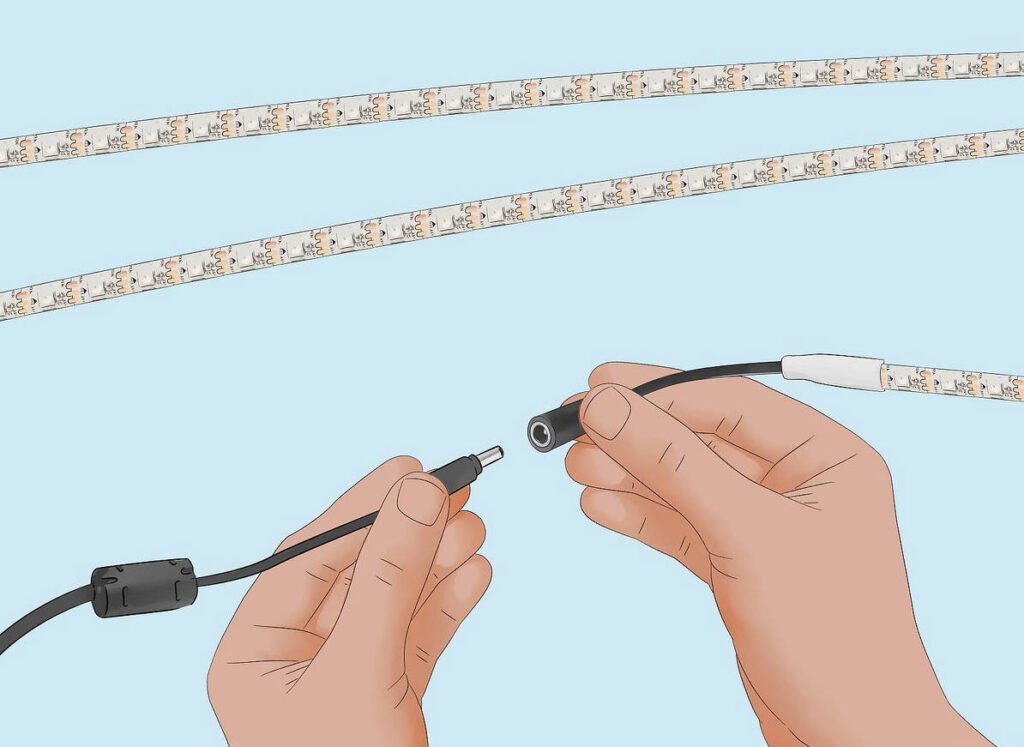
Credit: fongkit.com
Choosing The Right Led Strip Lights
Choosing the right LED strip lights depends on where and how you plan to use them. Consider brightness, color, and length to fit your space perfectly. Proper installation ensures the best lighting effect and energy efficiency.
Choosing the Right LED Strip Lights Selecting the perfect LED strip lights for your space can transform any room from ordinary to extraordinary. With a multitude of options available, it’s crucial to consider several factors before making your decision. Whether you’re looking to add ambiance to your living room or illuminate your workspace, choosing the right LED strips is key to achieving your desired effect.
Types Of Led Strips
LED strip lights come in various types, each suited for different applications. Single-color strips are ideal if you want a consistent hue throughout your space. RGB strips, on the other hand, offer a vibrant range of colors, allowing you to change the mood with just a click. You might also consider RGBW strips, which add a white LED to the mix for better lighting quality. Think about where and how you plan to use the lights, as this will guide your choice.
Brightness And Color Options
Brightness is another critical factor when selecting LED strip lights. Measured in lumens, the brightness you need depends on the purpose of the lighting. For task lighting, opt for strips with higher lumens, whereas mood lighting requires softer, less intense options. Color temperature also plays a role. Are you looking for the warmth of a sunset or the cool brightness of daylight? Warm white strips provide a cozy feel, while cool white is better for modern, sleek spaces.
Power Sources And Controllers
Understanding power sources and controllers is essential for the functionality of your LED strips. Some strips plug directly into outlets, while others require a power adapter. Make sure to check if your chosen strips are compatible with your existing power setup. Controllers can significantly enhance your experience. From simple remotes to sophisticated apps, controllers allow you to customize brightness, color, and even set schedules. Imagine adjusting the ambiance from your smartphone while relaxing on the couch. Have you ever considered how the right power source can impact your energy bill? Opting for energy-efficient options can save you money in the long run. Choose wisely, as the right combination of power source and controller can elevate your lighting game.
Credit: blog.1000bulbs.com
Preparing Your Space
Preparing your space is the first key step before installing LED strip lights. Proper preparation ensures a smooth setup and a clean, lasting result. It involves measuring the area, getting the surface ready, and checking safety factors. Taking time here saves frustration later.
Measuring And Planning Layout
Start by measuring the length of the area for your LED strips. Use a tape measure for accuracy. Sketch your layout on paper or use a digital tool. Mark where the strips will run and where power sources are located. Plan corners and gaps carefully to avoid surprises during installation.
Surface Preparation
Clean the surface where you will stick the LED strips. Use rubbing alcohol or a mild cleaner. Make sure the area is dry and free of dust, oil, or grease. Avoid rough or uneven surfaces as they reduce adhesion. Smooth surfaces like wood, metal, or plastic work best for LED strips.
Safety Considerations
Check the power source matches the LED strip voltage. Avoid overloading sockets or extension cords. Keep strips away from water unless they are waterproof. Do not install near flammable materials. Use proper connectors and tools to prevent damage or shorts. Safety protects both you and your home.
Installation Techniques
Installing LED strip lights can transform your space, but the process requires attention to detail. Knowing how to properly cut, connect, and mount the strips ensures they work perfectly and last long. Let’s break down these essential installation techniques to help you get the best results.
Cutting And Connecting Strips
LED strips come with designated cutting points, usually marked by a line or scissors icon. Cutting anywhere else can damage the circuit, so always cut exactly on these marks.
After cutting, you can connect strips using clip-on connectors or by soldering wires for a stronger bond. Clip-on connectors are user-friendly and great for beginners, while soldering offers a more secure connection if you’re comfortable with tools.
Have you checked if your strips are single-color or RGB? Connecting RGB strips requires matching the correct wires (usually four) for color and power, so pay attention to the wiring colors during connection.
Mounting Methods
Most LED strips come with adhesive backing, making mounting quick and easy. Clean the surface thoroughly before sticking to ensure the adhesive holds well, especially on textured or dusty walls.
If the adhesive isn’t strong enough, you can use mounting clips or brackets for extra security. These work well on ceilings or areas exposed to heat where adhesive might weaken over time.
Think about the placement to avoid bending the strips sharply, which can damage the LEDs. Using corner connectors or gentle curves helps maintain the strip’s integrity and appearance.
Testing And Troubleshooting
Before finalizing the installation, always test your LED strip lights. Connect them to power and check each section for brightness and color consistency.
If some parts don’t light up, inspect your connections for loose wires or incorrect polarity. Sometimes reversing the positive and negative wires fixes the issue immediately.
Encountering flickering lights? This often points to power supply problems or poor contact points. Try using a different power source or securing the connectors better to resolve it.
Creative Lighting Ideas
Creative lighting ideas with LED strip lights can transform your space in unexpected ways. These versatile lights are not just for basic illumination—they add mood, highlight features, and create ambiance. Let’s dive into some practical and imaginative ways to use LED strips that you might want to try right away.
Accent Lighting For Rooms
Use LED strips to highlight architectural details like coves, ceiling edges, or wall niches. They provide a soft glow that draws attention without overpowering the room. Think about placing strips behind crown molding or around door frames to add depth and interest.
Have you noticed how a well-lit corner can make a room feel larger and more inviting? Adding accent lights can also set the tone for different occasions—bright and energetic for gatherings, or dim and cozy for relaxing evenings.
Under Cabinet And Shelf Lighting
LED strip lights under kitchen cabinets offer both function and style. They brighten up countertops for cooking and prep tasks, making your workspace safer and more efficient. Plus, the glow beneath shelves can showcase your favorite décor or collectibles beautifully.
Imagine walking into your kitchen at night and having just enough light to grab a snack without turning on harsh overhead lights. This subtle illumination can change your daily routine in small but meaningful ways.
Backlighting For Tvs And Monitors
Adding LED strips behind your TV or computer monitor reduces eye strain and enhances visual comfort. The ambient light softens the contrast between screen brightness and the dark room, which can improve your viewing experience. You can even sync the lights with your media for dynamic effects.
Have you tried gaming or watching movies with colorful backlighting? It’s a simple upgrade that turns your screen into the centerpiece of your entertainment space.
Outdoor And Garden Enhancements
LED strip lights aren’t limited to indoor use—they’re perfect for outdoor settings too. Use waterproof strips to outline pathways, highlight garden beds, or decorate patios and pergolas. This creates a magical atmosphere for evening gatherings and adds safety to your outdoor spaces.
Think about how subtle lighting can change the way you enjoy your backyard after dark. Are you ready to create your own outdoor oasis that invites you to spend more time outside?
Customizing Effects
Customizing effects with LED strip lights lets you create unique lighting experiences. You can change colors, sync lights with sounds, and design patterns. This makes your space lively and personal.
Using Color Changing Features
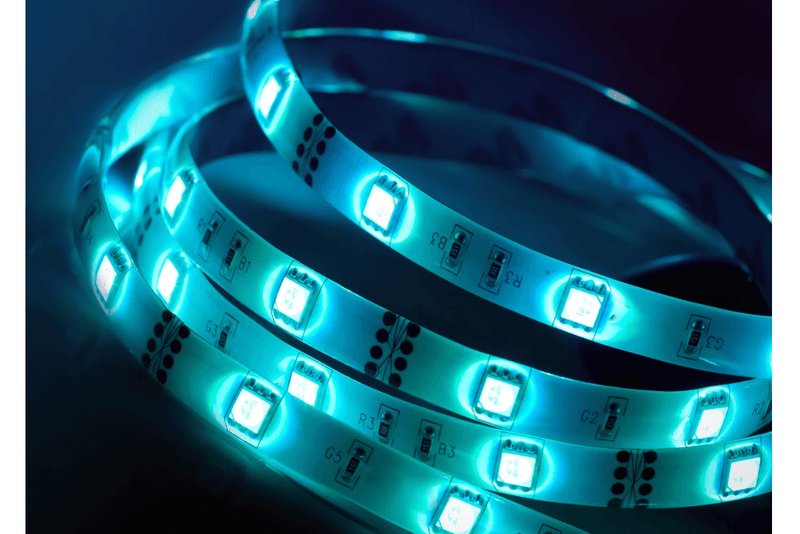
LED strips often come with many color options. Use a remote or app to select colors. Change colors to match moods or events. Set the lights to fade or flash for extra fun. This feature brightens any room with your favorite shades.
Syncing With Music And Sensors
Some LED strips respond to music beats or sounds. They flash or change colors with the rhythm. Sensors can also detect motion or light levels. Lights turn on or shift colors automatically. This adds energy and interaction to your lighting setup.
Creating Light Patterns
Designing light patterns adds style and movement. Choose from presets or create your own sequences. Patterns can pulse, wave, or chase along the strip. Adjust speed and brightness for the right effect. Patterns make your lighting dynamic and eye-catching.
Credit: hitlights.com
Maintenance And Upkeep
Maintaining LED strip lights ensures they stay bright and last longer. Regular care keeps the lights working well and looking fresh. Simple upkeep tasks prevent damage and avoid costly replacements.
Cleaning Tips
Dust and dirt reduce LED brightness. Clean strips gently using a soft, dry cloth. Avoid water or harsh chemicals that can damage the lights. For sticky spots, use a slightly damp cloth and dry immediately. Clean regularly to keep colors vivid and clear.
Replacing Strips And Components
LED strips may need replacement after long use or damage. Check connections and power supplies first. Replace any broken sections carefully by cutting at marked points. Use compatible connectors to join new strips. Replace faulty power adapters to avoid flickering or dim lights.
Extending Led Lifespan
Control heat by installing strips in well-ventilated areas. Avoid running lights at maximum brightness for long periods. Use a timer or dimmer to reduce power usage. Ensure proper voltage and avoid overloading circuits. Keeping strips cool and powered correctly helps them last longer.
Energy Efficiency And Cost Savings
LED strip lights offer a smart way to save energy and reduce electricity bills. They use less power than many traditional lights. This means lower energy costs and a smaller carbon footprint. Energy efficiency is key when choosing lighting for any space.
Using LED strip lights helps maintain bright, effective lighting without high energy use. Their long lifespan also means fewer replacements, saving money over time. Investing in LED strips can be both eco-friendly and cost-effective.
Comparing Led To Other Lighting
LED lights use up to 75% less energy than incandescent bulbs. They last 25 times longer on average. Fluorescent lights save energy but contain harmful chemicals. LEDs are safer and more durable. They produce less heat, reducing cooling costs in warm climates.
| Lighting Type | Energy Use | Lifespan | Heat Emission |
|---|---|---|---|
| Incandescent | High | 1,000 hours | High |
| Fluorescent | Moderate | 8,000 hours | Moderate |
| LED Strip Lights | Low | 25,000+ hours | Low |
Reducing Energy Usage
Use dimmers to lower brightness and save power. Turn off lights when not needed. Install motion sensors to light spaces only when occupied. Choose LED strips with adjustable color temperature to match the task and reduce energy use.
- Control brightness with dimmer switches
- Use timers to schedule lighting
- Install motion sensors in hallways or bathrooms
- Select warmer light settings for relaxation
Budget-friendly Installation Tips
Measure spaces before buying LED strips to avoid waste. Use adhesive-backed strips for easy, tool-free installation. Connect strips directly to power sources to avoid extra wiring costs. Buy in bulk or kits to save money. Reuse existing fixtures or surfaces for mounting.
- Plan layout and measure length carefully
- Choose plug-and-play LED strip kits
- Use double-sided tape for quick mounting
- Buy from trusted brands with warranties
Frequently Asked Questions
What Surfaces Work Best For Led Strip Lights?
LED strip lights stick well to smooth, clean surfaces like wood, metal, and glass. Avoid textured or dusty areas for secure adhesion and optimal lighting effects.
How Do You Power Led Strip Lights Safely?
Use the correct power adapter matching the strip’s voltage. Ensure proper connections and avoid overloading circuits to prevent damage or hazards.
Can Led Strip Lights Be Cut To Size?
Yes, LED strips have marked cut points. Cut only at these points to maintain functionality and avoid damaging the circuit.
How Do You Control Led Strip Light Colors?
Many LED strips come with remote controls or apps. Use these to change colors, adjust brightness, or set lighting modes easily.
Conclusion
LED strip lights add style and light to any space. You can place them almost anywhere. They are easy to cut and stick. Choose colors and brightness to fit your mood. Use them to brighten rooms, shelves, or outdoor areas.
Controlling them with a remote makes changes quick. LED strips save energy and last long. Small changes create big effects. Try different setups and enjoy the glow. Lighting your home has never been simpler.