
Are you ready to take control of your food supply and make your kitchen more organized? Building a food storage pantry is easier than you think, and it can save you time, money, and stress.
Imagine opening a neat, well-stocked pantry where you can quickly find everything you need. This guide will show you step-by-step how to create a food storage pantry that fits your space and lifestyle. Keep reading, and you’ll discover simple tips that make a big difference in your daily life.
Your future self will thank you!
Choosing The Right Location
Choosing the right location for your food storage pantry is crucial for keeping your supplies fresh and accessible. The spot you pick affects how well your food lasts and how easy it is to manage your inventory. Let’s break down what you need to think about to find the perfect place in your home.
Assessing Space Availability
Start by looking around your home for extra space. You want a spot that’s out of the way but still large enough to hold all your supplies comfortably. This could be a spare closet, a corner in the basement, or even under the stairs.
Think about future growth too. Will this spot allow you to add more shelves or containers as your pantry expands? If space is tight, consider vertical storage options to make the most of every inch.
Considering Temperature And Humidity
Food lasts longest in cool, dry places. Avoid areas that get direct sunlight or are near heat sources like ovens or water heaters. Even small temperature changes can cause food to spoil faster.
Humidity is another factor that can affect your pantry. Moisture encourages mold and pests, so choose a location with low humidity. If you have no ideal dry spot, use a dehumidifier or moisture absorbers to protect your food.
Accessibility And Convenience
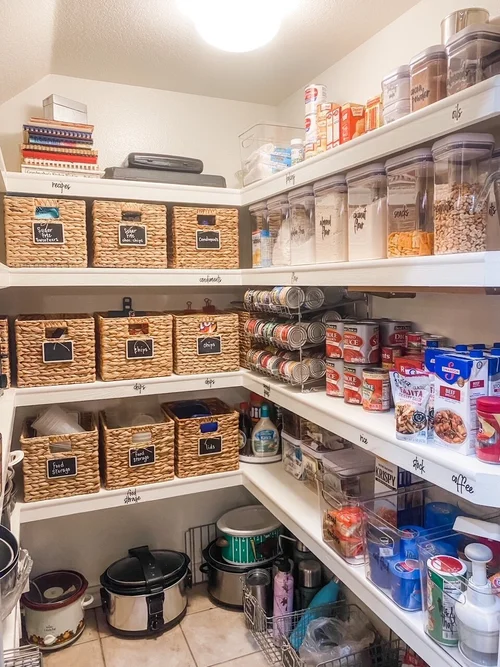
Your pantry should be easy to reach so you can grab what you need without hassle. A location near your kitchen is ideal, but if that’s not possible, make sure the path is clear and safe.
Ask yourself how often you’ll access the pantry. If you plan to rotate your stock regularly, choose a spot that won’t make this a chore. Imagine pulling out heavy containers from a cramped corner—would you keep it organized or let it become a mess?
Credit: beckwithstreasures.com
Selecting Storage Containers
Choosing the right storage containers is vital for a food storage pantry. Containers protect your food from pests, moisture, and air. They keep food fresh longer and make your pantry look neat. Picking containers that fit your space and needs helps you save time and avoid waste.
Types Of Containers
Plastic, glass, and metal containers each have unique benefits. Plastic containers are lightweight and affordable. Glass containers do not absorb smells and are easy to clean. Metal containers are strong and good for long-term storage.
- Plastic: Best for dry goods like rice and beans.
- Glass: Ideal for spices and small items.
- Metal: Great for flour and sugar storage.
Airtight And Moisture-proof Options
Airtight containers block air and moisture. They stop food from spoiling quickly. Look for containers with rubber seals or locking lids. Moisture-proof containers prevent mold and clumping. They keep dry foods crisp and fresh.
Labeling And Organization
Label containers clearly with the food name and date. Use waterproof markers or printed labels. Organize containers by food type or use. Group similar items together. This makes finding food fast and easy. Good labeling reduces food waste and helps track freshness.
Stocking Essential Foods
Start by choosing foods with a long shelf life like rice, beans, and canned goods. Focus on variety to cover different meals and nutrients. Store items in a cool, dry place to keep them fresh longer.
Stocking essential foods in your pantry is the foundation of any effective food storage strategy. The aim is to ensure you have a variety of items that can sustain your family during unexpected events or emergencies. By focusing on essential foods, you not only secure peace of mind but also make daily meal prep more efficient and less stressful.
Long-lasting Staples
When stocking your pantry, prioritize long-lasting staples. These are foods that can endure the test of time, ensuring you’re covered for the long haul. Items like rice, pasta, and canned beans are excellent choices due to their extended shelf life and versatility in meals. Consider including a variety of grains, such as quinoa and oats, which add nutritional diversity. Spices and oils, while not bulky, are critical to turning basic staples into delicious meals. A small investment in these staples today can pay off significantly in the future.
Including Nutrient-rich Items
A well-stocked pantry should not only focus on longevity but also on nutrition. Include nutrient-rich items like canned vegetables and fruits to ensure your family gets essential vitamins and minerals. Don’t overlook canned fish like salmon or tuna, which provide a rich source of protein and omega-3 fatty acids. Think about adding nuts and seeds, which are excellent for snacking and can enhance the nutrition of your meals. Consider dried fruits as well; they offer a sweet treat while also being packed with nutrients. A balanced pantry is key to maintaining health, even when fresh produce is not available.
Rotation And Expiration Management
Managing the rotation and expiration of your pantry items is crucial to prevent waste. Regularly check expiration dates and use the “first in, first out” method to ensure older items are consumed before newer ones. It’s helpful to organize your pantry so that items nearing expiration are at the front. Make it a habit to review your pantry every few months. This not only keeps you updated on what needs replenishing but also helps you avoid unnecessary purchases. How often do you find expired items hiding in the back of your shelves? With a little effort, you can minimize waste and maximize efficiency in your pantry.

Credit: penniesforafortune.com
Organizing Your Pantry
Organizing your pantry is the key to making your food storage practical and easy to use every day. A well-organized pantry saves you time, reduces food waste, and helps you spot what you need quickly. It’s not just about neatness—it’s about creating a system that works for your lifestyle and cooking habits.
Categorizing Food Items
Start by grouping similar foods together. Keep baking supplies in one spot, canned goods in another, and snacks in their own section. This way, you’ll know exactly where to look when cooking or shopping.
Think about how often you use each category. Place everyday items at eye level and less frequently used things higher or lower on the shelves. Have you noticed how much easier it is to grab what you need when everything has its place?
Maximizing Space With Shelving
Adjustable shelves let you customize the space to fit tall cereal boxes or short spice jars. Adding extra shelves can create more storage without crowding your pantry.
Consider using stackable shelf organizers or tiered racks to make use of vertical space. Don’t forget the inside of pantry doors—they’re perfect for hanging racks or small baskets that hold spices, packets, or utensils.
Using Clear Storage For Visibility
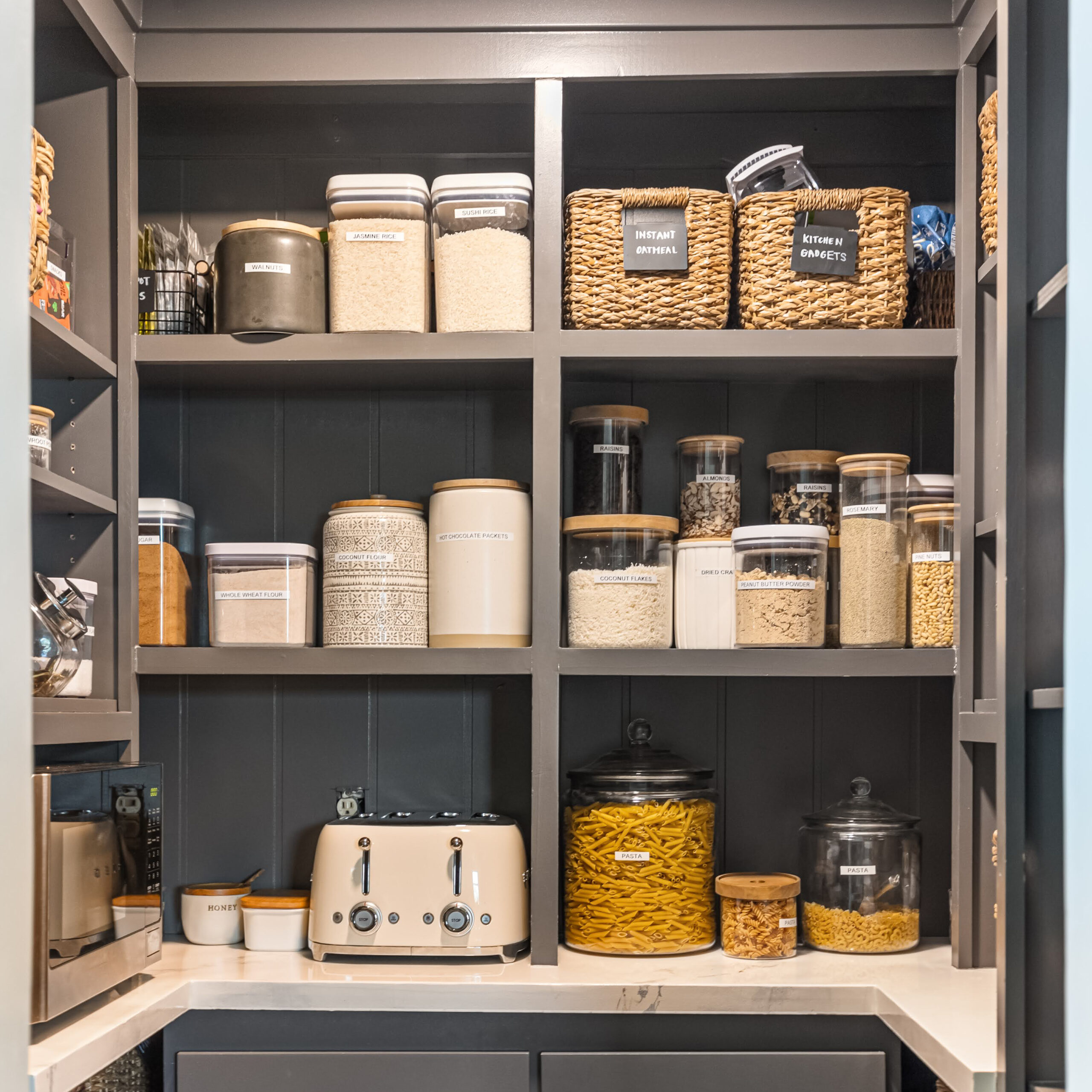
Clear containers make it easy to see what you have without opening every box or bag. Use airtight bins for items like flour, sugar, and grains to keep them fresh and pest-free.
Label each container with the name and expiration date. This helps you keep track of freshness and prevents duplicates. Have you ever been surprised by an expired product hiding in a dark corner? Clear storage helps you avoid that.
Maintaining Food Quality
Maintaining food quality in your pantry is essential for ensuring your stored items remain safe and tasty over time. It’s not just about putting food away; it’s about keeping it fresh and protected from damage. Small habits can make a big difference in extending the shelf life of your pantry staples.
Regular Inspections
Check your pantry at least once a month. Look for signs of spoilage like discoloration, unusual smells, or damaged packaging. I once found a jar of peanut butter with a burst seal because I skipped inspections for months—catching it early saved me from a bigger mess.
Use a checklist to track expiration dates and condition of items. Rotate older products to the front so you use them first. This simple routine helps prevent waste and keeps your food fresh.
Pest Prevention Tips
Pests can quickly ruin your pantry if you’re not careful. Store dry goods like flour, rice, and cereals in airtight containers made of glass or thick plastic. These containers keep bugs out and also help you see what’s inside at a glance.
- Clean spills immediately to avoid attracting ants or rodents.
- Seal cracks and holes around your pantry area to block entry points.
- Use natural repellents like bay leaves or cedar blocks inside shelves.
Have you ever found tiny holes in your packaging? That’s a sign to step up your pest control game.
Proper Temperature Control
Temperature plays a huge role in food preservation. Keep your pantry in a cool, dry place ideally between 50°F and 70°F (10°C to 21°C). Heat speeds up spoilage, and humidity encourages mold growth.
If your pantry tends to get warm, consider adding a small dehumidifier or moisture absorber. Also, avoid storing food near heat sources like ovens or direct sunlight.
Think about the last time you opened a bag of chips that tasted stale—chances are, temperature or humidity was the culprit. Managing these factors keeps your food fresher for longer.
Credit: crystelmontenegrohome.com
Planning For Emergencies
Preparing a food storage pantry for emergencies requires thoughtful planning. Emergencies can disrupt normal food supplies. Having a well-stocked pantry helps maintain safety and comfort. Planning ensures you store the right types and amounts of food. It also means including essentials beyond just food. A clear plan supports long-term use and rotation of supplies.
Calculating Food Quantities
Estimate the number of people the pantry will serve. Plan for at least three days to one month of supplies. Consider daily calorie needs, about 2,000 calories per person. Include a variety of food groups for balanced nutrition. Use this simple table for a one-week supply per person:
| Food Type | Quantity |
|---|---|
| Grains (rice, pasta, oats) | 7 pounds |
| Canned vegetables and fruits | 14 cans |
| Protein (beans, canned meat) | 7 pounds |
| Dairy or dairy alternatives | 7 containers |
Adjust quantities based on family size and preferences.
Including Water And Supplies
Water is vital during emergencies. Store at least one gallon per person per day. Include water for drinking, cooking, and hygiene. Add essential supplies such as:
- Manual can opener
- First aid kit
- Flashlights and batteries
- Cooking tools and fuel
- Sanitation products
Keep supplies organized and easy to access in the pantry.
Creating A Usage Schedule
Rotate food regularly to prevent spoilage. Use a “first in, first out” system. Label items with purchase dates. Plan to check the pantry monthly. Replace expired or nearly expired items promptly. Maintain an inventory list to track supplies. A usage schedule keeps the pantry ready for any emergency.
Frequently Asked Questions
What Are The Essential Items For A Food Storage Pantry?
Essential items include grains, canned goods, dried beans, pasta, and powdered milk. Also add spices, oils, and long-lasting snacks for variety and nutrition.
How Much Food Should I Store In My Pantry?
Store at least a two-week supply for your household. Adjust quantities based on family size, eating habits, and storage space availability.
How Do I Organize A Food Storage Pantry Efficiently?
Group items by category, label shelves clearly, and use airtight containers. Rotate stock regularly to keep food fresh and reduce waste.
What Are The Best Containers For Food Storage?
Use airtight, moisture-proof containers like glass jars, plastic bins, or metal tins. They protect food from pests and extend shelf life.
Conclusion
Building a food storage pantry takes time and care. Choose the right containers to keep food fresh. Organize items so you can find them quickly. Store a variety of foods for balanced meals. Check your pantry regularly to avoid waste.
Planning ahead helps during emergencies or busy days. A well-stocked pantry brings peace of mind. Start small and grow your pantry step by step. Your efforts will pay off with every meal prepared. Safe, easy food storage makes life simpler.