
Are your plastic food storage containers looking cloudy, stained, or smelling a bit off? You’re not alone.
Over time, these containers can hold onto odors and stubborn stains that make them less pleasant to use. But don’t toss them out just yet. With the right cleaning tricks, you can make your containers look and smell fresh again.
Keep reading, and you’ll discover simple, effective ways to restore your plastic containers—saving you money and keeping your kitchen neat. Ready to bring your containers back to life? Let’s dive in!

Credit: food52.com
Choosing The Right Cleaning Supplies
Choosing the right cleaning supplies is key to keeping your plastic food storage containers fresh and stain-free. The wrong detergent or scrubber can cause scratches or leave harmful residues. Let’s look at what works best to protect your containers and keep them safe for your food.
Safe Detergents For Plastic
Not all detergents are gentle enough for plastic containers. Harsh chemicals can degrade the plastic over time, making them brittle or cloudy. Opt for mild dish soaps labeled safe for plastics or sensitive skin.
Look for detergents without bleach or strong fragrances. These can leave behind residues that affect taste or safety. A simple, unscented dish soap often does the trick without causing damage.
Have you noticed your containers smelling like the soap after washing? That’s a sign you might need to switch to a gentler detergent or rinse more thoroughly.
Tools For Scrubbing And Wiping
Choosing the right scrubber can make cleaning easier and prevent damage. Avoid abrasive pads or steel wool, which can scratch the surface and trap bacteria in grooves.
- Use soft sponges or microfiber cloths for wiping.
- A non-abrasive scrub brush helps remove stuck-on food without harming the plastic.
- Consider a bottle brush for narrow-necked containers to reach all corners.
Think about how often you clean your containers and how stubborn the stains are. Sometimes a gentle scrub with the right tool is more effective than harsh scrubbing. What tools have you found easiest to use while keeping your containers scratch-free?
Removing Stains And Odors
Plastic food storage containers often hold stains and odors from past meals. Removing these marks keeps containers fresh and safe for reuse. Simple household ingredients work well to clean and refresh plastic. These easy tricks restore your containers without harsh chemicals.
Using Baking Soda And Vinegar
Baking soda and vinegar create a powerful cleaning duo. Sprinkle baking soda inside the container. Add a small amount of white vinegar to create fizz. Let the mixture sit for 15 to 30 minutes. Use a soft sponge to scrub stains gently. Rinse thoroughly with warm water to remove residue. This method lifts stains and neutralizes odors effectively.
Lemon And Sunlight Tricks
Lemon’s natural acidity breaks down tough stains and smells. Cut a lemon in half and rub it on the container’s surface. Squeeze fresh lemon juice inside for extra cleaning power. After applying lemon, place the container in direct sunlight. Sunlight helps bleach stains naturally and dries the container. Leave it outside for a few hours or until completely dry. This combination brightens plastic and leaves a fresh scent.
Step-by-step Cleaning Process
Begin by rinsing containers with warm water to remove leftover food. Use mild soap and a soft sponge to scrub all surfaces gently. Rinse thoroughly and air dry or wipe with a clean cloth to avoid water spots.
Cleaning plastic food storage containers can sometimes feel like a daunting task, but with a straightforward step-by-step process, it becomes quite manageable. By focusing on pre-rinsing, washing, and drying, you can keep your containers spotless and free from lingering odors. Let’s dive into the specifics of how you can effectively clean your plastic containers and ensure they last longer.
Pre-rinsing And Soaking
Start by giving your plastic containers a quick rinse under warm water to remove any food residues. This step is crucial in preventing stains from setting in. Fill your sink or a large bowl with warm, soapy water and submerge the containers. Let them soak for about 15 to 20 minutes. This allows the soap to break down grease and food particles, making the next steps easier.
Washing And Scrubbing
Use a soft sponge or dishcloth to gently scrub the inside and outside of the containers. Pay special attention to corners and lids, where grime often hides. For stubborn stains or odors, sprinkle a little baking soda on your sponge before scrubbing. This natural abrasive helps lift stains without scratching the plastic. Rinse thoroughly with warm water to remove all soap and baking soda residues.
Drying And Storing
Dry your containers with a clean towel, or place them upside down on a dish rack to air dry. Make sure they are completely dry before storing to prevent mold growth. Store your containers with the lids off or slightly ajar. This prevents any trapped moisture from creating unpleasant smells. Consider organizing your containers by size and shape. This not only saves space but also makes it easier to find the right container when you need it. By following these steps, you’ll maintain the cleanliness and longevity of your plastic food storage containers. How do you ensure your containers stay fresh and ready for use?

Credit: www.instagram.com
Cleaning Tips For Tough Residue
Cleaning tough residue from plastic food storage containers can feel like a hassle, especially when stains and smells refuse to fade. However, with the right approach, you can restore your containers to their original clean state without much effort. Let’s dive into some practical tips that tackle stubborn grease, oil, mold, and mildew, so your containers stay fresh and safe for everyday use.
Dealing With Grease And Oil
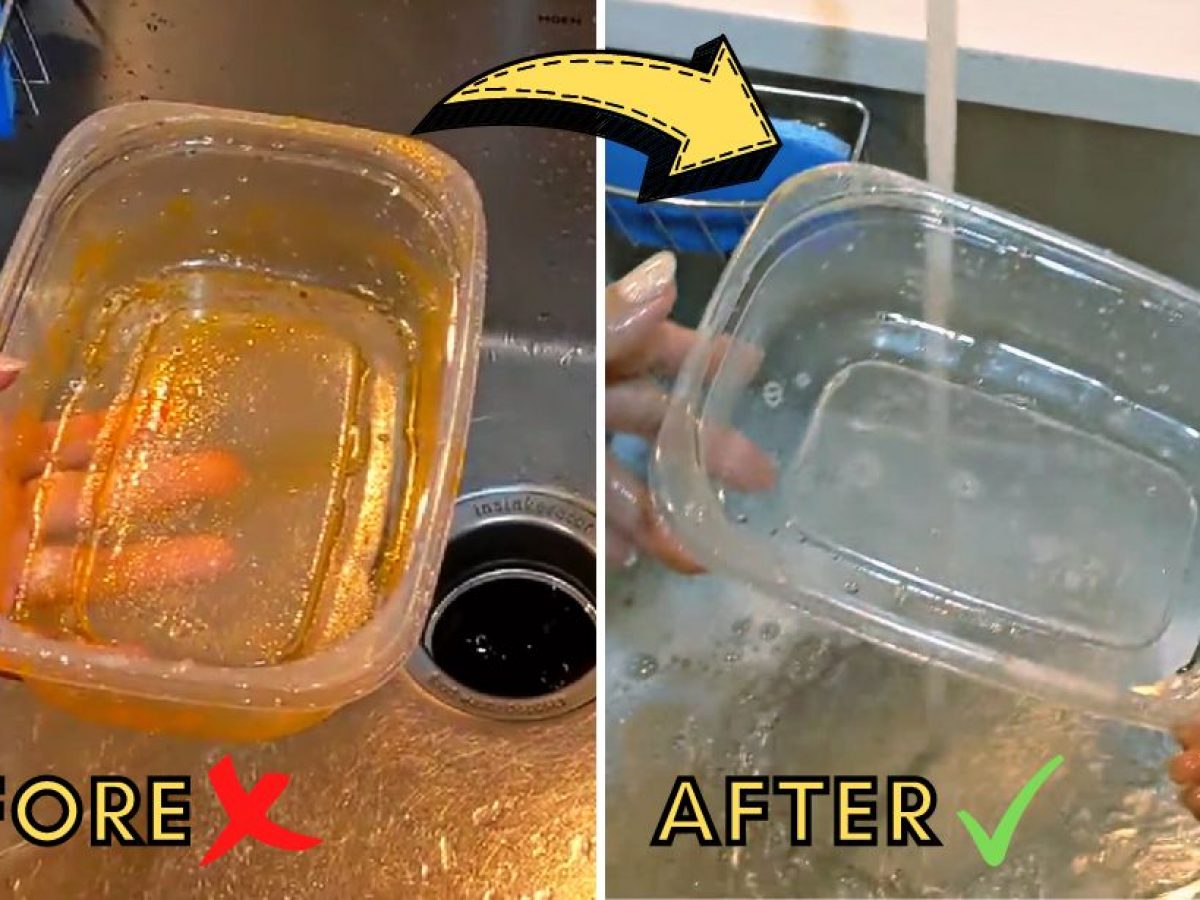
Grease and oil cling stubbornly to plastic surfaces, making regular washing less effective. Try sprinkling baking soda directly onto the greasy spots before scrubbing with a damp sponge. Baking soda’s gentle abrasiveness helps lift the oil without scratching your containers.
If the residue persists, soak the container in hot water mixed with a few drops of dish soap for about 15 minutes. This loosens the grease and makes it easier to wipe away. Have you ever noticed how a little soaking time makes a huge difference in cleaning stubborn messes?
For lingering odors from oily foods, rubbing the inside with half a lemon or white vinegar can neutralize the smell quickly. Don’t forget to rinse thoroughly afterward to avoid any sour taste lingering in your next meal.
Handling Mold And Mildew
Finding mold or mildew in your containers is never pleasant, but it’s important to tackle it swiftly to protect your health. Start by washing the container with hot, soapy water to remove surface dirt.
Next, create a solution of equal parts white vinegar and water, and soak the container for 30 minutes. Vinegar’s natural antibacterial properties help kill mold spores and prevent regrowth. If you prefer, a few drops of tea tree oil in the soaking solution can boost the mold-fighting power.
After soaking, scrub the container with a soft brush to reach corners and seals where mold likes to hide. Rinse well and let the container air dry completely before storing it away. Have you checked those tight lid grooves lately? They’re often overlooked spots where mold can sneak back in.
Preventing Future Stains And Odors
Preventing stains and odors in plastic food storage containers keeps them fresh and long-lasting. Simple habits protect your containers from tough marks and unpleasant smells. These tips help maintain cleanliness and improve your kitchen routine.
Proper Storage Practices
Store containers with lids off or slightly open. This allows air to circulate inside. Avoid sealing containers immediately after storing hot or wet food. Let food cool before closing the lid. Use containers only for their intended food types. Separate containers for strong-smelling foods like onions or garlic reduce odor transfer. Avoid stacking wet containers inside each other. This prevents moisture buildup and mold growth.
Regular Maintenance
Rinse containers soon after use to prevent food from drying. Clean containers thoroughly with warm, soapy water after each use. Use baking soda or white vinegar to remove odors naturally. Dry containers completely before storing them away. Check containers regularly for cracks or stains. Replace damaged containers to maintain hygiene and avoid odor traps.
Credit: diyjoy.com
When To Replace Plastic Containers
Knowing when to replace plastic food storage containers is important for safety and freshness. Over time, plastic can break down and lose its ability to protect your food properly. Using old or damaged containers may affect food quality and health.
Signs Of Wear And Tear
- Cracks or deep scratches on the surface
- Stains that do not wash out
- Warping or misshapen lids
- Foul or lingering odors
- Discoloration or cloudiness
Such signs suggest the container no longer seals well or may harbor bacteria. Discard containers that show these problems.
Health And Safety Considerations
Old plastic containers can release harmful chemicals into food. This risk increases if the plastic is scratched or damaged. Avoid using plastic containers in the microwave if they are not labeled microwave-safe.
Replace containers that have lost their original texture or flexibility. Always choose BPA-free containers to reduce chemical exposure. Prioritize your health by using fresh, intact food storage containers regularly.
Frequently Asked Questions
How Do I Remove Stains From Plastic Food Containers?
Use a mixture of baking soda and water to scrub stains. Let it sit for 15 minutes before rinsing. Avoid harsh chemicals to prevent damage.
Can Plastic Containers Go In The Dishwasher?
Most plastic containers are dishwasher safe, but check the label. Place them on the top rack to avoid warping from heat.
What Is The Best Way To Deodorize Plastic Containers?
Fill the container with a mix of vinegar and water. Let it sit for an hour, then wash as usual to remove odors.
How Often Should I Clean Plastic Food Storage Containers?
Clean containers immediately after use to prevent stains and odors. Regular washing maintains hygiene and extends container lifespan.
Conclusion
Cleaning plastic food storage containers is simple and saves money. Use warm water, soap, and a soft sponge to avoid scratches. Remove stains with baking soda or lemon juice. Dry containers completely before storing to stop odors and mold. Regular cleaning keeps containers fresh and safe for food.
Small efforts lead to longer-lasting containers. Keep these tips handy for easy, everyday cleaning. Clean containers mean healthier meals and less waste. Try these steps today and enjoy fresh food storage.